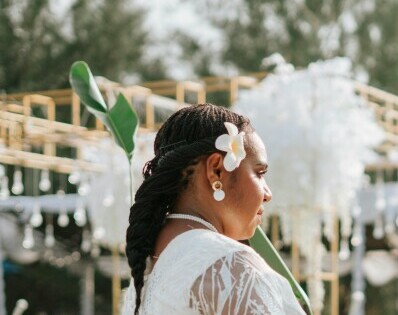
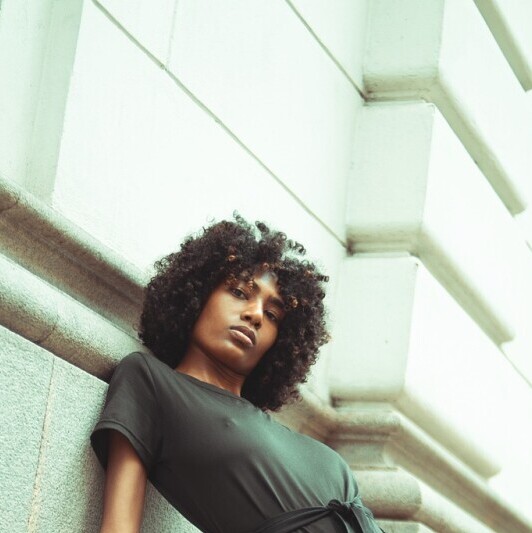
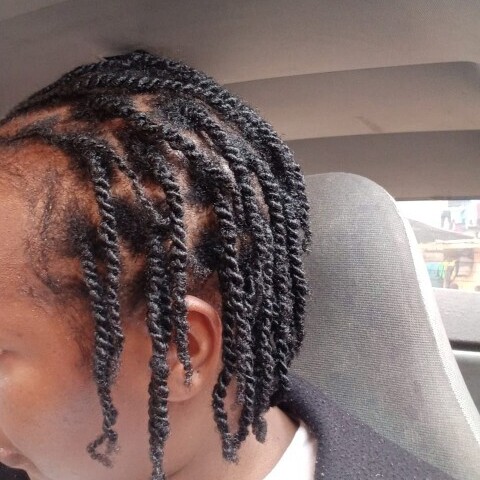
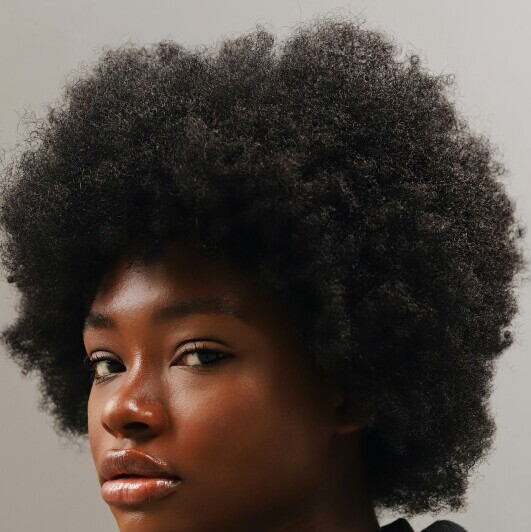
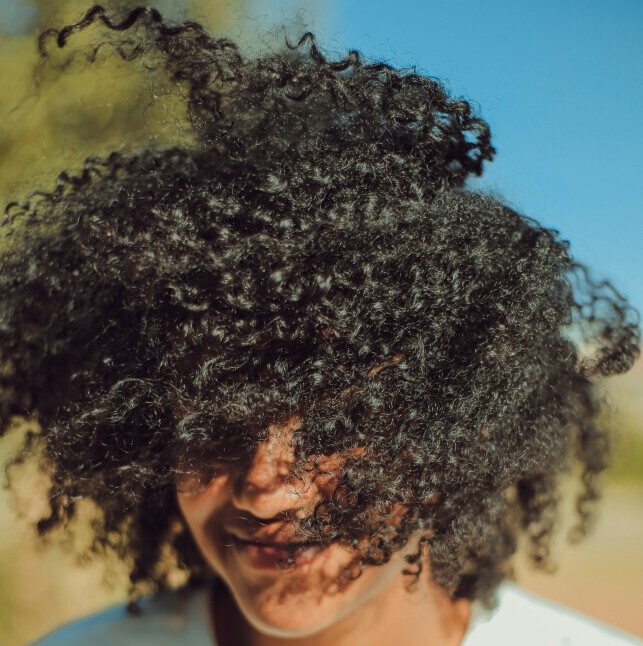
Afro hair is like a beautiful canvas, full of texture and personality. It can go from sleek and sophisticated to wild and carefree with the right accessory. Headbands are an amazing way to highlight this versatility. Unlike other hair accessories that sometimes fight against your hair’s natural tendencies, headbands work with them.
Let’s talk about why headbands are such game-changers. These accessories can turn any look from basic to bold without much effort. Whether you’re rocking a natural fro or twists, headbands can provide that fashion-forward touch that makes your style pop. What’s better? They come in every pattern, color, and material imaginable. So, you’re never stuck with just one look.
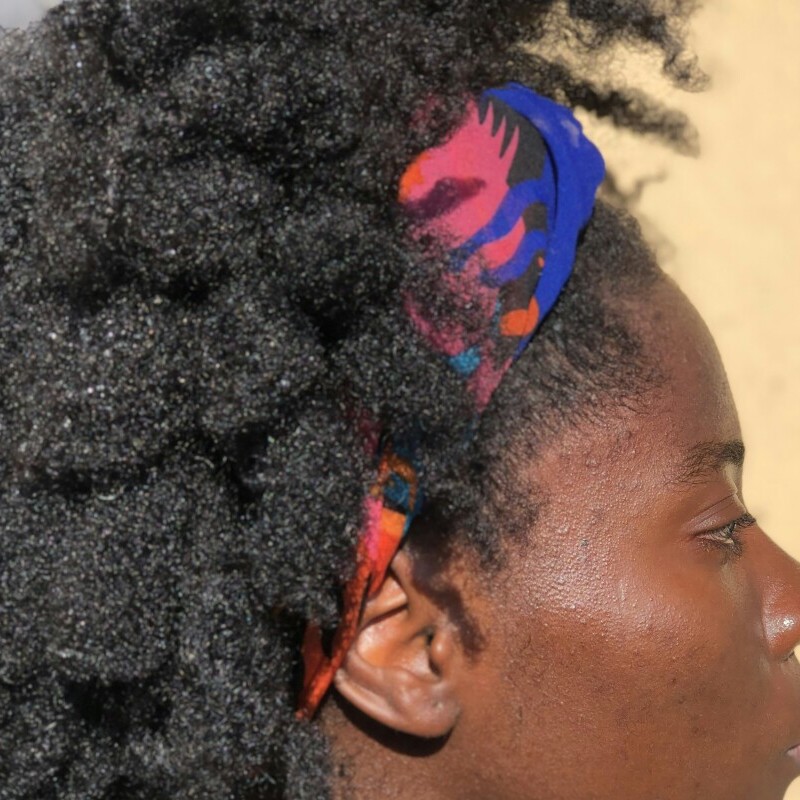
Historically, Afro hair and accessories have always gone hand in hand. We’re talking way back to when head ornaments and scarves were prominent in various African cultures. These headpieces were more than just decorative; they had cultural and social significance. Fast forward to today, and the idea remains strong, with modern twists and styles that still pay homage to those rich roots.
So embrace that crown of curls and coils of yours. Whether it’s a sleek metal headband for a glamorous look or a colorful fabric band for an everyday vibe, accessorizing your Afro hair with headbands is all about celebrating your unique style. It’s also such a lifesaver during those “what am I doing with my hair today?” kind of mornings. Having a variety of headbands means I never have to sacrifice style for convenience.
Finding the Perfect Headband: A Guide for Your Unique Afro Style
When it comes to pairing headbands with your Afro style, there’s a little bit of science and a whole lot of art involved. Knowing your hair’s texture is the first step. Coarse, fine, dense, or somewhere in between, this will guide you in picking a headband that holds without slipping and complements your natural look.

Material is key. Ever tried a satin headband? Not only is it gentle on your hair, but it also fights frizz like a champ. Cotton and elastic options are incredibly versatile, offering both comfort and a secure hold. Choosing the right material can make all the difference in comfort and style, keeping the headband both practical and stylish throughout the day.
Colors can communicate mood and style. Bright hues? They scream fun and energy. Earth tones? Classic and cool. Neutral shades? They give you that effortlessly chic vibe. Picking the right color can highlight your skin’s natural undertones and elevate your entire look.
Selecting headbands that balance fashion and functionality is crucial. You want something that doesn’t just look good but also feels right. Don’t overlook adjustable or stretchy fabrics for maximum comfort. Think of your headband as more than an accessory—it’s an extension of your personality, a way to showcase your unique flair.
Practical Techniques: Easy and Stylish Afro Hair Looks Using Headbands
Need a quick fix on those busy days? My go-to style with headbands can save both time and stress while still looking fabulous. Gather your hair up into a high puff or relaxed bun, then slide on a headband that offers a pop of color. Whether patterned or plain, this effortlessly chic look gives the right blend of style and grace. Best part? You can pull it off in minutes.
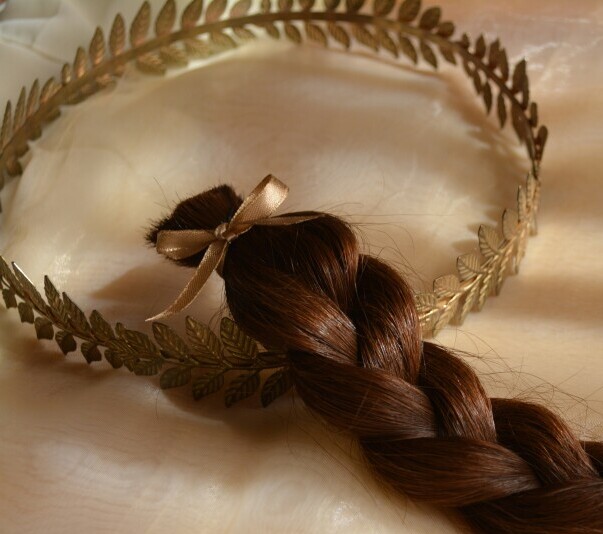
Versatility might as well be the unofficial middle name of headbands. You’ve got office meetings at 9 and a dinner date at 7. Switch it up with a floral design for daytime meetings, then opt for metallic or jeweled bands for that evening sparkle. Headbands make these transitions smoothly without any additional hassle.
Feel like adding a bit more pizzazz? Combine your headband with other accessories such as statement earrings or layered necklaces. This creates a cohesive look that pulls everything together, making you look well put-together without all the fuss. For those extra-special occasions, think about contrasting your headband’s design or color with your other accessories for that extra wow factor.
Using headbands in your daily routine doesn’t just make for easier styling; it opens up opportunities to experiment with creative looks. Try different positions: closer to the hairline for a retro vibe or further back for a more bohemian style. Each twist and placement can change the whole dynamic of your look, offering endless possibilities.
Beyond Fashion: The Impact of Accessorizing on Confidence and Personal Style
Ever noticed how the right accessory can elevate not just your outfit but also your mood? That’s the real magic of headbands when it comes to Afro hair. They’re not just fashion statements—they’re confidence boosters. Having the perfect headband means more than looking good; it’s about feeling good too, showcasing your individual flair and boosting your self-esteem.
Every headband tells its own story and adds layers to your personal style narrative. Using headbands allows you to mix and match not just colors and fabrics, but vibes and attitudes, broadcasting who you are or how you’re feeling on any given day. Maybe today it’s bold stripes because you’re feeling fierce, or a simple black band when you want understated elegance.
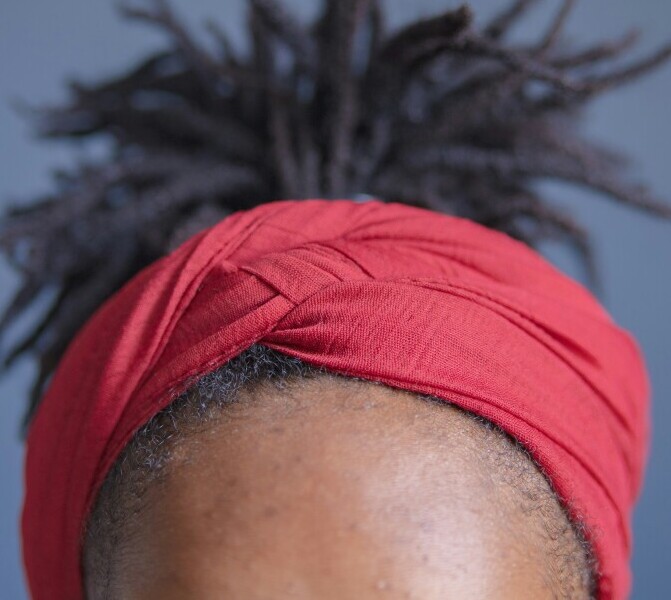
Stepping out with that headband in place, you’re making a statement. You’re showing off not just a chic hairstyle but also an expression of self-love and respect for your heritage. It’s a powerful message to those around you, encouraging them to embrace their authentic selves.
There’s a little ripple effect too. When you confidently rock a stylish headband, it sends positive signals to the Afro hair community. It nudges folks to experiment, to redefine what’s traditionally seen as ‘beautiful’ or ‘stylish’. You never know who you might inspire just by owning your look. So, wear that headband with pride because you’re not just accessorizing—you’re contributing to a broader conversation about identity and self-expression.
What is your best styling with a headband? Let me know.