Hair loss can feel like a huge monster lurking over your shoulder when you’re just trying to live your best life. But before spiraling into a panic, it’s important to know the difference between natural hair shedding and actual hair loss. Healthy hair goes through a cycle, shedding some strands daily. Losing about 50 to 100 hairs a day is totally normal and nothing to freak out about.
Surprisingly, a lot of what most of us believe about hair loss falls into the myth category. Let’s address some of these common falsehoods right away. One big myth is that only men face hair loss or it’s just an issue of age. That’s plain wrong. Women can and do experience hair loss, and it can happen at virtually any age.
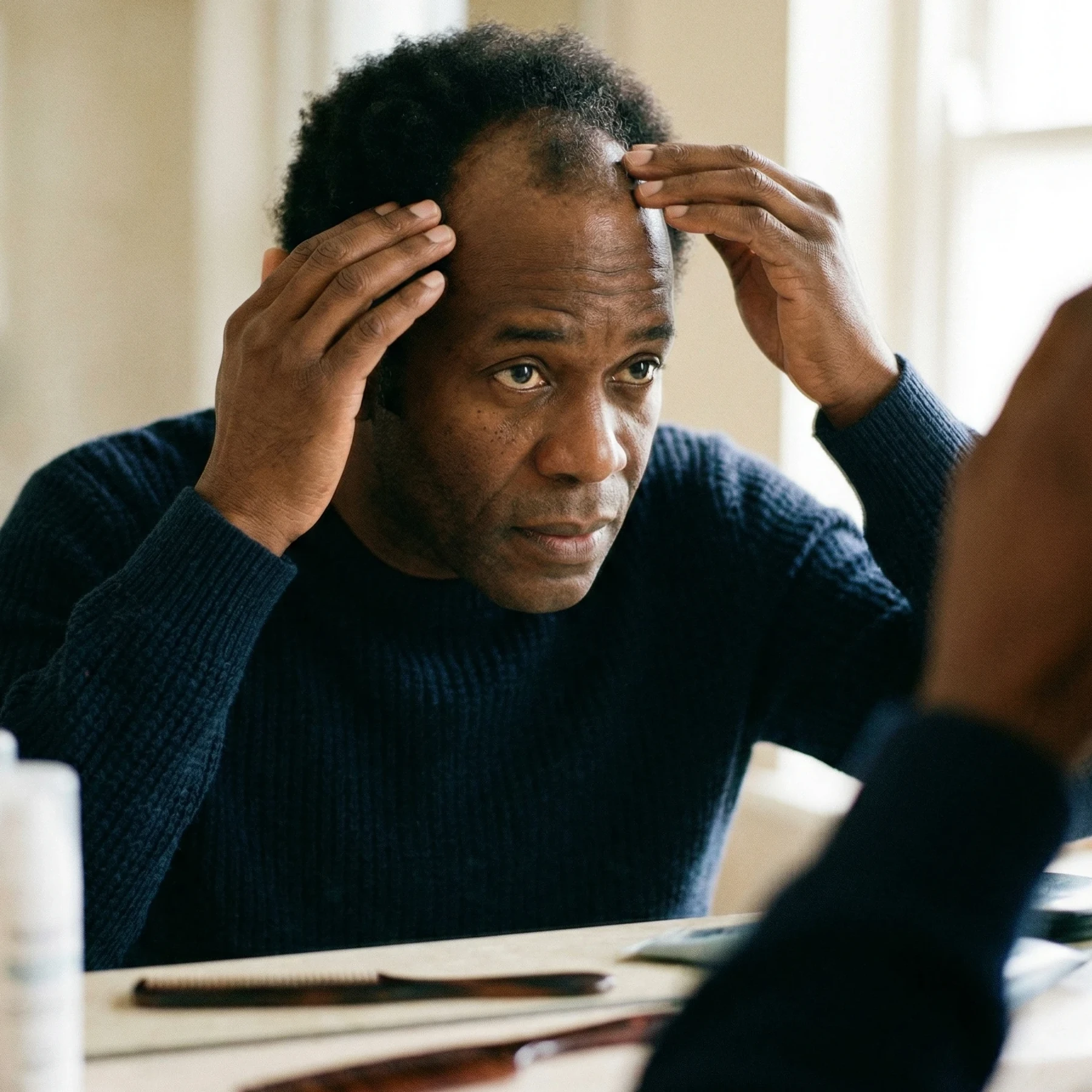
It’s key to know how hair growth phases influence shedding and loss. Hair pretty much has its own ecosystem, with phases like anagen (growth), catagen (transitional), and telogen (resting). At the end, the strand falls out, and the cycle kicks off again.
Not everything about hair shedding is a mystery. Genetics play a big role; if your family tree has a history of hair thinning or baldness, you’re more likely to face it too. But don’t ignore environmental factors either. Things like stress, diet, and even harsh hair care habits can amplify the issue. So stay chill and mind your nutrition; your hair will thank you.
Spotting Haircare Mistakes: Are You Making These Errors?
It’s not all genetics and stress; sometimes, our daily hair habits are the culprits in the hair loss saga. Overwashing is a biggie. Stripping your scalp of its natural oils not only dries it out but can also lead to breakage and hair fall. Those oils are like your hair’s built-in moisturizer, so maybe don’t lather up every single day.
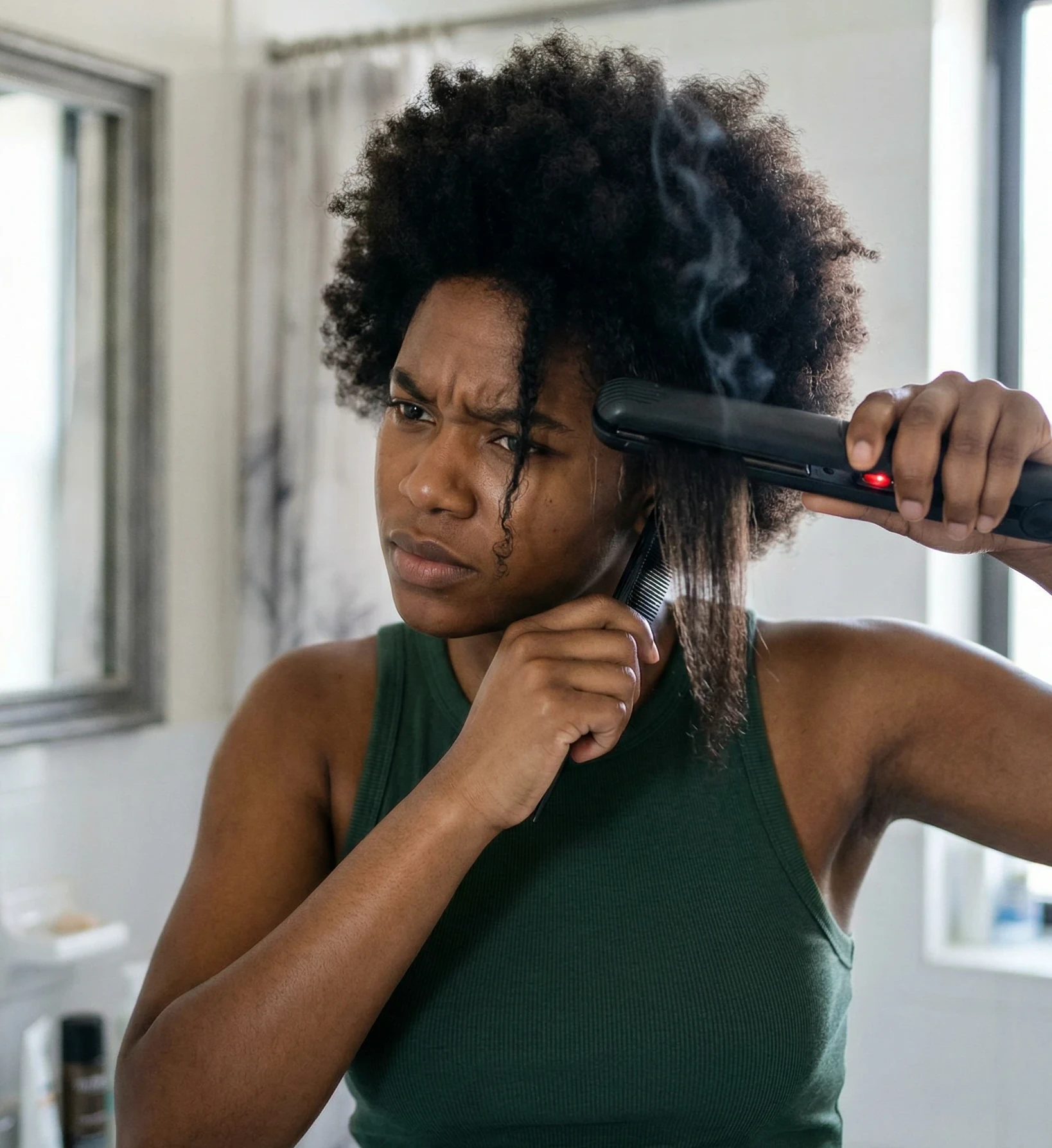
Heat styling tools are another hair-raising villain in this story. Sure, a sleek straight look or bouncy curls can be fun, but those hair irons and blow dryers crank out some serious heat damage. That heat weakens the strands, making them more susceptible to breaking off.
Tight hairstyles might look epic, but they can be a real nightmare for your hairline. Think ponytails, buns, and braids pulled right to the limit. That constant tension stresses the hair follicles, eventually leading to what’s called traction alopecia. Loosen up a bit — your hair will be happier. I had an incident where I braided my hair a little too tight. I hit my head and my braid literally came off of my head. I went to see a doctor because I did not understand what was happening and I was informed that I had alopecia and I should loosen my hair to prevent breakage. I had a lot of pain on my scalp as well and with time, I was fortunate my hair grew back. It’s not always the case for everyone.
And, oh, those all-too-tempting chemical treatments. Yes, I’m talking about perms, relaxing, and heavy dyes. While these can transform your look, the harsh chemicals can mess with the health of your hair over time. Consider keeping it natural or use gentler treatments when possible. I do understand that everyone has different ways they look after their hair what may work for one may not work for another.
Curating a Haircare Routine: Prevention and Preservation
Building a rock-solid haircare routine doesn’t have to be rocket science, but it does require a little planning and some smart choices. A balanced diet rich in vitamins and minerals can work wonders for your hair. Think of foods like spinach, nuts, and fish as fuel for your mane. Healthy hair starts from the inside out.
Picking products that suit your hair type makes all the difference. Whether you’ve got curly locks or smooth strands, not every shampoo and conditioner is your hair’s best friend. Check ingredients and choose products that promise to hydrate and strengthen without any added nasties.

Give your scalp some TLC with periodic massages. It’s not just relaxing but also boosts blood circulation and promotes healthier growth. Throw in a scalp treatment now and then to keep everything in tip-top shape.
Style wisely with sustainable moves that treat your hair with kindness. Low-manipulation styles can reduce stress on your strands and help maintain their integrity. Hair doesn’t need to be a project every day. Sometimes a simple look is the best choice for long-term hair wellness.
Partnering with Professionals: When and Why to Seek Help
When you’re looking in the mirror and spotting more scalp than you’d like, it might be time to chat with the professionals. Sometimes figuring out the root cause of hair loss can be tricky and you shouldn’t stress out trying to tackle it alone.
Knowing when to grab the attention of a dermatologist or a trichologist can be super helpful. Dermatologists are like skin gurus and they know all the ins and outs of hair conditions too. Trichologists, on the other hand, specialize specifically in hair and scalp health. Either can offer solid guidance on what’s going wrong upstairs.
If you’re considering medical treatments or even hair restoration, these experts will guide you to the best options for your situation. Options like medications to stimulate growth or surgical restoration procedures could be on the table. You want to be armed with reliable info before making any big decisions. If you want more discussion on this as there is a trend around this, happy to do a review.
Don’t underestimate the role of stress and overall mental wellness when it comes to your locks. Chronic stress has a sneaky way of creeping into your life and impacting hair growth. Keep a check on your mental health with leisure activities or therapy sessions if things get heavy. Your hair health is just a reflection of how you’re doing overall.
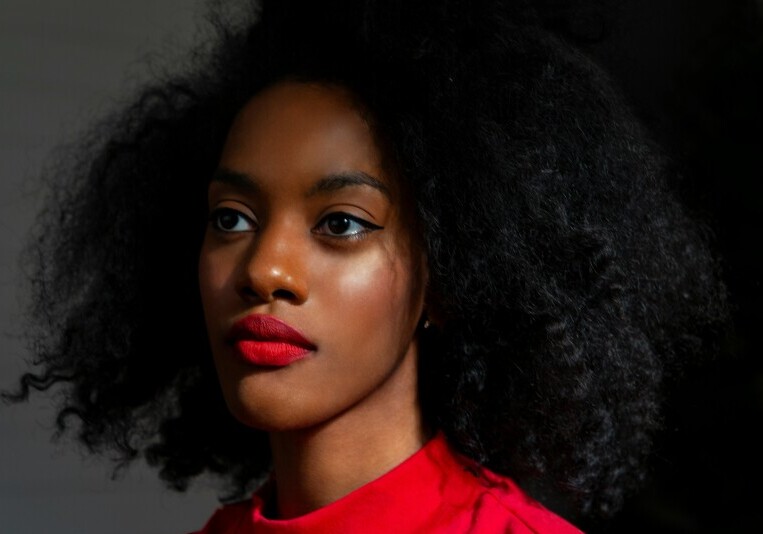
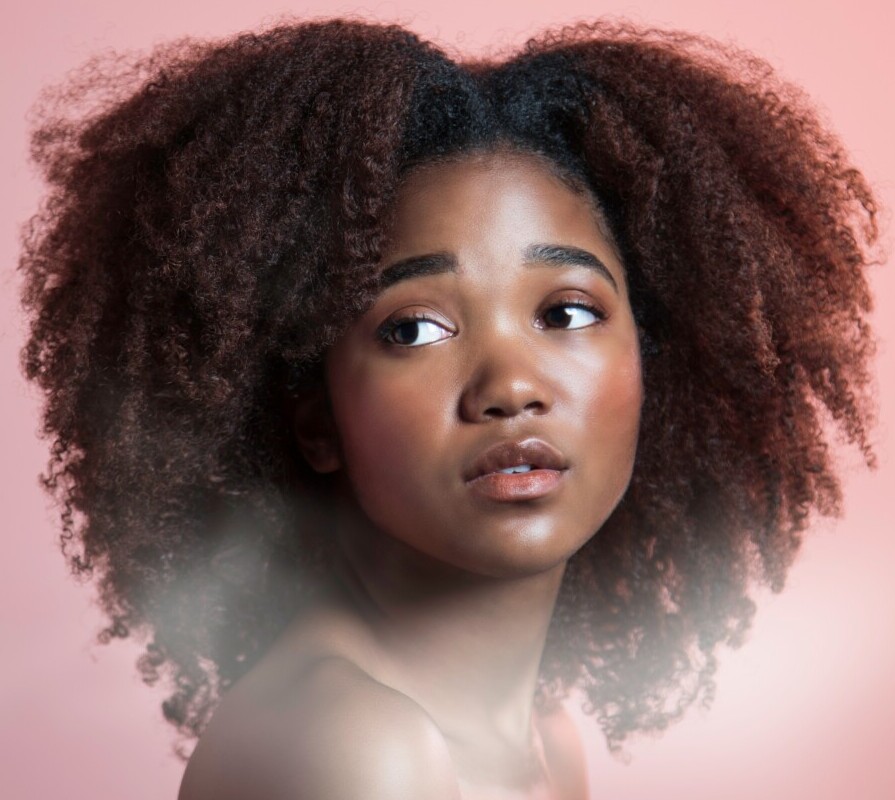 While protective styles are incredible for hair retention, they can backfire if they’re too tight or left in for too long. Tight styles can cause tension and breakage, especially around the hairline. Keeping it comfortable and loose is the way to go.