Category: professional

  • Styling Tips For A Sleek Ponytail On Afro Hair

    Styling Tips For A Sleek Ponytail On Afro Hair

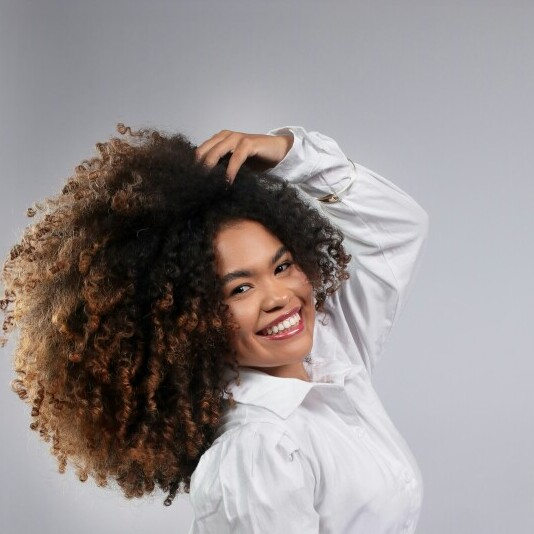
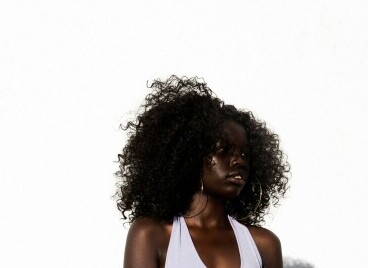
    Every head of hair is unique, especially when it comes to Afro hair. Knowing exactly what type of texture you have is key to nailing that sleek ponytail look. Afro hair textures can range from coily and kinky to curly and wavy, each with its unique styling preferences.

    Texture matters big time because it affects how your hair holds styles, reacts to products, and bounces back after a day’s wear. For instance, a ponytail on Type 4C hair might need a bit more love and smoothing compared to one on Type 3A. It’s all about knowing what your specific texture needs to look its best.

    There’s a bunch of misconceptions out there about styling Afro hair, like it’s hard to manage or needs too much product. Truth is, with the right approach, Afro hair can rock styles others only dream about. It’s not about taming your beautiful textures; it’s about understanding and enhancing what’s naturally yours. I remember when I had cut my hair short and I was not sure how to style it. Having the opportunity to sleek it back was a great way to ensure that it looked great despite my misconception of the look.

    In my journey, I’ve seen how some styles cater better to certain textures. Coily and kinky textures, for example, can achieve stunning fullness in a ponytail, whereas looser curls might need different techniques for sleekness. The key is experimentation and embracing your hair’s unique personality. Talk to other folks with similar textures, share experiences, and discover what works best for you.

    Preparing Your Hair For The Perfect Ponytail

    Nailing that sleek ponytail needs more than just a couple of brushes. It’s all in the prep! Start with clean, freshly washed hair, which makes styling a whole lot easier. Regular deep conditioning sessions are great to keep your hair in top shape, ready for any style you throw at it.

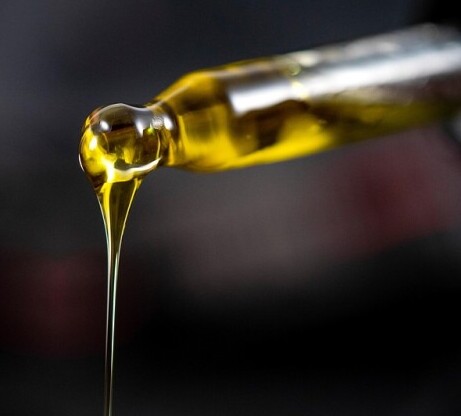
    Choosing the right products can make or break your ponytail game. Look for products that enhance smoothness and lock in moisture without weighing your hair down. Lightweight gels or creams work wonders for getting that sleek look, and a bit of natural oil can add a nice shine while combating frizz.

    Frizz is a common hurdle, but it doesn’t stand a chance against a well-prepped ‘do. Moisture is your ally, so hydrate your hair before styling. A leave-in conditioner can keep the strands sleek and in place despite the elements.

    Wanna know how to really prep? Start by sectioning your hair and applying your chosen products evenly. This sets the foundation. A wide-tooth comb helps spread everything without breaking the hair. Afterward, use a fine brush for refinement and control. Once prepped, you’re ready to rock the sleek ponytail like a pro!

    Master The Ponytail Technique

    Getting sleek results starts with having the right tools at your side. A good quality brush is your best friend—look for one that’s firm enough to smooth your hair but gentle on the scalp. Gels, especially those for edge control, can help keep everything tight and flyaway-free. And don’t forget the importance of elastic bands strong enough to hold your hair snugly without causing any breakage.

    Creating sections in your hair helps you manage the volume and ensures each part is smooth as you go. Start by choosing where your ponytail will sit—high, mid, or low. Parting and sectioning properly gives a cleaner base to build a sleek look. Each section should be carefully brushed back, smoothing out any bumps or uneven areas.

    Now for the technique—the step-by-step on how to achieve that runway-worthy ponytail. Gather the sections slowly as you move, bringing them together smoothly before securing them with your band of choice. Use your gel to smooth back the hair within each section before banding, ensuring every bit lays flat and gleams.

    Professional stylists often apply a touch of shine spray or a very light oil mist for that finished shine and additional control. For edges, a small, soft brush or toothbrush works wonders when detailing the final look. Even a fine mist of holding spray can ensure no strand escapes before the day is through.

    Maintaining Your Style All Day Long

    Once you’ve nailed that sleek ponytail, it’s all about keeping it fresh as time goes by. Daily challenges like humidity or a gusty wind can be major spoilers, but with a few tricks up your sleeve, you can keep your style locked in place.

    Staying sleek starts with placing a small, travel-friendly brush in your bag for touchups when the hair needs a quick smoothing. Having a tiny bottle of hair mist or spray can keep unexpected flyaways at bay. A compact can of holding spray can be your best buddy against the outdoor elements.

    Humidity and sweat are two usual suspects when it comes to Afro hair shrinking. Keeping your hair accessories on hand lets you quickly tighten the ponytail should it start to loosen. Never leave home without a few extra elastics.

    When it’s time to freshen up your ponytail look during the day, focus on taming any new flyaways with a small dab of gel or a quick brush-through.

    Finally, when the day winds down, nighttime care helps prolong your style for as long as you need it. A silk or satin bonnet, or even just a pillowcase, will protect your hair overnight. Gently tie your check band or scarf to reduce friction, saving your ponytail’s sleek legacy for another day.

  • Common Misconceptions About 4c Afro Hair

    Afro hair isn’t just a hairstyle; it’s a vibrant tapestry woven with history and culture. It’s been around for centuries, telling stories of identity, resistance, and creativity. Dive back into ancient times, and you’ll find that Afro hair has played significant roles in African societies. It was often styled to indicate tribe, age, religion, and even social status.

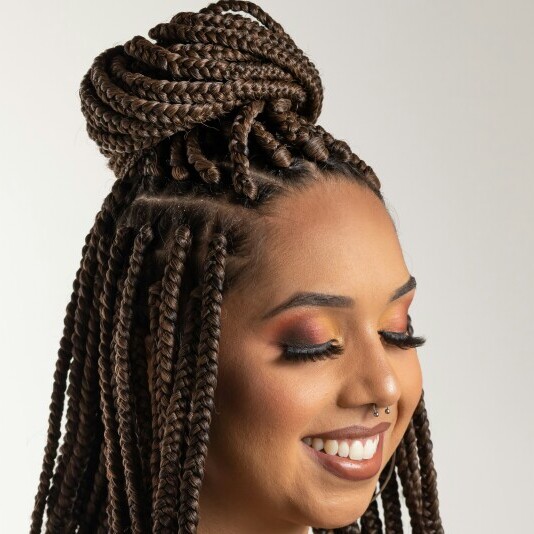
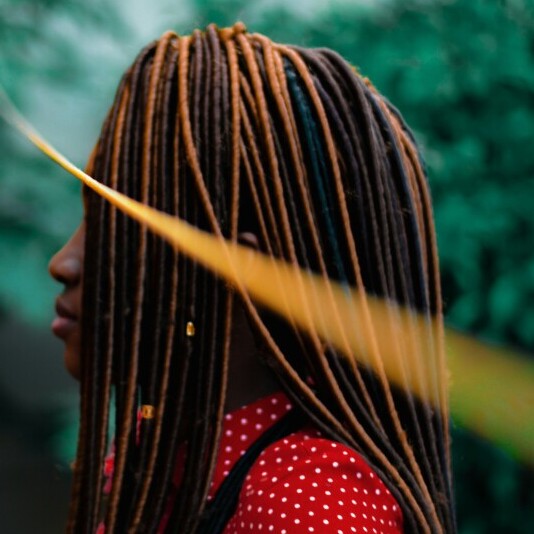
    Many traditional African hairstyles are not only visually stunning but also deeply symbolic and meaningful. From the intricate detail of cornrows, which could signify a warrior ready for battle, to the regal presence of the locks, linking one’s spirituality and connection to the earth. Each style holds a story that’s been passed down through generations.

    Afro hair traditions have had far-reaching effects globally, particularly in the Caribbean and the Americas, thanks to the transatlantic slave trade. As African slaves were brought to new lands, they carried their cultural hair practices with them, which have evolved into important cultural movements. The Afro style boom in the 1960s and 1970s served not just as a fashion statement but as a bold emblem of pride.

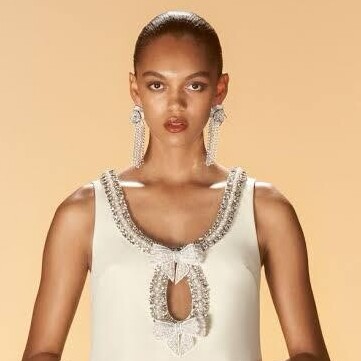
    These days, Afro hair continues to impact fashion and beauty across the world. From high-fashion runways to everyday street style, you see its influence, challenging traditional beauty norms and celebrating the richness of African heritage. Embracing Afro hair means acknowledging its powerful legacy and understanding its past, which is anything but simple.

    Debunking the Myth: Afro Hair Is Not Unprofessional

    There’s this outdated notion that Afro hair is somehow unprofessional, but let’s clarify things here. Afro hair, with its natural curls and kinks, is a dynamic form of expression just like any other hair type. A lot of these prejudices come from a narrow view of what ‘professional’ should look like—views rooted in a mainstream aesthetic that doesn’t always accommodate diversity.

    Over the years, Afro hair has faced unfair discrimination in the workplace. There have been numerous cases where individuals have been judged or even controlled because of their natural hair or traditional styles like braids, locs, and twists. This kind of bias often stems from stereotypes and a lack of understanding, rather than any genuine concern about professionalism.

    Thankfully, there’s a positive shift happening. Laws like the CROWN Act are paving the way for more acceptance by making it illegal to discriminate against Afro hair in workplaces and schools. Such changes reflect society’s growing recognition of cultural diversity, encouraging people to feel free to wear their natural hair without fear of judgment or discrimination.

    The key message? Afro hair is as professional as any other hair type. Rocking a natural look shouldn’t limit anyone’s opportunities or how they’re perceived. Celebrating Afro hair in the office isn’t about challenging norms – it’s about redefining them to be more inclusive. It’s a shift towards recognizing that professionalism comes in many shapes and styles, and authenticity has real value in the workplace.

    Afro Hair Is Versatile, Not Limited

    Afro hair has a world of possibilities beyond what many people expect. It’s not just about the classic Afro puff or the tightly coiled curls; in fact, the styling potential of Afro-textured hair is almost boundless. From protective styles like twists and braids to edgy looks like Bantu knots and mohawks, Afro hair can do it all.

    One of the fantastic things about Afro hair is how easily it can transition between different looks, offering a playground for creativity and expression. This kind of versatility stems from the unique texture of the hair, which holds styles exceptionally well. Ever seen a beautiful cascading waterfall of curls one day and a sleek Bantu knot crown the next? That’s the magic of Afro hair.

    While these styles are often steeped in cultural significance, they’ve also stormed the runways and the red carpet, influencing global fashion trends. Celebrities and influencers have been pivotal in showcasing the elegance and diversity of Afro hair, inspiring others to embrace their natural textures.

    Let’s not ignore the innovation required for Afro styling techniques, from intricate cornrow patterns to long, elegant locs. It’s not just changing your look; it’s about exploring a wide range of styles that feel right for you. Embracing this versatility encourages more freedom of expression and strengthens cultural identity, helping to enhance the beauty and proud history associated with Afro hair.

    The Truth About Afro Hair Care and Maintenance

    Taking care of Afro hair is a journey that often involves a bit of learning, given the unique structure and needs it has. There’s a common misconception that Afro hair is resilient to all conditions, but it actually requires just as much love and attention as any other hair type.

    Afro hair is typically more prone to dryness because its curls and coils make it harder for natural oils to travel from the scalp to the ends. This means that moisturizing is key. Products rich in natural oils like shea butter, coconut oil, and jojoba oil can work wonders in keeping those curls hydrated and looking their best.

    There’s also a myth that Afro hair can’t be washed frequently. Sure, it’s a balancing act – too much shampooing can strip away essential moisture, but proper buildup removal is also crucial. Finding the right wash schedule that keeps the hair clean and healthy without overdrying is essential.

    Going natural, many have found solace in hair care brands specifically formulated for Afro-textured hair. These brands celebrate and cater to its unique needs, offering products that enhance hair health while being free from harsh chemicals that may cause damage.

    Learning the right techniques is important. Whether it’s detangling with care using a wide-tooth comb, or protective styling to minimize breakage, there’s a rhythm to Afro hair care that, when mastered, opens up a world of styling possibilities that keep hair strong and vibrant.

    Afro Hair and Cultural Identity: More Than Just Aesthetic

    Afro hair goes beyond the surface as a powerful part of cultural identity. It’s not just about how it looks; it’s about what it represents for those who proudly wear it. From the intricate styles passed down through generations to the modern adaptations we see today, Afro hair is a symbol of cultural pride and resilience.

    In many communities, how one wears their hair is a form of self-expression and cultural celebration. It’s a statement of identity, a visual way of connecting with cultural roots. For many, maintaining traditional hairstyles connects them to their ancestors and gives them a sense of unity and belonging.

    Afro hair has also served as an act of resistance. During times when natural hair was not embraced, wearing it authentically became a form of defiance against the assimilation into mainstream beauty ideals. Movements like Black Power in the 1960s and 70s saw Afro hair as a bold statement of pride and empowerment. The movement didn’t just champion the aesthetics but sought to redefine societal norms surrounding beauty and identity.

    Today, there’s a growing community movement centered around embracing and educating others about Afro hair. Social media platforms have become dynamic spaces where people share styles, tips, and stories, fostering a supportive environment that encourages all to embrace their natural beauty.

    Celebrating Afro hair isn’t only about honoring the past; it’s about recognizing its role in shaping identity today and its continuing impact on future generations. It’s about understanding that Afro hair carries with it narratives full of history, pride, and strength. By embracing Afro hair, you’re also honoring the stories and cultural richness that come with it.