Expert 4C hair care tips and natural hair routines for Kenya. Discover the best products, styling techniques, and daily care guides for healthy afro hair in Nairobi and beyond.
Category: protective styles
-
Common Misconceptions About 4c Afro Hair
Afro hair isn’t just a hairstyle; it’s a vibrant tapestry woven with history and culture. It’s been around for centuries, telling stories of identity, resistance, and creativity. Dive back into ancient times, and you’ll find that Afro hair has played significant roles in African societies. It was often styled to indicate tribe, age, religion, and even social status.

Many traditional African hairstyles are not only visually stunning but also deeply symbolic and meaningful. From the intricate detail of cornrows, which could signify a warrior ready for battle, to the regal presence of the locks, linking one’s spirituality and connection to the earth. Each style holds a story that’s been passed down through generations.
Afro hair traditions have had far-reaching effects globally, particularly in the Caribbean and the Americas, thanks to the transatlantic slave trade. As African slaves were brought to new lands, they carried their cultural hair practices with them, which have evolved into important cultural movements. The Afro style boom in the 1960s and 1970s served not just as a fashion statement but as a bold emblem of pride.
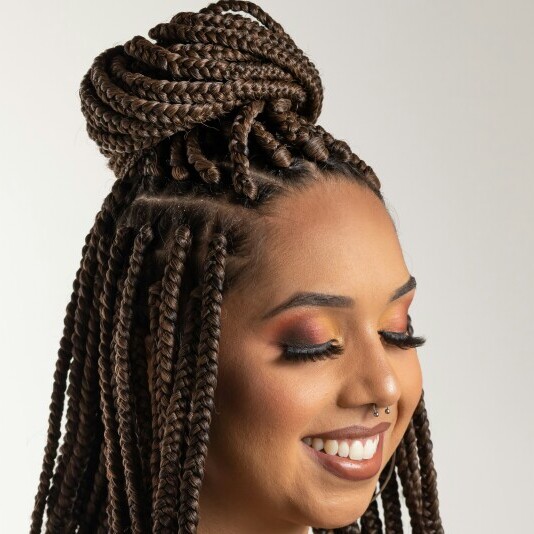
These days, Afro hair continues to impact fashion and beauty across the world. From high-fashion runways to everyday street style, you see its influence, challenging traditional beauty norms and celebrating the richness of African heritage. Embracing Afro hair means acknowledging its powerful legacy and understanding its past, which is anything but simple.
Debunking the Myth: Afro Hair Is Not Unprofessional
There’s this outdated notion that Afro hair is somehow unprofessional, but let’s clarify things here. Afro hair, with its natural curls and kinks, is a dynamic form of expression just like any other hair type. A lot of these prejudices come from a narrow view of what ‘professional’ should look like—views rooted in a mainstream aesthetic that doesn’t always accommodate diversity.
Over the years, Afro hair has faced unfair discrimination in the workplace. There have been numerous cases where individuals have been judged or even controlled because of their natural hair or traditional styles like braids, locs, and twists. This kind of bias often stems from stereotypes and a lack of understanding, rather than any genuine concern about professionalism.
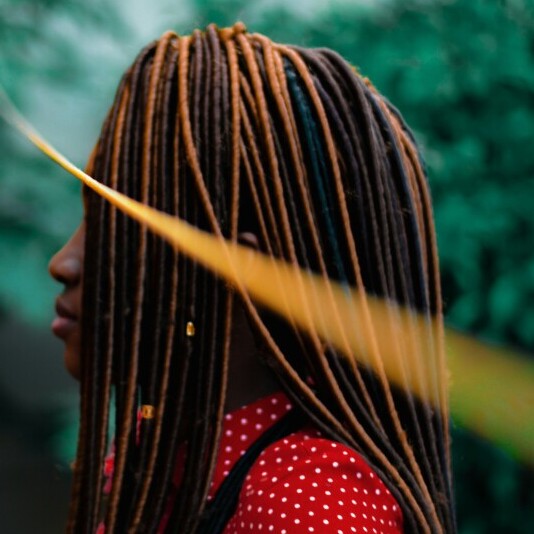
Thankfully, there’s a positive shift happening. Laws like the CROWN Act are paving the way for more acceptance by making it illegal to discriminate against Afro hair in workplaces and schools. Such changes reflect society’s growing recognition of cultural diversity, encouraging people to feel free to wear their natural hair without fear of judgment or discrimination.
The key message? Afro hair is as professional as any other hair type. Rocking a natural look shouldn’t limit anyone’s opportunities or how they’re perceived. Celebrating Afro hair in the office isn’t about challenging norms – it’s about redefining them to be more inclusive. It’s a shift towards recognizing that professionalism comes in many shapes and styles, and authenticity has real value in the workplace.
Afro Hair Is Versatile, Not Limited
Afro hair has a world of possibilities beyond what many people expect. It’s not just about the classic Afro puff or the tightly coiled curls; in fact, the styling potential of Afro-textured hair is almost boundless. From protective styles like twists and braids to edgy looks like Bantu knots and mohawks, Afro hair can do it all.
One of the fantastic things about Afro hair is how easily it can transition between different looks, offering a playground for creativity and expression. This kind of versatility stems from the unique texture of the hair, which holds styles exceptionally well. Ever seen a beautiful cascading waterfall of curls one day and a sleek Bantu knot crown the next? That’s the magic of Afro hair.
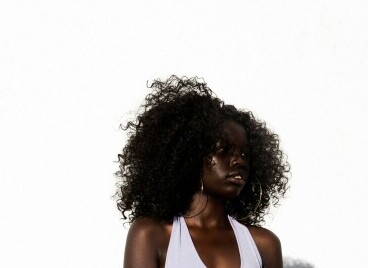
While these styles are often steeped in cultural significance, they’ve also stormed the runways and the red carpet, influencing global fashion trends. Celebrities and influencers have been pivotal in showcasing the elegance and diversity of Afro hair, inspiring others to embrace their natural textures.
Let’s not ignore the innovation required for Afro styling techniques, from intricate cornrow patterns to long, elegant locs. It’s not just changing your look; it’s about exploring a wide range of styles that feel right for you. Embracing this versatility encourages more freedom of expression and strengthens cultural identity, helping to enhance the beauty and proud history associated with Afro hair.
The Truth About Afro Hair Care and Maintenance
Taking care of Afro hair is a journey that often involves a bit of learning, given the unique structure and needs it has. There’s a common misconception that Afro hair is resilient to all conditions, but it actually requires just as much love and attention as any other hair type.
Afro hair is typically more prone to dryness because its curls and coils make it harder for natural oils to travel from the scalp to the ends. This means that moisturizing is key. Products rich in natural oils like shea butter, coconut oil, and jojoba oil can work wonders in keeping those curls hydrated and looking their best.
There’s also a myth that Afro hair can’t be washed frequently. Sure, it’s a balancing act – too much shampooing can strip away essential moisture, but proper buildup removal is also crucial. Finding the right wash schedule that keeps the hair clean and healthy without overdrying is essential.
Going natural, many have found solace in hair care brands specifically formulated for Afro-textured hair. These brands celebrate and cater to its unique needs, offering products that enhance hair health while being free from harsh chemicals that may cause damage.
Learning the right techniques is important. Whether it’s detangling with care using a wide-tooth comb, or protective styling to minimize breakage, there’s a rhythm to Afro hair care that, when mastered, opens up a world of styling possibilities that keep hair strong and vibrant.
Afro Hair and Cultural Identity: More Than Just Aesthetic
Afro hair goes beyond the surface as a powerful part of cultural identity. It’s not just about how it looks; it’s about what it represents for those who proudly wear it. From the intricate styles passed down through generations to the modern adaptations we see today, Afro hair is a symbol of cultural pride and resilience.
In many communities, how one wears their hair is a form of self-expression and cultural celebration. It’s a statement of identity, a visual way of connecting with cultural roots. For many, maintaining traditional hairstyles connects them to their ancestors and gives them a sense of unity and belonging.
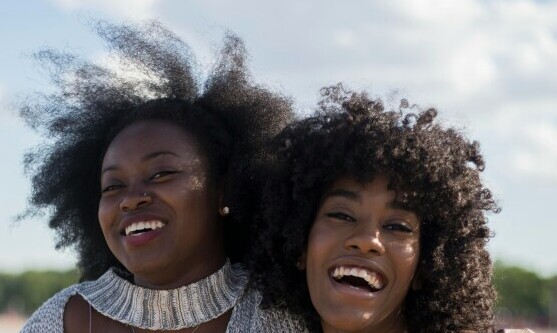
Afro hair has also served as an act of resistance. During times when natural hair was not embraced, wearing it authentically became a form of defiance against the assimilation into mainstream beauty ideals. Movements like Black Power in the 1960s and 70s saw Afro hair as a bold statement of pride and empowerment. The movement didn’t just champion the aesthetics but sought to redefine societal norms surrounding beauty and identity.
Today, there’s a growing community movement centered around embracing and educating others about Afro hair. Social media platforms have become dynamic spaces where people share styles, tips, and stories, fostering a supportive environment that encourages all to embrace their natural beauty.
Celebrating Afro hair isn’t only about honoring the past; it’s about recognizing its role in shaping identity today and its continuing impact on future generations. It’s about understanding that Afro hair carries with it narratives full of history, pride, and strength. By embracing Afro hair, you’re also honoring the stories and cultural richness that come with it.
-
Story Of Afro Hair Trends Worldwide
Afro hair has a rich and fascinating history, and it’s been on quite the journey! From ancient African societies where hair conveyed social status, tribe, and identity, to its impactful statement in the cultural movements of the 1960s and 1970s. Afro hair isn’t just about styles—it’s a whole vibe that tells stories.
During the Black Power movement, Afro hair became a powerful symbol of pride and defiance against societal norms that pushed Eurocentric beauty standards. Iconic styles like the voluminous Afro were not just about aesthetics but represented a reclaiming of cultural identity.
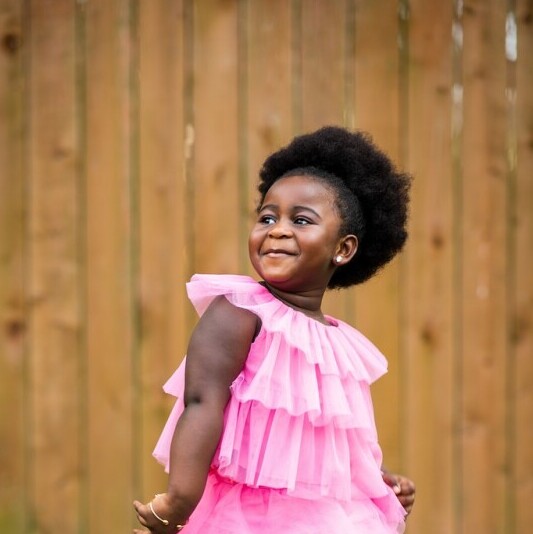
With fashion and media playing a huge role, Afro hairstyles have continuously reinvented themselves. Remember the influence of celebrities rocking cornrows and twists on our screens? How these styles cross borders and appear in high-profile magazines is testament to Afro hair’s dynamic nature.
These days, we’re witnessing a glorious revival of traditional styles but with fresh twists. People are rocking Bantu knots with a whole new flair or flaunting their natural textures in ways that celebrate what our hair can do. It’s about embracing the narrative that our hair is versatile, expressive, and ours to define.
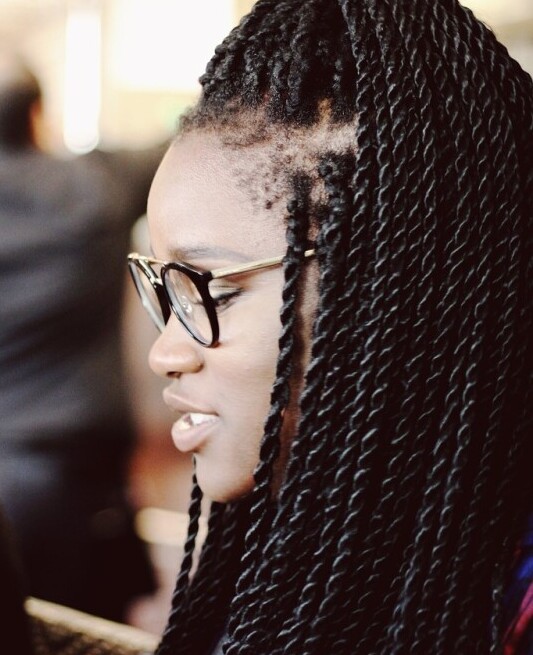
Through time, Afro hair has always been more than just a trend—it’s an ever-evolving story of identity, culture, and empowerment. So whether you’re looking to rock something classic or invent a new look, know you’re part of this amazing legacy.
Contemporary Afro Hair Styles and Their Cultural Significance
Afro hair today is brimming with creativity and expression, showcasing everything from striking braids to free-flowing natural fros. These styles aren’t just eye-catching—they’re steeped in meaning and connected to cultural narratives that elevate their allure.
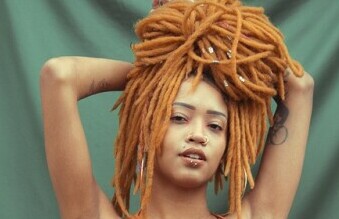
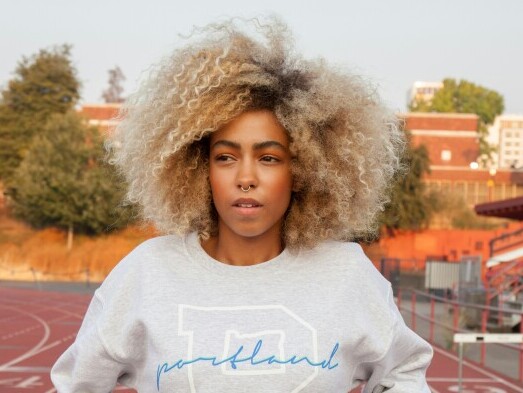
Popular trends now include protective styles like box braids and twists—practical yet stunning ways to embrace natural hair while safeguarding it from environmental stressors. More than just fashion, these styles are about maintaining the health and strength of your hair.
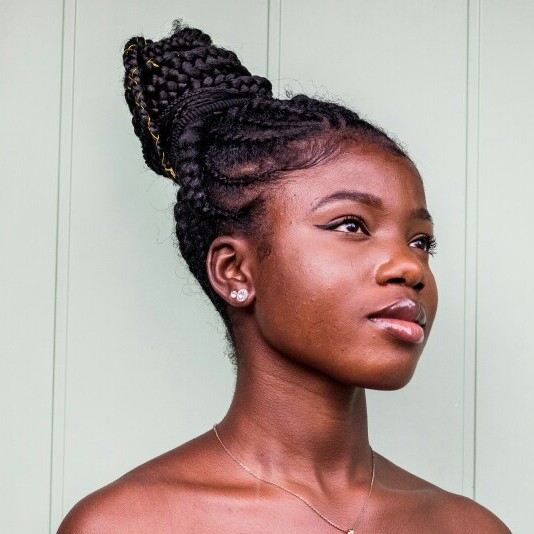
Having a natural fro is back in a big way, not just as a nod to past eras but as a bold statement of self-love and authenticity. It’s about celebrating what naturally grows from your head and taking pride in it, no additives needed.
Social media has become a powerful platform for Afro hair, where influencers and everyday folks alike are spreading the beauty and versatility of Afro styles across the globe. It’s a place to learn, share, and redefine what Afro hair means today—tapping into a community that celebrates diversity.
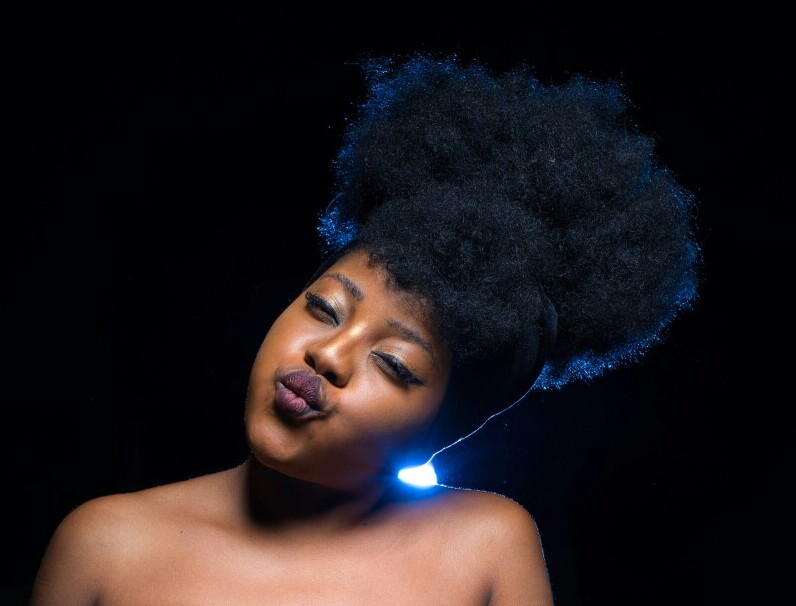
Afro hair is often tied to identity and pride. When we embrace these styles, we’re challenging stereotypes and reshaping societal norms about beauty. It’s about recognizing and honoring the cultural significance these styles hold, making a statement just by being unapologetically you.
The contemporary Afro hair scene is a vibrant tapestry of innovation and tradition. Whether you’re all about pushing trends or sticking to what feels true to you, what’s important is the story you’re telling through your unique style.
The Future of Afro Hair Trends: Innovation Meets Tradition
Afro hair styling is on the brink of a thrilling evolution, blending traditional artistry with modern-day innovation. The fusion of these elements is creating a unique path for future trends that are both cutting-edge and rooted in rich cultural heritage.
Upcoming trends highlight the return to natural aesthetics, where texture and volume lead the way. Don’t be surprised to see more individuals flaunting their natural coils with pride, embracing a DIY spirit that encourages personal flair and experimentation.

The convergence of technology and tradition is reshaping Afro hair care in exciting ways. New tools and products are emerging to help maintain natural styles with ease and efficiency, catering to various hair types and needs. Virtual influencers and platforms provide a wealth of tutorials and resources, making sophisticated styles attainable for everyone.
Many hair care brands are focusing on sustainability and ethical sourcing, ensuring that future trends also align with eco-friendly values. Products crafted with natural ingredients not only promise healthier hair but also reflect a commitment to protecting our planet.
The future of Afro hair is all about coalescing innovation with history—creating styles that are as forward-thinking as they are respectful of the past. So whether you’re considering trying a fresh look or preserving your cultural heritage while introducing modern flair, you’ll be riding the waves of this evolving trends.
-
Protective Styles With Marley Hair
If you’re looking to switch up your hairstyle while also promoting your hair’s health, protective styles might just be the perfect route for you. And that’s where Marley hair enters the picture. But what is it, really? Well, it’s a type of synthetic hair named after the iconic musician Bob Marley because of its natural texture that closely resembles Afro-textured hair.
Protective hairstyles such as twists, braids, and buns serve a greater purpose than just looking good. These styles tuck away the ends of your hair, shielding them from environmental stressors like harsh weather and reducing manipulation, which can lead to breakage. Using Marley hair for these styles offers a seamless blend with your natural hair, which is both aesthetically pleasing and beneficial for hair health.
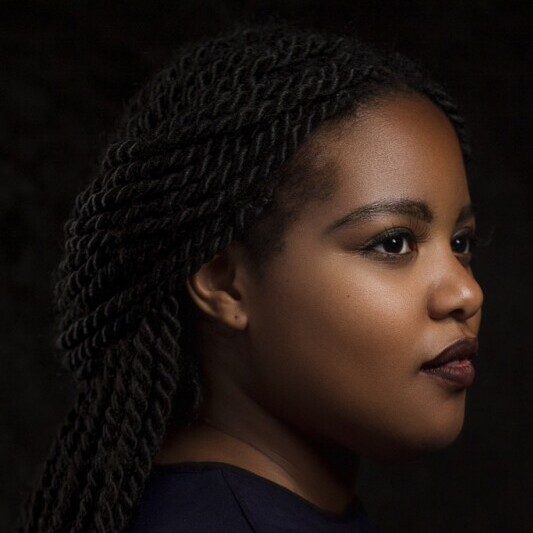
One of the key benefits of Marley hair is its versatility. No matter your hair type, you can find a style that’s going to include this hair to provide protection and ease of maintenance. Plus, it’s soft, lightweight, and can be easily manipulated to match your desired look. Choosing a protective style that uses Marley hair isn’t just about safeguarding your tresses, it’s also about expressing your personal style without compromising hair health.
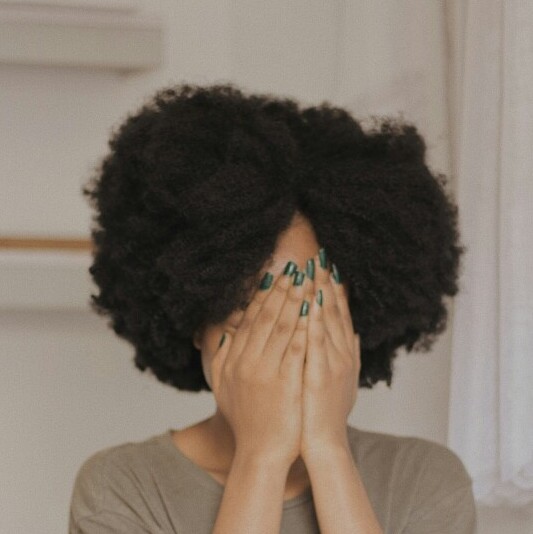
You’re going to find out about how to select the perfect match for your protective hairstyle in the next section. Choosing the right Marley hair is more than picking a color or texture, it involves understanding which quality of hair supports longevity and meshes well with your natural texture. I’ll walk you through this process, ensuring you make an informed choice for that perfect protective style.
Choosing the Right Marley Hair for Your Protective Style
You’re probably wondering how to pick the best Marley hair for your next protective hairstyle. It’s not just about grabbing a pack off the shelf; you need to consider a few key factors to ensure you’re making the right choice for your hair’s health and the style’s longevity.
First up, let’s talk quality. High-quality Marley hair will feel soft to the touch, be easy to handle, and most importantly, be gentle on your natural hair. Look for reviews or ask your hairstylist for recommendations to pinpoint the brands that are known for their superior quality.
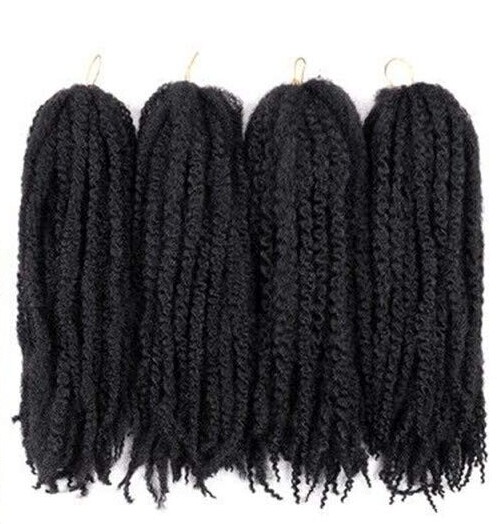
Length and color come next. Are you going for a short, chic look or long, voluptuous twists? Marley hair comes in a variety of lengths and an array of colors to match your natural hair or give you a new, vibrant look. Remember, the longer the hair, the more packs you might need.
I want to give you a heads up about something crucial: the differences in texture. Not all Marley hair is created equal, and you’ll find that some textures blend better with certain hair types. If you’re unsure, opt for a texture that closely resembles your own; this will not only look more natural but also prevent tension on your roots.
Now, when it comes to shopping, choose something that resonates with you and your budget. It can be tempting to skimp on cost, but cheaper options sometimes lead to disappointment. It’s a fine balance between affordability and quality. Trusted brands often mean a slightly higher price tag, but you’re really investing in your hair’s well-being.
There are a couple of pitfalls you want to avoid—low-grade synthetic hair that’s too shiny and plastic-like, which can look unnatural, or hair that’s excessively coarse, which can cause damage to your natural strands. Get to know the hallmarks of good Marley hair and keep them in mind while you browse.
Step-by-Step Guide to Creating Protective Styles with Marley Hair
I’m going to walk you through how to bring those protective styles to life using Marley hair. First things first, you want to get your natural hair ready. That means washing, deep conditioning, and thoroughly detangling your hair. For the Marley hair, a good pre-installation step is to soak it in apple cider vinegar mixed with warm water to prevent any itching.
Now, you’re going to find out about some of the most popular protective styles with Marley hair. Let’s tackle twists, for starters. They’re not just protective; they’re also relatively easy to do. Part your hair into sections, attach the Marley hair at the roots, and twist away. Remember to seal the ends with a little boiling water or a lighter (but be extra careful). Depending on the brand you have gained some will not need to be dipped in water.
Braids are another style you can achieve with Marley hair. You can choose box braids, crochet braids, or even goddess braids. The process is similar to twists: section, attach, braid. Secure the ends, and you’ve got a braid that’s ready to last.
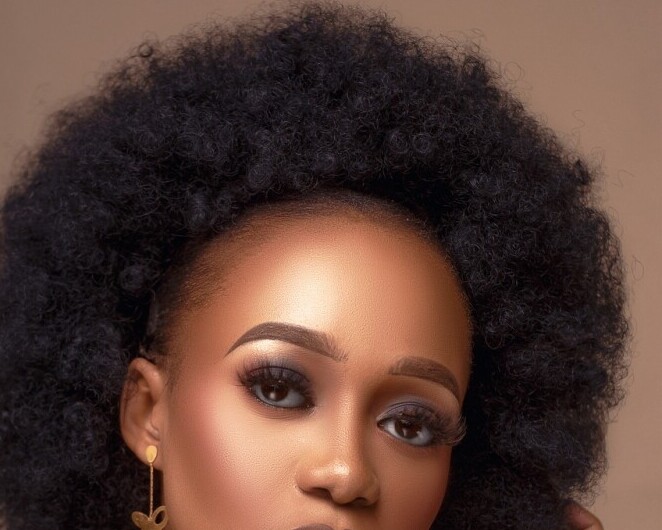
For those who prefer an updo, Marley hair can be fashioned into a faux bun or pompadour. Secure your natural hair into a tight base, and then wrap the Marley hair around to create volume and shape. Add in some hairpins, and voila, elegance meets protection.
Don’t worry too much about perfection on your first try. This is all about preserving your natural hair’s health with a style that resonates with you. Choose something that you’re comfortable wearing and that you feel confident in maintaining.
You can always adjust your approach down the road. If a style feels too tight or causes discomfort, take it down. Your edges will thank you. And speaking of maintenance, that’s going to include regular scalp care and cleansing – but more on that shortly.
Solving Common Challenges with Marley Hair Styling
Marley hair is a popular choice for protective styles, but like all good things, it can come with its set of challenges. Don’t worry too much about this; there are solutions to common issues you might encounter. Let’s tackle a few of them together.
Tangling is possibly the most frequent issue you’re going to face. Marley hair is known for its kinky, coily texture which means it can sometimes get interwoven with itself. The trick here is to handle the hair gently and use a wide-tooth comb or your fingers to detangle, starting from the tips and gradually working up to the roots. If you have a spray bottle you can use it also to untangle the hair easily.
Feeling itchiness on your scalp? This isn’t just an annoyance; it can also lead to more serious scalp problems. Often, a good wash before installation can remove any coating on the fibers that may cause irritation. If the itchiness persists, consider using a soothing scalp oil or spray for relief.
If your style feels too bulky, then it might be a case of using too much hair. Remember, choose something that resonates with you and what’s comfortable for your head and neck. For next time, you can always adjust your approach down the road by using less hair to achieve a lighter feel.
Your protective style is meant to be both stylish and functional, but there comes a time when you need to know when to take it down. Too much time with a protective style can turn counterproductive, leading to tangles and matting of your natural hair. A general guideline is to remove and replace your style every six to eight weeks.
I really hope that you take these troubleshooting tips to heart since they’re going to help extend the life and look of your Marley hair protective styles. In the next section, we’re going to discuss how to sustain healthy hair beneath your protective style, which is key to maintaining overall hair health.
Sustaining Healthy Hair Beneath Your Protective Style
I’m here to help you with keeping your natural hair healthy while it’s tucked away in those gorgeous Marley twists or braids. This isn’t just about maintaining the protective style; it’s also about caring for the hair beneath to ensure it’s as strong and healthy as when you first styled it.
Moisture is your best friend when it comes to protective styling. You’re going to find out about simple moisturizing practices that keep your hair hydrated, like using a leave-in conditioner or a daily spritz of water mixed with essential oils.
Protective styles can sometimes become a breeding ground for bacteria if not properly taken care of. I’ll share a straightforward scalp care regimen, so you can prevent buildup and keep your scalp fresh and healthy.
In my opinion, taking down your protective style is as important as putting it up. I’ll guide you on the signs to look for that signal it’s time for a change and how to safely remove your Marley hair without causing breakage to your natural locks.
Lastly, remember that if you’re ever in doubt about the health of your hair or scalp, it’s entirely okay to seek advice from a professional stylist. They can provide targeted solutions to ensure your hair journey is a success.
Just don’t focus too much on perfection; protective styling is a learning process. Your first attempt doesn’t need to be your last. Switch up your styles, choose something that resonates with you, and enjoy the journey of maintaining luscious locks beneath your protective Marley hair.
-
Creating Heat Free Curls With Flexi-rods
I’m going to kick things off by talking about why heat-free hairstyling is catching on. We’ve all heard the warnings about heat damage from curling irons and hair straighteners, but it’s not just scare tactics. Excessive heat can seriously sap the strength and shine from your locks.
Now what are flexi-rods? They’re simple tools for creating curls, designed to be gentle on hair. These bendable, foam rods come in various sizes and they’re game-changers for those who want to ditch heat. Choosing flexi-rods means you’re opting for a health-first approach to hairstyling.
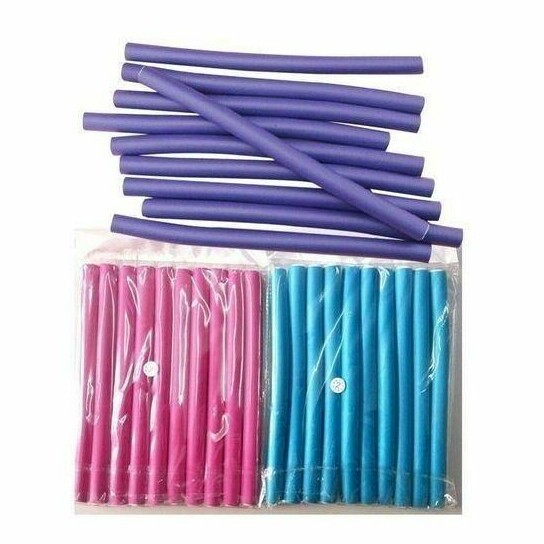
This isn’t just about avoiding damage; it’s also about embracing a healthier routine that promotes hair integrity over time. I’m here to guide you through the process of achieving bouncy, beautiful curls without the risk associated with heat styling.
By the time you finish this article, you’re going to find out how to select the right flexi-rods for your hair and master the technique of creating heat-free curls that last. So let’s prepare to roll into the next section, where we’ll delve into choosing the perfect flexi-rods for your hair type.
Choosing the Right Flexi-Rods for Your Hair Type
If you’re eager to get started with flexi-rods, the first thing you’ll need to understand is that not all rods are created equal. They come in a variety of sizes, and each size serves a different purpose. So, I’m going to help you navigate the sea of options and choose the right flexi-rods for your unique hair type.
Let’s talk about size for a moment. Flexi-rods range from about 7/16 of an inch to 7/8 of an inch in diameter. Generally, the narrower the rod, the tighter the curl. If it’s tight, springy curls you’re after, you’re going to want to go for the smaller sizes. On the flip side, for looser, beachy waves, the larger ones will be your best bet.
Now, the texture and length of your hair play a big role in your flexi-rod choice. For those with fine or relaxed hair, smaller rods can create curls without much overlap, which can prevent tangles and breakage. Thick or coarse hair might need larger rods to handle the volume and weight of the hair. And if you have particularly long hair, you’ll want a flexi-rod that can take on the entire length without doubling up too much.
If you’re a beginner, don’t worry too much about getting it perfect on the first try. It might take a couple of attempts to find the size that resonates with you. A good starting point is to grab a mixed pack of flexi-rods, available at most beauty supply stores or online. This way, you can experiment with different sizes and see what works best for your hair without committing to just one size.
Next up, I’m going to walk you through the step-by-step process of actually using these flexi-rods to achieve beautiful curls. This includes everything from how to prepare your hair for the best results to the actual technique of wrapping your hair around the rods. So let’s move on to creating those gorgeous, heat-free curls.
Step-by-Step Guide to Creating Curls with Flexi-Rods
I’m going to walk you through creating bouncy, beautiful curls using flexi-rods, and no, you won’t need any heat at all. This method is gentle on your hair and can yield impressive results overnight or with a few hours’ patience.
First things first, you’ll want to start with clean, damp hair. Why damp? Because it sets the stage for long-lasting curls. Just make sure it’s not sopping wet to avoid long drying times and potential discomfort.
Sectioning your hair is crucial. Use clips to divide your hair into manageable parts, working with one section at a time. This ensures even coverage and uniform curl size. Aim for smaller sections for tighter curls and larger ones for looser waves.
Now, you’re ready to roll – literally. Take a small section of hair, apply a styling product for hold, and wrap the end of your hair around the flexi-rod. Then, roll the rod up towards your scalp and bend the ends of the flexi-rod to secure it in place.
It might take a couple of tries to get the hang of it, but don’t worry too much about perfection on your first go. Consistency comes with practice. Once all your hair is rolled up, you can either let it air dry or speed up the process with a hooded dryer on low heat, staying mindful that the goal is to avoid heat damage.
Time is your friend when it comes to setting your curls. Leaving the flexi-rods in for at least five hours or overnight is ideal. Trust me, the wait is worth it for those heat-free, healthy curls.
Maintaining Your Flexi-Rod Curls
Once you’ve achieved those perfect curls without the heat, you’re going to want to make the most of them. Here’s how to keep those waves looking fresh and bouncy.
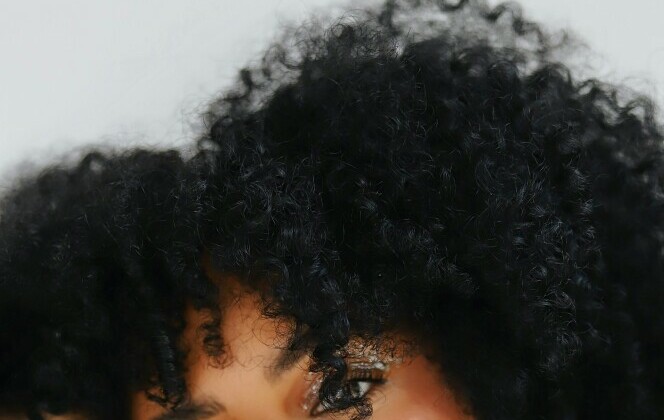
First off, let’s talk about nighttime routines. The age-old pineapple method, where you loosely gather your curls at the top of your head, really does wonders. You might also consider a silk or satin bonnet – your curls will thank you for the reduced frizz and maintained moisture.
Now, when it comes to products, choose wisely. A light holding spray can add longevity to your curls, but steer clear of anything that weighs them down. For touch-ups, a dab of hair oil on the ends will help to combat dryness without sacrificing the bounce.
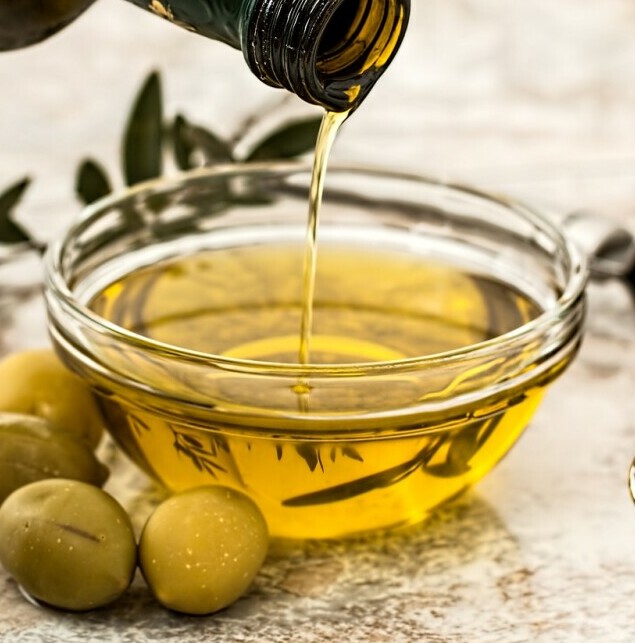
As for the dos and don’ts: DO sleep on a satin or silk pillowcase if you can. It’s a game-changer. DON’T disturb your curls too much when they’re set. Let them live their best life without too much manipulation.
On the off chance your curls start to fall flat, revive them with a spritz of water and a little finger coiling. It’s a simple method that brings back definition and movement.
That said, perfecting the upkeep of your curls is a journey. Some trial and error are involved, but don’t worry too much about getting everything right from the get-go. You can always tweak your approach as you learn what works best for your hair.
Wrapping It Up: The Final Take on Flexi-Rod Curls
I hope by now you’ve become a bit of a flexi-rod enthusiast. And why wouldn’t you? It’s a fantastic method for getting long-lasting curls without exposing your hair to heat damage. Practice, as they say, makes perfect, though you don’t need to strive for perfection. Even if your first few attempts aren’t flawless, the health of your hair will thank you for the effort.
Remember, encountering a bump or two along your curling journey isn’t a cause for concern. Whether you’re dealing with uneven curls or the occasional rogue rod that won’t sit tight, it’s all part of the learning process. Adjust your approach as you go – you’ll find out that each time you do it, you’ll get better and quicker at it.
Choose products that resonate with you, and don’t shy away from experimenting with different techniques. Everyone’s hair is unique, and the beauty of flexi-rods is that they can cater to a huge variety of hair types and desired styles. So go ahead and embrace the versatility they offer.
I really hope that you feel confident in giving these heat-free wonders a whirl. Your hair is a canvas, and flexi-rods are just one more tool in your styling arsenal. Enjoy the curls, the compliments, and the satisfaction that comes from knowing you’re keeping your hair healthy. So my question to you today is, when are you planning to start your heat-free curl journey?
-
Protective Styling To Prevent Hair Breakage On Afro Natural Hair
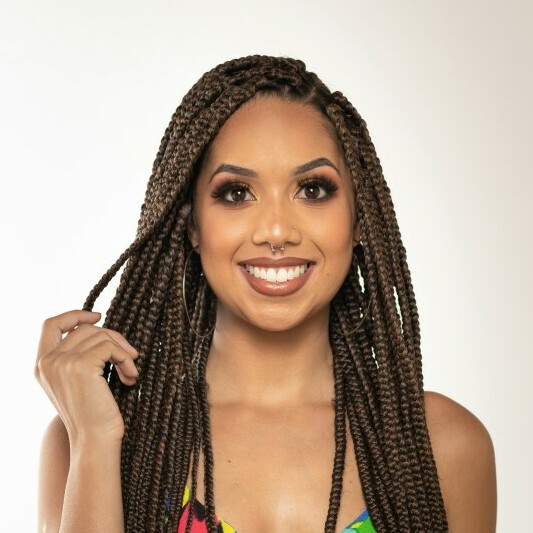
Protective styling isn’t just a set of hair techniques; it’s a crucial approach to maintaining afro natural hair’s health and vitality. It involves tucking away your ends, which are the oldest and most fragile part of your hair, to shield them from daily environmental stress.
One of the main reasons you’re going to find protective styling so beneficial is its ability to help you retain hair length. By keeping your ends safe from mechanical damage like rubbing against clothing or rough surfaces, the likelihood of breakage drops significantly.
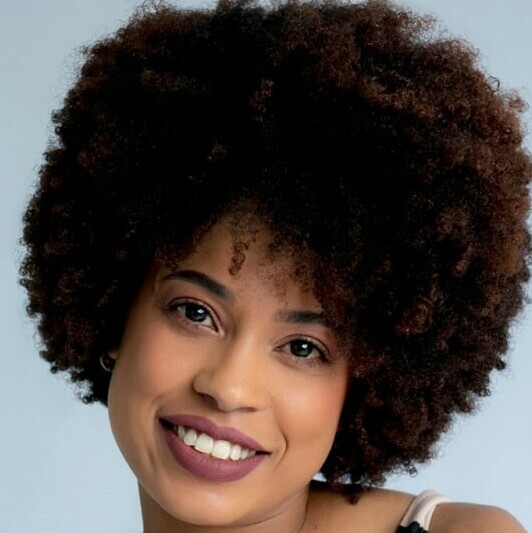
Moreover, afro-textured hair thrives on moisture, and protective styles are great for keeping that vital hydration locked in. When your hair is styled in such a way that it doesn’t constantly lose moisture, it stays stronger and more resilient. A good moisture balance directly correlates with fewer split ends and breakage.
Now, this isn’t just hearsay. There’s a firm scientific basis behind it. Experts agree that reduced manipulation of your hair—achieved through styles that don’t require daily combing or styling—can contribute to length retention and overall hair health. It’s all about minimizing the stress on your hair strands.
Next, you’re going to learn how to choose the best protective styles that suit your hair type and complement your lifestyle. This includes knowing which styles work best for your hair’s texture and porosity, and how to personalize these styles to align with your daily routine and personal flair.
Choosing the Best Protective Styles for Your Hair Type and Lifestyle
In my opinion, not all protective styles are created equal, especially when it comes to afro natural hair. Your unique hair texture and lifestyle should guide your choice. I’m here to help you with that decision.
Let’s talk about the factors that should influence your choice. Think about your daily routine, the time you can dedicate to hair maintenance, and how your hair reacts to different styles. For example, if you’re an active person, you might prefer a low-maintenance style that stays intact during workouts.
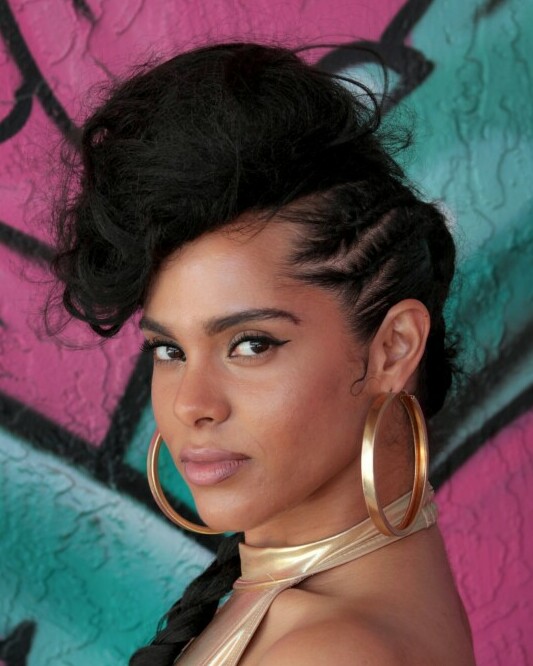
You’re going to find out about some popular protective styles now. Braids, like box braids or cornrows, are classics for a reason. Twists are another go-to, including options like Senegalese or passion twists. For those wanting less manipulation, updos or bun styles can be a great choice, keeping the ends tucked away and secure.
Choose something that resonates with you, but also be mindful of your hair’s needs. If your hair has low porosity, it’s better to opt for styles that don’t require frequent wetting and allow for easy product application.

Don’t worry too much about sticking to trends. A lot is happening very quickly in the world of hair fashion, but the best protective style for you is one that protects your hair and fits seamlessly into your life. Next, we’ll delve into how to install these styles without inviting damage, because the last thing you want is a style that’s supposed to protect your hair to be the cause of harm.
Essentials Techniques for Installing Protective Styles without Causing Damage
Pre-styling hair care is crucial for maintaining strong, breakage-resistant strands. Before you even begin braiding or twisting, ensure your hair is clean, moisturized, and detangled. Using a leave-in conditioner or a light protein treatment can fortify your hair’s natural structure, making it less prone to snapping under strain.
When it comes to the actual installation process, gentle handling is the name of the game. Start by sectioning your hair neatly and applying a nourishing oil or butter to seal in moisture. As you weave each section, be mindful of the tension you’re applying. Your roots should feel secure, but never painful.
Speaking of tension, it’s the enemy of healthy edges. Over-tightening can lead not only to immediate discomfort but also long-term damage like traction alopecia. If you’re installing braids or twists, they should be snug but comfortable, allowing for natural movement without pulling at the scalp.
Lastly, while DIY styles save money, don’t underestimate the value of a seasoned professional stylist. They have the expertise to choose the right tension for your hair type and can offer personalized advice for your specific needs. If you decide to go to a salon, make sure you communicate any concerns you have about tension and scalp health.
Maintaining Your Protective Style for Optimal Hair Health
Nurturing your protective style isn’t just about looking good; it’s a crucial element in keeping your afro natural hair healthy. Let’s talk about some daily maintenance tips that can make all the difference. Regular scalp care is paramount. You’re going to find out about lightweight oils and sprays that can refresh your hair without causing build-up.
If you want to avoid dryness and promote growth, I’m here to help you with some product recommendations and do-it-yourself solutions that are kind to your hair and pocket. This is where a good hydrating spray infused with essential oils like peppermint or tea tree can provide both moisture and a healthy scalp environment.
But remember, even the best protective styles have an expiration date. You’ll need to know the signs that suggest it’s time to free your locks and let them breathe. Prolonged tension can lead to damage, so don’t worry too much about stretching your style beyond its healthy lifespan.
After removing your protective style, think hydration, hydration, hydration. Your hair has been tucked away, and now it’s craving moisture. Treat it to a deep conditioning session to restore elasticity and shine. Maybe you’ve been dreading the take-down process, but it’s also an opportunity to check the health of your hair and give it the TLC it deserves.
-
10 Essential Products For Afro Care
I am writing this article to provide a list of the products that I use for my hair. As mentioned previously my hair is low-porosity therefore most of the products tend to sit on my hair which means that once the product gets dry then I will get residue on my hair which would make it flaky. However fortunately there are many products in the market that work well on low-porosity afro hair. This article will focus on products that work well on low-porosity afro-hair.
Understanding Your Afro: The Journey to Perfect Hair Care
- The complex nature of afro-textured hair
As you are aware, there are various afro-hair textures which makes it a little complex when it comes to selecting the right product for your hair type. An individual with high-porosity or even thicker hair cannot get a product that is unsuitable for their hair type and vice versa. We also cannot forget the differing hair textures which impact what types of treatments can be used.
- The impact of hair porosity on product absorption: Low-porosity insights
Low-porosity hair tends to have products sit on the hair shaft and accumulate so you need to have a way of utilizing the right type of products that do not build up. If you use the wrong products, your hair will probably look good for some time, however you will find that it is drier and not in the best condition. It can also get fragile through the frequent use of the wrong product type.
- Importance of recognizing your unique hair needs
You must recognize your hair needs because it makes it easy to know what you can use. As individuals, even in a family, there is a possibility that there are different hair types. What may work for one individual may not work for another person in the family. Instead of looking at what others are doing with their hair and using their product, it’s important to seek what is good for you. Sometimes you can experiment with different types of items but that can be a waste of resources.
- Preview of the tailored product list for optimal afro care
I will be providing a few products that I have used consistently and they have worked extremely well on my hair. I would say the most basic and useful are the oils and I know that for some individuals these may not work however a basic for me is hair oil. I make sure that it has fewer ingredients as those work a lot better for me than those that contain too many things.
A quick list would be shea butter, jojoba oil, or olive oil. I would also have coconut oil but that may not work for other individuals. In terms of shampoos, I just stay away from those with sulfates as it dries my hair. The list below is just a basic and if you have other items that you use then it should not limit you.
The Top 10 Must-Have Products for Your Afro Care Routine
- Hydrating shampoos: Foundation for clean and moisturized hair
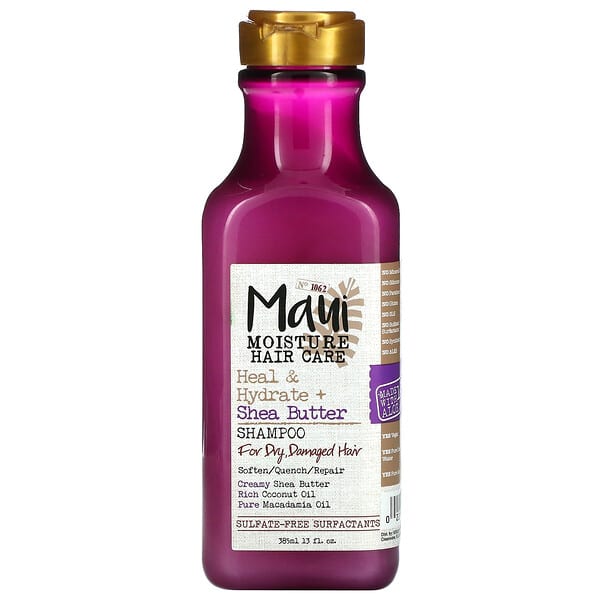
I have 2 favorite shampoos that I use and depending on when I find them they are my go-to every time. The first one is Maui for dry and damaged hair, I love this shampoo because it’s moisturizing and it just gives my hair a really good feeling. It keeps it hydrated and I always get it during a sale. The cost of this shampoo ranges from $11.46 – $15.00 however I normally, get it on iherb
 Another great item that I also love to use if I don’t get Maui is the Giovanni tea tree triple treat, this one makes my hair feel like it’s so soft and smooth. It was a Shampoo that I was a little unsure about initially, however, once I used it I had no doubts. It also ranges in price from $ 10 – $12. I like it because during winter my scalp gets dry and when I use this it’s not as dry. It smells great as well. It’s also great for different hair types not just curly hair. iherb is a great place to get them.
- Deep conditioners: Penetrating low-porosity hair for maximum hydration
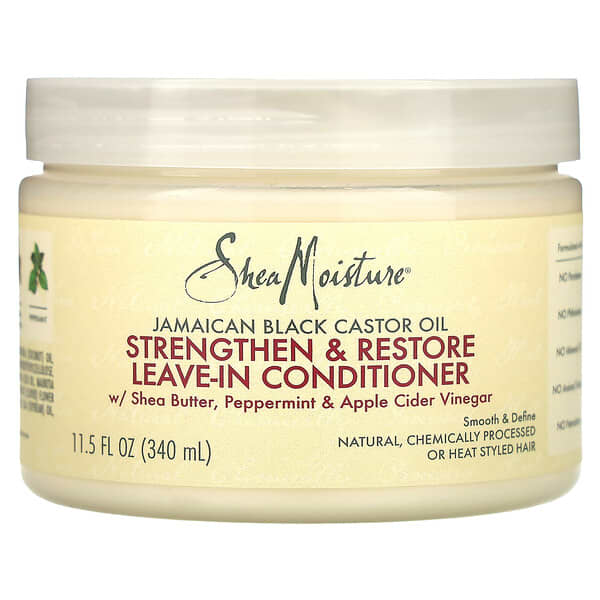
I only use one type of deep conditioner, although I find with the right shampoo, I tend to use it once a month. If I don’t have the right shampoo then I will use it more often. I am not too picky with conditioners because many of them are quite moisturizing. However, if I should say a favorite, It would be the Shea moisture brand with the Jamaican black castor oil. If I have the Giovanni conditioner then I would use it. It normally goes for $11.17 typically on iherb
- Leave-in conditioners: Vital for ongoing moisture and manageability
My deep conditioner as listed above is also a leave-in conditioner so I don’t use any other product although I know that there are many types of leave-in conditioners in the market. If your deep conditioner can also be used as a leave-in conditioner there is no use in wasting money on additional products. I think the only thing that would help keep the leave-in conditioner on the hair is a steamer.
- Natural oils and butter: Sealing in moisture without heaviness
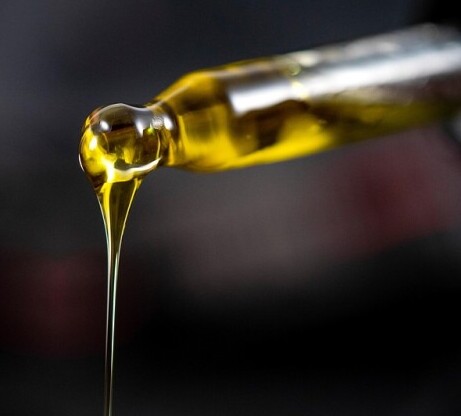
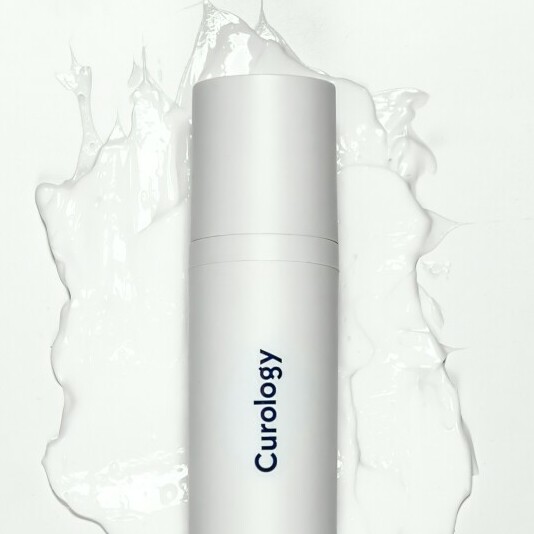
I tend to use lighter oils than heavier ones because they make my hair shiny and also absorb into my scalp rather than just sit on my hair shaft. One of the oils that I like to use is shown below:
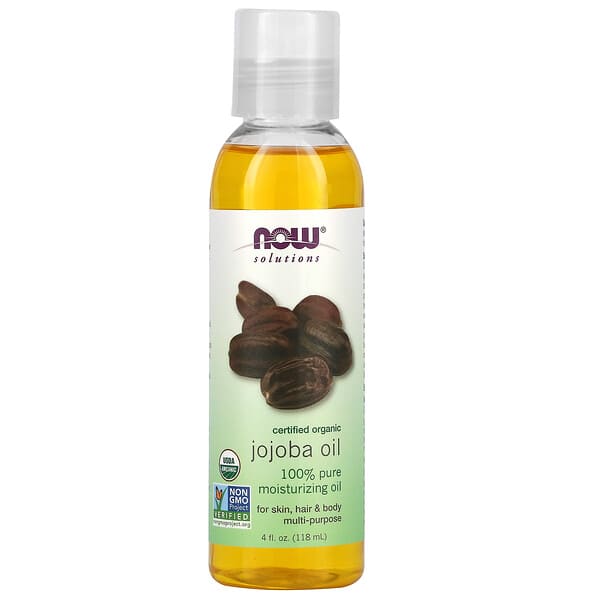 It’s now available for a limited period at $9.36 which is a great bargain as it normally goes for $11. 00.
- Protein treatments: Strengthening strands while preventing breakage
I tend to use protein treatments, however I prefer to get them after I have braided my hair rather than all the time. It helps after your hair has been in a protective style for some time. I normally mix it with an oil of my choice and keep it on my scalp for as long as I need. It goes for $2.00. I normally get a few of these because I don’t do it often but it’s a game changer especially if it’s something that you don’t normally do.
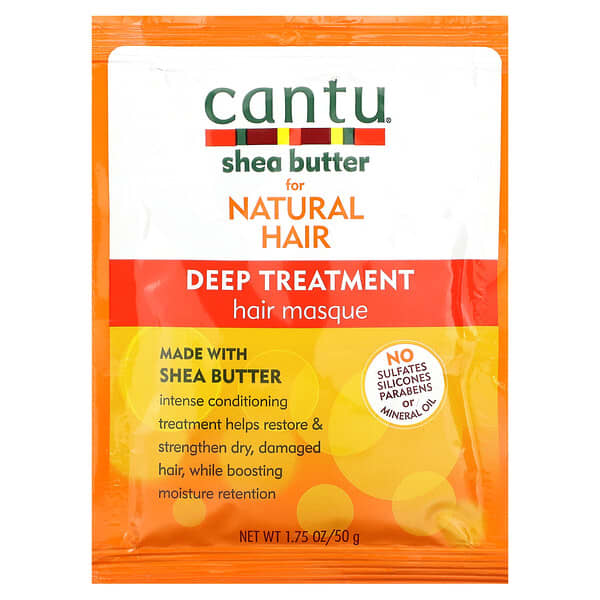
- Detangling tools: Gentle on curls and knots to preserve hair integrity
I think the most annoying thing for me is detangling my hair, however, I have found that whenever I use this detangling brush, I don’t think about it and it does not cause me a lot of stress. Now there are those amazing detangling brushes but I use the wide-tooth comb which has worked on my hair for a long time. You can get it for $2.00 or you can invest and get one that costs a little more.
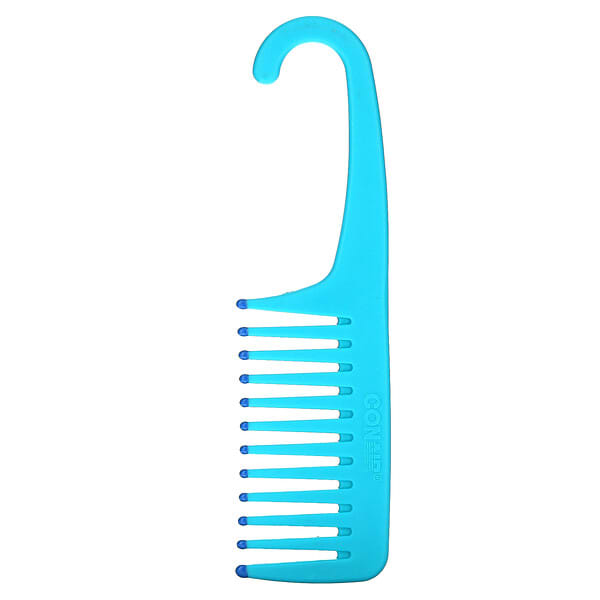
- Satin bonnets or pillowcases: Preventing damage and moisture loss at night
Satin bonnets are the best gifts and items, especially for bedtime, I remember the time when I had to tie my hair with a scarf, and when I woke up it may be on the pillow or just somewhere on the bed. I think when bonnets started getting more popular I was excited because I had more options in general and that just helped me. Now with satin bonnets, I am extremely particular about these. I invested in Grace Eleyae and I love it. These tend to cost a little more about $22.00 however the inner lining and the fact that you can use it when you sleep makes it easy to use.
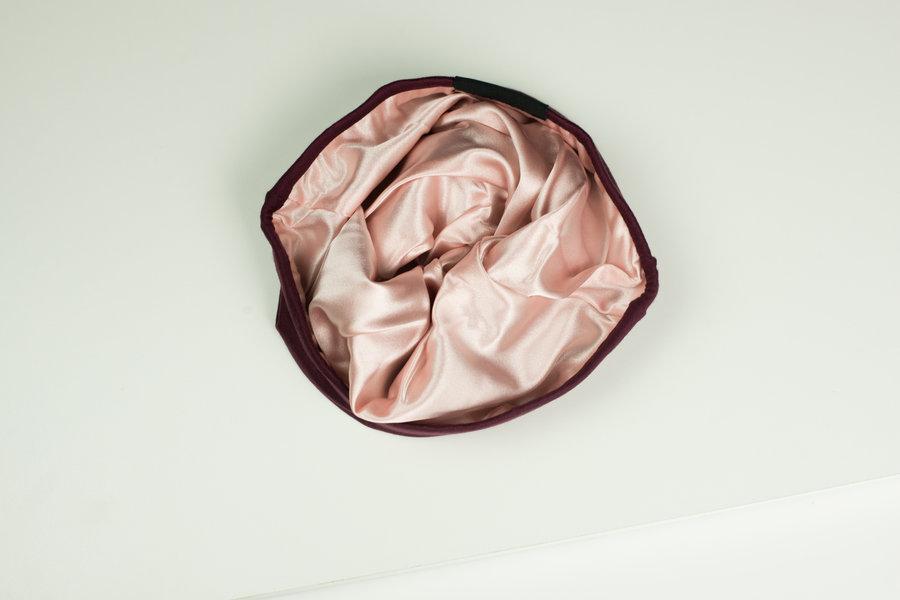
You can also get cheaper satin caps, but I did find that my bonnet lasted for a longer period and I did not have to replace it too soon.
- Styling products: Defining curls without build-up
I used to use many styling products, however, I realized that less is more, sometimes we use too much and all it does is cause build-up. I tend to stick to my hair oil just to keep the sheen but when I want to define my curls I would use kinky curly knot today. I liked it because it defined my curls and also when my hair was dry I would just use water to rehydrate it. The cost of kinky curly is $13.77.
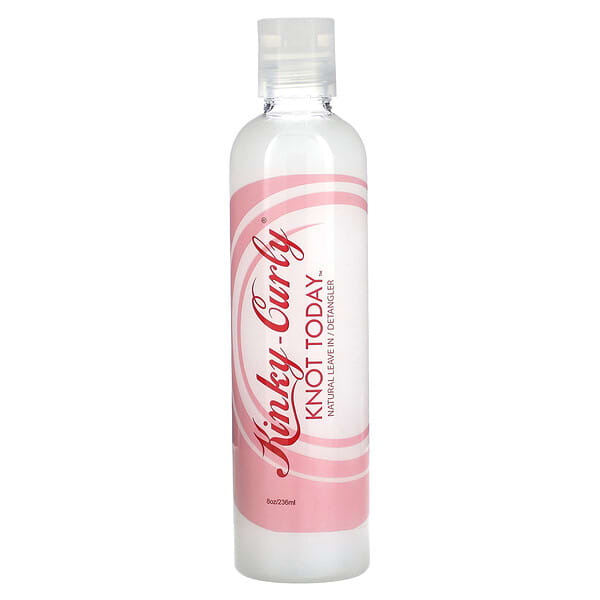
- Heat protectants: Safe styling for occasional heat use
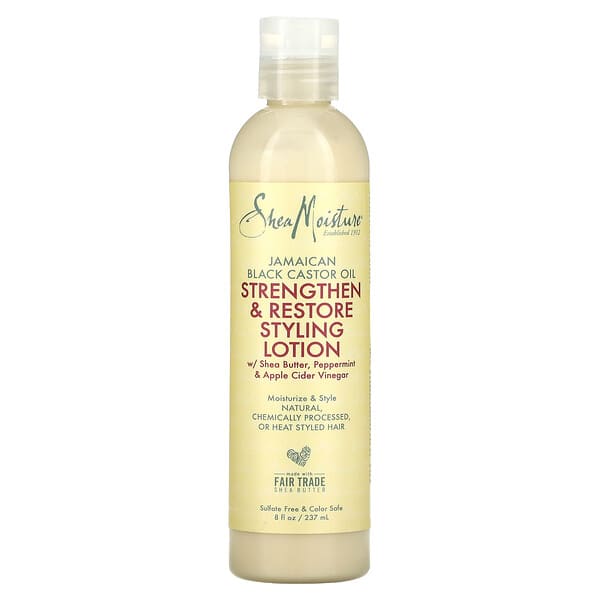
I rarely heat my hair nowadays because I found it to be quite an ordeal especially since in the beginning there was a range of products for afro-hair. If I should use a protectant for those rare occasions, then it would be the Shea Moisture brand. It’s $11.82 and it lasts for a long time because for me I don’t put the heat too much.
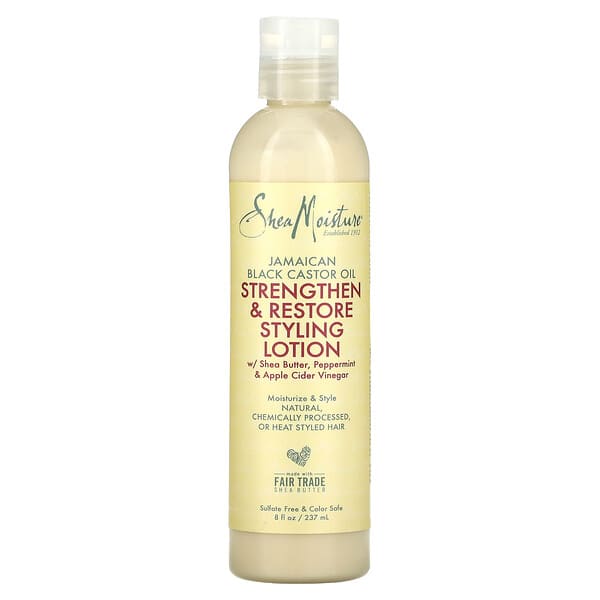
- Continuous hydration solutions: Mists and sprays for moisture upkeep
Everyone’s hair is different and some individuals tend to have hair that stays moisturized without too much upkeep. As for me, it’s important to use water or even a little oil throughout the week. Now if you would like to invest in a mist that is a personal choice but for me, it’s easy I normally just take my spray bottle which I get from the chemist, I add water and some liquid oil of my choice and I use that.
Personalizing Your Afro Care: Beyond the Essentials
- How to assess your hair’s uniqueness: Porosity tests and more
As mentioned in a previous article, it’s important to understand how porous your hair is because it helps you in selecting the right hair products. If you would like, I wrote an article on how to check the porosity of your hair and you can view it here.
- Learning from experience: Adapting care regimens based on trial and error
The biggest lesson I learned with trial and error is that it’s better to have fewer products than too many. Stick to what is working, the new product range may not be that great for you. YouTube, is a great platform to get reviews on many products and learn from others. Finally, it’s important to get a good hairdresser for your trims and also for them to give you a good analysis of what works for you.
- Balancing product effectiveness with personal preferences and lifestyle
If you have an active lifestyle, it’s not easy to work on your hair constantly, so you need to know what is the best way to look after your hair, for example, you must have a protective style often, you can do it with fewer products. This would probably mean that you would need to wash it a little more often. I would say establishing a specific routine would help in working on it faster. All these things do depend on how you can easily maintain the techniques you adopt. However, habits can easily be learned and changed as well.
Sustaining Healthy Afro Hair: Tips, Tricks, and Maintenance
- Routine setup: Crafting a consistent hair care schedule
In this section, I provide a simple routine you can use for your hair depending on what styling you have. For example, if you have a protective style, depending on how your hair is, normally I would make sure that each week I would refresh it and that would mean a wash for example drying it well and making sure I use a good moisturizer. Depending on the hair type some require to be moisturized every few days and others can take a little time.
- Environmental factors: Guarding your hair against external stresses
If you are an active individual always out and about it’s good to invest in a good hat or even wig, depending on what styles you like. If you are going to the gym, for example, have a good band for your hair.
- Healthy hair habits: Diet, exercise, and holistic care for optimal growth
Healthy hair starts from the inside, if you have a great diet and exercise regime then your hair will also be in good condition. If you are not looking after yourself then your hair will also be fragile. I have not talked about this because I want to write about this in the future.
Do you have a great hair care regime? I would like to know what works for you.
Please note that the prices are in AUD and the bonnet is the only one in USD.
Here’s a little transparency: Our website contains affiliate links. This means if you click and make a purchase, we may receive a small commission. Don’t worry, there’s no extra cost to you. It’s a simple way you can support our mission to bring you quality content.”
-
Threads of Time: A Historical Tapestry of Dreadlocks
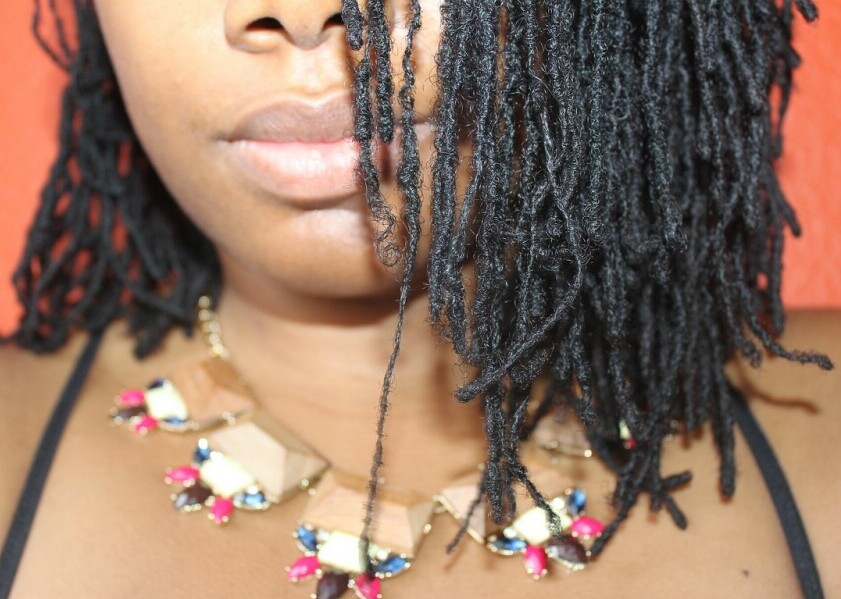
I will be working on something a little different today as I typically speak on other hair-do’s this time, I actually want to speak on locks. Most individuals would assume that the origin of locks would be in Africa, however, that is actually not the case. Unfortunately, locks have been linked closely with individuals who are dirty, smelly, unkempt, and viewed as ugly. Just like an experience, you must have dealt with them directly to know exactly how they are maintained and what it entails. Locks are the most natural hairstyle in many cultures.
Dreadlocks, a distinctive and culturally significant hairstyle, have a rich and diverse history that spans across continents and centuries. From ancient civilizations to modern-day subcultures, the journey of dreadlocks is a fascinating exploration of identity, spirituality, and cultural expression
History
The roots of dreadlocks can be traced back to ancient civilizations, with evidence suggesting that various cultures independently embraced this hairstyle. The earliest depictions of dreadlocks date back to over 2000 years ago, found in artifacts from Egyptian and North African civilizations. The intricate braiding and coiling of hair were not only a practical means of managing hair in arid climates but also held religious and cultural significance.
Before the early industrial revolution, it was well known that locks were mostly confined in India. In the Twentieth century, the lock movement began as a socio-religious movement in Harlem which is in New York. This movement was headed by a well-known Jamaican activist known as Marcus Harvey. African and Jamaican descendants were attracted to this movement. Most of the teaching followed was from various African tribes, the bible both the Old and New Testament and Hindu culture.
Religions
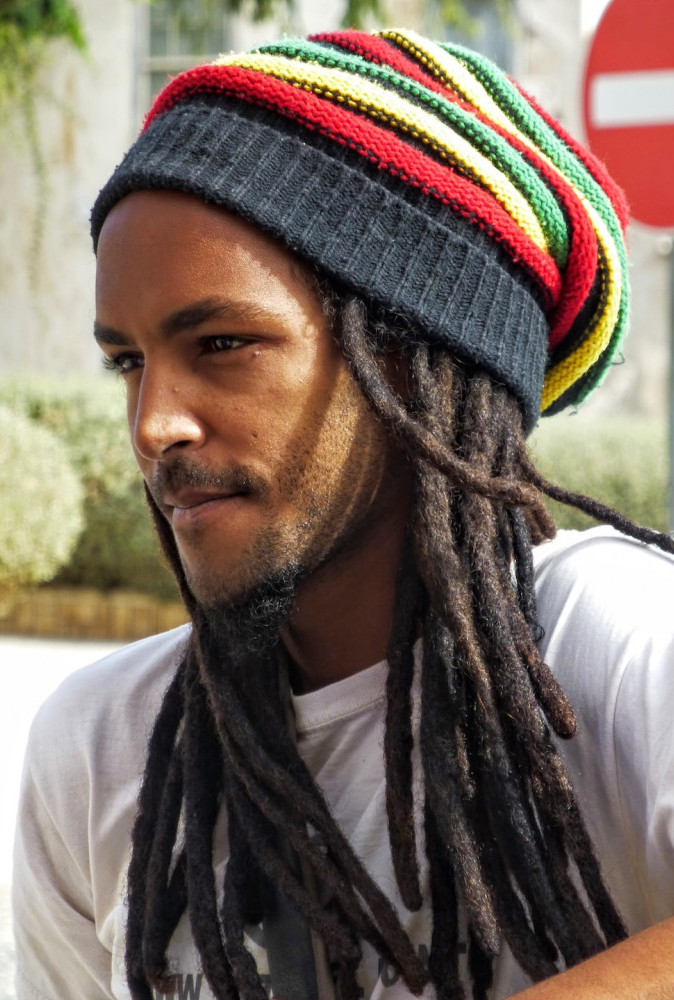
Rastafari a well-known religion began to follow the Ethiopian Emporer Ras Tafari. Through this religion the natural hairstyle known as “dread-locks” was concieved. However, most people don’t know that the hairstyle originated long before the Rastafarian religion.
So how do we know that hair locks may have originated in India? well mostly because a number of professors from Nigeria named yogi’s and Indian sages as the original inventors of hair locks. However it’s actually impossible to pinpoint exactly who started this hair-style. Historical findings have also suggested that dreads were the popular hairstyle for figures like John the Baptist and Samson. Ancient Egyptians, Irish warriors, Vikings and Hindu Holy men are believed to have sported locks.
The term “dreadlocks” itself has roots in the Rastafari movement. The word “dread” is believed to have originated from the Rastafarian expression “dreadful,” conveying awe and reverence for the Almighty. Rastafarians sought to “dread” their hair as a way of embracing their natural selves and rejecting conformity.
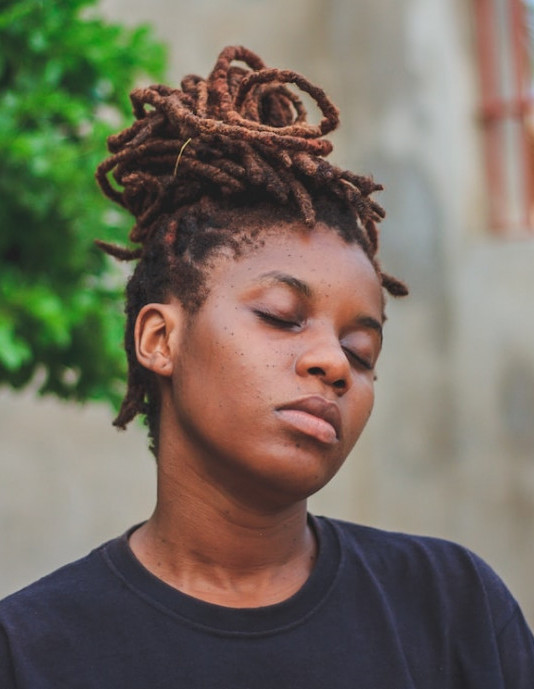
Source: Knotty boy natural hair care.
Cultural Spread and Influences
Dreadlocks transcended the confines of Jamaica and the Rastafari movement, making their way into global popular culture. The 1970s and 1980s witnessed the emergence of reggae music and its global influence, with iconic figures like Bob Marley popularizing dreadlocks as a symbol of rebellion, spirituality, and cultural pride.
Beyond the Rastafari movement, various other cultures around the world have embraced dreadlocks as a form of self-expression. In Africa, some ethnic groups have a long history of wearing locked hairstyles, each with its unique cultural significance. Additionally, in the 20th and 21st centuries, dreadlocks have become a symbol of counterculture movements, challenging societal norms and advocating for individuality.
Contemporary Significance
In the contemporary era, dreadlocks continue to be a powerful symbol of identity and cultural pride. People from diverse backgrounds and walks of life choose to wear dreadlocks as a means of expressing their individuality, cultural heritage, or spiritual beliefs. The acceptance and mainstream popularity of this hairstyle highlight society’s evolving perceptions of beauty and cultural diversity.
However, it’s important to note that the journey of dreadlocks hasn’t been without controversy. In some instances, individuals with dreadlocks have faced discrimination in educational and professional settings, sparking discussions about cultural appropriation and the right to express one’s identity.
Conclusion
The history of dreadlocks is a testament to the enduring nature of cultural symbols and their ability to traverse time and space. From ancient civilizations to modern subcultures, the journey of dreadlocks reflects the ever-evolving relationship between culture, identity, and personal expression. As society continues to embrace diversity, the story of dreadlocks remains woven into the fabric of our shared human experience.
What are your thoughts on locks in general? has the information on it changed your view of them?
-
4 ways to recover from a bad haircut – afro
Sometimes in life, you may want to change a look because you just want to have a different appearance or there is a change in your life. You may decide to go to the hairdressers quickly and maybe the stylist that you normally get is not there. You have no choice you have booked in and you have to follow-through, then an unfortunate event takes place. Bad haircut.
Bad haircut
You may have a big date coming up or a looking for a quick fix for an important event. Maybe your usual hairdresser is not around and you are forced to get your hair done by someone that usually does not do your hair. You describe what you want them to do and then you leave it to them assuming that they will do as you say. You may be browsing through your phone or just looking at the magazine, and then they inform you that they are done. As soon as you view it, you really don’t like it and don’t know what to say. What do you do? Well assuming that you have an afro or relaxed hair, here are a few options that could be of use to you.
1. Afro or relaxed hair
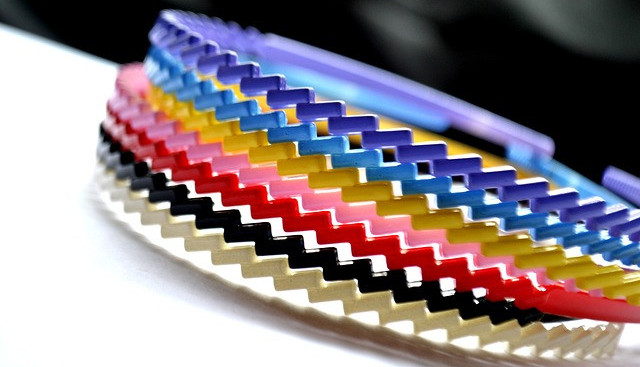
If you have an afro, then you can pat down your hair to even it all out once you spray it with water. The beauty with afro hair is that you can make it look even although that may not be the case. If your hair is relaxed, you could tie it up and probably use an accessory like a silk band to put around your head to look pretty. Although, you may have wanted to have your hair down.
2. Shorter style
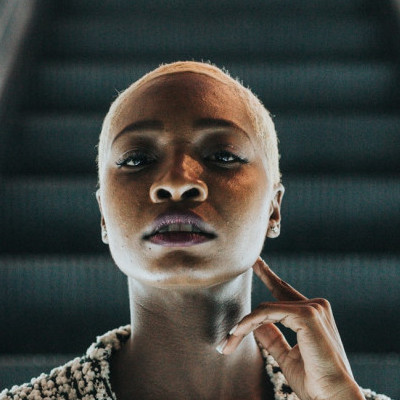
If you have some time available, you could potentially get your hair cut shorter in order to make sure that your hair is cut to a good length.
3. Braids
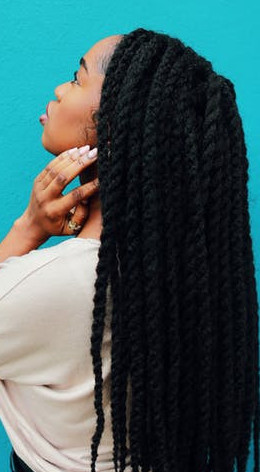
If you have some spare time, it would probably be ideal to get your hair braided in order to make sure that it is styled well for the event.
4. Use a wig
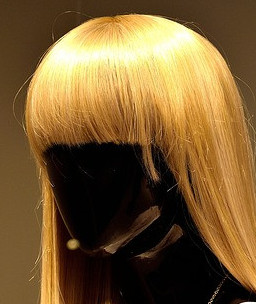
If time is critical and you have no options left, you can always use a wig. A lace front one would be ideal as you can get some good quality nowadays. Make sure that it’s installed well on your head.
5. Cancel your date
You may not want to do this but if you don’t have an option, then maybe you can cancel your date and reshedule it so that you can work on fixing your hair is some way. Sometimes you just have to make use of the situation.
Have you had a bad haircut experience before? If you have what did you do?
-
No heat year in 2020 – how I maintained it
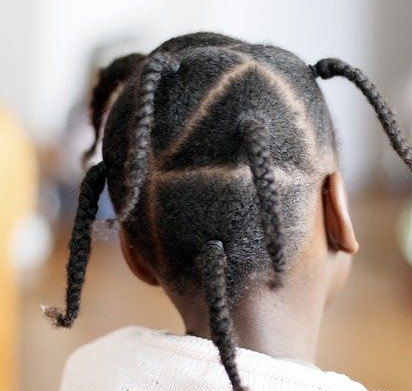
Can you live a year without heat on your hair especially when its afro 4C, extremely curly and difficult to manage. Well the answer to that will depend on the thickness of your hair, the porosity and also the surrounding individuals. This year, I managed to live most of it heat free. It has been challenging just enjoying my hair as it is in its curly state.
Strategies for afro hair
Now how did I survive you ma
y wonder? Well each time I washed my hair after a wash day, I would try to air -dry it more than using a towel because I always felt that the towel just makes the hair get more tangled. Immediately I would get my wide-toothed comb and section it off, depending on the mood of the day, I would either put in twists or massive flat twists to save time. I also found that it helped to use moisturize on my hair to avoid it from getting too dry. This would mean that if I wanted to remove the twists or flat twists after some time, the hair will not be in its original state of shrinkage.
Embrace the afro
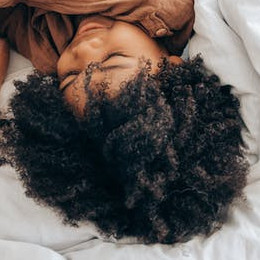
I soon learned to embrace my afro in its most natural state, without manipulation, I would just put oil and let it dry. This took some time to get used to, I will let you know why. Firstly, I grew up with this idea that your hair cannot be in the afro state at all. If it is in that state you must do something about it. Secondly, I remember some comments I would get with my hair in this state, none of them were compliments so this really plays with your mind. Thirdly, there is this idea that we always had when we were younger that if an individual’s hair is just in its original state, then it is unkempt.
I had to acknowledge that these ideas were not right because I always wash my hair every single week. I always make sure to detangle and deep condition in order to keep my hair in good condition. Learning to just embrace my afro helped me to view these ideas as completely foreign and know that sometimes you have to love everything about you, regardless of what anyone thinks. This was a lesson for me and now when I view myself, I don’t acknowledge those negative views anymore.
Care for the afro
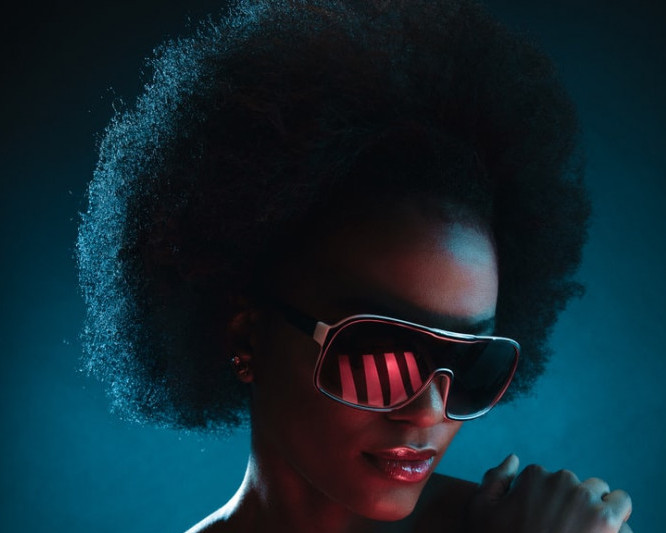
I realize how fragile and deprived my hair was because it get’s dry every 3 days. I had to learn how to moisturize it often. My scalp was quite sensitive and it really needed nourishment to minimize it from getting dry. I learned how to work in maintaining it, moisture and my hair are friends. I have low-porosity hair, that means that most times when I use a cream or some type of butter, it will just stay on my hair and take a long time to absorb. This meant that I had to start utilizing more light oils on my scalp like jojoba and argan oil. I also started minimizing the use of coconut on my hair although my hair certainly likes it, the only problem I get is when it solidifies.
Maintenance
With my hair, I would make sure that I wrap it up before going to bed. This is something that is necessary for maintenance of afro hair. When its neglected it tends to dry and becomes a lot more brittle and difficult to manage. I would also use my little bottle that had water should I want to add moisture to it. Any individual would think that the process is cumbersome, however if you want to maintain natural hair, unless you have other products that can keep it in good condition, this is necessary.
It made me think about all the things that were done to natural hair way before products came up. Although a few years back I was always looking for the next new product. I stopped getting a lot of products after realizing how some would not get used. I am also quite particular about what I use on my hair so I stopped getting the next new thing and just worked with all the items that I had.
What do I use?
When I wash my hair, I discovered Maui, I really love it. Although it can be costly, I got it on sale.
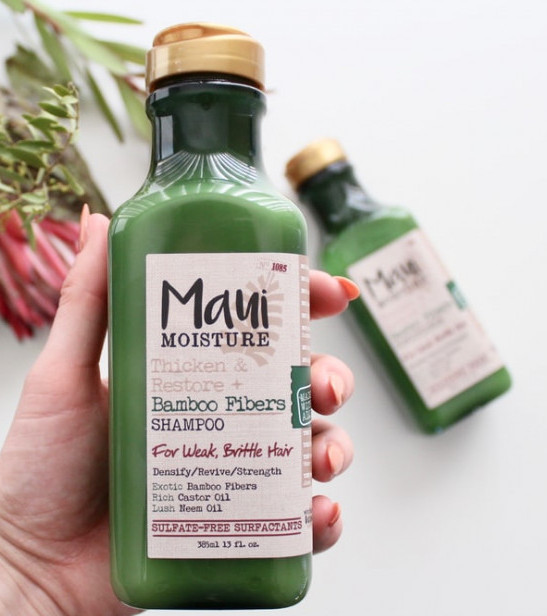
I really like how wonderful it feels on my hair. I usually use this and most times just a shampoo that does not contain sulfates. I find with these types of shampoo’s I get fewer tangles and it also get’s well moisturized.
Once I am done I normally get my conditioner which is mostly jojoba and sometimes coconut.
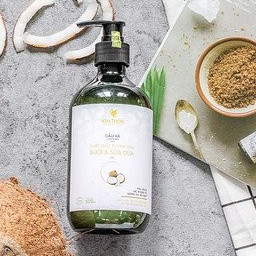
I also put some oil on my scalp just to keep it from drying up, mostly shea butter. Which does not have much of a smell and does melt on the scalp.
This process takes a shorter time as before this I used to spend at least half a day on my scalp, now after I wash it its quite a quick process, I just wash and put moisturizer and I am on my way.
Deep Conditioning
I use deep conditioning at least every month, although I want to experiment with that every week to see what will happen to the hair. I think especially in summer it would work, however in winter I would probably keep it to once a month.
The deep conditioning that I use is Garner although this changed as I was only using henna conditioner.
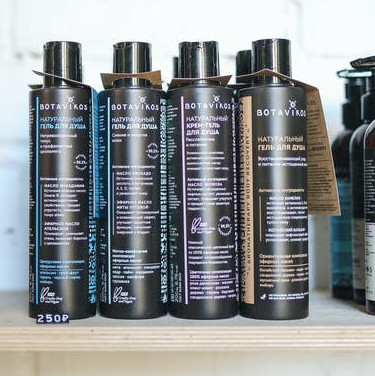
The main thing I find with deep conditioner, is that most of them can be used as they are mostly moisturizing to the hair. The amount of time you use it on your head depends, however the longer the better. I normally make sure that I have it on my head when I know that I will not be running too many errands, although even if you are running errands, there are so many options now to used to cover your head.
The only challenge at the moment is that I certainly need a trim to make sure that my afro is in good condition.
As I reflect on this year, firstly I would like to mention that although it has been difficult, I believe that there is a lot that I have learned and one thing I have learned to embrace is my hair. The best part of the journey has been learning just to embrace it as it is.