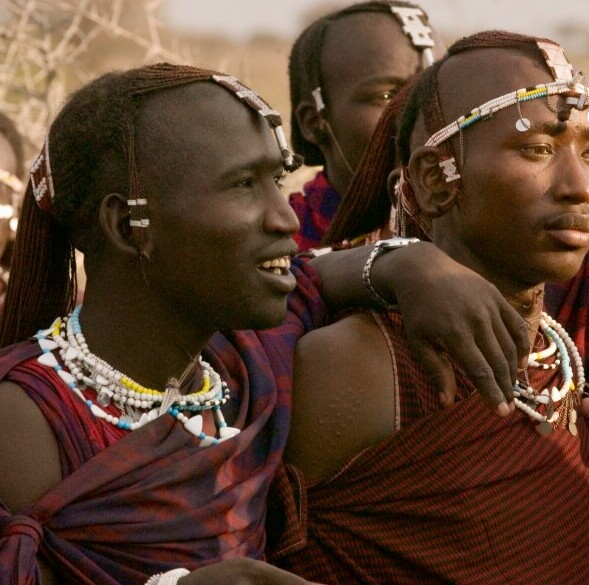
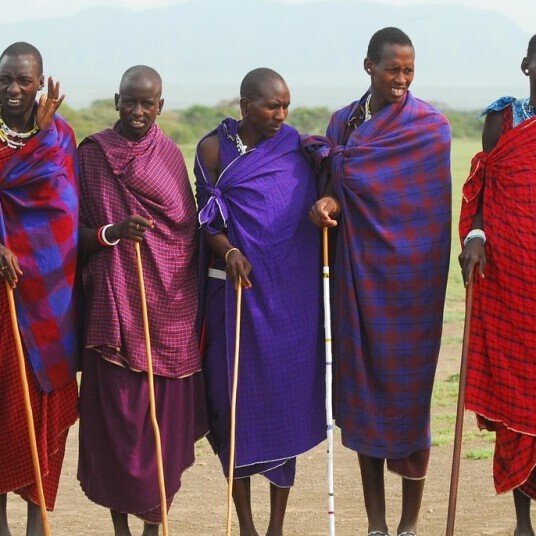
African hair care traditions have such depth and variety. Every culture or tribe you touch upon has its own unique way of handling their hair. From the Maasai in East Africa to the Himba in Namibia, each community offers something distinct and beautiful that has been crafted and refined over generations.
Historical context plays a key role in these hair care practices. In many African societies, hairstyles aren’t just about aesthetics—they’re a critical part of a person’s identity. Hair often signals status, age, and even marital status. It’s like every strand has a story to tell.
Oral traditions are the unsung heroes here, passing on knowledge from grandmother to mother to child. These stories and teachings about hair care aren’t just instructions; they’re pieces of history woven into everyday life. You learn why certain ingredients are treasured or why particular styles emerged.
Over the years, despite external influences trying to impose different standards of beauty, these traditions have persisted. They stand as a resilient part of African heritage, showcasing how deeply rooted and cherished these practices are. When you embrace these traditions, you’re not just caring for hair; you’re celebrating a cultural legacy.
Natural Ingredients: The Secret Behind Beautiful African Hair
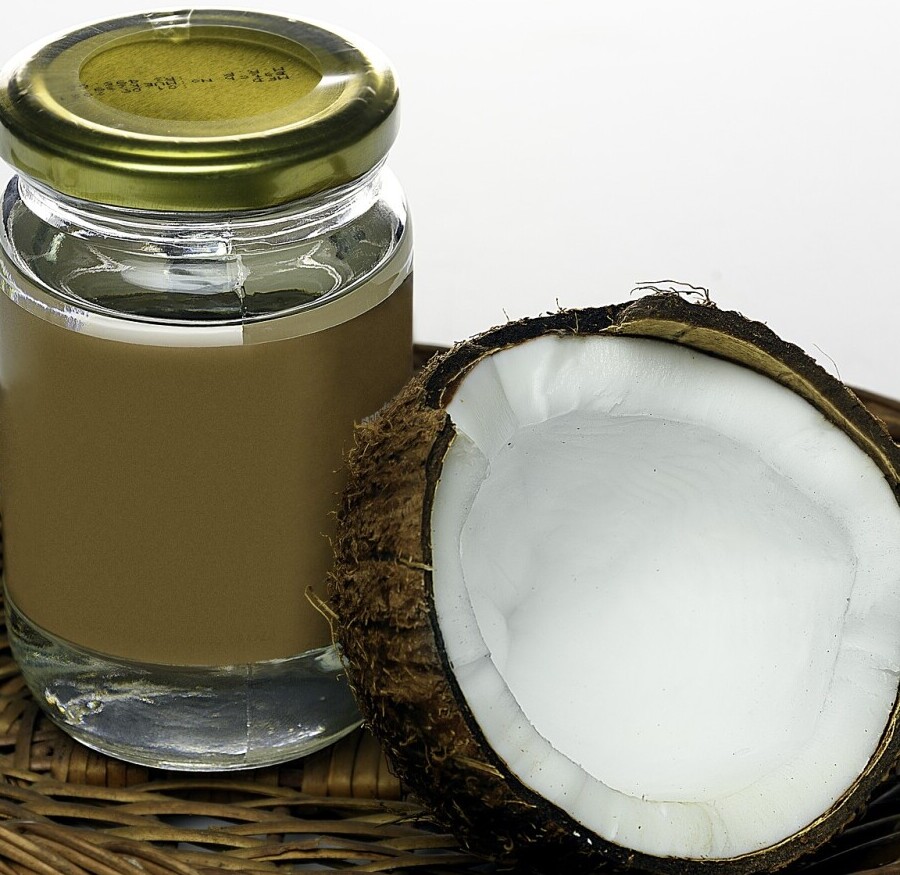
When it comes to keeping hair healthy and vibrant, Africa’s nature provides a rich bounty of ingredients. From the lush shea butter of West Africa to the nutrient-packed coconut oil found in coastal regions, these natural ingredients have been hair care champions for centuries.
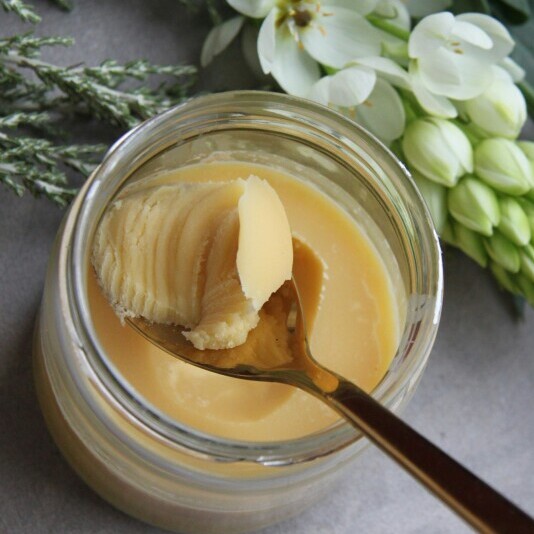
Shea butter’s not just a moisturizer; it’s an all-star. Packed with vitamins and fatty acids, it can combat dandruff and add sheen to hair. Shea butter stands among the most cherished ingredients because of its versatility. You can use it to hydrate, as a base for a homemade hair mask, or even to style your curls the way your grandma taught you.
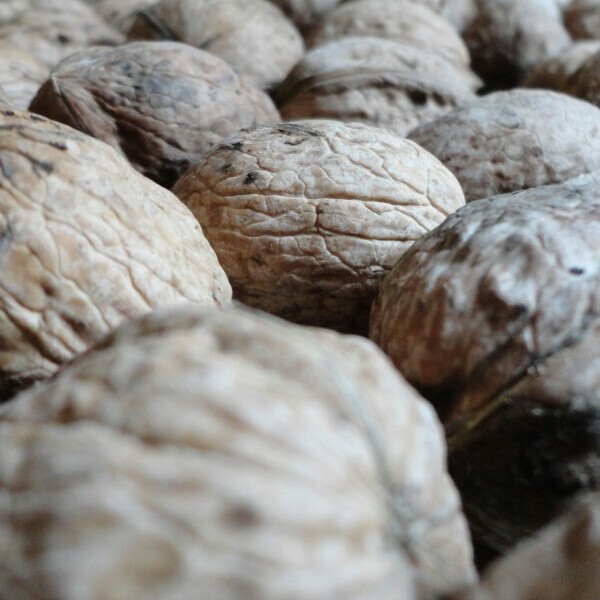
And black castor oil? Let’s just say it’s not your average oil. Known for promoting hair growth and keeping the scalp healthy, this oil finds home in beauty routines far beyond Africa’s borders nowadays.
Then there are the hidden gems like baobab oil or marula oil, lesser-known to many but cherished locally. Baobab oil, with its omega-rich content, works wonders for dry hair, while marula oil gives that velvety touch to the hair strands.
The choice of ingredients is often influenced by the local environment. In areas with drier climates, options like argan oil or aloe vera help retain moisture and combat hair dryness.
Incorporating these natural treasures into your hair care routine is like giving your mane a taste of Africa’s heart and soul. It’s more than just care; it’s a connection to nature and history, offering timeless benefits that are as relevant today as they’ve ever been.
Rituals and Techniques: Mastering Traditional African Hairstyles
Braiding and weaving aren’t just skills; they’re artistry passed down through generations, each twist and turn telling a part of history. From intricate beadwork to vibrant-colored threads, these styles aren’t just about looking good—they hold cultural significance that runs deep.
Understanding different braiding techniques, like cornrows and Senegalese twists, involves tapping into a rich tapestry of cultural expression. Each braid can carry a different meaning, whether it’s a new stage in life or a clan’s symbol.

The care and craftsmanship involved in these styles are meticulous. The techniques often require hours of attention and skillful fingers, paying homage to ancestral practices that celebrate patience and precision. Women often gather in social settings, where styling becomes a communal activity, fostering bonds and community.
Maintaining these hairstyles involves specific techniques to ensure they last and look fresh. Using natural oils mentioned earlier, like shea butter, helps with locking in moisture while giving the hair a healthy sheen. Plus, tying hair up at night helps keep the style intact, showing that traditional hair care involves both creation and maintenance.
Exploring these styles isn’t just about having a unique look—it’s about participating in an age-old tradition that champions identity, family, and heritage. Anyone embracing these practices taps into the collective wisdom and beauty passed on through time.
The Role of Hair in African Identity and Cultural Expression
Hair in African cultures extends far beyond style—it’s an expression of identity and a cornerstone of cultural storytelling. This connection to heritage shows how deeply personal and communal hair care practices are in African communities.
For many, different hairstyles signify religious beliefs, social status, or tribal affiliations. Hairstyles can also indicate critical life transitions, like an initiation ceremony or marriage. Sporting a specific braid or design isn’t just a style choice; it’s a badge of honor and pride.
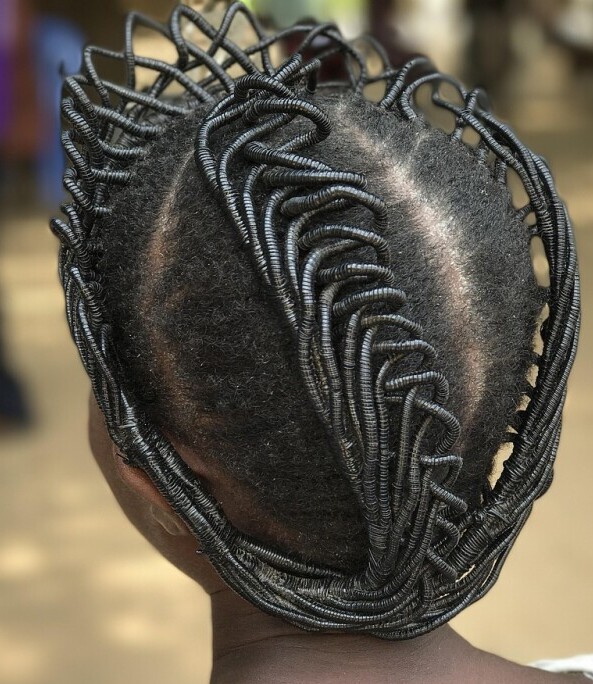
The African diaspora has played a significant role in spreading these hairstyles globally. In new countries, African communities have used hairstyles as a way to keep their identities alive, and to share their rich cultural backgrounds with others around them.
Hairstyling often forms a cornerstone of major life events. Whether it’s celebrating a childbirth, a wedding, or coming of age, hair signifies these milestones in vibrant, meaningful ways. It’s like a silent language that speaks volumes, connecting the past with the present.
Even in everyday life, hair represents more than just physical appearance—it’s a form of personal expression and a link to the broader cultural tapestry. Embracing these practices is akin to taking part in a living, breathing tradition that bridges generations and continents.
Modern Influences and the Renaissance of Traditional Hair Practices
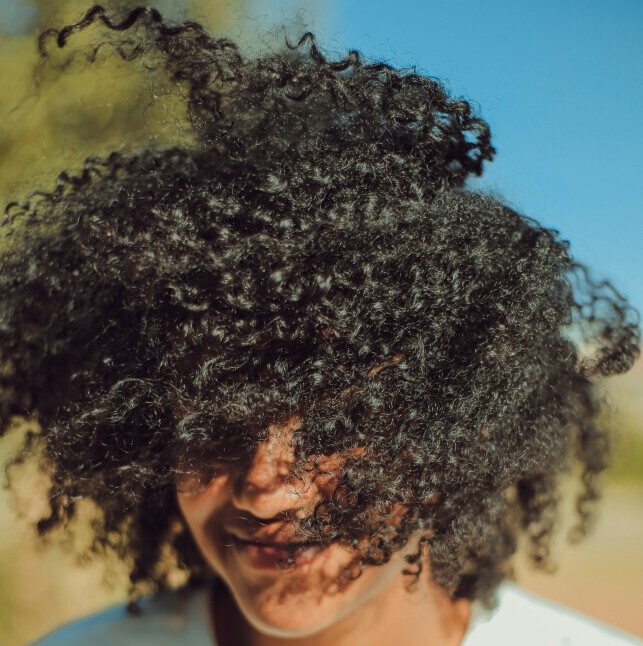
Today’s African hair care scene is a vibrant blend of tradition and modern innovation, thanks to cultural exchange and the information age. As people move across borders and cultures intertwine, traditional practices have found new audiences and inspirations. This cultural fusion is like a renaissance that breathes fresh life into age-old methods.
Social media and popular culture have given traditional African hairstyles and hair care methods a global platform. Influencers and celebrities showcasing these styles help break down stereotypes and promote diversity in beauty standards. With each post and video, they celebrate the beauty and complexity of traditional African hair practices on a global stage.
New products and technologies, like curl-definition enhancers or heat-protectant sprays, complement traditional methods, offering more options for styling and care. These innovations make it easier to maintain intricate hairstyles while preserving their integrity and cultural significance.
These modern tweaks don’t replace the traditional knowledge passed down but enhance it, making these styles easier to access and maintain in today’s fast-paced world. This dynamic blend of old and new keeps the rich heritage of African hair care not only alive but thriving in contemporary society.
Embracing this evolution means acknowledging the versatility and resilience of African hair traditions. It means participating in a cultural celebration that honors the past, enriches the present, and inspires the future.