Category: african hair

  • Red Carpet Glam: Hairstyles Of Afro Celebrities

    Red Carpet Glam: Hairstyles Of Afro Celebrities

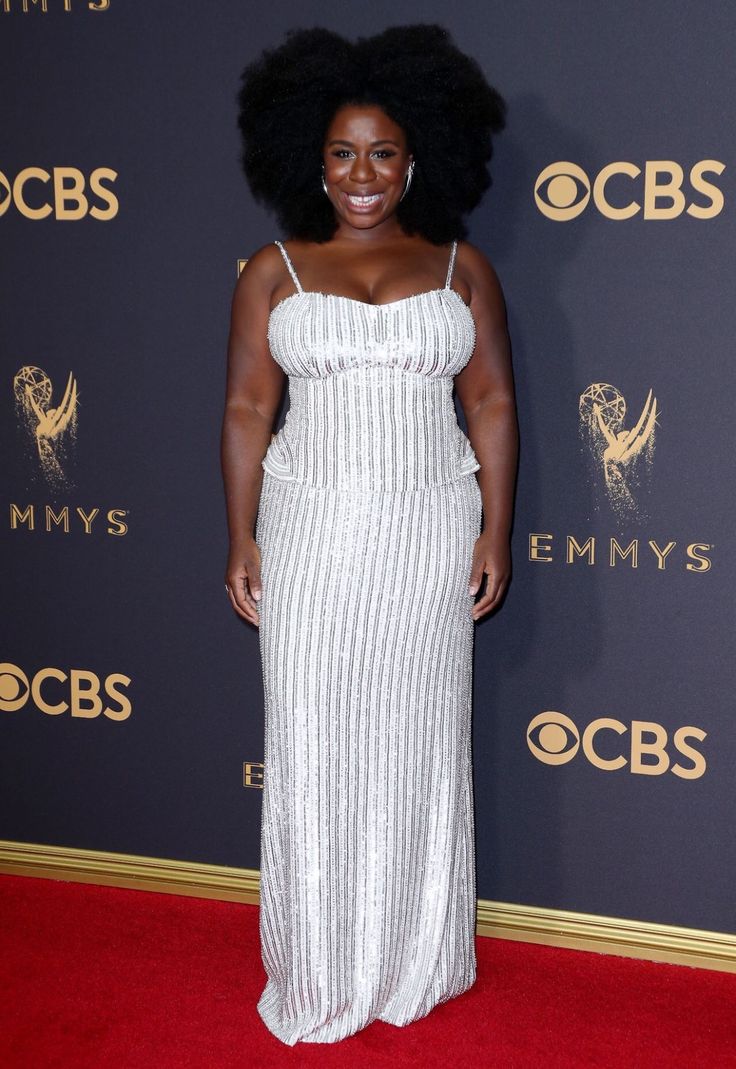
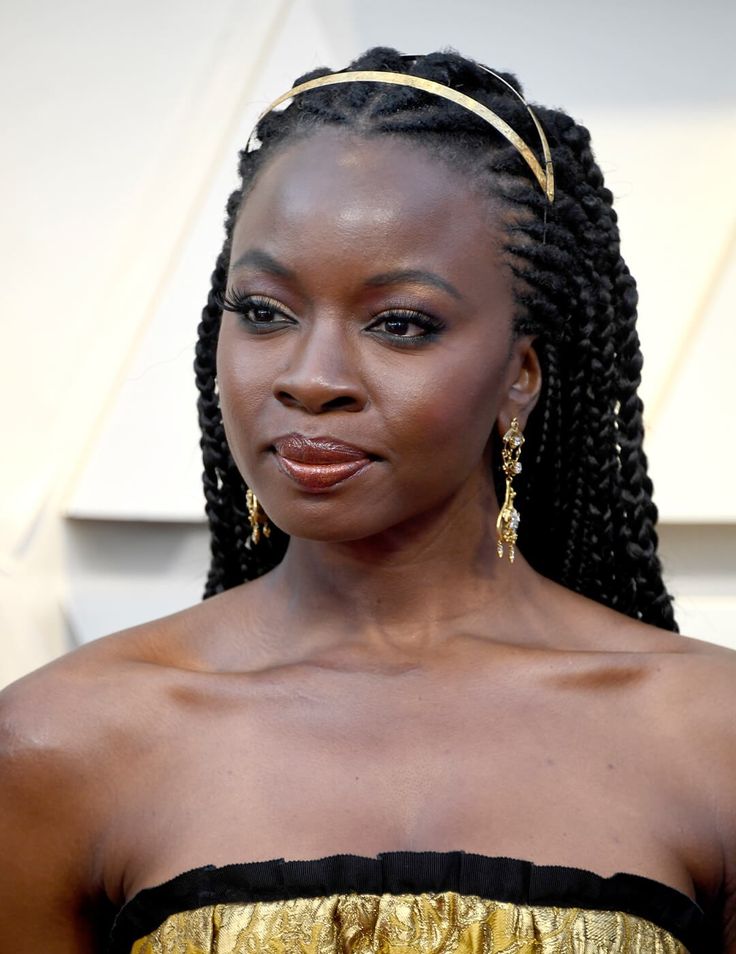
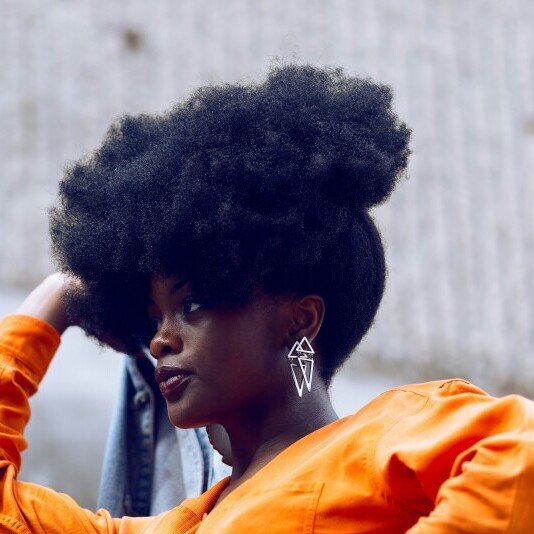
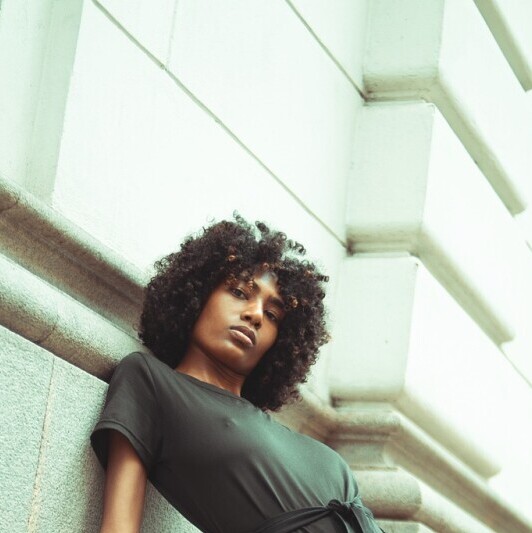
    Afro celebrities are making powerful statements on the red carpet with their unique and culturally rich hairstyles, setting a new standard in glam. These aren’t just mere fashion choices; they’re cultural declarations and expressions of individuality. The vibrancy and creativity in Afro hairstyles are capturing both the spotlight and the conversation, revealing a blend of heritage and modern flair.

    This surge in Afro glam isn’t just about aesthetics. It’s a bold embrace of natural textures and traditional styles, pushing against conventional beauty norms. When you see an Afro celebrity strut down the red carpet, it’s more than just hair—it’s history, artistry, and identity all wrapped up in one.

    Imagine the confidence and power behind a perfectly styled afro or an intricately braided updo. These hairstyles contribute more than just to a person’s look; they’re integral to their personal brand and identity. Each style tells a story, showcasing a distinctive blend of elegance and authenticity.

    Celebrity hairstylists are at the forefront, elevating natural hairstyles to new heights. They craft looks that are not only stunning but deeply meaningful. Through each twist, coil, or curl, they highlight the diversity and beauty of Afro-textured hair.

    The hairstyles seen on the red carpet show a fascinating mix of heritage and innovation. As we delve into this dynamic world of Afro glam, it’s clear that these hairstyles are more than trends—they’re timeless tributes to cultural pride and personal expression.

    Inspired Elegance: Iconic Afro Hairstyles from Recent Events

    Recent red carpet events have showcased some jaw-dropping Afro hairstyles that are turning heads everywhere. Whether it was at the BET Awards or the Met Gala, Afro celebrities have been flaunting some unforgettable looks.

    Stylists behind these glamorous red carpet appearances are unsung heroes, transforming hair into works of art. These experts are using cutting-edge techniques tailored specifically for Afro-textured hair, ensuring each hairstyle complements the wearer’s persona.

    One can’t miss the diversity of styles ranging from chic afros to polished locs, each one emphasizing the adaptability of Afro hair. This transformation of natural textures into high-fashion looks shows just how versatile Afro hair can be. Regardless of the things that people say about it’s look.

    For those eager to replicate these stunning looks, studying red carpet photos can serve as great inspiration. Imagine Solange Knowles rocking a bold fro or Lupita Nyong’o highlighting cultural roots with intricate braids. Each hairstyle at these events turns into a statement-making masterpiece, creating trends that echo throughout the fashion world.

    Remember, the key to nailing these looks is finding a style that aligns with your personal vibe. Pairing up with a skilled stylist who understands your hair type and aesthetic vision is essential. They can help turn your hair goals into reality, much like what we’ve seen on the red carpet.

    Cultural Heritage: The Intersection of Tradition and Modern Style

    Afro hairstyles are not just a nod to fashion—they’re a vibrant expression of cultural heritage and identity. Each coil, braid, or twist can hold generations of history and meaning. It’s fascinating how these looks manage to weave in traditional elements while still setting new style trends.

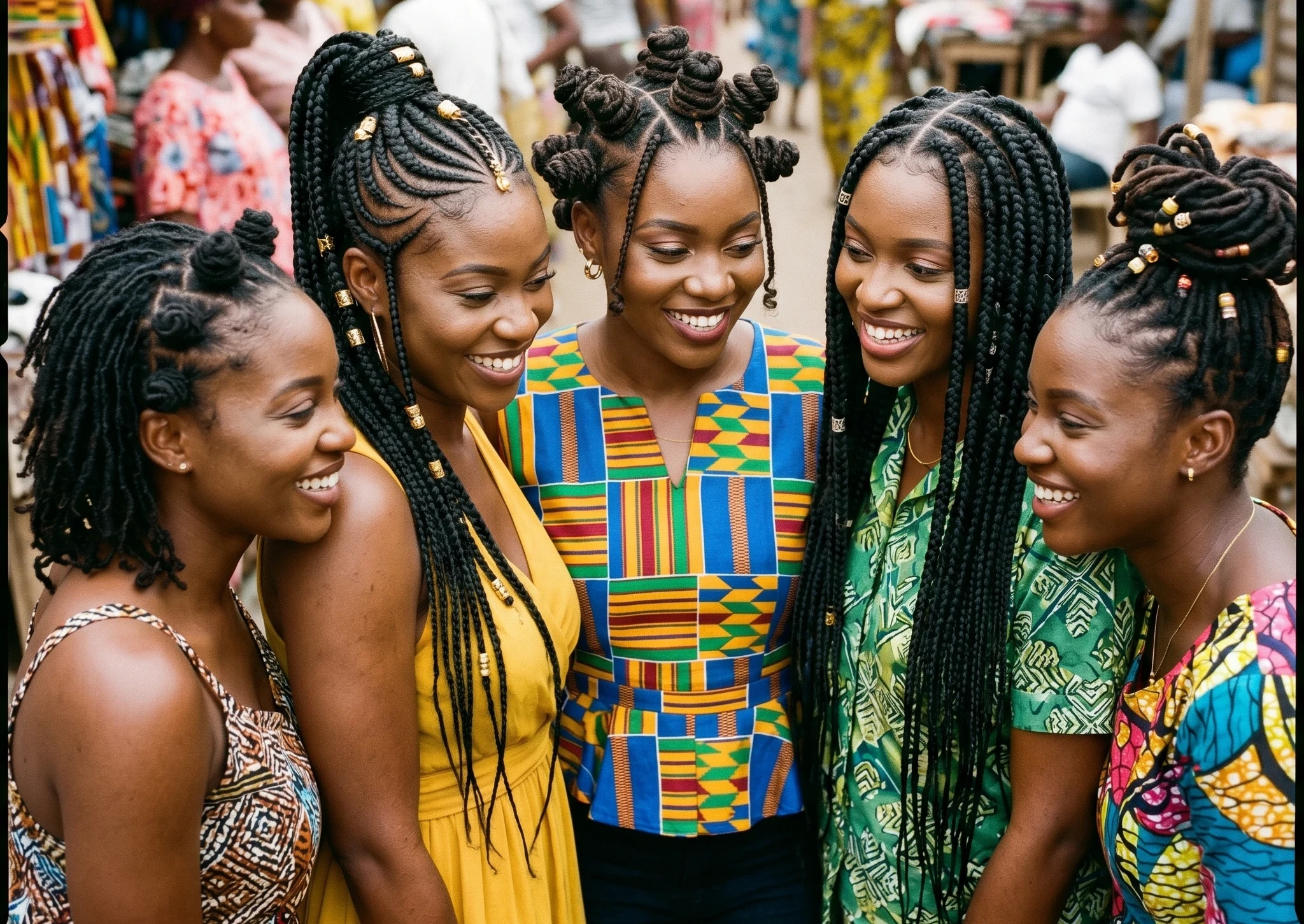
    Take bantu knots, for example. This style is deeply rooted in African tribal culture but remains incredibly popular in today’s fashion scene. They’re a perfect blend of history and modernity, reminding us that some of the coolest trends have the deepest roots.

    When Afro celebrities sport these styles on the red carpet, they do more than showcase trends—they celebrate and promote their rich cultural identity. It’s about owning one’s heritage and identity with pride, using hair as a canvas for storytelling.

    Hairstyles such as the afro or cornrows are great examples of this intersection of tradition and contemporary flair. By choosing to rock such hairstyles, celebrities are sending powerful signals of empowerment and authenticity. It’s like saying, “This is who I am, and I’m proud of it.”

    If you’re inspired to incorporate elements of culture into your style, consider exploring styles that resonate with your background and identity. Collaborating with stylists familiar with traditional techniques can help enhance your individual expression, making your hairstyle both a personal statement and a cultural homage.

    The Evolution of Glam: How Technology and Trends Shape Modern Afro Styles

    Technology and social media have completely transformed how we approach Afro hairstyles. Today, a new trending style can spread worldwide in just a matter of hours thanks to platforms like Instagram and TikTok. Influencers and celebrities share their looks, offering a closer look at their favorite products and techniques.

    This digital age brings more attention to the significance of Afro-textured hair in fashion, driving innovation in hairstyling tools and products. Brands are now creating products specifically designed to nourish and style natural hair, making it easier than ever to achieve and maintain the glamorous looks seen on the red carpet.

    Innovative techniques, like precision braiding and temperature-controlled styling tools, are further expanding what’s possible for Afro hair. Stylists are pushing boundaries, using technology to craft looks that are not only beautiful but also protective and sustainable. This balance between style and hair health is crucial for maintaining the authenticity and integrity of Afro-textured hair.

    Engaging with experts—whether it’s through hairstylist interviews or digital influencer tutorials—provides insight into the latest advancements in hair care. Try incorporating advice from these pros into your hair routine to help achieve the glamour of red carpet hairstyles at home without compromising the health of your hair.

    It’s all about finding that sweet spot between tradition and technology, mixing the old with the new to create something that feels right for you. Whether you’re looking to embrace a classic look or experimenting with a fresh trend, the right resources and tools can make all the difference in bringing your stylistic vision to life.

    Conclusion: The Future of Afro Glam in the Limelight

    Afro glam is not just having a moment; it’s set to define the future of beauty and fashion. With increasing visibility on red carpets around the world, Afro hairstyles are influencing global beauty standards, ushering in a new era of representation and diversity.

    Looking ahead, there’s excitement about the potential trends that will continue to emerge. Expect to see even more innovative uses of traditional styles, with a focus on personal expression and uniqueness. The blending of heritage with futuristic styles will remain a constant, providing endless possibilities for those looking to showcase their cultural identity.

    Empowering oneself through hairstyle is a trend that’s here to stay. Whether you’re drawn to bold afros, delicate braids, or anything in between, embracing the natural beauty and versatility of Afro hair is a personal journey that encourages creativity and self-expression.

    As Afro glam continues to inspire, it paves the way for more inclusive beauty standards that celebrate all textures and styles. By integrating a sense of cultural pride into the beauty conversation, these hairstyles remind us all of the power and elegance found in diversity.

    For anyone looking to explore this glamorous world, the path is wide open. Start by researching hairstyles and learning from those at the forefront. Whether it’s through social media, hairstylist collaborations, or red carpet inspiration, there’s a vast array of resources ready to help you embrace your hair journey with confidence.

  • Finding Confidence In My Natural Hair

    Finding Confidence In My Natural Hair

    Natural hair is more than just a hairstyle; it’s a deep connection to culture and history. This deep, rich story is about pride, resilience, and a regained identity that’s been passed down through generations. From the majestic afros of the ’70s to today’s myriad of styles, natural hair has always been a statement of individuality and strength.

    Making peace with natural hair isn’t just about aesthetics. It’s about discarding beauty standards imposed on us and understanding our unique beauty. For many, accepting natural hair marks the start of a journey toward self-love, shaking off the influence of commercial ideals that often don’t celebrate our true selves.

    There’s a lot to reckon with—internalized biases, societal pressures—and standing in solidarity with powerful historical icons helps balance that act. I found courage in stories from those who walked this path before me. I remember when I was younger, it was difficult for me to rock my natural hair because I always thought that straight hair was easier to manage and maintain.

    More than just washing and styling, the process of wearing my hair naturally became a journey of self-discovery. My hair represents so much of who I am, and maintaining it became an act of reverence. For every textured strand, there’s a lesson in patience, resilience, and embracing this beautiful chaos as part of my identity.

    The Power of Community: Finding Support in Sisterhood

    Finding my place in the natural hair community has been like discovering a second family. These connections are more than just social media follows or group meet-ups. They are networks of support and empowerment that have helped me navigate my journey with natural hair.

    Being part of forums and groups opened my eyes to new techniques and products and showed me that I wasn’t alone in my struggles and triumphs. Sharing tips and stories transforms what could easily be a lonely path into an exciting adventure full of encouragement.

    Events, whether virtual or in-person, offer more than educational opportunities; they’re celebrations of our culture and individuality. Walking into a room full of folks who proudly rock their curls and coily patterns is a liberating experience. It transforms the narrative from one of isolation to community.

    Mentors and influencers play a huge role in this journey. Their videos and blogs provide guidance, but more importantly, they represent a lived experience that resonates. Following their paths and adapting their lessons has been invaluable.

    In sisterhood, I’ve found reassurance and a fierce sense of pride, knowing that I walk with a community that celebrates me as I am. It’s a vibrant network, always ready to uplift and support, reminding me that this journey, though personal, is never solitary.

    Educate, Experiment, Elevate: Navigating Your Natural Hair Care Routine

    Getting to know my hair type was like unlocking a personal code, offering insights into what my hair loves and what it could do without. Once I nailed down my curl pattern and porosity, the world of hair care broadened into limitless possibilities.

    Product experimentation became an essential part of my routine. I learned over time that it isn’t about chasing everything new on the shelves but about understanding what ingredients and formulas work best for my hair’s unique needs. Trust me, that ‘aha’ moment when the right product clicks is worth all the trial and error.

    Playing around with styles let me embrace my creativity and self-expression. It’s fun, sometimes messy, but always illuminating. Those moments in front of a mirror, figuring out a new twist or braid, are small wins that boost my confidence.

    A healthy hair routine is more than just products; it involves knowing and appreciating the natural beauty of my hair as it is. Stepping away from myths and focusing on nourishing my hair from scalp health to ends was game-changing. Once I broke free from misconceptions, my hair flourished, and I felt more connected to it.

    Educating myself and reflecting on my progress has become second nature. Celebrating the small achievements alongside the big victories keeps my love for my natural hair strong and steadily growing. Every step, from detangling to protective styles, is one more part of the ongoing journey.

    Radiating Confidence: Celebrating the Beauty of Natural Hair

    Natural hair isn’t just a thing, it’s the crown I wear every day, and each twist and coil is a testament to my journey. Rocking natural hair, I learned, is about flipping the script on beauty norms that have stuck for way too long. It’s about celebrating the uniqueness that only I possess.

    Confidence isn’t a switch you flip overnight. It’s in those little moments like navigating my first successful twist-out or basking in the compliments of friends who notice the bounce and shine. Standing tall with my natural hair hasn’t just been about looking good; it’s about feeling good on the inside too.

    Being a role model, even when I didn’t realize it, pushed me to own every curl unapologetically. The younger generation is watching, many of whom look up to the examples we set. Showing them that our natural hair is beautiful can ignite their confidence at an early age.

    Self-love became an integral part of my journey. Embracing imperfections and reveling in the days when my hair had a mind of its own, taught me to find joy in every texture. Those moments are a gentle reminder of the strength and beauty in my natural state.

    Celebrating our hair isn’t just personal; it’s a powerful message that inspires others to embrace the beauty within themselves. With every milestone—whether it’s a length goal or simply achieving healthy, happy hair—I find myself more in awe of what natural hair represents. It’s not just about style, but a celebration of heritage, resilience, and the joy of being truly authentic.

  • Embracing My Natural 4c Hair Texture

    Embracing My Natural 4c Hair Texture

    Navigating the world with natural hair can be as much a personal journey as it is a cultural one. For those of us with textured hair, it’s often more than just hair; it’s a part of who we are. Understanding this connection can be incredibly empowering. Beyond just aesthetics, the cultural richness tied to natural hair is something that many, including myself, have gradually come to embrace.

    For years, I battled societal pressures and stereotypes. Remember those awkward teenage years with endless straightening sessions, hoping to fit in? Many of us adopted styles that weren’t really us, just to blend into a beauty standard that didn’t resonate with our identity. It’s a shared experience that countless individuals face—an internal struggle to match external expectations. I remember one time I was taking public transport and someone asked me about my natural hair texture because I would never comb out my afro, but with time, I learned to appreciate it.

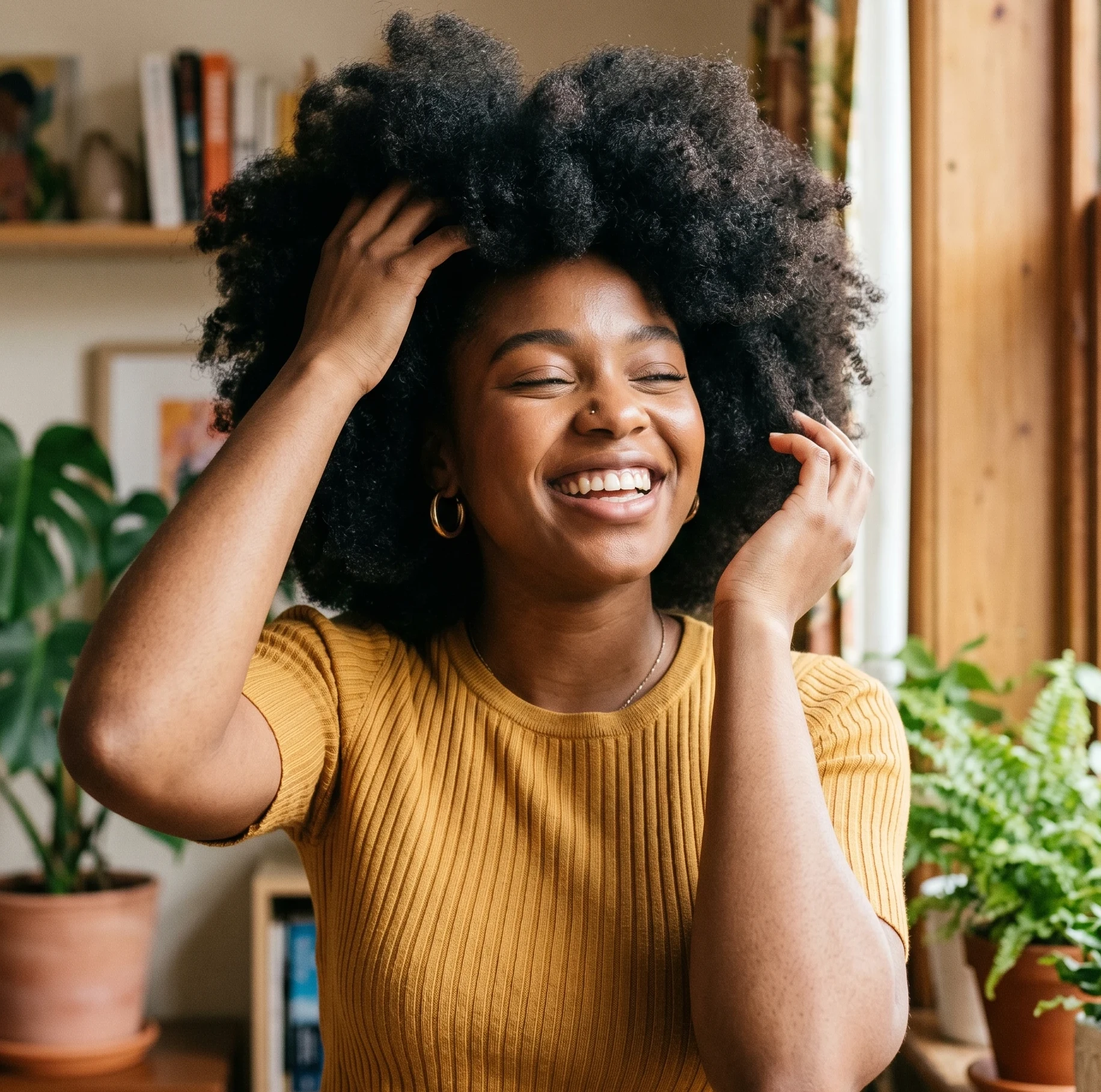
    I remember those poignant moments when I realized the beauty in my curls and kinks. It wasn’t a sudden revelation but rather a collection of small affirmations that eventually became a profound understanding of self. The first time I let my hair coil freely, without manipulating it to fit another standard, was liberating. Each strand told a story, and for once, I was excited to listen.

    It’s vital to explore the root of these stereotypes. Media often paints a limited picture of beauty, but embracing our natural selves challenges that narrow focus. The shift happens when we recognize that our hair is a powerful form of self-expression, deserving of celebration, not just tolerance.

    The journey to acceptance is not just about embracing the physical features. It’s about understanding the heritage and recognizing the pressures that exist, then consciously choosing to rise above them. Taking time to truly see the beauty in your own texture helps dismantle the myths and stereotypes surrounding it. Together, we can make sure our representation reflects our reality.

    Science Behind the Beauty: Embracing Hair’s Natural Structure

    Let’s unravel the mystery behind our hair textures by diving into the science of it. Understanding hair types is a game-changer in acknowledging their beauty and informing how we care for them. Each strand grows in its own unique way, and trust me, there’s more to it than just wavy or curly.

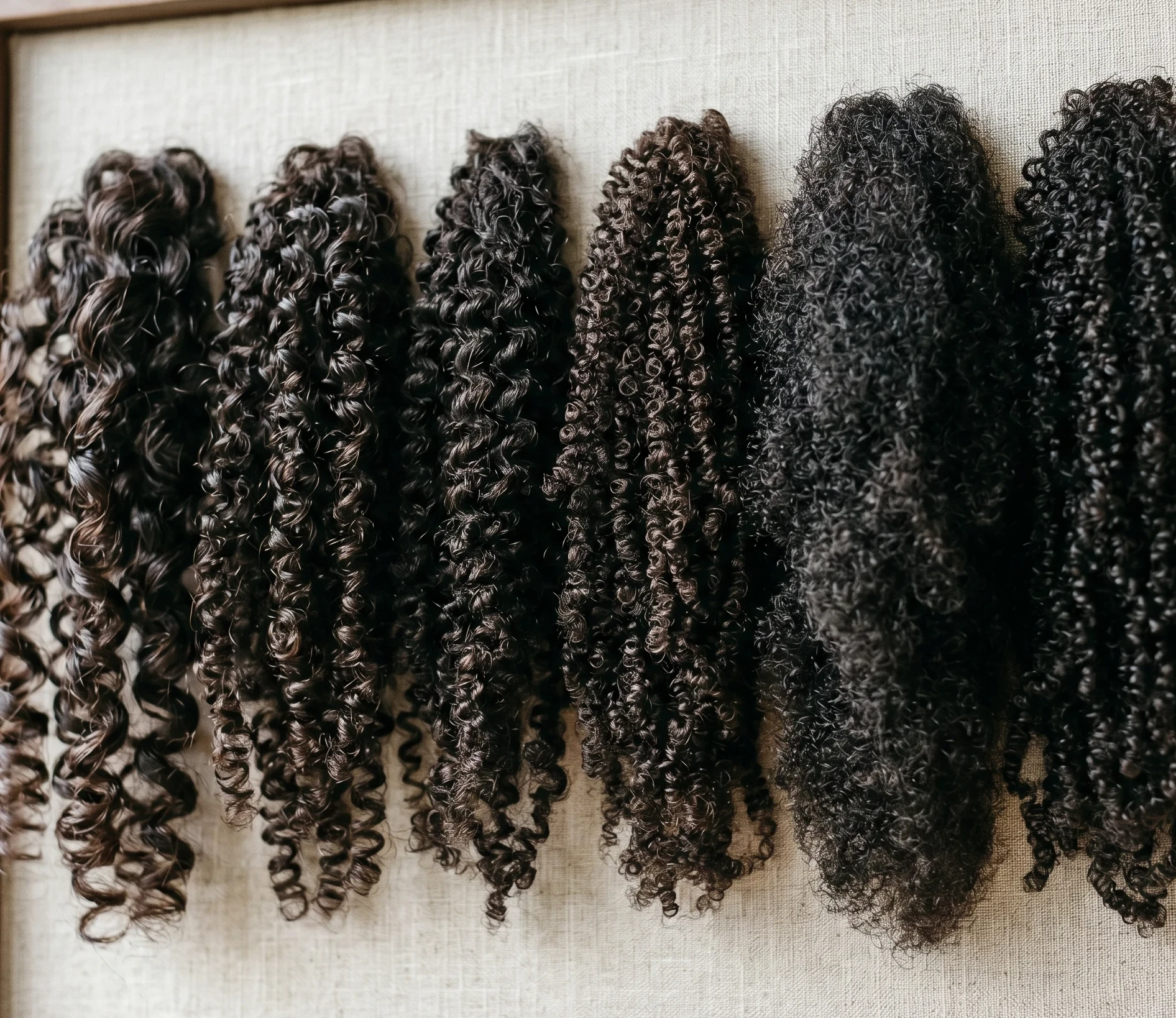
    Hair can be categorized into different types, and knowing yours can really guide how you treat it. Whether you’re rocking 3A curls, 4C coils, or somewhere in between, each has its needs and quirks. Ever noticed how some products work wonders for friends but not for you? That’s because your hair’s structure impacts how it reacts to moisture, styling, and even the weather.

    Finding the right hair care routine was a mix of curiosity and a lot of trial and error for me. I tried every product on the shelf, only to learn that understanding the porosity and thickness of my hair could save me time and money. Expert advice suggests focusing on moisture retention and gentleness, which sounds straightforward but can be quite a journey itself.

    There’s also the element of debunking myths around natural hair care. Some think that textured hair is harder to manage, but knowing your texture uncovers the beauty of its manageability. Embracing these unique characteristics just requires the right products and techniques, like the LOC method (liquid, oil, cream) or protective styles to guard against harsh elements.

    Every type of hair has its set of challenges, sure, but discovering solutions makes it easier to fully appreciate the natural beauty you possess. The journey may include experimenting with different techniques or connecting with communities for tips and support, so embrace this transformative experience and watch your natural hair thrive.

    Cultivating a Healthy Hair Relationship: Best Practices

    Finding the right hair care routine can feel pretty overwhelming at times, especially with all the advice out there, but creating a personalized regimen is key. It’s not just about products, but also about understanding what your hair truly needs to thrive. Catering to your unique texture means paying attention to how your hair responds to different treatments and conditions.

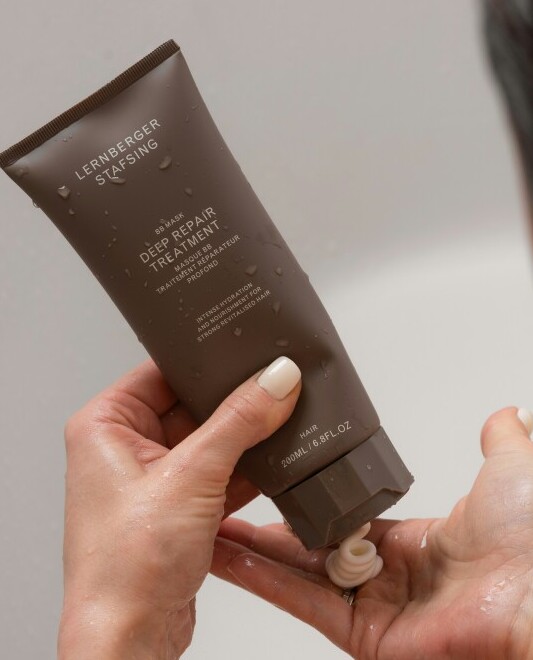
    Moisture is your hair’s best friend. Textured hair naturally craves hydration, so incorporating a consistent routine helps lock in moisture and improve overall health. Whipping up a deep conditioning mask once a week or using a leave-in conditioner can make a world of difference.

    Protective styling is another game-changer. Putting your hair in styles that minimize stress and breakage, like braids, twists, or buns, helps guard against the elements and keeps your ends nice and healthy. Just remember, even with these styles, taking breaks and minimizing tension is crucial to prevent damage.

    We’ve all had those days when our hair just won’t cooperate—frizz, shrinkage, and even breakage can pop up out of nowhere. Embracing these as natural occurrences rather than nuisances helps shift your perspective. Sometimes, adjusting how we handle these challenges can reveal better, more satisfying results.

    The most important thing is to listen to your hair. It’s communicating its needs to you; sometimes it needs a little TLC or a switch in products. Being patient with this process is so important. As your relationship with your hair grows, you might find a balance that makes you feel confident and in tune with your natural self.

    Community and Support: Building a Sisterhood of Advocacy

    Feeling connected to those who share similar experiences is incredibly empowering, especially on a journey where society hasn’t always been the most supportive. Online communities have become amazing spaces where people share advice, inspiration, and encouragement for embracing natural hair. Sites like forums, social media groups, and blogs teem with people eager to connect and share their journeys.

    Joining or even just observing these communities can provide so much more than just hair tips. The stories and personal experiences shared help us all feel seen and understood. It’s not just about overcoming challenges, but celebrating victories and milestones together—like learning to master a new hairstyle or finally having a good hair day after patiently working on a routine.

    Local events and meetups centered around natural hair bring a whole new level of interaction. From hair expos to casual group gatherings, these spaces are alive with people learning from one another, sampling products, and just having fun. It’s less about hair perfection and more about fostering confidence and self-acceptance.

    Voices and movements in the natural hair community make waves that ripple far beyond personal experiences. Figures like bloggers, authors, and social activists continue to push for better representation and challenge outdated norms. By highlighting their influence, it’s easier to see how much collective power and change is possible.

    Building this sense of sisterhood isn’t exclusive to any one group—it’s about everyone feeling valued and empowered in their unique beauty. As support systems grow stronger and more inclusive, embracing our hair becomes not just a personal choice, but part of a broader cultural movement.

    Embracing Diversity: Celebrating All Hair Textures in Society

    Representation matters, and when it comes to hair, seeing a variety of textures showcased in media and society can be empowering. It’s encouraging to see the shift towards more inclusive beauty standards that celebrate our differences, yet, there’s still room for growth in how diverse hair is portrayed.

    Historically, mainstream media didn’t always show textured hair in its natural form. Recently, though, there’s been a noticeable change as more films, TV shows, and advertisements feature characters and models with natural styles. This increased representation not only helps normalize all hair types but also uplifts those who felt underrepresented.

    Navigating this landscape still comes with challenges. Conversations about hair inclusivity are essential in workplaces, schools, and social settings where biases might still exist. Educators, employers, and peers can support these changes by encouraging an environment that respects and celebrates individuality in hair.

    Fashion brands and beauty industries play a vital role in this shift by presenting diverse representations. Highlighting different textures in campaigns and providing products suited for all types is a fantastic way businesses can influence cultural narratives.

    Creating an inclusive world for natural hair involves everyone. By sharing our experiences and advocating for change, we contribute to an environment where everyone can express themselves freely. Embracing each other’s uniqueness not only celebrates our hair diversity but also enriches the broader culture with individuality and beauty.

  • DIY 4c Afro Hair Masks

    Afro hair, with its distinct texture and curl patterns, demands a special kind of attention. The unique structure often means it’s more fragile and prone to dryness—requiring extra care to keep it strong and healthy.

    Hair masks step in as an incredible solution for Afro-textured hair. They’re not just a treat but a necessity to provide intense hydration, nourishment, and damage repair. From boosting moisture to tackling breakages, a good hair mask can transform your hair game completely. You can also create your own hair mask depending on the products you have in your cupboards.

    And let’s talk about the common issues that many face with Afro-textured hair: like frizz, lack of shine, and the constant battle against dryness. Recognizing these problems is the first step to choosing the right ingredients that can address these specific needs effectively.

    Essential Ingredients for Homemade Afro Hair Masks

    Picking the right ingredients for your hair masks can make all the difference. Consider ingredients that are packed with nutrients and have moisturizing properties. Think of avocado—it’s not just for guacamole. Loaded with vitamins and fatty acids, it’s amazing for adding moisture and luster to your hair.

    Then there’s honey, a natural humectant that draws moisture into your hair. It keeps the hair hydrated and shiny, giving it some much-needed TLC. If you’re looking to strengthen your strands, olive oil remains a classic. Rich in antioxidants, it’s a true hair-loving treat. Additionally, egg is a great ingredient to add moisture to your hair as well.

    Why go for natural ingredients? Well, they keep things organic and chemical-free, which is a big win for your hair’s health. Using simple ingredients helps to avoid irritants and provides pure nourishment, turning your DIY mask into a luxurious spa treatment.

    Wondering where to get the best ingredients? Shopping at your local market or co-op can offer fresh, high-quality produce for your hair care needs. And don’t overlook the power of a great online source when searching for specialty items that you can’t find nearby.

    Best DIY Afro Hair Mask Recipes

    Crafting your own hair mask can be incredibly rewarding and fun. Whether you need moisture, strength, or overall health, there’s a recipe out there for you.

    Let’s start with a Moisturizing Avocado and Honey Mask. Simply mash a ripe avocado and mix it with a couple of tablespoons of honey till you get a smooth consistency. Apply it generously to your hair and feel the silky softness afterwards.

    If breakage is a problem, the Strengthening Banana and Olive Oil Mask might be your answer. Blend one banana with two tablespoons of olive oil. This combo gives your hair the strength it needs to reduce breakage and split ends.

    For those dealing with extreme dryness, try a Coconut Milk and Aloe Vera Hydration Mask. Mix a cup of coconut milk with freshly squeezed aloe vera gel. This mask is like a tall drink of water for your hair, quenching its thirst and keeping it bouncy.

    Each recipe addresses different hair concerns, so mix and match based on what your hair is craving. It’s all about tailoring your hair care to what suits your unique texture and needs.

    How to Effectively Use Hair Masks for Best Results

    Using a hair mask is more than just slathering it on and rinsing it off. To really get the benefits, it helps to follow a few steps. Start by partitioning your hair into sections. This makes it easier to apply the mask evenly and ensures every strand gets some love.

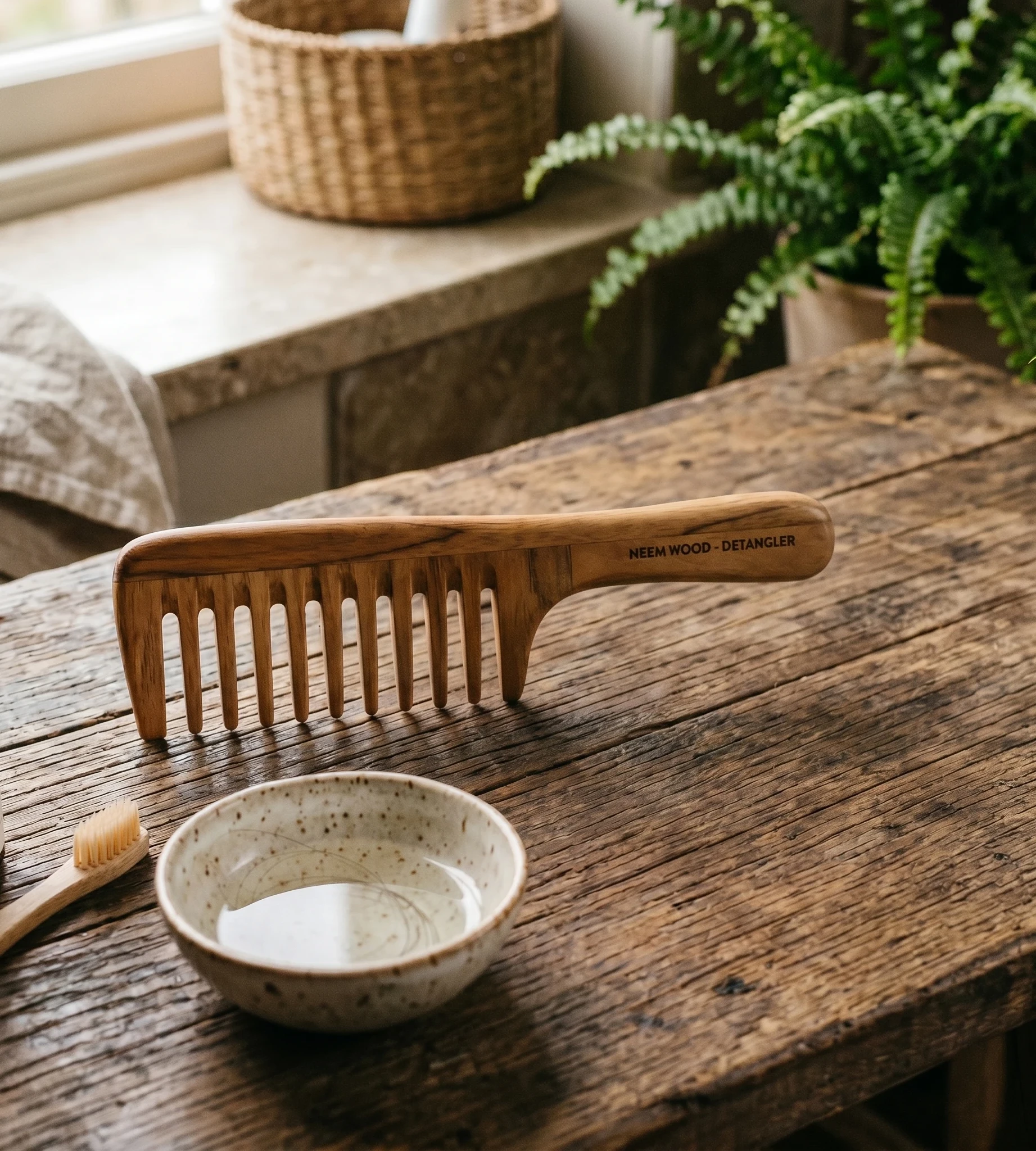
    When applying the mask, start from the roots and work your way down to the tips, making sure you’re covering your hair thoroughly. Some folks like to use a wide-tooth comb to distribute the mask evenly—that’s a great tip!

    Timing is key. Most masks work best if left on for at least 20 to 30 minutes. Consider using a shower cap to trap heat and enhance the absorption. Heat, even if it’s just from your head, helps the ingredients penetrate the hair shaft better.

    As for how often to apply these masks, it typically depends on your hair type and the mask’s purpose. Once a week is a good general rule for most, but some masks might be used bi-weekly depending on how intense they are.

    Keep an eye out for other tips and tricks like using a warm towel or even a gentle rinse with lukewarm water to seal in moisture once you’re done. These little tweaks can make a significant impact on how effective your DIY mask is.

    What DIY hair mask have you tried and what has worked for you?

  • How To Style 4C Afro Hair For Special Occasions

    When it’s time to shine at a special occasion, picking the right Afro hairstyle is a big deal. You’ve got to think about your face shape, your hair texture, and what type of event you’re getting dolled up for. Whether you’re headed to a formal soirée or a casual shindig, your hair can totally make or break your look.

    Let’s talk about some crowd-pleasers in the Afro hairstyle community. Twist-outs are a fave for a reason—they offer that neat yet natural vibe. If you’re aiming for something classic and elegant, updos are the way to go, sweeping your hair up and away in a way that screams glam. Then there’s the bold and beautiful bantu knots, a style that’s not just striking but practical too, keeping your hair protected.

    Now, you might think, ‘How do I choose from all these options?’ This is where face shape and hair texture come into play. Heart-shaped faces might look fab with a voluminous look, while round faces could totally rock an asymmetrical style. And let’s not forget about texture; some styles work better with looser curls, while others hold tight with coarser hair.

    If you’re still not sure, chatting with a professional stylist can be a lifesaver. They’re the experts, right? They can offer up some custom ideas based on your personal vibe and the event’s mood. Stylists have that special eye for detail that can help you walk out feeling confident and looking fresh. With the right guidance, you’ll definitely steal the spotlight!

    Preparing Your Hair: Essential Pre-Styling Tips

    Before diving into styling, prepping your hair’s like laying the groundwork for building a house—it makes everything else way easier. Starting with clean hair is a must. Grab a sulfate-free shampoo to gently cleanse without stripping away natural oils, leaving your hair ready for action.

    Next up, moisture is your hair’s best friend. Applying a leave-in conditioner or hair oil can help keep those locks hydrated and healthy, making styling a breeze. Remember, healthy hair is happy hair, and it definitely shows!

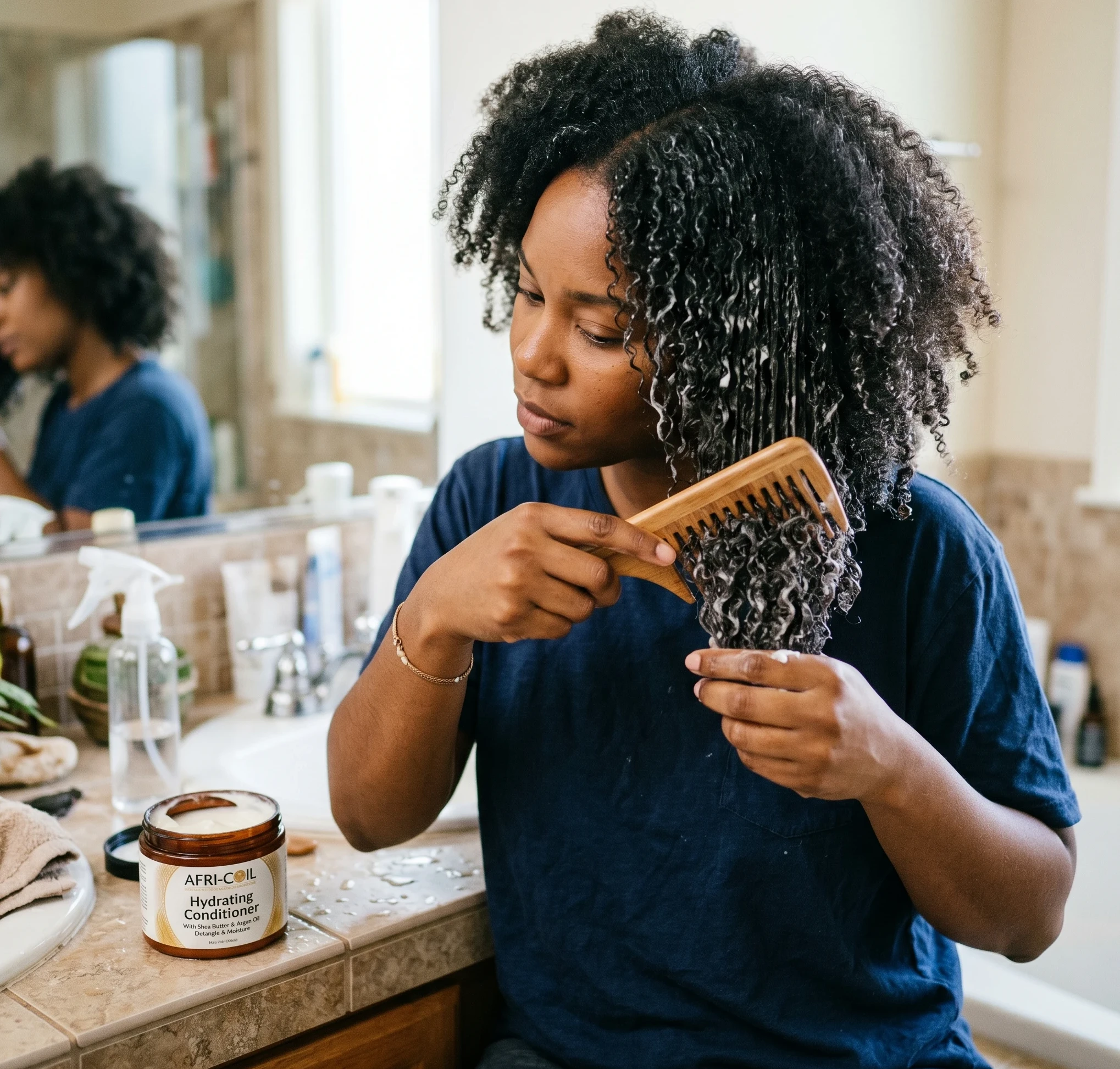
    Tackling tangles is another vital step. Be gentle with a wide-tooth comb or your fingers to avoid breakage, starting from the tips and working your way up to the roots. Patience here pays off big time, trust me.

    And of course, choosing the right products can make all the difference. A good styling cream or gel can provide that needed hold and shine, ensuring your look stays fresh all day and night. Keep an eye out for products that cater to your hair’s specific needs, whether it’s extra hold or a natural finish.

    Step-by-Step Styling Techniques for Diverse Looks

    Creating that picture-perfect Afro look is totally doable with some know-how and patience. Let’s explore some step-by-step techniques to get those head-turning hairstyles on point.

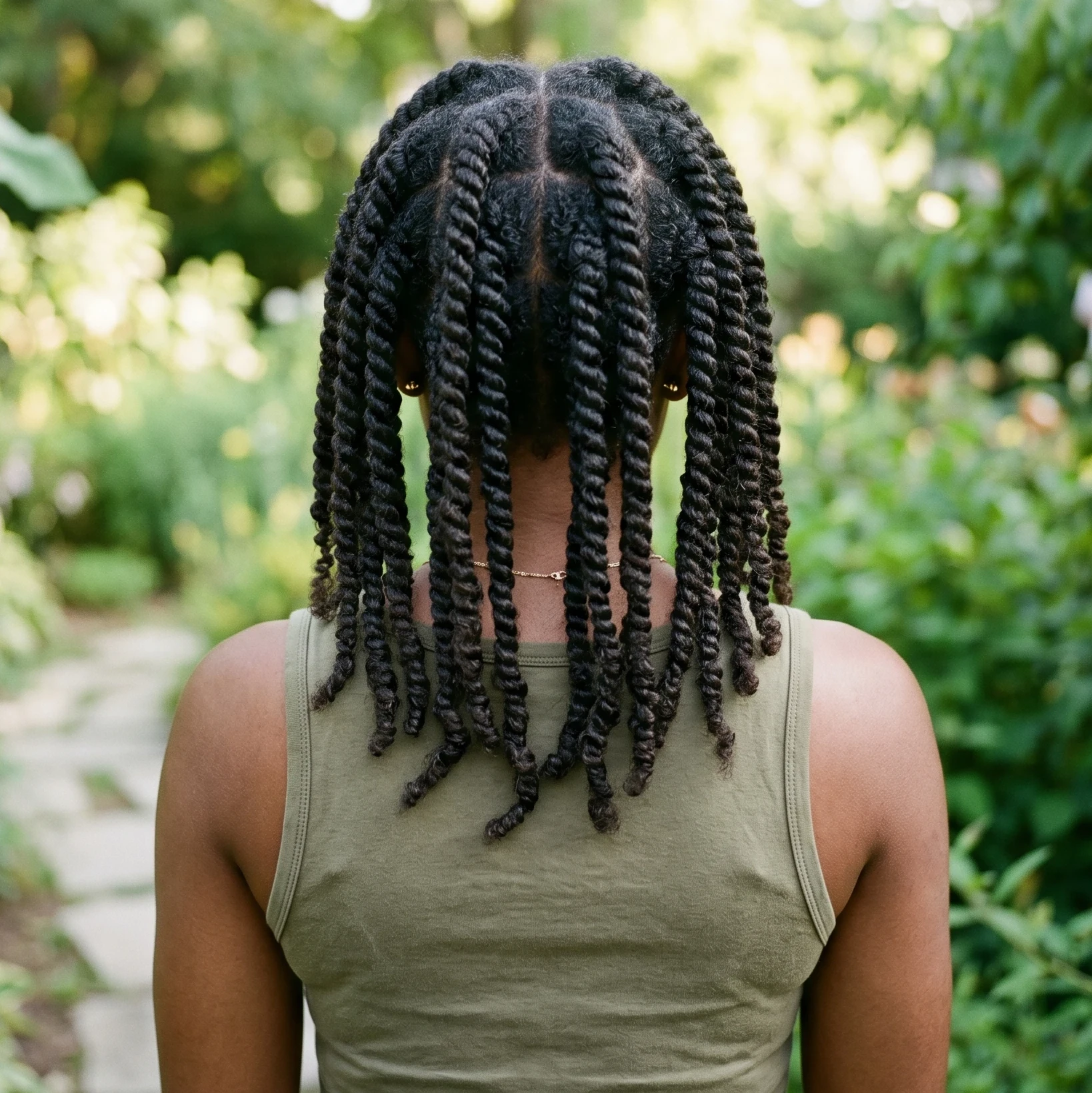
    First on the list, the chic twist-out. Start with freshly moisturized hair and twist small sections from root to tip. Once fully twisted, let it set overnight or use a blow-dryer with a diffuser if you’re in a hurry. Unravel gently for soft, bouncy curls that are sure to wow.

    Looking for something a bit more elevated? The glamorous afro puff is a go-to. Gather your hair at the crown with a snag-free band, fluff it out, and use a pick to add extra volume where needed. It’s simple yet stunning, perfect for shows and galas.

    If bold is more your game, consider the bantu knot. Part your hair into small sections, twist each one tightly, then coil and wrap into mini buns, securing them with bobby pins. Once they set, you’ve got a dramatic, eye-catching style that’s both protective and fab.

    Accessories can take a style from wow to whoa. Headbands, shiny clips, and vibrant scarves can all add that personal touch to your look. They’re great for matching your outfit or just expressing your unique flair.

    Preserving Your Style Throughout the Event

    You’ve nailed the style, now let’s make sure it lasts all night. Setting your style with an alcohol-free spray can keep everything in place without the crunchiness. Look for those that add a touch of shine too.

    Mid-event touch-ups can be a lifesaver, especially if you’re hitting the dance floor or mingling in a humid environment. Carry a small comb or brush in your bag along with a mini bottle of your go-to product for quick fixes.

    Keeping frizz at bay and moisture locked in is key, especially if the weather’s not in your favor. Silicones are often debated but can be helpful in sealing moisture and adding a slick finish. Whether for or against, know what works for your hair type.

    After the party, the care doesn’t stop. Planning for overnight styling solutions can save you from morning hassles. Try a silk or satin scarf to wrap up your hair and preserve that style as you rest. When the festivities are over, a gentle braid-out can reset your hair, keeping it fresh while you recharge.

  • Shea Butter Vs Coconut Oil For African 4c Hair Growth

    African hair, known for its unique texture and incredible versatility, often needs extra care due to its tendency to be dry and fragile. Hair growth challenges like breakage and slow growth can sometimes feel overwhelming, but two natural ingredients stand out for nurturing these strands: shea butter and coconut oil.

    Shea butter, harvested from the nuts of the shea tree found in West Africa, is a powerhouse of moisture and nourishment. Packed with vitamins like A and E, it’s known for healing and improving hair health. Its thick consistency is perfect for sealing moisture in, making it a favorite for those with thicker or coarser hair textures.

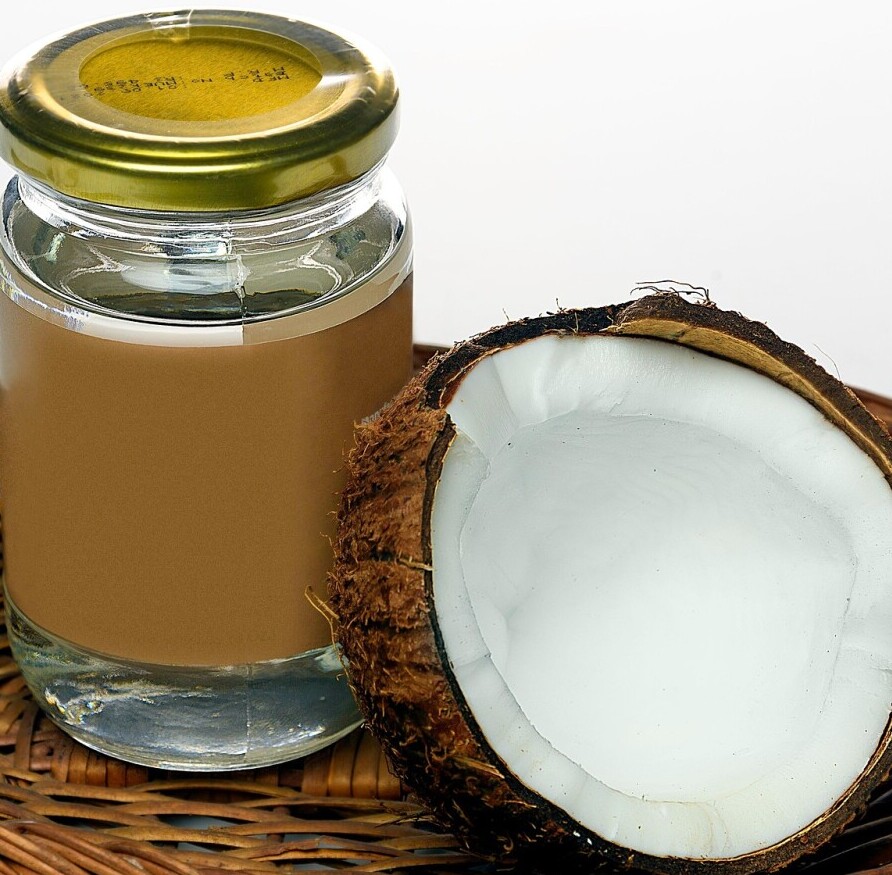
    On the other side, coconut oil, derived from mature coconuts, is famous for its ability to penetrate the hair shaft. Unlike shea butter, coconut oil’s structure allows it to seep into the hair, reducing protein loss and improving strength from within. It’s loaded with lauric acid, which not only nourishes the scalp but also conditions the hair.

    When it comes to moisturizing properties, both shea butter and coconut oil can be beneficial, but their impact varies depending on what your hair specifically needs. Shea butter is fantastic for locking in moisture and adding a heavier layer of protection. Coconut oil, with its deep-penetrating qualities, is great for people looking to strengthen their hair and improve scalp health.

    The interaction of these oils with the hair can differ significantly, too. Shea butter tends to sit on the hair shaft, providing an external barrier against dryness. In contrast, coconut oil’s ability to penetrate means it helps nourish from within, making the hair more resilient over time.

    When choosing between these two, consider what your hair craves. Do you need that thick, protective layer that holds moisture in? Shea butter might be your match. Or if your hair feels brittle and needs strengthening from the inside out, you might opt for coconut oil.

    Some folks even find success in using both, layering coconut oil first for its penetrating qualities, and topping it off with shea butter for that extra moisture-lock. This combo approach can give you the best of both worlds.

    Additionally some individuals cannot use coconut oil for their hair as there’s not much impact, therefore it’s better to use the oil that works well for you.

    Shea butter does not have a strong smell like coconut and can sometimes sit on your hair if you do not rub it on your hands. Coconut oil is light and disappears easily on your hair. I have written a lot about how to assess your hair type because this will also help you in knowing which oil to use for your hair.

    Which one do you prefer, coconut oil or shea butter?

  • Traditional Hair Care Practices In Africa

    African hair care traditions have such depth and variety. Every culture or tribe you touch upon has its own unique way of handling their hair. From the Maasai in East Africa to the Himba in Namibia, each community offers something distinct and beautiful that has been crafted and refined over generations.

    Historical context plays a key role in these hair care practices. In many African societies, hairstyles aren’t just about aesthetics—they’re a critical part of a person’s identity. Hair often signals status, age, and even marital status. It’s like every strand has a story to tell.

    Oral traditions are the unsung heroes here, passing on knowledge from grandmother to mother to child. These stories and teachings about hair care aren’t just instructions; they’re pieces of history woven into everyday life. You learn why certain ingredients are treasured or why particular styles emerged.

    Over the years, despite external influences trying to impose different standards of beauty, these traditions have persisted. They stand as a resilient part of African heritage, showcasing how deeply rooted and cherished these practices are. When you embrace these traditions, you’re not just caring for hair; you’re celebrating a cultural legacy.

    Natural Ingredients: The Secret Behind Beautiful African Hair

    When it comes to keeping hair healthy and vibrant, Africa’s nature provides a rich bounty of ingredients. From the lush shea butter of West Africa to the nutrient-packed coconut oil found in coastal regions, these natural ingredients have been hair care champions for centuries.

    Shea butter’s not just a moisturizer; it’s an all-star. Packed with vitamins and fatty acids, it can combat dandruff and add sheen to hair. Shea butter stands among the most cherished ingredients because of its versatility. You can use it to hydrate, as a base for a homemade hair mask, or even to style your curls the way your grandma taught you.

    And black castor oil? Let’s just say it’s not your average oil. Known for promoting hair growth and keeping the scalp healthy, this oil finds home in beauty routines far beyond Africa’s borders nowadays.

    Then there are the hidden gems like baobab oil or marula oil, lesser-known to many but cherished locally. Baobab oil, with its omega-rich content, works wonders for dry hair, while marula oil gives that velvety touch to the hair strands.

    The choice of ingredients is often influenced by the local environment. In areas with drier climates, options like argan oil or aloe vera help retain moisture and combat hair dryness.

    Incorporating these natural treasures into your hair care routine is like giving your mane a taste of Africa’s heart and soul. It’s more than just care; it’s a connection to nature and history, offering timeless benefits that are as relevant today as they’ve ever been.

    Rituals and Techniques: Mastering Traditional African Hairstyles

    Braiding and weaving aren’t just skills; they’re artistry passed down through generations, each twist and turn telling a part of history. From intricate beadwork to vibrant-colored threads, these styles aren’t just about looking good—they hold cultural significance that runs deep.

    Understanding different braiding techniques, like cornrows and Senegalese twists, involves tapping into a rich tapestry of cultural expression. Each braid can carry a different meaning, whether it’s a new stage in life or a clan’s symbol.

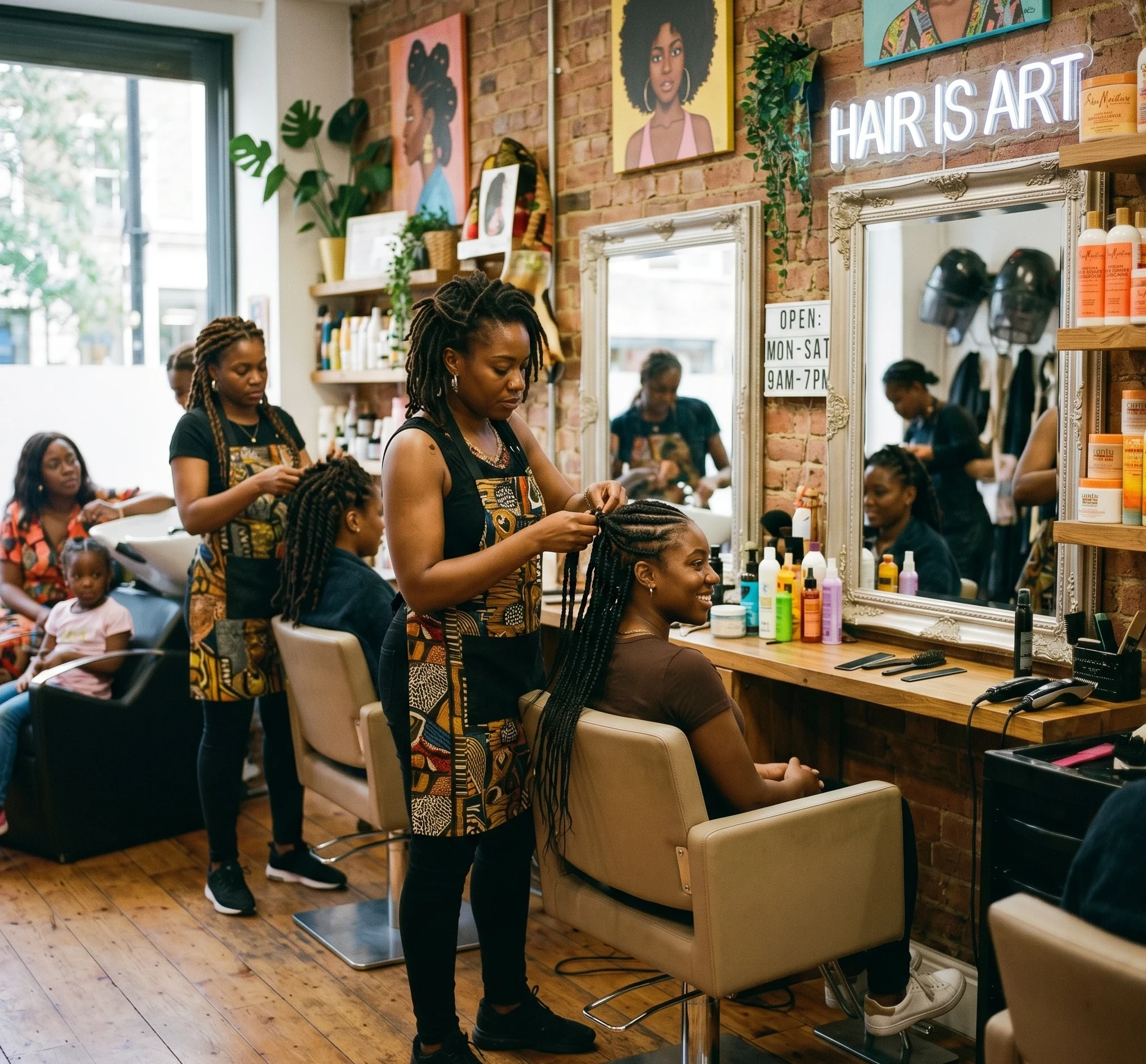
    The care and craftsmanship involved in these styles are meticulous. The techniques often require hours of attention and skillful fingers, paying homage to ancestral practices that celebrate patience and precision. Women often gather in social settings, where styling becomes a communal activity, fostering bonds and community.

    Maintaining these hairstyles involves specific techniques to ensure they last and look fresh. Using natural oils mentioned earlier, like shea butter, helps with locking in moisture while giving the hair a healthy sheen. Plus, tying hair up at night helps keep the style intact, showing that traditional hair care involves both creation and maintenance.

    Exploring these styles isn’t just about having a unique look—it’s about participating in an age-old tradition that champions identity, family, and heritage. Anyone embracing these practices taps into the collective wisdom and beauty passed on through time.

    The Role of Hair in African Identity and Cultural Expression

    Hair in African cultures extends far beyond style—it’s an expression of identity and a cornerstone of cultural storytelling. This connection to heritage shows how deeply personal and communal hair care practices are in African communities.

    For many, different hairstyles signify religious beliefs, social status, or tribal affiliations. Hairstyles can also indicate critical life transitions, like an initiation ceremony or marriage. Sporting a specific braid or design isn’t just a style choice; it’s a badge of honor and pride.

    The African diaspora has played a significant role in spreading these hairstyles globally. In new countries, African communities have used hairstyles as a way to keep their identities alive, and to share their rich cultural backgrounds with others around them.

    Hairstyling often forms a cornerstone of major life events. Whether it’s celebrating a childbirth, a wedding, or coming of age, hair signifies these milestones in vibrant, meaningful ways. It’s like a silent language that speaks volumes, connecting the past with the present.

    Even in everyday life, hair represents more than just physical appearance—it’s a form of personal expression and a link to the broader cultural tapestry. Embracing these practices is akin to taking part in a living, breathing tradition that bridges generations and continents.

    Modern Influences and the Renaissance of Traditional Hair Practices

    Today’s African hair care scene is a vibrant blend of tradition and modern innovation, thanks to cultural exchange and the information age. As people move across borders and cultures intertwine, traditional practices have found new audiences and inspirations. This cultural fusion is like a renaissance that breathes fresh life into age-old methods.

    Social media and popular culture have given traditional African hairstyles and hair care methods a global platform. Influencers and celebrities showcasing these styles help break down stereotypes and promote diversity in beauty standards. With each post and video, they celebrate the beauty and complexity of traditional African hair practices on a global stage.

    New products and technologies, like curl-definition enhancers or heat-protectant sprays, complement traditional methods, offering more options for styling and care. These innovations make it easier to maintain intricate hairstyles while preserving their integrity and cultural significance.

    These modern tweaks don’t replace the traditional knowledge passed down but enhance it, making these styles easier to access and maintain in today’s fast-paced world. This dynamic blend of old and new keeps the rich heritage of African hair care not only alive but thriving in contemporary society.

    Embracing this evolution means acknowledging the versatility and resilience of African hair traditions. It means participating in a cultural celebration that honors the past, enriches the present, and inspires the future.