Category: hair care

  • List Of Products For Natural 4c Hair That Are Not Carcinogenic

    Carcinogens – yeah, those nasty little culprits hiding in plain sight. They’re chemicals that can potentially cause cancer, and believe it or not, they’re lurking in some of your everyday hair products. For those of us dedicated to rocking our natural locks, finding hair care products that nourish without the risk is more than just a nice-to-have – it’s a must-have.

    In recent times, there’s been a major shift in the hair care world towards choosing safer, more natural products. Why? Well, more folks like you and me are clued into the long-term health implications of the stuff we slather on our scalps. There’s a good reason for this shift; no one wants to pamper their curls at the expense of their health.

    So, here’s the scoop: natural hair care products that steer clear of carcinogens promise a safer experience for your strands. Plus, they often pack a punch with ingredients that work hand-in-hand with your hair’s natural texture, helping you wave goodbye to the frizz and dullness and say hello to vibrant and healthy curls.

    It’s worth noting that consumers today are more informed—and vocal—about what they want in their hair care routines, mainly because they know that knowledge is power. So, when we talk about hair care without the carcinogenic nonsense, we’re also talking about a community that’s keen on transparency, protection, and embracing beauty that genuinely cares.

    Top Carcinogen-Free Ingredients to Look For in Natural Hair Products

    Finding the right stuff for your hair can feel like a serious quest. Many products out there include ingredients you really don’t want near your scalp or curls. Knowing which ingredients to look for—and which to avoid—makes all the difference in choosing truly safe and effective hair care.

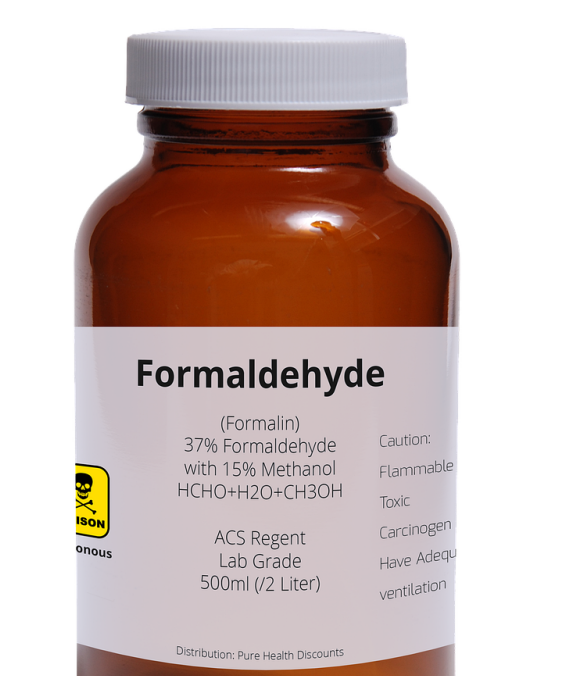
    First up, the no-go list: avoid nasties like formaldehyde, parabens, or phthalates. These chemicals might make products last longer or smell amazing, but they come with serious baggage. They are under investigation for their role as potential carcinogens, and that’s not something to be taken lightly.

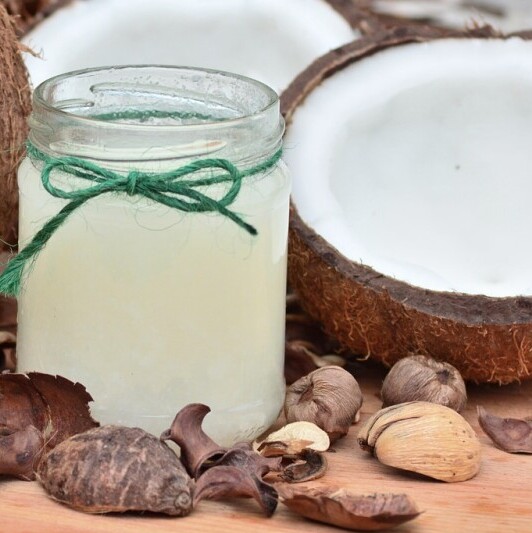
    On the flip side, there’s a buffet of goodies your hair will absolutely love. Think natural oils like coconut, jojoba, and argan. These aren’t just fancy buzzwords; they’ve got the science to back up their benefits when it comes to hydration and scalp health. Shea butter also pops up frequently for its moisturizing prowess, giving curls that oomph they’re craving.

    The secret sauce in great natural hair products is how they harness plant-based magic. Ingredients like aloe vera and green tea not only nourish but also act like natural shield against damage. Plus, these ingredients tend to be gentle, even on the most sensitive scalps.

    When hunting for safer options, look for cruelty-free and vegan labels. They’re not only kinder to animals and the planet, but they also tend to use clean formulas that align with a carcinogen-free lifestyle. These products break away from the industry norm to offer solutions that result in hair looking and feeling fabulous without the worry.

    Guidelines for Choosing Non-Carcinogenic Natural Hair Products

    When you stand in the hair care aisle, ever feel overwhelmed by the choices? Maybe your head’s spinning from all the fancy labels and long ingredient lists. If so, you’re not alone. Let’s cut through the confusion with some practical advice. Start by reading labels like a pro. Avoid anything you can barely pronounce or that sounds suspiciously chemical; these might mask something not so great for your hair or health.

    Eco-friendly certifications are your best friends here. These certifications are like a trust stamp; they tell you whether a brand is being honest about keeping its products clean and green. Think USDA Organic, Leaping Bunny, or even EcoCert. They’re not just fluff – they mean business when it comes to stricter regulations and better ingredients.

    But shopping for safe products doesn’t mean you’re stuck with expensive options or have to compromise on hair goals. Efficient use of products can enhance their benefits. Sometimes, less truly is more. A quality leave-in conditioner or curl cream that doesn’t coat your hair with unwanted chemicals might be all you need.

    To find brands you can trust, look for those with nothing to hide. Brands that proudly showcase their entire ingredient list are the ones doing it right. They’re often involved in the community and have regular feedback from users like you, making them more open to transparency. Top-notch customer service doesn’t hurt, too, especially when you’ve got questions to ask or things to clarify.

    Reviews & Recommendations: Best Products for Your Natural Hair

    Finding the right product feels like discovering a hidden gem; it makes every wash day a celebration rather than a chore. With so many brands pledging to offer non-toxic solutions, I’m here to help you sort the stars from the duds.

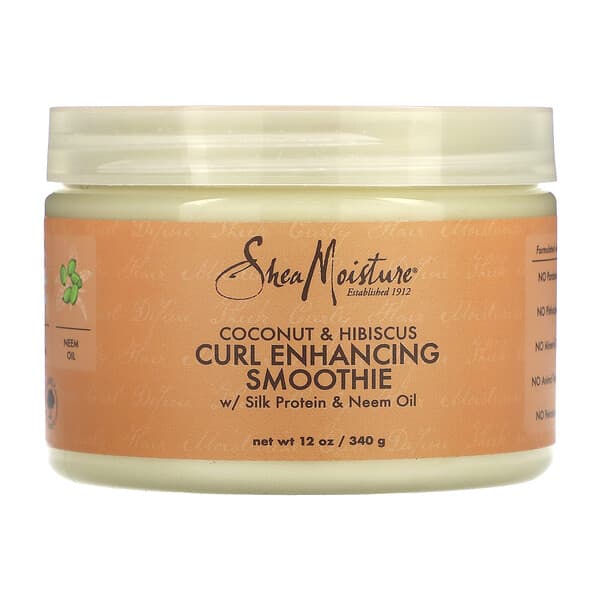
    Start with SheaMoisture’s Coconut & Hibiscus Curl Enhancing Smoothie. It’s a crowd fave, packed with natural ingredients like coconut oil and shea butter, bringing moisture and definition to your curls without harmful chemicals.

    SheaMoisture, Curl Enhancing Smoothie, Coconut & Hibiscus, 12 oz (340 g)

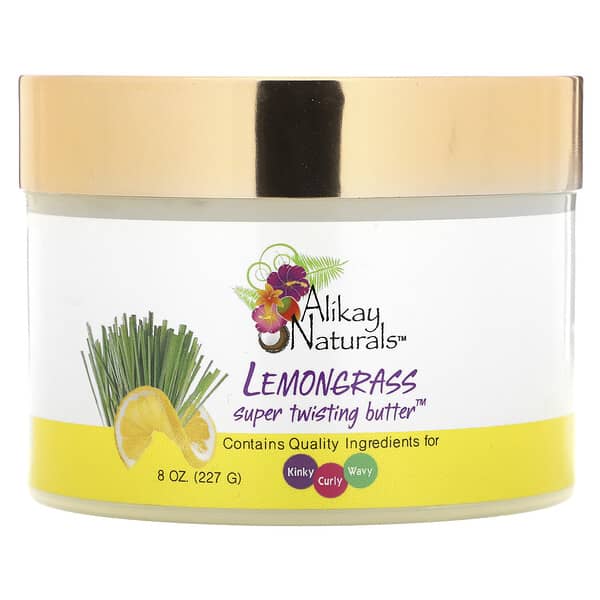
    Another standout is Alikay Naturals’ Lemongrass Leave-In Conditioner. Known for using botanical herbs and oils, it combines efficacy with safety, proving you don’t need to compromise health for luscious locks.

    Alikay Naturals, Lemongrass Super Twisting Butter , 8 oz (227 g)

    For a wallet-friendly option, check out Maui Moisture’s Heal & Hydrate + Shea Butter Hair Mask. Infused with aloe vera juice and shea butter, this revitalizing treatment nourishes and repairs, leaving hair soft and strong.

    Online reviews can also be your personal scouting fleet. Users often share candid stories from their hair journey—successes, and all—offering insight that brand advertising can’t offer. You get recommendations and warnings, saving you time and cash.

    When it comes to shopping, consider checking out platforms that specialize in clean beauty like Credo or The Detox Market. They’ve got stringent selection processes to weed out less-than-stellar products, and usually, user reviews are part of their inventory display, offering transparency into real-world results.

    Natural hair care that avoids carcinogens isn’t just a trend; it’s a movement toward self-care that’s as informed as it is rewarding. Finding the right products will not only help you embrace your curls but will also mean you’re making choices you can stand by.

  • Carcinogenic Hair Products And Are There Alternatives?

    Carcinogens are substances that can potentially cause cancer in living tissue. They’re serious business, especially when they find their way into everyday products like hair care items. These chemicals can sneak into your shampoo, conditioner, and other products in tiny amounts. Still, their effects can pile up over time, leading to health concerns.

    Many common hair products have been found to contain carcinogens. Ingredients like formaldehyde and coal tar, often found in shampoos, dyes, and other styling products, have come under scrutiny. Even fragrances, though they smell pleasant, sometimes include compounds that raise a few eyebrows among researchers. I was thinking of doing brazilian blow out which is known as a keratin treatment. I was tired of straightening my hair and I did not want to keep putting heat. As I was doing research on the products that they put on your hair, I realized they were carcinogenic and this made me realize I need to understand how to do my own hair.

    The beauty industry is regulated, but the rules can get a bit hazy. Some ingredients might pass through without enough testing because they’re deemed safe in small doses, but repeated use can change things. This is why staying informed matters – you gotta know what you’re putting on your scalp every day.

    Recent studies have raised alarms about the potential link between certain hair products and cancer risks, shining a light on the need for caution. They show that regular exposure could increase risks, especially when products contain known or suspected carcinogens.

    All these facts tell us that being aware of what goes into your hair products is essential. Checking ingredient lists, keeping up with recent studies, and demanding transparency can go a long way in protecting your health. Knowledge is power, especially when it comes to your wellbeing.

    The Science Behind Carcinogenic Risks in Hair Products

    When researchers zero in on carcinogenic risks in hair products, they dig deep into what’s really happening with those iffy ingredients. We’re not just talking hypothetical risks—scientific studies provide insights into how these substances affect our bodies.

    Scientists have found that certain compounds in hair products can lead to changes at the cellular level. These changes can potentially kick-start a chain of events that lead to cancer. For example, some chemicals can cause damage to DNA, which, if left unchecked, might result in cells growing uncontrollably.

    Research often targets how frequent, long-term exposure might increase risk. Studies regularly compare people who use these products often with those who don’t, and yeah, patterns can emerge. It’s these patterns that keep the conversation going about safer alternatives and better regulation.

    Out of the many studies, key findings have shown that not all products are equal in their risks. Hair dyes, for example, have been a major focus, particularly because they’re applied directly to the scalp—a highly sensitive area. The risks aren’t just limited to skin exposure. Inhaling fumes from certain hair sprays and relaxers also raises red flags.

    With all this information, it becomes crucial for consumers to understand the science backing these claims. It means staying alert about new research findings and understanding how scientific conclusions are drawn. Knowledge is your first line of defense against the potential hazards of carcinogenic ingredients in hair care routines.

    Identifying Products at Risk: What to Look Out For

    Not all hair products are created equal, and some categories are more prone to containing carcinogenic ingredients than others. Hair dyes, especially those used for permanent coloring, often top the list. Relaxers and some hair sprays can also hide a cocktail of risky chemicals. Even braids are now considered carcinogenic because of the chemicals that are coated on them.

    Brands that have faced controversies often end up under scrutiny. Keep an eye out for products from companies with a history of ingredient-related issues. The good news? Many brands are responding by reformulating their products to be safer.

    Learning to navigate the ingredient list on your hair care products is crucial. Complicated chemical names like phthalates or parabens are worse than tongue twisters—they’re ingredients you might want to avoid. What might seem like an extensive list of tongue-twisting chemicals could actually signal unnecessary additives, some of which are potential carcinogens.

    If you come across products with mysterious “fragrance” listed as an ingredient, pause for a minute. Often, this can be a catch-all term for various compounds, some of which could be of concern. This doesn’t mean avoiding fragrance altogether, but being selective matters.

    Consumers have power—asking brands directly about their ingredient practices or even reporting suspect products can push for greater transparency. Many companies are more than willing to share detailed safety data and they might provide peace of mind for cautious buyers.

    Safe and Natural Alternatives to Carcinogenic Hair Products

    Switching to non-toxic hair products is getting easier as more brands focus on safety. Many options now use ingredients you can pronounce and feel good about using. Stuff like coconut oil, shea butter, and aloe vera aren’t just kind to your hair; they’re potentially safer choices as well.

    Exploring brands that lead in offering cleaner, safer products can make a big difference. Companies like Aveda, SheaMoisture, and The Honest Company are setting standards for more natural hair care routines. They’re ditching harmful chemicals and opting for eco-friendly packaging too.

    Natural ingredients can pack a punch when it comes to hair care. Essential oils such as lavender or tea tree not only smell nice, but they may also boost scalp health and reduce itchiness. Henna is another stellar option for those looking for a natural hair dye alternative.

    Knowing which certifications to trust can simplify the search for safe hair care. Look for labels like ‘USDA Organic,’ ‘Cruelty-Free,’ and ‘Non-GMO Project Verified.’ They suggest the products underwent strict testing and meet high safety standards.

    Switching to natural hair products isn’t just a trend—it’s about taking charge of your health and the environment. It might take a bit of trial and error to find what works best for your hair type, but keeping safety in mind can lead to a routine that’s both effective and reassuring.

    What To Do If Impacted: Steps and Solutions

    Recognizing signs of exposure to harmful chemicals in hair products is crucial. Symptoms can vary, from irritations like redness or itchiness on the scalp and skin, to more serious concerns like hair thinning or heightened sensitivity. If you suspect exposure, taking action promptly can help mitigate risks.

    Consulting healthcare providers at the first sign of issues can give you a clearer path forward. Professionals can offer tests to determine if there’s been exposure and guide you on any necessary treatments or precautions to take. Don’t hesitate to get their expertise; it’s a step in the right direction for your peace of mind.

    If you’re planning on moving away from hair products with carcinogens, transitioning can be straightforward with the right approach. Gradually introduce safer alternatives into your routine to find what fits your needs best. This way you can minimize any potential withdrawal effects from suddenly stopping a product you’ve used regularly.

    Connecting with support networks and resources can help. Online communities often share personal experiences and brand recommendations, which can be invaluable when you’re navigating changes in your hair care routine. Consider joining forums or groups focused on non-toxic living.

    Taking these steps doesn’t just shift your approach to haircare. It empowers you to make more informed decisions in the future, helping to ensure you’re not just reacting to problems but actively curating a healthier lifestyle.

  • Easy Protective Styles For Short Natural Hair

    Short natural hair is beyond just a style; it’s a statement of confidence and authenticity. There’s something so refreshing about rocking your natural texture, and with the right care, it shines bright. Whether you’re just starting out or you’ve been owning your look for years, embracing your curls can be empowering.

    Every head of hair tells a unique story. With natural hair, understanding your specific curl pattern and texture is key. Maybe you’re a coil enthusiast, or perhaps your curls are looser, or even a mix. Knowing this helps tailor how you care for and style your hair, making the day-to-day management smoother and more enjoyable.

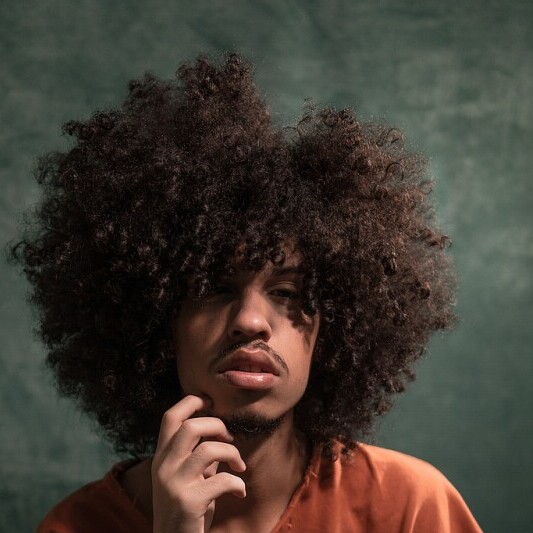
    Short hair needs love just like long tresses. It’s about enhancing your natural beauty and working with what you got. Adding definition to your curls with lightweight gel or mousse, or showing off volume by teasing your fro just right—these little tricks elevate your style instantly. And let’s not forget, sometimes simplicity shines the brightest. A clean, freshly washed ‘do can be incredibly sophisticated.

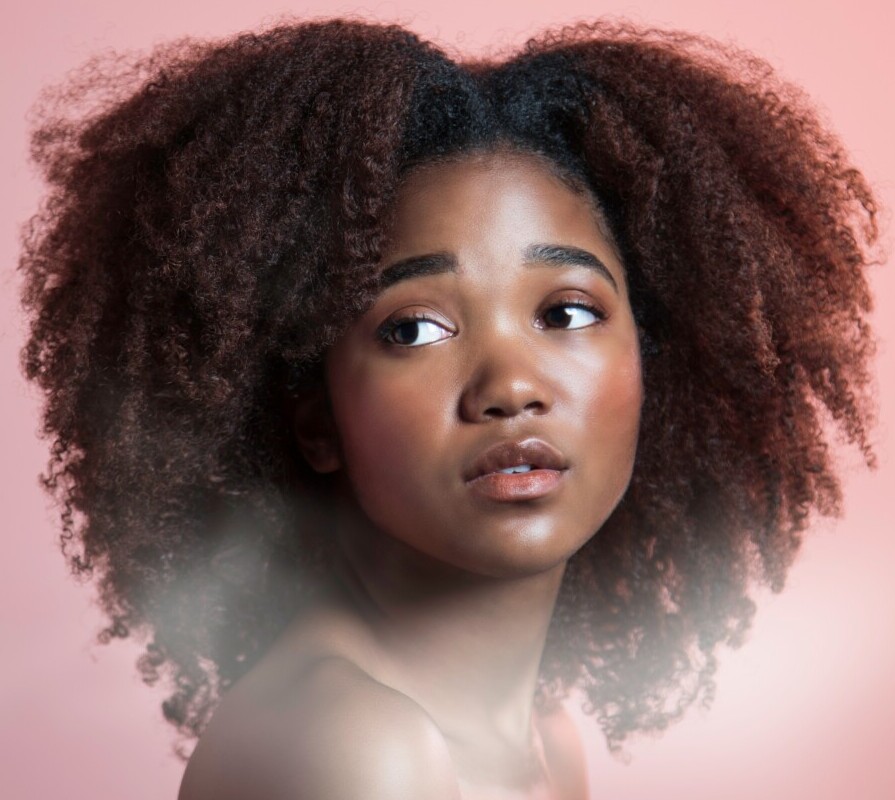
    Short Afro hair

    Building a routine that works for you is half the battle. Regular cleansing, conditioning, and a bit of styling work wonders. Short hair can sometimes show the results of poor health more readily, so keeping it nourished and moisturized is crucial. Look for products that hydrate, protecting your strands from everyday wear and tear.

    Benefits of Protective Styles for Short Natural Hair

    Protective styles aren’t just for fashion—they’re a lifesaver for maintaining short natural hair. With less fuss and more focus on keeping your hair healthy, these styles offer both flair and function. They help in preserving those precious inches and taking a break from daily hair management.

    When you’re aiming to reduce breakage, protective styles work wonders. These styles shield delicate ends from environmental stressors, keeping your hair healthier and stronger. No more worrying about frizz and flyaways from that unexpected rain shower! Plus, who doesn’t want to save time on styling in the morning?
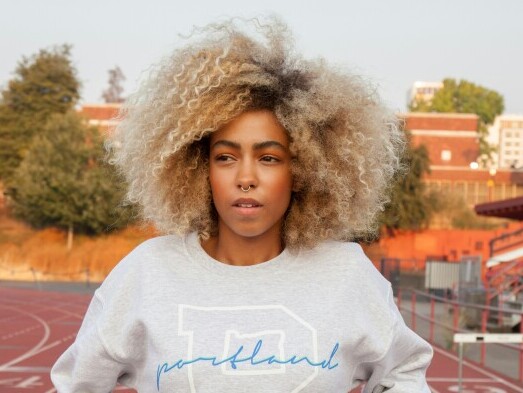
    Curly colored hair

    Imagine starting your day with minimal styling time. Protective styles give you that luxury. Once you set your hair, you’re usually good to go for days, sometimes weeks. It’s all about maximizing your time without sacrificing your style.

    Another bonus is moisture retention. Natural hair thrives on moisture, and with protective styles, your hair retains more of its natural oils. This can mean a softer texture and enhanced curl pattern. Check your hair and feel the difference yourself!

    Ultimately, giving your hair a bit of a rest is key to maintaining its health and strength. Taking breaks between styling routines can help your hair breathe and grow without being constantly tugged or manipulated.

    Top 5 Easy Protective Styles for Short Naturals

    Twist-outs are a fabulous go-to for showcasing curls. This technique involves twisting sections of your hair and letting them set into defined curls. Once dry, unravel them gently for a look that can easily last a few days. It’s a style that’s easy to achieve and maintain.

    twist out curly hair

    Bantu knots bring both style and cultural heritage to the forefront. These small coiled buns not only protect your hair but also offer a striking look. They’re perfect for turning heads and having a bit of fun with your style without much hassle.

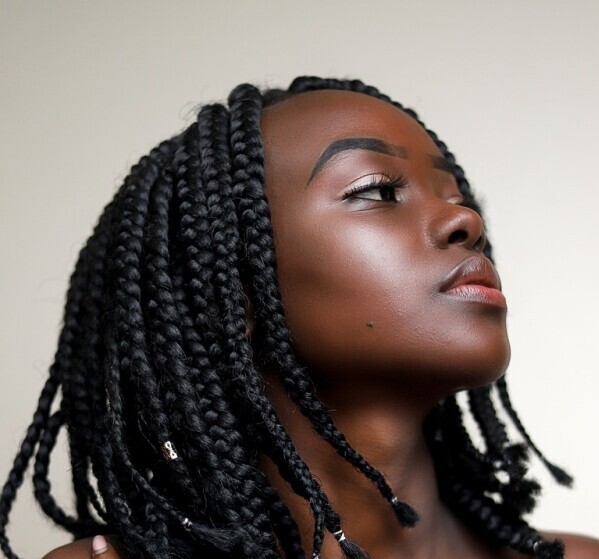
    Box braids aren’t just for long hair. Short natural hair looks chic and polished with the right size of braids. They offer a classic look without weighing down your strands, are versatile, and can even be dressed up or down depending on your outfit or event.

    Braids

    Cornrows and flat twists are timeless. They keep the hair close to the scalp, reducing tension while looking sophisticated. For an added twist, combine different patterns or part designs to create something uniquely yours.

    Wigs and extensions are a safe bet for variety. If you’re craving a longer style or simply want to switch things up, wigs allow you to experiment without making permanent changes. Just make sure to keep your natural hair moisture-locked beneath to maintain its health.

    Tips for Maintaining and Transitioning Between Styles

    Keeping your scalp healthy while wearing protective styles is crucial. A clean and moisturized scalp makes all the difference. Try using a scalp serum or oil to soothe any itchiness and keep your skin hydrated.

    Choosing products tailored to your hair type can make or break your styling efforts. Lightweight moisturizers or leave-in conditioners are ideal for maintaining softness and avoiding buildup that could weigh down your curls.

    Managing time between styles ensures longevity in hair health. Take short breaks between protective styles to allow your hair and scalp to breathe. These rest periods are perfect to pamper your hair with a deep conditioning treatment.

    Regular trims are often overlooked but are essential. Even in protective styles, keeping your ends clipped helps prevent split ends from creeping up the strand, keeping your hair looking fresh and healthy.

    Switching styles should be fun, not stressful. Experiment with new looks but maintain a balance. Listen to your hair and give it what it needs—a mix of styling and rest can make your journey more enjoyable.

  • Complete 4C Hair Care Routine: Daily Guide for Natural Hair in Kenya

    Afro hair is a stunning gift, diverse and full of character. It comes in shapes and textures that tell stories, a testament to the uniqueness of the cultures it represents. What sets afro hair apart is its structure—tight curls or coils that can range from soft to strong. These curls might seem high-maintenance, but they promise the beauty of texture and volume unlike any other.

    Caring for afro hair means understanding its features like porosity, density, and elasticity. These aren’t just fancy hair science terms but insights into how your hair absorbs moisture, how thick it feels, and how far you can stretch those curls without snapping them. Knowing these will change how you approach hair care altogether, ensuring you’re not just preventing damage but actually nurturing.

    Now, let’s shake loose those myths. Some folks think afro hair grows slower or needs less frequent washing. Not true! It grows just as fast as any other hair type—it just curls on itself, which can make length changes less noticeable. Regular washing is essential, using products that feed your hair’s thirst and maintain balance, not that generic shampoo on the drugstore shelf.

    Celebrating afro hair means embracing its glorious curls and acknowledging the versatility it offers. From wild and free afros to intricate protective styles, there’s a whole world to explore and enjoy. It’s not just about how your hair looks—it’s genuinely about letting your natural beauty shine unfiltered. Recognize the beauty in its diversity and let it be your crown.

    Daily Moisturizing Rituals: Keeping Your Curls Lush

    Keeping afro hair moisturized is like feeding a plant—essential for growth and glow. Afro hair thrives on moisture, soaking it up to stay supple and less prone to breakage. Identifying the right ways to lock in hydration every day can make a world of difference to your curls.

    Start your day by dampening your hair with a spritz of water or a water-based moisturizing spray. This primes your hair, creating an optimal base for any products that follow. The goal here is not just about slathering on creams or oils; it’s about layering moisture effectively. Think of it as building a cake—layer by layer for maximum effect.

    Natural oils play a big part in moisturizing afro hair. But here’s the kicker—oiling your hair every day might not always be the best approach. Too much oil can weigh hair down, making it limp and greasy. Instead, listen to your hair’s needs. Apply lightweight oils like jojoba or almond a few times a week to enhance shine and reduce dryness without the buildup.

    Choosing between natural oils and commercial products can be tricky. Products with shea butter or aloe vera can offer fantastic moisture retention, but always check the ingredients for sulfates or alcohol, which can dry out your strands. Tailor your choices to your hair’s needs and preferences, keeping it balanced and hydrated.

    Remember, moisture isn’t a one-time gig, it’s a daily commitment. A consistent moisturizing schedule leads to softer, more manageable curls—your hair’s very own happy place. Listening to your hair and adjusting your routine as needed will ensure those curls stay lush and lively, day in and day out.

    A Consistent Hair Care Routine for Healthy Afro Locks

    Building a solid routine for afro hair is a bit like crafting a perfect playlist—each step matters, and skipping one can disrupt the entire vibe. To start, know that consistency is key. Your hair thrives on regular love and attention, not random acts of care.

    For those transitioning from chemical treatments to natural maintenance, patience is your best friend. As your hair comes into its own, gentle handling becomes crucial. Using a sulfate-free shampoo nourishes without stripping, while a deep conditioner provides the weekly TLC your curls crave.

    Protective styles like braids or twists are your allies against daily wear and tear, especially in harsh weather. They minimize breakage by tucking away ends, which are the oldest and most fragile parts of your hair. But remember, even protective styles need breaks—your scalp needs to breathe.

    Taking care of an afro is not a one-size-fits-all deal. It’s about tuning into your hair’s unique needs, exploring products and techniques, and seeing what your curls respond to best. Regular trims help keep split ends at bay, ensuring your hair grows strong and healthy. I normally trim every three months but you have to work best with the condition of your hair.

    Maintaining afro hair effectively means embracing what works for you and being open to switch things up as your hair evolves. Explore lightweight filters for your shower to reduce chlorine and contaminants, keep a satin pillowcase handy to reduce friction at night, and let your curls shine with pride.

    Solving Common Challenges: Expert Tips and Tricks

    Every so often, afro hair might throw a curveball your way—dryness or tangles that make you want to throw in the towel. But don’t sweat it, a few expert tricks can set things right without a hitch.

    Tackling dryness starts with drinking enough water. Hydration works from the inside out, giving your hair the moisture it craves. Complement your water intake with creamy leave-in conditioners; they add an extra moisture boost without the need for daily reapplication.

    When it comes to tangles, grab a wide-tooth comb or your fingers to gently sort through any snags. Start from the ends and work your way up to the roots. It’s slower, but less breakage means your hair retains its shine and bounce.

    Eco-friendly and ethical products deserve a shout-out too. They prioritize natural ingredients, keeping harsh chemicals at bay. This means you’re being kind to your hair and the planet. Look for certifications and do a quick ingredient check to ensure you’re making the best choices.

    Budget can sometimes feel like a barrier, but caring for afro hair on a tight budget is totally doable. Simplify your routine: Invest in multi-tasking products and make the most of DIY remedies like aloe masks or avocado treatments. With a bit of creativity, your hair can thrive without breaking the bank.

    Staying in tune with your hair’s needs and experimenting with these strategies will set you on the path to conquering the everyday challenges of caring for an afro. With dedication and the right tricks, your hair will not just cope, but flourish.

  • How To Prevent Hair Breakage In Afro Hair

    Afro hair is made up of tight coils or curls, which can make it more vulnerable to breakage if not handled with care. But why does African hair seem to break more easily, you ask? Well, it’s all about those twists and turns. The natural twists in Afro hair can reduce the movement of natural oils down the strand, leaving the ends a bit dry and prone to splitting.

    Afro hair

    4C hair, in particular, has the tightest curls of all the hair types, which means it’s more fragile and requires some extra love and attention. The challenge with 4C and other Afro hair types is maintaining just the right moisture balance. Too little, and the hair can become brittle; too much, and it might lose its shape or become limp. So, it’s all about striking a balance that works specifically for your hair type.

    People often wonder why Afro hair breaks so easily. The reality is each hair type has its own quirks. For Afro hair, avoiding over-manipulation and harsh chemicals is crucial. Every tug, pull, and chemical straightening can add up over time, making the hair more susceptible to breakage.

    In the end, understanding these unique hair needs isn’t just about preventing breakage but also celebrating the vibrant, stunning nature of Afro hair. It’s about learning to love and care for your locks in their natural state, with all their glorious kinks and curls.

    Foundation for Healthy Afro Hair: Proper Care Routine

    Crafting the perfect hair care routine for Afro hair starts with gentle handling. Afro hair needs a nurturing touch to thrive, so taking it easy on your hair is key. When washing, always opt for sulfate-free shampoos to keep moisture intact. Balancing moisture is crucial, so follow up with a deep conditioner that hydrates and strengthens hair strands.

    Moisturizing is your hair’s best friend. Regularly apply leave-in conditioners or hydrating creams to keep your hair feeling plush and healthy. Don’t shy away from oils like jojoba or argan. These are excellent for sealing moisture and adding some shine, making your curls pop with vitality.

    Implementing a solid hair care routine means not just focusing on what you put on your hair but also on what you put in your body. Eating a nutrient-rich diet loads of fruits, vegetables, and proteins can help with hair resilience and growth. And of course, staying hydrated by drinking plenty of water keeps those locks luscious.

    Lastly, don’t forget to listen to your hair. It tells you what it needs if you pay attention. Whether it’s avoiding excessive heat or sticking to protective styles that promote growth, maintaining a routine isn’t about rigidity—it’s about understanding what works for you.

    Protective Styling and Hair Breakage Prevention

    Protective styling serves as a solid shield against breakage and lets Afro hair shine without daily wear and tear. These styles keep the ends tucked away and limit manipulation, which helps in reducing the dreaded breakage.

    When choosing protective styles, options like braids, twists, or buns can work wonders if done correctly. It’s all about making choices that suit 4C hair without causing stress on the scalp or hair strands.

    Afro hairWhile protective styles are incredible for hair retention, they can backfire if they’re too tight or left in for too long. Tight styles can cause tension and breakage, especially around the hairline. Keeping it comfortable and loose is the way to go.
    Switch up your styles and give your hair breaks in between. Hair needs downtime just like we do. Sometimes, letting it breathe by going into a low-manipulation style or even wearing it out naturally can provide that much-needed rest.

    Common Mistakes and How to Avoid Them

    1. When caring for Afro hair, a few missteps can lead to more harm than good. One common mistake is over-reliance on heat styling. Sure, straighteners and blow dryers can give a sleek look, but frequent use can zap moisture, leading to brittle ends. If heat is necessary, always use a heat protectant and keep the temperature as low as possible.
    2. Skipping regular trims makes matters worse too. It’s a myth that skipping trims will help hair grow faster. In reality, trimming those split ends prevents them from traveling up the hair shaft and causing further breakage.
    3. Product buildup is another sneaky culprit. Afro hair loves moisture, but layering too many products can lead to buildup, making hair dull and prone to breakage. Clarifying shampoos every few weeks can help cleanse your scalp and hair, giving it a fresh start.
    4. Finally, keep an eye out for hair damage signs. If your hair feels brittle, looks dull, or breaks easily, it could be time to reassess your routine. Sometimes, a few changes in how you handle and style your hair can make all the difference. Pay attention, adjust as needed, and your hair will reward you with health and vibrancy.

    What other tips do you think are useful to prevent breakage in Afro hair? Let me know your thoughts below.

  • 10 Best Gels For Afro Medium Hair Styling

    Afro medium hair is something special with its own fabulous flair and challenges. Its unique texture demands extra attention, mostly because it has a natural tendency to lose moisture more easily than other types. This means keeping it hydrated is a top priority. I mean, who likes a dry, frizzy mane, right? Understanding what your hair craves can help you elevate those curls to a whole new level of awesome.

    It’s all about moisture retention, folks! Without the proper hydration, afro hair can become brittle and prone to breakage. Moisturizing gels can work wonders by sealing in that moisture, leaving your hair healthier and shinier.

    Now let’s talk about gels. They’re lifesavers for afro hair, trust me. These babies serve up hold, definition, and shine while ensuring your hair doesn’t feel like a rock. A well-chosen gel can redefine curls, control frizz, and add that extra oomph you’re looking for.

    Climate and environment play a big role too. If you live somewhere humid, you know how quickly hair can turn into a frizzy mess. The right gel can act as a barrier against humidity, keeping those curls poppin’ all day long. And in drier places, it helps maintain your hair’s moisture balance, keeping it soft and fluffy. Keeping these factors in mind makes all the difference in rocking your afro medium hair with confidence.

    Key Features to Look for in Hair Gels

    When it comes to picking the perfect gel for your afro medium hair, ingredients matter – a lot. Natural components like aloe vera, shea butter, and essential oils should be top of your list. They not only provide moisture but also give your hair some serious TLC.

    Frizz control is another biggie. A good gel works hard to keep those flyaways in check. Look for gels that promise long-lasting hold without the crunch. A smooth and flexible gel gives your curls definition while maintaining that soft touch we all crave.

    One thing you definitely don’t want is an allergic reaction. Some gels can be harsh on sensitive scalps, so choosing hypoallergenic options can save you from those itchy, uncomfortable experiences. Plus, an aromatic gel that smells divine? That’s just the cherry on top.

    Finding the balance between hold strength and hair health is crucial. Super-strong gels might hold your hair in place during a hurricane, but they can also feel like wearing a helmet. Look for a gel that offers medium hold to keep your style intact without sacrificing bounce and movement.

    Curly hair is a canvas, and gels add vivid detail. They enhance the natural curl pattern, helping each curl pop with vitality. A gel that encourages healthy curling takes your hairstyle from nice to wow.

    Top 10 Gels for Afro Medium Hair

    Finding the right gel for afro medium hair can feel like searching for a needle in a haystack. So, here’s my take on the top 10 out there. I’m breaking things down based on how well they perform, the safety of their ingredients, and what folks like you have said about them.

    Each gel comes with its own flair, catering to different needs. I’ve got products that range across budgets because great hair doesn’t need to burn a hole in your pocket. Look out for details like pricing and where to snag these treasures.

    User testimonials can be your compass in this sea of products. No one understands the struggles and joys of afro hair as much as fellow users. Their insight on each gel’s pros and cons can help you navigate your way to best results.

    Comparing their strengths and weaknesses can give you a clearer picture. Some might provide stellar hold but could fall short on moisture, while others offer unparalleled shine but might not tame frizz as effectively. It’s about finding what ticks all your boxes.

    Tips for getting the most out of each gel might just change your hair game entirely. Simple things like how you apply the gel or combining it with other products can amp up your hairstyle, making you strut your stuff with confidence.

    The first gel that must get a honorable mention is

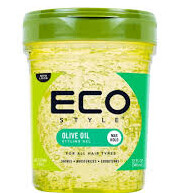
    1. Eco Style Gel Olive Oil

    One of the great things about the Eco style olive oil get is that it will keep your hair moisturized and additionally lay it down without being too dry.

    Eco -style has many different types of gels, however I will put in most of the ones that I have used.

    The price of the Eco-style gel varies from $7.27 to $8.99 (prices in USD), depending on your budget you can look for a suitable cost.

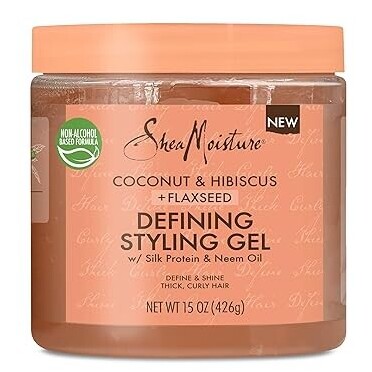
    The second gel that I find great and works well on afro hair is Shea Moisture brand known as Coconut & Hibiscus infused with Flaxseed

    1. Shea Moisture Coconut and Hibiscus + Flaxseed defining styling gel

    Shea moisture depending on your hair type is great because it contains moisturizing ingredients. Another thing about it is that is leaves the hair soft and smooth.
    The price of Shea Moisture varies from $9.18 – $10.99 (prices in USD)

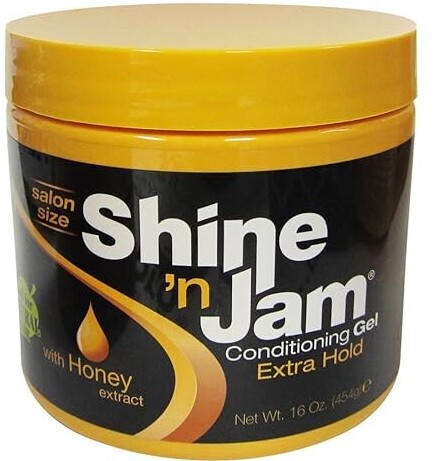
    1. Shine and Jam conditioning gel

    I like this one because it has a great smell, and it also has a good hold to the hair. It’s also great when you want to braid your hair because it lays the hair down and it looks neat and moisturizes as well. It works well for me but I do not for others the hold is not as strong after some time.

    The price for Shine & jam conditioning gel is $3.48 – $7.49

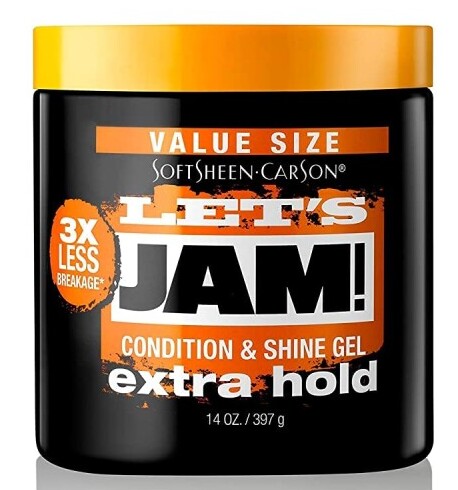
    1. Softsheen Carsons ‘Let’s Jam”

    For me the Softsheen is great for hairstyles that are for laying down like a bun because you want it to look shiny and not dull. Now when it comes to how much get you should apply, it should not be much but it does last on your hair and it looks good.
    Softsheen carson cost is from $ 4.48 – $6.29

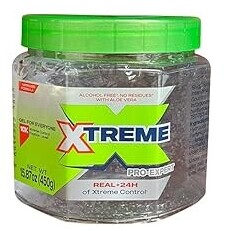
    5. Xtreme Gel Control

    Xtreme is a great gel for any hair type, it is great for dry hair. It also has more aloe vera gel in it which works very well for my hair. It does not leave hair feeling crunchy and dries quite quickly. It has a great smell and it’s value for money will vary on your budget but for me the size makes it worthwhile.
    The price of Xtreme gel is from $4.88 to $6.79.

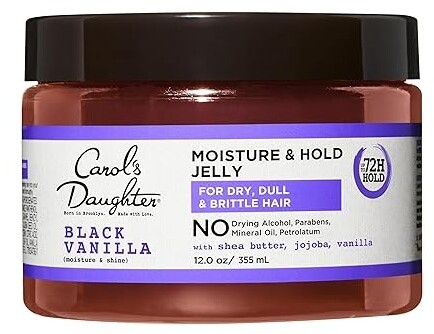
    6. Carols Daugher Moisture & Hold

    Carol’s daughter moisture and hold is also for all hair types but a part from dry hair it’s also ideal for curly and damaged hair. It’s mainly due to the fact that it holds moisture well. For some it does not hold moisture well and they have to add some oil and It tends to be a little sticky and the value for money is also dependent on your budget.
    The price of Carols daughter black vanilla ranges from $ 10.99 to $ 16.49

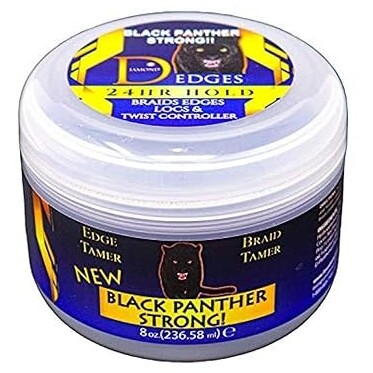
    1. Black Panther Gel

    Black Panther gel, is a good gel for braids, locs and your hair for styling. It has a great hold and it’s not think like other gels. It’s quite light and does the work that is necessary. When it comes to cost, it’s also dependent on what you are looking for in terms of price.
    The price of black panther gel ranges from $ 9.99 to $ 14. 24

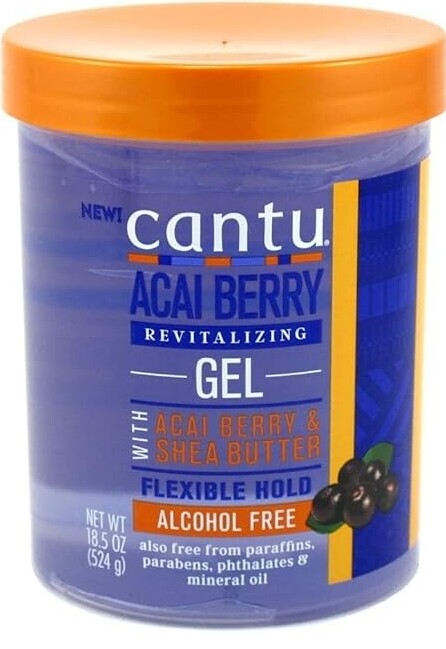
    8. Cantu Acai berry gel

    Cantu Acai berry is one of the best gels, it does have more natural ingredients and it has a good hold. The only thing with the Cantu Acai berry is the price it’s a little bit on the higher end although a little bit of the gel goes a long way.
    The Cantu Acai berry price is from $26.90

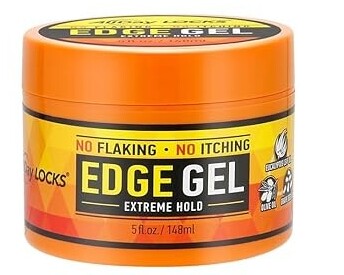
    9. Edge gel extreme hold

    The edge gel extreme hold is a tough one it’s quite effective in holding down the hair. I find that it’s best for braiding and edges, however in terms of flaking it’s controversial because it tends to cause some flaking depending on your hair type so this is something that could be a bit of a debate.
    The edge gel prices are from $ 9.95 to $15. 49

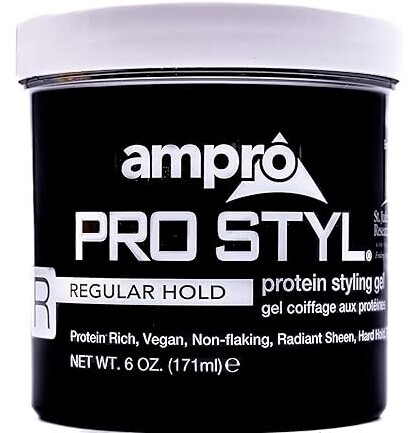
    1. Ampro Gel

    The final gel is Ampro gel, it’s well known and it definitely budget friendly. Depending on your hair type it does hold for some and not so well for others. It’s a great gel for a brief period of time but I say with gel’s stick to the one that is working for you.


    Ampro gel is quite budget friendly as it starts from $1.99 to $5.99

    Pro Tips for Gel Application on Afro Medium Hair

    Applying gel might seem straightforward, but a few tips and tricks can really perfect your style. Starting with damp hair is key. Gel locks in that moisture, and trust me, it’s way easier to work with strands that aren’t dry as a bone.

    The technique is everything. Rake the gel through your hair using your fingers or a wide-tooth comb to make sure it’s evenly distributed. This helps avoid those dreaded clumps or spots that are rock-hard while others are too soft.

    Flaking can be a real annoyance. Sometimes it’s the gel and other times it’s the combination of products. Ensuring your hair is clean and doesn’t have a buildup from previous products can make all the difference.

    You want volume, not helmet hair, right? Fluff your roots a bit once the gel’s set to maintain a natural look. It keeps the curls flexible and lively instead of hard and crunchy.

    Maintaining your look between washes is totally doable. Sleep with a satin bonnet or on a satin pillowcase to reduce friction, which can lead to frizz. In the morning, a little water and a bit more gel can reactivate yesterday’s style, giving it a fresh bounce.

    Some wisdom from hairstylists and everyday users goes a long way. Try experimenting with layering gels or mixing them with creams to see what concoction your hair loves best. Hair doesn’t always play by the rules, so a bit of fun and experimentation can yield surprising results.

  • Story Of Afro Hair Trends Worldwide

    Afro hair has a rich and fascinating history, and it’s been on quite the journey! From ancient African societies where hair conveyed social status, tribe, and identity, to its impactful statement in the cultural movements of the 1960s and 1970s. Afro hair isn’t just about styles—it’s a whole vibe that tells stories.

    During the Black Power movement, Afro hair became a powerful symbol of pride and defiance against societal norms that pushed Eurocentric beauty standards. Iconic styles like the voluminous Afro were not just about aesthetics but represented a reclaiming of cultural identity.

    With fashion and media playing a huge role, Afro hairstyles have continuously reinvented themselves. Remember the influence of celebrities rocking cornrows and twists on our screens? How these styles cross borders and appear in high-profile magazines is testament to Afro hair’s dynamic nature.

    These days, we’re witnessing a glorious revival of traditional styles but with fresh twists. People are rocking Bantu knots with a whole new flair or flaunting their natural textures in ways that celebrate what our hair can do. It’s about embracing the narrative that our hair is versatile, expressive, and ours to define.

    twisted hair

    Through time, Afro hair has always been more than just a trend—it’s an ever-evolving story of identity, culture, and empowerment. So whether you’re looking to rock something classic or invent a new look, know you’re part of this amazing legacy.

    Contemporary Afro Hair Styles and Their Cultural Significance

    Afro hair today is brimming with creativity and expression, showcasing everything from striking braids to free-flowing natural fros. These styles aren’t just eye-catching—they’re steeped in meaning and connected to cultural narratives that elevate their allure.

    Popular trends now include protective styles like box braids and twists—practical yet stunning ways to embrace natural hair while safeguarding it from environmental stressors. More than just fashion, these styles are about maintaining the health and strength of your hair.

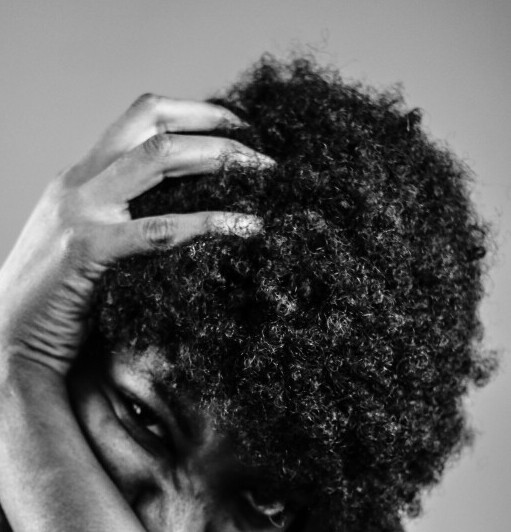
    Having a natural fro is back in a big way, not just as a nod to past eras but as a bold statement of self-love and authenticity. It’s about celebrating what naturally grows from your head and taking pride in it, no additives needed.

    Social media has become a powerful platform for Afro hair, where influencers and everyday folks alike are spreading the beauty and versatility of Afro styles across the globe. It’s a place to learn, share, and redefine what Afro hair means today—tapping into a community that celebrates diversity.

    Afro hair is often tied to identity and pride. When we embrace these styles, we’re challenging stereotypes and reshaping societal norms about beauty. It’s about recognizing and honoring the cultural significance these styles hold, making a statement just by being unapologetically you.

    The contemporary Afro hair scene is a vibrant tapestry of innovation and tradition. Whether you’re all about pushing trends or sticking to what feels true to you, what’s important is the story you’re telling through your unique style.

    The Future of Afro Hair Trends: Innovation Meets Tradition

    Afro hair styling is on the brink of a thrilling evolution, blending traditional artistry with modern-day innovation. The fusion of these elements is creating a unique path for future trends that are both cutting-edge and rooted in rich cultural heritage.

    Upcoming trends highlight the return to natural aesthetics, where texture and volume lead the way. Don’t be surprised to see more individuals flaunting their natural coils with pride, embracing a DIY spirit that encourages personal flair and experimentation.

    The convergence of technology and tradition is reshaping Afro hair care in exciting ways. New tools and products are emerging to help maintain natural styles with ease and efficiency, catering to various hair types and needs. Virtual influencers and platforms provide a wealth of tutorials and resources, making sophisticated styles attainable for everyone.

    Many hair care brands are focusing on sustainability and ethical sourcing, ensuring that future trends also align with eco-friendly values. Products crafted with natural ingredients not only promise healthier hair but also reflect a commitment to protecting our planet.

    The future of Afro hair is all about coalescing innovation with history—creating styles that are as forward-thinking as they are respectful of the past. So whether you’re considering trying a fresh look or preserving your cultural heritage while introducing modern flair, you’ll be riding the waves of this evolving trends.

  • Natural Remedies For Dandruff In Afro Hair

    If you’re dealing with the pesky flakes of dandruff, know that you’re far from alone. Dandruff can be a real nuisance, especially when it affects afro-textured hair, which often requires unique care due to its delicate nature. So, what exactly is dandruff? It’s more than just an inconvenience; dandruff is a common scalp condition marked by flaking and sometimes itchiness. The main culprits? They range from dry skin and seborrheic dermatitis to more obscure factors like a certain type of fungus that resides on our scalps.

    Why does dandruff seem more troublesome in afro hair? It’s often because afro hair is inherently dryer due to its coiled structure, which prevents natural oils from easily traveling down the hair shaft. This dryness can exacerbate scalp issues, making dandruff more apparent and sometimes harder to manage.

    But it’s not just a cosmetic concern – dandruff can affect the overall health of your scalp and hair. Ignoring it can lead to further irritation, potential hair loss, and can inhibit healthy hair growth. Addressing dandruff is key to maintaining not just the look, but the vitality of your hair.

    Transitioning into the next section, we’re going to explore how natural remedies can play a significant role in combating dandruff. Don’t worry too much about harsh chemicals or pricey treatments; nature has provided quite a few tools that may help soothe your scalp and reduce flaking. Choosing something that resonates with you and your lifestyle is crucial, and I’m here to help you with that.

    The Role of Natural Remedies in Dandruff Treatment

    When you’re wrestling with dandruff, especially with afro hair, it’s tempting to reach for heavy-duty chemical solutions. But hold on a second. There’s more to this story.

    Let’s look at why natural remedies might just be the better path to tread. For starters, they’re gentle. Chemical treatments can be harsh and strip natural oils from your hair and scalp that afro-textured hair particularly relies on. Natural alternatives, however, tend to be milder and can maintain, or even boost, these essential oils.

    You might be thinking, ‘Do natural remedies actually work for dandruff?’ In my experience, when used right, they can be quite effective. The idea here isn’t to replace medical shampoos if you’ve been prescribed those, but to complement them or use natural remedies if your case of dandruff is mild or part of routine care.

    Embracing a more holistic approach means looking at dandruff treatment not as a quick fix but as part of an ongoing hair and scalp wellness strategy. It’s about working with the natural ecosystem of your scalp rather than against it.

    So, what kinds of natural remedies am I talking about? You’re about to find out. Essential oils like tea tree oil boast antifungal properties that can help fend off dandruff-causing yeast, while natural moisturizers such as shea butter keep your scalp hydrated and less flaky.

    Remember, treating dandruff with a mindset rooted in long-term health rather than quick fixes is key. Don’t just drench your hair in the latest fad. Choose something that resonates with you and your unique hair needs. And as always, if you’re navigating significant scalp issues, reaching out to a dermatologist is a wise move.

    Top Natural Remedies for Dandruff in Afro Hair

    Now, let’s get into some powerful natural remedies for tackling dandruff in afro hair. Choosing something that resonates with you is key, and I’ve gathered a list of remedies that you can easily try at home.

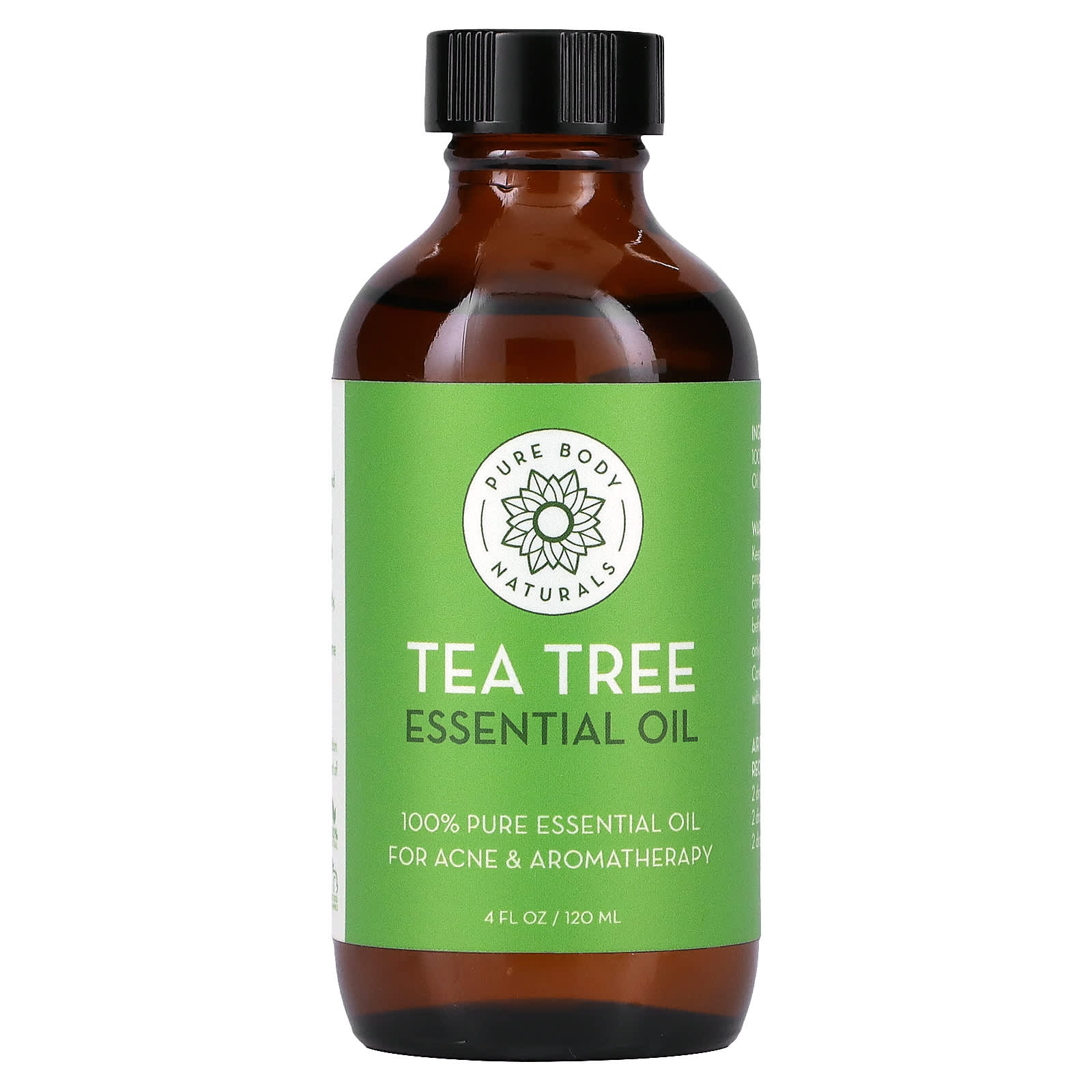
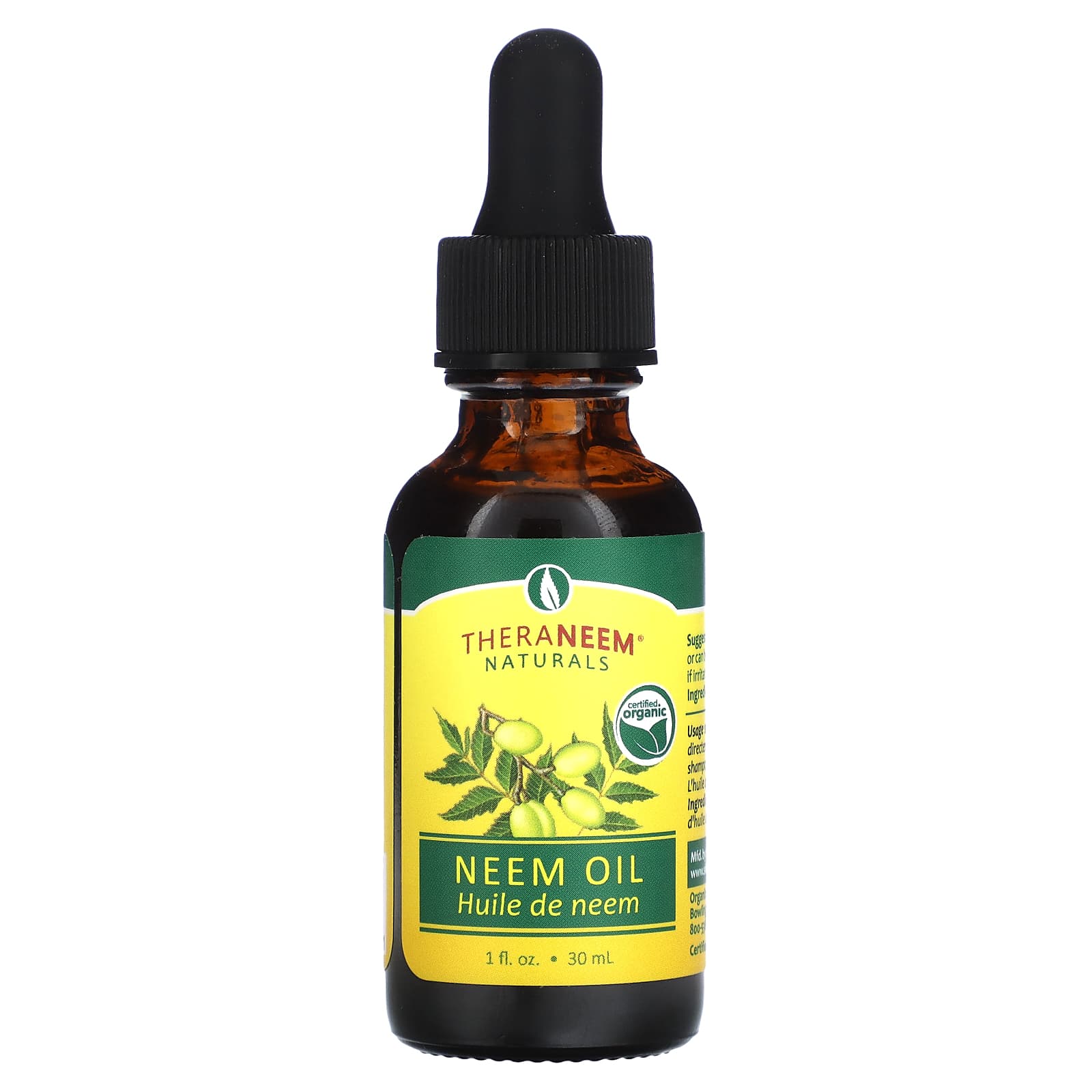
    Essential oils are a godsend for dandruff. Tea tree oil, for instance, isn’t just fragrant; it’s packed with anti-fungal properties that can soothe an itchy scalp. Neem oil is another heavy hitter, known for its ability to combat dandruff-causing fungus and relieve inflammation.

    Your scalp is like a garden – it needs the right kind of moisture to flourish. Products like coconut oil and shea butter are like rain for a thirsty garden; they deeply moisturize the scalp and prevent flakiness, without clogging pores or weighing down your curls. Your hair porosity also needs to be considered when choosing remedies for dandruff.

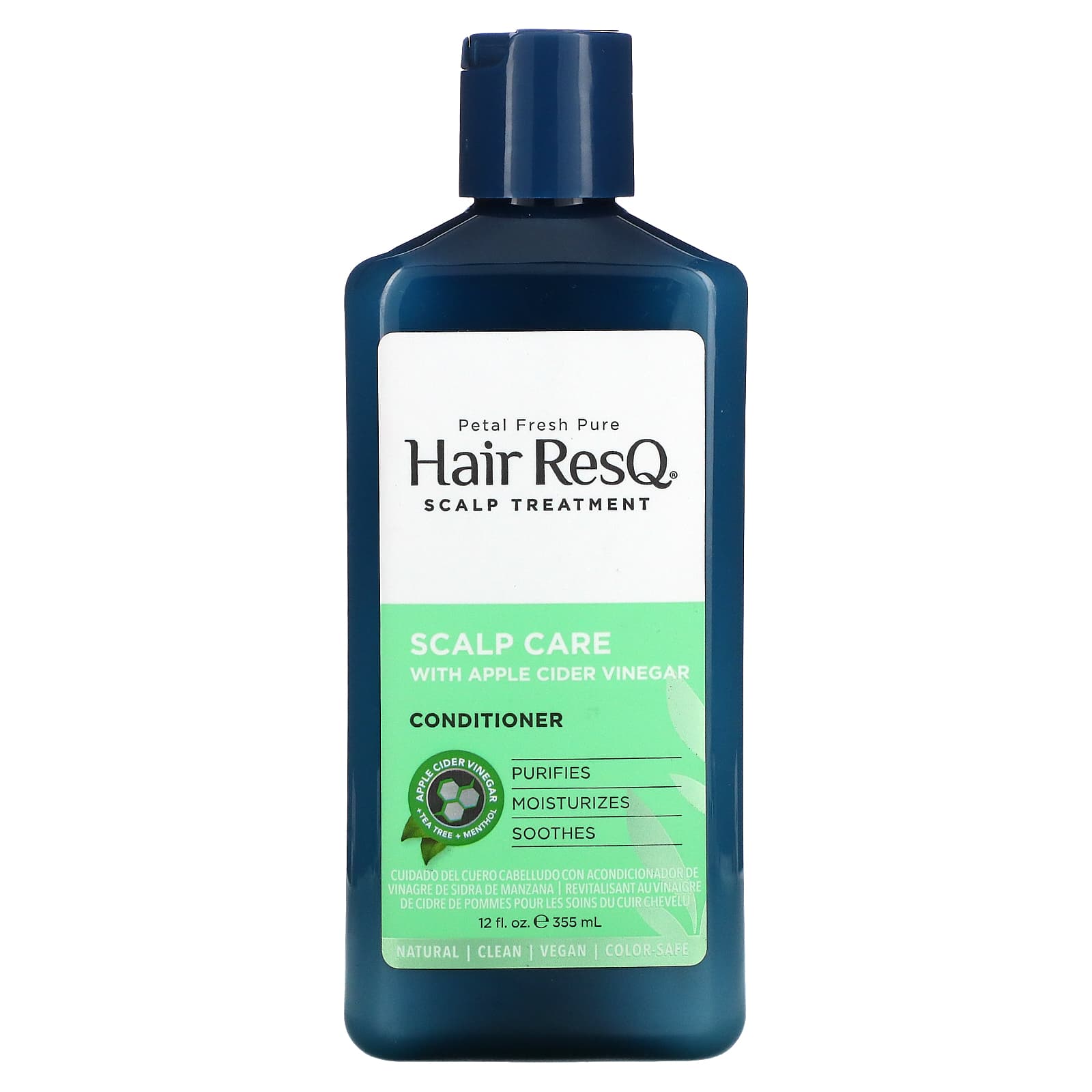
    You’re going to find out that herbal solutions offer tremendous benefits. Aloe Vera is incredibly soothing and can calm an irritated scalp, while apple cider vinegar helps balance the pH levels, keeping dandruff at bay. Just applying these directly can kickstart your journey to a healthier scalp.

    But don’t just focus on topical treatments. What you eat also plays a part in scalp health. Hydration is crucial, so drinking plenty of water is a must. Incorporating foods rich in omega-3 fatty acids, like salmon or walnuts, can also help improve the condition of your scalp.

    You can always adjust your approach down the road, but trying out these natural remedies could be your first step towards a flake-free scalp. And remember, success in natural dandruff treatment isn’t an overnight phenomenon – it’s about consistency and finding what works for you.

    Incorporating Natural Remedies into Your Hair Care Routine

    Now that you’re aware of some powerful natural remedies for dandruff in afro hair, you’re probably wondering how to integrate these into your daily regime. It’s about maintaining balance and paying close attention to how your scalp reacts. Here’s a straightforward guide to help you get started.

    Start by choosing one or two natural remedies that resonate with you. There’s no need to overwhelm your hair care regimen right off the bat. For instance, try massaging tea tree oil diluted in a carrier oil into your scalp, and notice if there’s a positive change over a couple of weeks.

    Consistency is key. Whether you’re using apple cider vinegar as a rinse after washing your hair or applying shea butter to seal moisture, stick with it. Give any new treatment time to work – dandruff didn’t appear overnight, and likewise, it won’t disappear instantly.

    Always perform a patch test before fully adopting a new product, especially if you have sensitive skin. That’s going to include dabbing a little bit on your wrist and waiting a day to ensure there’s no adverse reaction.

    It’s crucial to remember that what works for someone else might not work for you. Each scalp and hair type is unique, and sometimes what’s needed is a bit of experimentation. Keep an open mind, and don’t be afraid to adjust your approach.

    Finally, while natural remedies can be incredibly effective for mild to moderate dandruff, they are not cure-alls. If your dandruff persists or you experience severe itching, redness, or irritation, seek advice from a dermatologist or trichologist. Your scalp’s health is paramount, and at times, professional treatment may be necessary to address underlying conditions.

    I really hope that you find these tips helpful and that they lead you to a flake-free, healthy-scalped future. Remember, patience and persistence are your best friends on the journey to a dandruff-free life.

    To obtain any of these products in the article feel free to go to iherb which will provide the products if you would like to try them.

  • Protective Styling To Prevent Hair Breakage On Afro Natural Hair

    Protective styling isn’t just a set of hair techniques; it’s a crucial approach to maintaining afro natural hair’s health and vitality. It involves tucking away your ends, which are the oldest and most fragile part of your hair, to shield them from daily environmental stress.

    One of the main reasons you’re going to find protective styling so beneficial is its ability to help you retain hair length. By keeping your ends safe from mechanical damage like rubbing against clothing or rough surfaces, the likelihood of breakage drops significantly.

    Moreover, afro-textured hair thrives on moisture, and protective styles are great for keeping that vital hydration locked in. When your hair is styled in such a way that it doesn’t constantly lose moisture, it stays stronger and more resilient. A good moisture balance directly correlates with fewer split ends and breakage.

    Now, this isn’t just hearsay. There’s a firm scientific basis behind it. Experts agree that reduced manipulation of your hair—achieved through styles that don’t require daily combing or styling—can contribute to length retention and overall hair health. It’s all about minimizing the stress on your hair strands.

    Next, you’re going to learn how to choose the best protective styles that suit your hair type and complement your lifestyle. This includes knowing which styles work best for your hair’s texture and porosity, and how to personalize these styles to align with your daily routine and personal flair.

    Choosing the Best Protective Styles for Your Hair Type and Lifestyle

    In my opinion, not all protective styles are created equal, especially when it comes to afro natural hair. Your unique hair texture and lifestyle should guide your choice. I’m here to help you with that decision.

    Let’s talk about the factors that should influence your choice. Think about your daily routine, the time you can dedicate to hair maintenance, and how your hair reacts to different styles. For example, if you’re an active person, you might prefer a low-maintenance style that stays intact during workouts.

    You’re going to find out about some popular protective styles now. Braids, like box braids or cornrows, are classics for a reason. Twists are another go-to, including options like Senegalese or passion twists. For those wanting less manipulation, updos or bun styles can be a great choice, keeping the ends tucked away and secure.

    Choose something that resonates with you, but also be mindful of your hair’s needs. If your hair has low porosity, it’s better to opt for styles that don’t require frequent wetting and allow for easy product application.

    Don’t worry too much about sticking to trends. A lot is happening very quickly in the world of hair fashion, but the best protective style for you is one that protects your hair and fits seamlessly into your life. Next, we’ll delve into how to install these styles without inviting damage, because the last thing you want is a style that’s supposed to protect your hair to be the cause of harm.

    Essentials Techniques for Installing Protective Styles without Causing Damage

    Pre-styling hair care is crucial for maintaining strong, breakage-resistant strands. Before you even begin braiding or twisting, ensure your hair is clean, moisturized, and detangled. Using a leave-in conditioner or a light protein treatment can fortify your hair’s natural structure, making it less prone to snapping under strain.

    When it comes to the actual installation process, gentle handling is the name of the game. Start by sectioning your hair neatly and applying a nourishing oil or butter to seal in moisture. As you weave each section, be mindful of the tension you’re applying. Your roots should feel secure, but never painful.

    Speaking of tension, it’s the enemy of healthy edges. Over-tightening can lead not only to immediate discomfort but also long-term damage like traction alopecia. If you’re installing braids or twists, they should be snug but comfortable, allowing for natural movement without pulling at the scalp.

    Lastly, while DIY styles save money, don’t underestimate the value of a seasoned professional stylist. They have the expertise to choose the right tension for your hair type and can offer personalized advice for your specific needs. If you decide to go to a salon, make sure you communicate any concerns you have about tension and scalp health.

    Maintaining Your Protective Style for Optimal Hair Health

    Nurturing your protective style isn’t just about looking good; it’s a crucial element in keeping your afro natural hair healthy. Let’s talk about some daily maintenance tips that can make all the difference. Regular scalp care is paramount. You’re going to find out about lightweight oils and sprays that can refresh your hair without causing build-up.

    If you want to avoid dryness and promote growth, I’m here to help you with some product recommendations and do-it-yourself solutions that are kind to your hair and pocket. This is where a good hydrating spray infused with essential oils like peppermint or tea tree can provide both moisture and a healthy scalp environment.

    But remember, even the best protective styles have an expiration date. You’ll need to know the signs that suggest it’s time to free your locks and let them breathe. Prolonged tension can lead to damage, so don’t worry too much about stretching your style beyond its healthy lifespan.

    After removing your protective style, think hydration, hydration, hydration. Your hair has been tucked away, and now it’s craving moisture. Treat it to a deep conditioning session to restore elasticity and shine. Maybe you’ve been dreading the take-down process, but it’s also an opportunity to check the health of your hair and give it the TLC it deserves.

  • Tips For Dealing With Postpartum Hair Loss With Afro Hair

    If you’re grappling with postpartum hair loss, you’re not alone. This condition, formally known as telogen effluvium, affects countless new mothers, leading to a noticeable decrease in hair density. But here’s some reassuring news: It’s usually temporary.

    Afro hair, with its unique spiral shape, can be naturally drier and more fragile compared to other hair types. Because of this, it can seem like the shedding is more pronounced, but in reality, it’s a normal process many new mothers go through regardless of hair type.

    The reason behind this hair loss lies in the roller coaster of hormones that accompanies pregnancy and birth. During pregnancy, elevated estrogen levels often mean fuller, thicker hair. However, those levels drop dramatically after birth, leading to the shedding phase.

    It’s vital to debunk myths and prevent unnecessary worry. One common misconception is that postpartum hair loss can lead to permanent bald patches, which isn’t typical, especially with the right care.

    Understanding what’s happening to your body will set the foundation for nurturing your scalp and hair back to health. With this knowledge in hand, let’s explore how a nourished scalp can be the starting point for your hair’s revival in the next section.

    Nourishing Your Scalp: The Foundation of Healthy Hair

    I’m going to let you in on a little secret: beautiful hair starts with a healthy scalp. Especially when you’re dealing with postpartum hair loss, giving your scalp a bit of extra TLC can make all the difference. Afro hair, known for its stunning texture and volume, can be particularly prone to dryness, so nourishment is key.

    You’re going to find out about foods that are great for hair growth. Incorporating items rich in vitamins A, E, and B, minerals like zinc, and proteins can feed your hair from the inside out. Think about tossing some spinach into your smoothie, or having a snack of nuts and seeds. Trust me, your hair will thank you.

    When it comes to products, choose something that resonates with you. Natural oils like coconut, jojoba, or castor oil can lock in moisture while encouraging growth. I’m all for thorough hydration—using leave-in conditioners formulated for afro hair can provide lasting moisture.

    Don’t worry too much about mastering intricate techniques right away. Start with gentle scalp massages, maybe while watching your favorite show. This encourages blood circulation and can help wake up those sleeping hair follicles. Just a few minutes a day can contribute to healthier hair.

    Another point that cannot be understated is avoiding tight hairstyles that put stress on your hair roots, such as tight ponytails or braids. While these styles can look amazing, it’s best to give your hair a break now and then to prevent any additional shedding or damage.

    Gentle Hair Care Practices to Minimize Breakage

    You’re going to find out about some key strategies to help protect and maintain your hair during this delicate postpartum phase. Afro hair, by its very nature, is prone to dryness and breakage, so let’s focus on how to gently care for it to reduce further loss.

    Detangling is critical, but it needs to be done right. Always opt for a wide-tooth comb or use your fingers to tease out knots. Work from the ends up to the roots to minimize breakage. Hydration is key during this process, so make sure your hair is moist with a leave-in conditioner before you start.

    Protective styling isn’t just a fashion statement—it’s a hair savior. Styles like twists, braids, and updos can keep your hair tucked away, lessening daily manipulation and protecting it from breakage. Remember, the goal here is low tension to prevent adding stress to your already fragile hair roots.

    Your washing routine should also get an update. Switch to a gentle, sulfate-free shampoo and use it sparingly. When you do wash your hair, follow up with a rich, restorative conditioner, and consider a monthly deep conditioning treatment to replenish moisture and strengthen hair strands.

    If you can, avoid chemical treatments and heat styling, as they can lead to further damage and loss. If you must use heat, protect your hair with a proper heat protectant and keep the temperature as low as possible. Embrace your natural texture as much as you can—your hair will thank you for it.

    Choose something that resonates with you when it comes to hair products. Go for items that are specifically designed for afro hair textures. Look for ingredients like shea butter, coconut oil, and aloe vera that can do wonders in keeping your hair nourished and resilient.

    Emotional Support and Managing Expectations

    Dealing with postpartum hair loss, especially when you’re already adjusting to motherhood, can be more than just a physical challenge; it’s an emotional one too. It’s vital to remember you’re not alone in this. Connecting with other women who understand exactly what you’re going through can be incredibly comforting.

    Online forums and local mom groups can be amazing resources where you can share your experiences and learn from others. Don’t be afraid to speak out about how you’re feeling. You might find that many will share their own stories, tips, or words of encouragement that will resonate deeply with you.

    Setting realistic expectations is also part of the emotional journey. Your hair might not snap back to its pre-pregnancy state quickly, and that’s okay. Progress in hair regrowth can vary from person to person. Give yourself grace during this time and focus on the steps you’re taking to nurture your hair back to health.

    Lastly, if your hair loss feels unusually excessive or is causing you significant stress, it might be time to consult a professional. A trichologist or dermatologist specializing in hair and scalp health can offer you personalized advice that can help ease your mind—and perhaps find solutions that are right for you.