Category: hair moisture

  • Natural Hair Care Expert Kenya | 4C Hair Tips & Products | Afro-Queen

    Expert 4C hair care tips and natural hair routines for Kenya. Discover the best products, styling techniques, and daily care guides for healthy afro hair in Nairobi and beyond.

  • Finding Confidence In My Natural Hair

    Finding Confidence In My Natural Hair

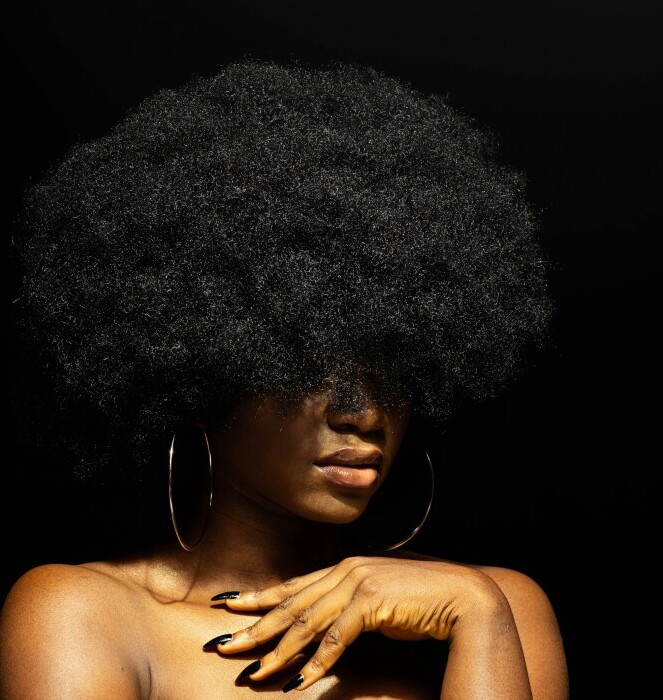
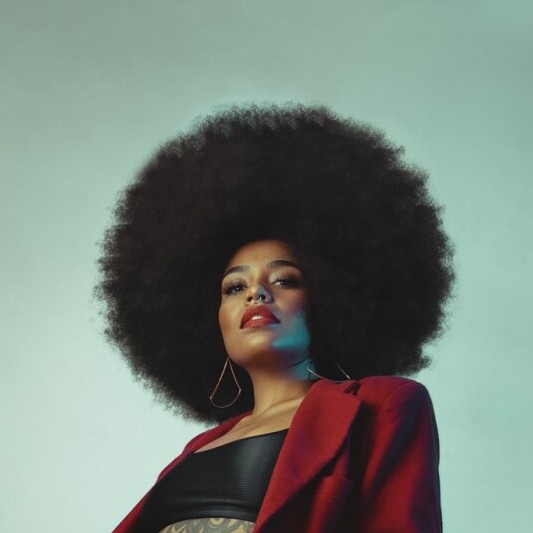
    Natural hair is more than just a hairstyle; it’s a deep connection to culture and history. This deep, rich story is about pride, resilience, and a regained identity that’s been passed down through generations. From the majestic afros of the ’70s to today’s myriad of styles, natural hair has always been a statement of individuality and strength.

    Making peace with natural hair isn’t just about aesthetics. It’s about discarding beauty standards imposed on us and understanding our unique beauty. For many, accepting natural hair marks the start of a journey toward self-love, shaking off the influence of commercial ideals that often don’t celebrate our true selves.

    There’s a lot to reckon with—internalized biases, societal pressures—and standing in solidarity with powerful historical icons helps balance that act. I found courage in stories from those who walked this path before me. I remember when I was younger, it was difficult for me to rock my natural hair because I always thought that straight hair was easier to manage and maintain.

    More than just washing and styling, the process of wearing my hair naturally became a journey of self-discovery. My hair represents so much of who I am, and maintaining it became an act of reverence. For every textured strand, there’s a lesson in patience, resilience, and embracing this beautiful chaos as part of my identity.

    The Power of Community: Finding Support in Sisterhood

    Finding my place in the natural hair community has been like discovering a second family. These connections are more than just social media follows or group meet-ups. They are networks of support and empowerment that have helped me navigate my journey with natural hair.

    Being part of forums and groups opened my eyes to new techniques and products and showed me that I wasn’t alone in my struggles and triumphs. Sharing tips and stories transforms what could easily be a lonely path into an exciting adventure full of encouragement.

    Events, whether virtual or in-person, offer more than educational opportunities; they’re celebrations of our culture and individuality. Walking into a room full of folks who proudly rock their curls and coily patterns is a liberating experience. It transforms the narrative from one of isolation to community.

    Mentors and influencers play a huge role in this journey. Their videos and blogs provide guidance, but more importantly, they represent a lived experience that resonates. Following their paths and adapting their lessons has been invaluable.

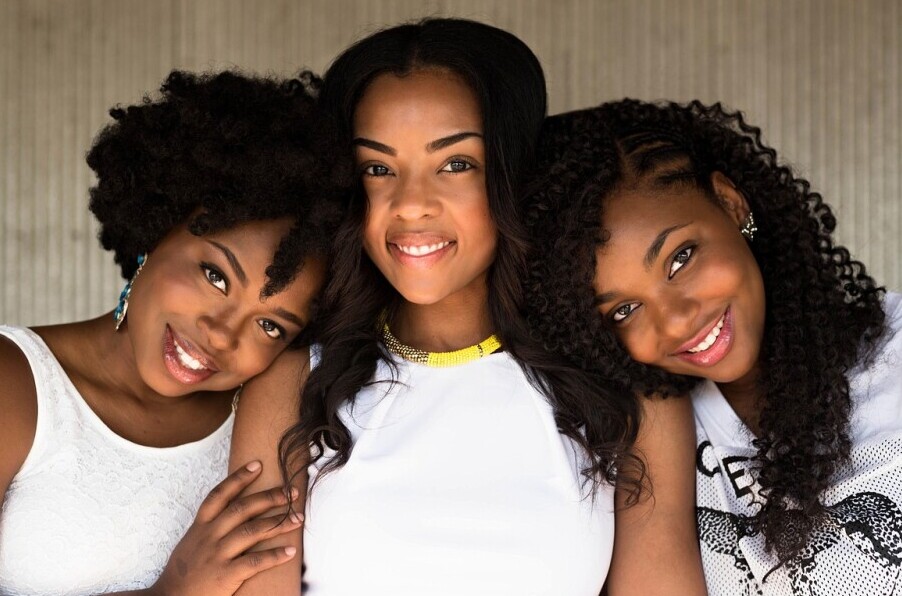
    In sisterhood, I’ve found reassurance and a fierce sense of pride, knowing that I walk with a community that celebrates me as I am. It’s a vibrant network, always ready to uplift and support, reminding me that this journey, though personal, is never solitary.

    Educate, Experiment, Elevate: Navigating Your Natural Hair Care Routine

    Getting to know my hair type was like unlocking a personal code, offering insights into what my hair loves and what it could do without. Once I nailed down my curl pattern and porosity, the world of hair care broadened into limitless possibilities.

    Product experimentation became an essential part of my routine. I learned over time that it isn’t about chasing everything new on the shelves but about understanding what ingredients and formulas work best for my hair’s unique needs. Trust me, that ‘aha’ moment when the right product clicks is worth all the trial and error.

    Playing around with styles let me embrace my creativity and self-expression. It’s fun, sometimes messy, but always illuminating. Those moments in front of a mirror, figuring out a new twist or braid, are small wins that boost my confidence.

    A healthy hair routine is more than just products; it involves knowing and appreciating the natural beauty of my hair as it is. Stepping away from myths and focusing on nourishing my hair from scalp health to ends was game-changing. Once I broke free from misconceptions, my hair flourished, and I felt more connected to it.

    Educating myself and reflecting on my progress has become second nature. Celebrating the small achievements alongside the big victories keeps my love for my natural hair strong and steadily growing. Every step, from detangling to protective styles, is one more part of the ongoing journey.

    Radiating Confidence: Celebrating the Beauty of Natural Hair

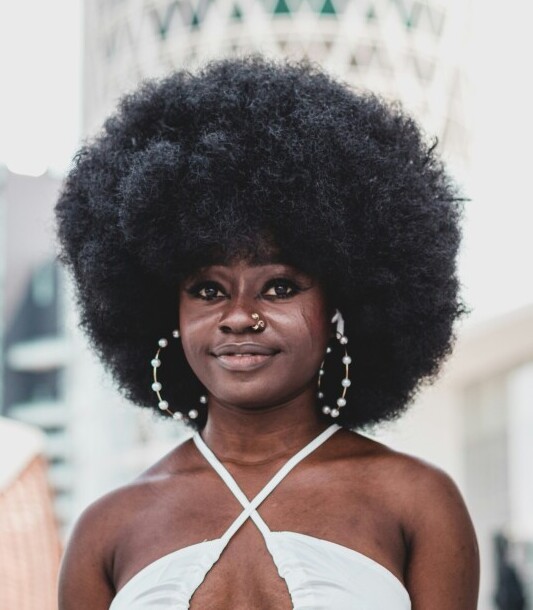
    Natural hair isn’t just a thing, it’s the crown I wear every day, and each twist and coil is a testament to my journey. Rocking natural hair, I learned, is about flipping the script on beauty norms that have stuck for way too long. It’s about celebrating the uniqueness that only I possess.

    Confidence isn’t a switch you flip overnight. It’s in those little moments like navigating my first successful twist-out or basking in the compliments of friends who notice the bounce and shine. Standing tall with my natural hair hasn’t just been about looking good; it’s about feeling good on the inside too.

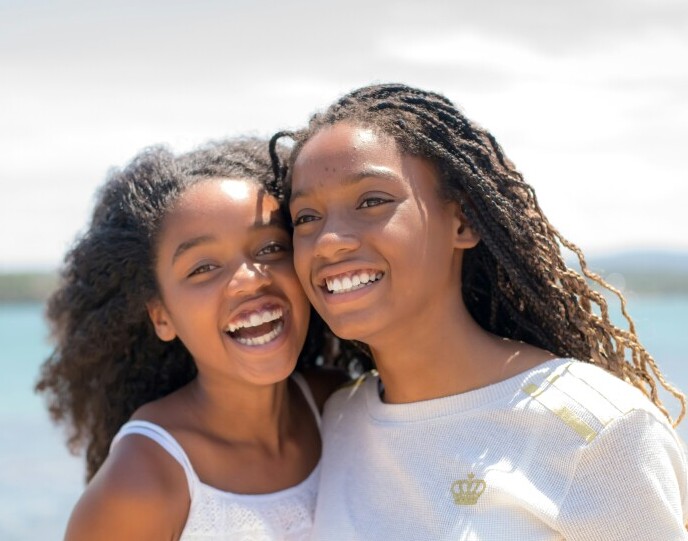
    Being a role model, even when I didn’t realize it, pushed me to own every curl unapologetically. The younger generation is watching, many of whom look up to the examples we set. Showing them that our natural hair is beautiful can ignite their confidence at an early age.

    Self-love became an integral part of my journey. Embracing imperfections and reveling in the days when my hair had a mind of its own, taught me to find joy in every texture. Those moments are a gentle reminder of the strength and beauty in my natural state.

    Celebrating our hair isn’t just personal; it’s a powerful message that inspires others to embrace the beauty within themselves. With every milestone—whether it’s a length goal or simply achieving healthy, happy hair—I find myself more in awe of what natural hair represents. It’s not just about style, but a celebration of heritage, resilience, and the joy of being truly authentic.

  • DIY 4c Afro Hair Masks

    Afro hair, with its distinct texture and curl patterns, demands a special kind of attention. The unique structure often means it’s more fragile and prone to dryness—requiring extra care to keep it strong and healthy.

    Hair masks step in as an incredible solution for Afro-textured hair. They’re not just a treat but a necessity to provide intense hydration, nourishment, and damage repair. From boosting moisture to tackling breakages, a good hair mask can transform your hair game completely. You can also create your own hair mask depending on the products you have in your cupboards.

    And let’s talk about the common issues that many face with Afro-textured hair: like frizz, lack of shine, and the constant battle against dryness. Recognizing these problems is the first step to choosing the right ingredients that can address these specific needs effectively.

    Essential Ingredients for Homemade Afro Hair Masks

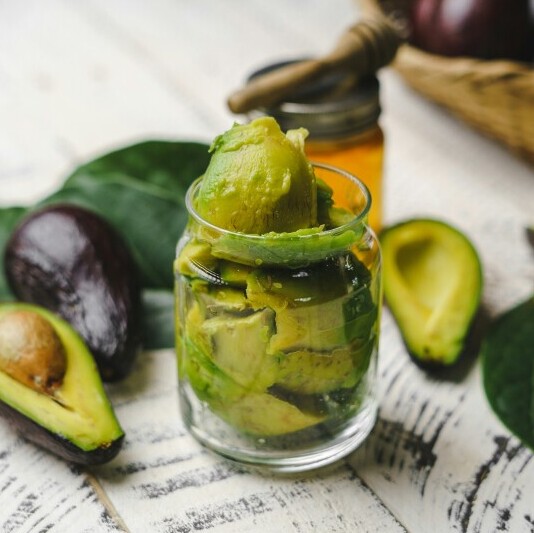
    Picking the right ingredients for your hair masks can make all the difference. Consider ingredients that are packed with nutrients and have moisturizing properties. Think of avocado—it’s not just for guacamole. Loaded with vitamins and fatty acids, it’s amazing for adding moisture and luster to your hair.

    Then there’s honey, a natural humectant that draws moisture into your hair. It keeps the hair hydrated and shiny, giving it some much-needed TLC. If you’re looking to strengthen your strands, olive oil remains a classic. Rich in antioxidants, it’s a true hair-loving treat. Additionally, egg is a great ingredient to add moisture to your hair as well.

    Why go for natural ingredients? Well, they keep things organic and chemical-free, which is a big win for your hair’s health. Using simple ingredients helps to avoid irritants and provides pure nourishment, turning your DIY mask into a luxurious spa treatment.

    Wondering where to get the best ingredients? Shopping at your local market or co-op can offer fresh, high-quality produce for your hair care needs. And don’t overlook the power of a great online source when searching for specialty items that you can’t find nearby.

    Best DIY Afro Hair Mask Recipes

    Crafting your own hair mask can be incredibly rewarding and fun. Whether you need moisture, strength, or overall health, there’s a recipe out there for you.

    Let’s start with a Moisturizing Avocado and Honey Mask. Simply mash a ripe avocado and mix it with a couple of tablespoons of honey till you get a smooth consistency. Apply it generously to your hair and feel the silky softness afterwards.

    If breakage is a problem, the Strengthening Banana and Olive Oil Mask might be your answer. Blend one banana with two tablespoons of olive oil. This combo gives your hair the strength it needs to reduce breakage and split ends.

    For those dealing with extreme dryness, try a Coconut Milk and Aloe Vera Hydration Mask. Mix a cup of coconut milk with freshly squeezed aloe vera gel. This mask is like a tall drink of water for your hair, quenching its thirst and keeping it bouncy.

    Each recipe addresses different hair concerns, so mix and match based on what your hair is craving. It’s all about tailoring your hair care to what suits your unique texture and needs.

    How to Effectively Use Hair Masks for Best Results

    Using a hair mask is more than just slathering it on and rinsing it off. To really get the benefits, it helps to follow a few steps. Start by partitioning your hair into sections. This makes it easier to apply the mask evenly and ensures every strand gets some love.

    When applying the mask, start from the roots and work your way down to the tips, making sure you’re covering your hair thoroughly. Some folks like to use a wide-tooth comb to distribute the mask evenly—that’s a great tip!

    Timing is key. Most masks work best if left on for at least 20 to 30 minutes. Consider using a shower cap to trap heat and enhance the absorption. Heat, even if it’s just from your head, helps the ingredients penetrate the hair shaft better.

    As for how often to apply these masks, it typically depends on your hair type and the mask’s purpose. Once a week is a good general rule for most, but some masks might be used bi-weekly depending on how intense they are.

    Keep an eye out for other tips and tricks like using a warm towel or even a gentle rinse with lukewarm water to seal in moisture once you’re done. These little tweaks can make a significant impact on how effective your DIY mask is.

    What DIY hair mask have you tried and what has worked for you?

  • Styling Tips For High Porosity Hair

    High porosity hair usually means your hair is like a sponge—soaking up moisture but losing it just as fast. You might notice tangled hair or frizz more often. This kind of hair often feels dry and rough, and struggles to hold onto color or style.

    Ever wondered why your hair drinks up products so fast yet feels dry soon after? Factors like humidity, too much heat, and chemical treatments can increase your hair’s porosity. So if you’ve been swimming in pools a lot, using heat tools, or coloring your hair often, it might be more porous than you think.

    Living with high porosity hair means dealing with constant dryness, quick color fading, and even breakage. It’s like being on a moisture rollercoaster where your hair can go from hydrated to dry in no time.

    So how can you tell if you’ve got high porosity hair? A simple water test can help. Drop a hair strand into a glass of water—if it sinks quickly, chances are, your hair has high porosity. Or you might simply notice that while your hair absorbs products fast, it never feels fully moisturized. This was something that I did a long time back to determine my hair porosity.

    Essential Hair Care Routine for High Porosity Hair

    When you’re dealing with high porosity hair, having a solid hair care routine is like your secret weapon. It’s all about finding the right balance to keep your hair looking its best without overwhelming it. The first step? Choosing a shampoo and conditioner that work for your hair type. Think sulfate-free shampoos that cleanse without stripping away the much-needed moisture.

    Deep conditioning isn’t just a treat—it’s a necessity. These conditioners help seal the gaps and holes in the hair shaft, allowing your locks to hold onto moisture much better. A weekly deep conditioning session can transform how your hair feels and looks.

    Protein is another hair essential. Since high porosity hair often means your hair has little gaps, protein treatments can help fill those spaces, strengthening your strands. But like anything, too much of a good thing can turn bad. So, listen to your hair and notice when it needs a breather from protein treatments.

    Avoid some common traps like using overly heavy products that can weigh your hair down or neglecting a balanced routine by focusing too much on moisture or protein alone. Every now and then, check in on your hair’s health to assess what it needs. By mixing knowledge with a little TLC, your high porosity hair will stay on the right track.

    Moisture Retention Techniques for Optimal Hair Health

    Keeping high porosity hair hydrated is like keeping a plant watered. Your hair drinks up moisture, but it needs help to hold onto it. This is where moisture retention techniques come in.

    Two popular methods to lock in moisture are the LOC (Liquid, Oil, Cream) and LCO (Liquid, Cream, Oil) methods. It’s all about layering products in the right order to seal the moisture in your hair strands.

    Home remedies can also help your hair stay moisturized. Ingredients like honey, avocado, or aloe vera can give your hair the hydration boost it craves without commercial product overload.

    Too much of a good thing can lead to over-moisturizing. Overdoing it with oils and creams might weigh down your hair or make it feel greasy. Balance is key, and knowing when to dial it back can make all the difference.

    Heat isn’t always the enemy, but it’s important to partner with a good heat protectant. Using a protectant can prevent further moisture loss and help retain your hair’s health even when styling.

    Styling Tips and Tools for High Porosity Hair

    Styling high porosity hair so it looks fabulous without further damage can be a balance. Opting for hairstyles that play nice with your hair’s porosity can help minimize stress and damage while looking super chic.

    Protective styles like braids, twists, or buns can do wonders by shielding your hair from elements and reducing breakage. Plus, they’re a great way to switch things up without needing heat or excessive product.

    When it comes to tools, picking the right comb or brush is major. Choose options with wide teeth or specialized bristles to detangle without causing breakage.

    While heat styling isn’t completely off-limits, approach it with caution. Limiting the use of hot tools and opting for lower temperature settings can prevent excess moisture loss. When in doubt, air drying is the gentler choice.

    Avoid styling techniques that pull or tug harshly on your hair. Tight hairstyles can lead to unwanted stress and further damage to porous strands.

    Think of styling as part of your hair’s overall care plan. Each style, tool, and product choice can make a big difference in how strong and healthy your hair can become.

    Embracing Your Natural Hair Texture and Shedding Self-Doubt

    When it comes to high porosity hair, embracing your natural texture can transform how you see yourself in the mirror. Confidence grows when you accept and love your hair for its uniqueness, rather than trying to change it.

    Connecting with communities that celebrate varied hair textures can offer valuable resources and support. Online forums, social media groups, or local meetups can be fantastic places to share experiences, tips, and positive vibes.

    There are many misconceptions out there about what hair “should” look like. Letting go of societal pressures and those perfect hair myths can be empowering.

    Hearing others’ stories about living with high porosity hair can be inspiring. Everyone’s journey is different, and learning from those who share similar experiences can offer fresh perspectives and advice.

    Remember, your hair is just one part of what makes you unique. Embrace it and the confidence it can bring, walking with a little extra bounce in your step knowing you’re owning your natural beauty.

  • Afro Hair Maintenance In Humid Climates

    Afro-textured hair is a beautiful and complex thing, full of coils, curls, and kinks that give it that iconic look. It’s not just hair; it’s a statement of identity and culture. But throw humidity into the mix, and things can get seriously wild. Knowing how your hair reacts to moisture in the air is half the battle in keeping those tresses looking fabulous and healthy.

    So, what’s the deal with afro hair and humidity? Imagine each hair strand as a sponge, soaking up not just moisture from the products you use, but also from the air around you. In humid climates, the high moisture content in the air means your hair can swell up and become frizzy, sometimes more so than you’d like. This is because the structure of curly and coiled hair naturally absorbs moisture from wherever it can.

    Now, let’s clear up some myths. Is humid weather a hair disaster that can’t be avoided? Not at all. Actually, when you know what’s going on with your hair in these climates, you can work with it instead of fighting it. Understanding the science behind afro hair’s reaction to humidity will help you choose the right products and techniques to manage it with grace.

    There’s a misconception that afro hair in humid climates becomes unmanageable or requires harsh treatment. Not true! With the right approach, you can embrace humidity as a natural ally rather than an enemy. It’s about working with your hair’s natural tendencies rather than trying to suppress them.

    So, what’s the takeaway? Humidity needs a strategy—knowing what your hair needs, choosing the right products, and the techniques that’ll help your afro-textured hair shine despite the tricky climate. You’re not just maintaining hair; you’re nurturing it!

    Hydration and Moisture Retention Strategies

    Keeping afro-textured hair hydrated, especially in humid climates, is key to maintaining its health and look. But what does hydration really mean for hair? It’s about ensuring that your hair doesn’t dry out, break, or get all tangled up.

    Finding the right products to keep that moisture locked in can be a game-changer. Think of hydrating sprays and leave-in conditioners as your new best friends. They’re like moisture magnets, helping your hair stay soft and manageable despite the stifling humidity. For example, lightweight, water-based products are awesome because they hydrate without making your hair feel heavy or greasy.

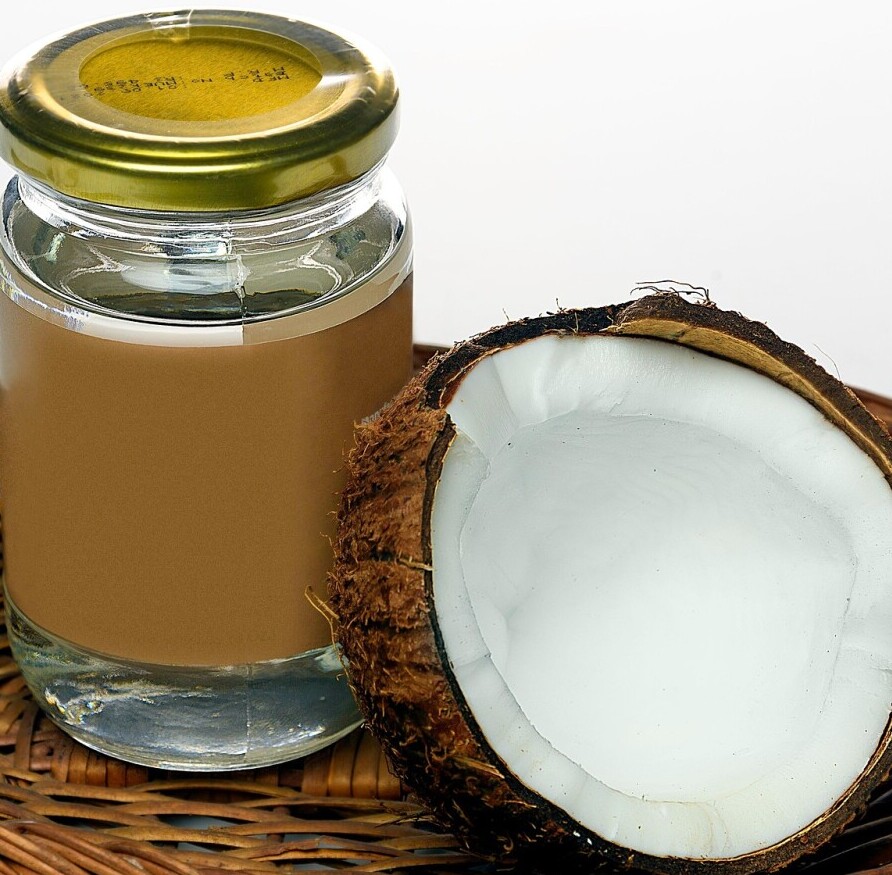
    Natural oils like coconut, jojoba, and argan can also work wonders for keeping afro hair moisturized. These oils create a barrier against the humidity, keeping the moisture in and the frizz out. You can apply them directly to your hair or mix them into your favorite conditioner for an extra hydration boost. Unless your hair is low-porosity then unfortunately the products will sit on your hair.

    If you’re curious about DIY solutions, there are plenty of things you can whip up in your kitchen that your hair will love. Think avocado masks or honey treatments. They’re easy, cheap, and packed with nutrients that feed your hair the moisture it craves.

    Hydration in humid weather isn’t just about what goes on your hair but also what goes into your body. Keep up your water intake! That’s right—stay hydrated from the inside out, and your hair will thank you for it. Combine that with the right products and a little bit of homemade love, and your afro-textured hair will handle that humid weather like a champ.

    Protective Hairstyles for Humid Climates

    Rocking protective hairstyles can be the ultimate ally for managing afro-textured hair in humid weather. These styles do more than just look good—they help shield your hair from the humidity and lock in moisture, reducing breakage and stress on those precious curls.

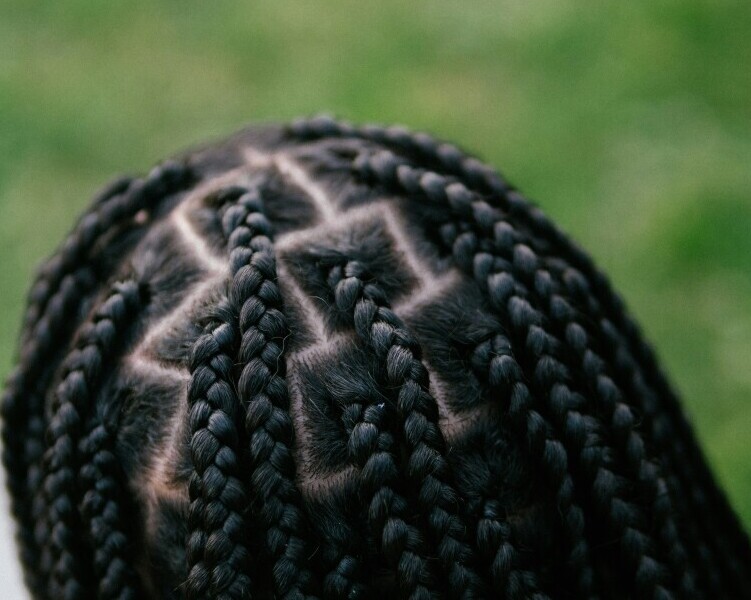
    Among the popular choices are braids, twists, and bantu knots. These styles keep your ends tucked away and minimize exposure to the humidity in the air. Plus, they’re super stylish and versatile—you can switch up your look while protecting your hair.

    The beauty of protective styles is their versatility. Want a look that screams casual chic? Give simple box braids or Senegalese twists a try—they’re easy to maintain and don’t require daily manipulation. For something more temporary, try a pineapple updo or a head wrap-style. Not only do these protect your follicles, but they’re also trendy and perfect for keeping things fresh on the fly.

    Creating these styles doesn’t have to be a salon-only affair. With a bit of practice, you can achieve stunning looks right at home. There are tons of video tutorials out there with step-by-step guides to get you started. Just remember, the less manipulation, the better! Less has always been more when it comes to keeping afro hair healthy.

    While protective styles are like armor against humidity, maintaining them is vital. Keep them clean, avoid tightening them too much, and let your scalp breathe. A little care goes a long way!

    Essential Hair Care Routines and Products

    A solid hair care routine in humid climates is the backbone of keeping afro-textured hair healthy and vibrant. Knowing what works and what doesn’t is crucial for taming frizz and preventing dryness.

    Think of the duo of a good shampoo and conditioner as the foundation. Go for products that are sulfate-free to avoid stripping essential oils from your hair. Look for those labeled as hydrating or specifically for curly hair. These often have ingredients like shea butter or coconut oil that provide an extra moisture hit.

    Deep conditioning becomes extra important in humid weather. Doing it regularly—say, once a week—can keep your hair nourished and bouncy. Try using a steam cap while you condition to help the nutrients soak into your strands.

    Another noteworthy tip is to combat frizz with the right styling products. Light gels or creams that define curls work well without weighing them down. These products can give you that smooth and sleek look, even when the humidity’s threatening to create chaos.

    Scalp care is not to be overlooked. A healthy scalp means healthy hair. Regular massages with natural oils can help in stimulating growth and maintaining scalp health. Keeping it moisturized and clean ensures your hair stays in its best shape despite the weather challenges.

    Lifestyle Tips and Tricks for Afro Hair Maintenance

    Taking a few lifestyle tweaks on board can make all the difference for afro hair in humid climates. It’s not just what you put on your hair but also how you go about daily routines that can influence hair health.

    Start by being a little choosy with your fabrics. Cotton pillowcases and clothes create friction and suck moisture away. Go for satin or silk pillowcases and scarves instead. They’re much gentler on your hair and minimize breakage and frizz.

    How you treat your hair when washing and drying it can also help beat the humidity. An old cotton t-shirt for drying is better than rough towels—less friction, more love. It’s all about cutting down on anything that might upset your curls.

    Eating right counts, too. Foods rich in omega-3 fatty acids like salmon, avocado, and nuts can contribute to healthier hair, making it more resilient to environmental stressors. Vitamins like Biotin and Vitamin E are also known to nurture hair from the inside.

    Lastly, keep your hydration game strong. Frequent sips of water aren’t just good for your health; they’re great for your hair. The combination of good hydration, balanced diet, and thoughtful styling can keep your afro hair thriving, even when the weather’s against you.

  • How To Prevent Hair Breakage In Afro Hair

    Afro hair is made up of tight coils or curls, which can make it more vulnerable to breakage if not handled with care. But why does African hair seem to break more easily, you ask? Well, it’s all about those twists and turns. The natural twists in Afro hair can reduce the movement of natural oils down the strand, leaving the ends a bit dry and prone to splitting.

    Afro hair

    4C hair, in particular, has the tightest curls of all the hair types, which means it’s more fragile and requires some extra love and attention. The challenge with 4C and other Afro hair types is maintaining just the right moisture balance. Too little, and the hair can become brittle; too much, and it might lose its shape or become limp. So, it’s all about striking a balance that works specifically for your hair type.

    People often wonder why Afro hair breaks so easily. The reality is each hair type has its own quirks. For Afro hair, avoiding over-manipulation and harsh chemicals is crucial. Every tug, pull, and chemical straightening can add up over time, making the hair more susceptible to breakage.

    In the end, understanding these unique hair needs isn’t just about preventing breakage but also celebrating the vibrant, stunning nature of Afro hair. It’s about learning to love and care for your locks in their natural state, with all their glorious kinks and curls.

    Foundation for Healthy Afro Hair: Proper Care Routine

    Crafting the perfect hair care routine for Afro hair starts with gentle handling. Afro hair needs a nurturing touch to thrive, so taking it easy on your hair is key. When washing, always opt for sulfate-free shampoos to keep moisture intact. Balancing moisture is crucial, so follow up with a deep conditioner that hydrates and strengthens hair strands.

    Moisturizing is your hair’s best friend. Regularly apply leave-in conditioners or hydrating creams to keep your hair feeling plush and healthy. Don’t shy away from oils like jojoba or argan. These are excellent for sealing moisture and adding some shine, making your curls pop with vitality.

    Implementing a solid hair care routine means not just focusing on what you put on your hair but also on what you put in your body. Eating a nutrient-rich diet loads of fruits, vegetables, and proteins can help with hair resilience and growth. And of course, staying hydrated by drinking plenty of water keeps those locks luscious.

    Lastly, don’t forget to listen to your hair. It tells you what it needs if you pay attention. Whether it’s avoiding excessive heat or sticking to protective styles that promote growth, maintaining a routine isn’t about rigidity—it’s about understanding what works for you.

    Protective Styling and Hair Breakage Prevention

    Protective styling serves as a solid shield against breakage and lets Afro hair shine without daily wear and tear. These styles keep the ends tucked away and limit manipulation, which helps in reducing the dreaded breakage.

    When choosing protective styles, options like braids, twists, or buns can work wonders if done correctly. It’s all about making choices that suit 4C hair without causing stress on the scalp or hair strands.

    Afro hairWhile protective styles are incredible for hair retention, they can backfire if they’re too tight or left in for too long. Tight styles can cause tension and breakage, especially around the hairline. Keeping it comfortable and loose is the way to go.
    Switch up your styles and give your hair breaks in between. Hair needs downtime just like we do. Sometimes, letting it breathe by going into a low-manipulation style or even wearing it out naturally can provide that much-needed rest.

    Common Mistakes and How to Avoid Them

    1. When caring for Afro hair, a few missteps can lead to more harm than good. One common mistake is over-reliance on heat styling. Sure, straighteners and blow dryers can give a sleek look, but frequent use can zap moisture, leading to brittle ends. If heat is necessary, always use a heat protectant and keep the temperature as low as possible.
    2. Skipping regular trims makes matters worse too. It’s a myth that skipping trims will help hair grow faster. In reality, trimming those split ends prevents them from traveling up the hair shaft and causing further breakage.
    3. Product buildup is another sneaky culprit. Afro hair loves moisture, but layering too many products can lead to buildup, making hair dull and prone to breakage. Clarifying shampoos every few weeks can help cleanse your scalp and hair, giving it a fresh start.
    4. Finally, keep an eye out for hair damage signs. If your hair feels brittle, looks dull, or breaks easily, it could be time to reassess your routine. Sometimes, a few changes in how you handle and style your hair can make all the difference. Pay attention, adjust as needed, and your hair will reward you with health and vibrancy.

    What other tips do you think are useful to prevent breakage in Afro hair? Let me know your thoughts below.

  • 10 Best Gels For Afro Medium Hair Styling

    Afro medium hair is something special with its own fabulous flair and challenges. Its unique texture demands extra attention, mostly because it has a natural tendency to lose moisture more easily than other types. This means keeping it hydrated is a top priority. I mean, who likes a dry, frizzy mane, right? Understanding what your hair craves can help you elevate those curls to a whole new level of awesome.

    It’s all about moisture retention, folks! Without the proper hydration, afro hair can become brittle and prone to breakage. Moisturizing gels can work wonders by sealing in that moisture, leaving your hair healthier and shinier.

    Now let’s talk about gels. They’re lifesavers for afro hair, trust me. These babies serve up hold, definition, and shine while ensuring your hair doesn’t feel like a rock. A well-chosen gel can redefine curls, control frizz, and add that extra oomph you’re looking for.

    Climate and environment play a big role too. If you live somewhere humid, you know how quickly hair can turn into a frizzy mess. The right gel can act as a barrier against humidity, keeping those curls poppin’ all day long. And in drier places, it helps maintain your hair’s moisture balance, keeping it soft and fluffy. Keeping these factors in mind makes all the difference in rocking your afro medium hair with confidence.

    Key Features to Look for in Hair Gels

    When it comes to picking the perfect gel for your afro medium hair, ingredients matter – a lot. Natural components like aloe vera, shea butter, and essential oils should be top of your list. They not only provide moisture but also give your hair some serious TLC.

    Frizz control is another biggie. A good gel works hard to keep those flyaways in check. Look for gels that promise long-lasting hold without the crunch. A smooth and flexible gel gives your curls definition while maintaining that soft touch we all crave.

    One thing you definitely don’t want is an allergic reaction. Some gels can be harsh on sensitive scalps, so choosing hypoallergenic options can save you from those itchy, uncomfortable experiences. Plus, an aromatic gel that smells divine? That’s just the cherry on top.

    Finding the balance between hold strength and hair health is crucial. Super-strong gels might hold your hair in place during a hurricane, but they can also feel like wearing a helmet. Look for a gel that offers medium hold to keep your style intact without sacrificing bounce and movement.

    Curly hair is a canvas, and gels add vivid detail. They enhance the natural curl pattern, helping each curl pop with vitality. A gel that encourages healthy curling takes your hairstyle from nice to wow.

    Top 10 Gels for Afro Medium Hair

    Finding the right gel for afro medium hair can feel like searching for a needle in a haystack. So, here’s my take on the top 10 out there. I’m breaking things down based on how well they perform, the safety of their ingredients, and what folks like you have said about them.

    Each gel comes with its own flair, catering to different needs. I’ve got products that range across budgets because great hair doesn’t need to burn a hole in your pocket. Look out for details like pricing and where to snag these treasures.

    User testimonials can be your compass in this sea of products. No one understands the struggles and joys of afro hair as much as fellow users. Their insight on each gel’s pros and cons can help you navigate your way to best results.

    Comparing their strengths and weaknesses can give you a clearer picture. Some might provide stellar hold but could fall short on moisture, while others offer unparalleled shine but might not tame frizz as effectively. It’s about finding what ticks all your boxes.

    Tips for getting the most out of each gel might just change your hair game entirely. Simple things like how you apply the gel or combining it with other products can amp up your hairstyle, making you strut your stuff with confidence.

    The first gel that must get a honorable mention is

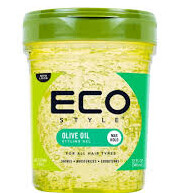
    1. Eco Style Gel Olive Oil

    One of the great things about the Eco style olive oil get is that it will keep your hair moisturized and additionally lay it down without being too dry.

    Eco -style has many different types of gels, however I will put in most of the ones that I have used.

    The price of the Eco-style gel varies from $7.27 to $8.99 (prices in USD), depending on your budget you can look for a suitable cost.

    The second gel that I find great and works well on afro hair is Shea Moisture brand known as Coconut & Hibiscus infused with Flaxseed

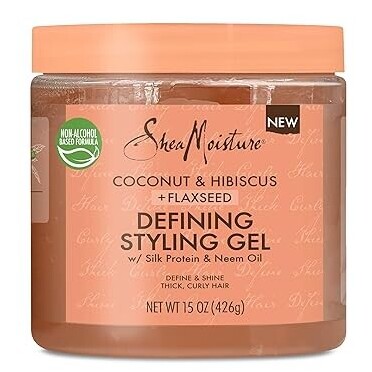
    1. Shea Moisture Coconut and Hibiscus + Flaxseed defining styling gel

    Shea moisture depending on your hair type is great because it contains moisturizing ingredients. Another thing about it is that is leaves the hair soft and smooth.
    The price of Shea Moisture varies from $9.18 – $10.99 (prices in USD)

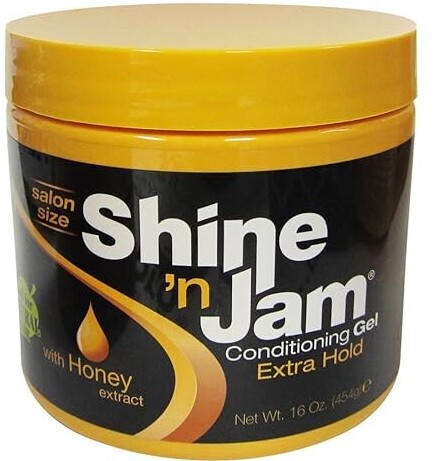
    1. Shine and Jam conditioning gel

    I like this one because it has a great smell, and it also has a good hold to the hair. It’s also great when you want to braid your hair because it lays the hair down and it looks neat and moisturizes as well. It works well for me but I do not for others the hold is not as strong after some time.

    The price for Shine & jam conditioning gel is $3.48 – $7.49

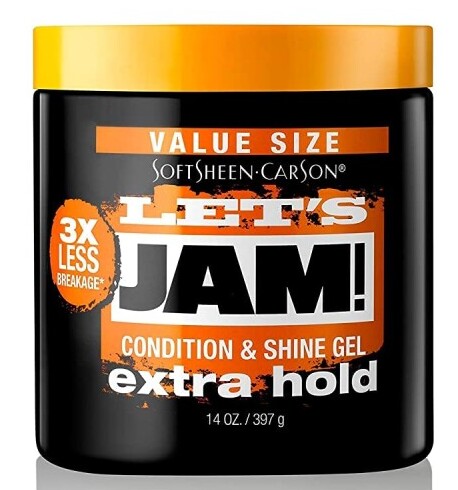
    1. Softsheen Carsons ‘Let’s Jam”

    For me the Softsheen is great for hairstyles that are for laying down like a bun because you want it to look shiny and not dull. Now when it comes to how much get you should apply, it should not be much but it does last on your hair and it looks good.
    Softsheen carson cost is from $ 4.48 – $6.29

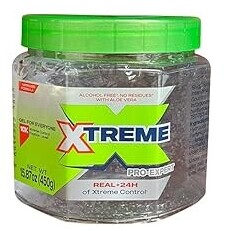
    5. Xtreme Gel Control

    Xtreme is a great gel for any hair type, it is great for dry hair. It also has more aloe vera gel in it which works very well for my hair. It does not leave hair feeling crunchy and dries quite quickly. It has a great smell and it’s value for money will vary on your budget but for me the size makes it worthwhile.
    The price of Xtreme gel is from $4.88 to $6.79.

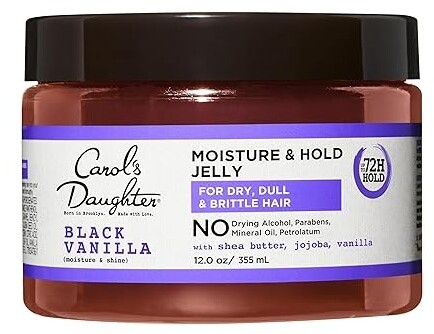
    6. Carols Daugher Moisture & Hold

    Carol’s daughter moisture and hold is also for all hair types but a part from dry hair it’s also ideal for curly and damaged hair. It’s mainly due to the fact that it holds moisture well. For some it does not hold moisture well and they have to add some oil and It tends to be a little sticky and the value for money is also dependent on your budget.
    The price of Carols daughter black vanilla ranges from $ 10.99 to $ 16.49

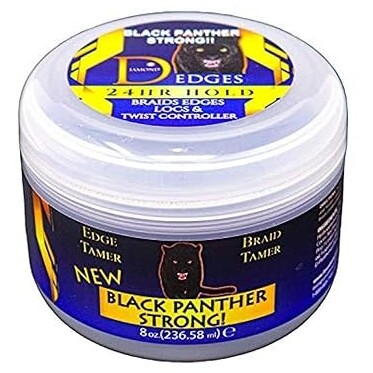
    1. Black Panther Gel

    Black Panther gel, is a good gel for braids, locs and your hair for styling. It has a great hold and it’s not think like other gels. It’s quite light and does the work that is necessary. When it comes to cost, it’s also dependent on what you are looking for in terms of price.
    The price of black panther gel ranges from $ 9.99 to $ 14. 24

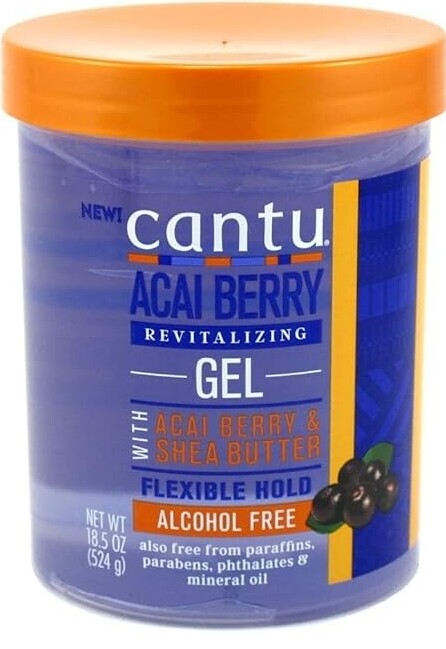
    8. Cantu Acai berry gel

    Cantu Acai berry is one of the best gels, it does have more natural ingredients and it has a good hold. The only thing with the Cantu Acai berry is the price it’s a little bit on the higher end although a little bit of the gel goes a long way.
    The Cantu Acai berry price is from $26.90

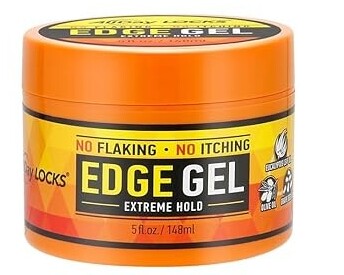
    9. Edge gel extreme hold

    The edge gel extreme hold is a tough one it’s quite effective in holding down the hair. I find that it’s best for braiding and edges, however in terms of flaking it’s controversial because it tends to cause some flaking depending on your hair type so this is something that could be a bit of a debate.
    The edge gel prices are from $ 9.95 to $15. 49

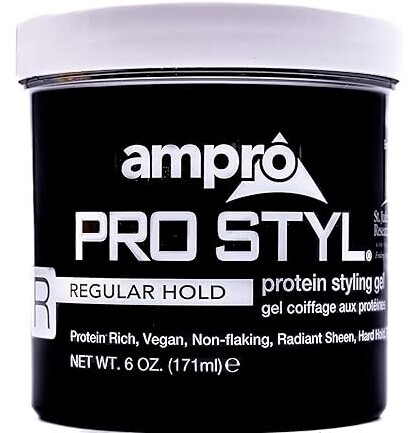
    1. Ampro Gel

    The final gel is Ampro gel, it’s well known and it definitely budget friendly. Depending on your hair type it does hold for some and not so well for others. It’s a great gel for a brief period of time but I say with gel’s stick to the one that is working for you.
    Ampro gel is quite budget friendly as it starts from $1.99 to $5.99

    Pro Tips for Gel Application on Afro Medium Hair

    Applying gel might seem straightforward, but a few tips and tricks can really perfect your style. Starting with damp hair is key. Gel locks in that moisture, and trust me, it’s way easier to work with strands that aren’t dry as a bone.

    The technique is everything. Rake the gel through your hair using your fingers or a wide-tooth comb to make sure it’s evenly distributed. This helps avoid those dreaded clumps or spots that are rock-hard while others are too soft.

    Flaking can be a real annoyance. Sometimes it’s the gel and other times it’s the combination of products. Ensuring your hair is clean and doesn’t have a buildup from previous products can make all the difference.

    You want volume, not helmet hair, right? Fluff your roots a bit once the gel’s set to maintain a natural look. It keeps the curls flexible and lively instead of hard and crunchy.

    Maintaining your look between washes is totally doable. Sleep with a satin bonnet or on a satin pillowcase to reduce friction, which can lead to frizz. In the morning, a little water and a bit more gel can reactivate yesterday’s style, giving it a fresh bounce.

    Some wisdom from hairstylists and everyday users goes a long way. Try experimenting with layering gels or mixing them with creams to see what concoction your hair loves best. Hair doesn’t always play by the rules, so a bit of fun and experimentation can yield surprising results.

  • Simple Everyday Styles For Afro Medium Hair

    So, you’ve got medium-length afro hair, and you’re curious about the unique way it behaves, right? Medium-length hair strikes that sweet spot: it’s long enough to show off some remarkable texture and shape, yet it’s short enough to be pretty manageable. It’s kind of like the best of both worlds. This length allows you to experiment with different styles without being overwhelmed by daily maintenance.

    Let’s talk benefits first. With medium-length hair, you’ve got versatility at your fingertips. Imagine having enough length for those gorgeous twists, braids, or even a casual afro puff, yet not so much that you feel like you’re wrestling your hair every morning. It’s flexible enough to play around with styles yet hassle-free when compared to longer lengths.

    But hey, surfacing some challenges here is essential too. Medium-length afro hair can sometimes be caught in that awkward phase – not quite short, not long enough for certain styles requiring heavier volume or weight. Tangles and dryness can still be an issue, especially if you forget a good moisturizing routine; afro hair needs consistent care to maintain its bounce and definition, irrespective of the length.

    Despite these little hiccups, medium-length afro hair is a gem. Its real beauty lies in how it can highlight your personal style and adapt to your mood swings – one day, it’s all curls and coils; the next, sleek and smooth. Embracing its dynamic nature unlocks a whole realm of styling possibilities.

    Essential Care Tips for Maintaining Medium Afro Hair

    Keeping medium-length afro hair in top condition is all about striking the right balance. You want your hair to shine and be full of life without spending your entire day fussing over it. Daily moisturizing is crucial. Afro hair tends to dry out quickly, leading to breakage, so applying a leave-in conditioner or moisturizing cream every morning can make a big difference. Simple, consistent hydration helps keep your curls bouncy and full of life.

    Choosing the right products can transform your hair care routine. Not all products work the same for medium-length afro hair, so it’s worth investing time in finding the ones that suit your hair’s specific needs. Look out for products free from sulfates and parabens, opting for those with natural oils like shea, coconut, or argan oil.

    Detangling might seem like a chore, but it doesn’t have to be a headache. Use a wide-tooth comb or your fingers to detangle hair when it’s damp and slathered with conditioner. This method ensures you’re not pulling and tugging, which could lead to unnecessary breakage.

    Healthy hair growth starts from the scalp, so don’t skip on scalp care. Regular massage can stimulate circulation, promoting healthier hair growth. Natural oils can also be great here, offering a soothing and nourishing experience that helps your roots stay strong.

    Regular trims are more than just a suggestion – they’re vital. Keeping those split ends at bay helps your hair look neat and healthy. Aim for a trim every 6 to 8 weeks, even if it’s just a little dusting to keep your ends tidy without losing length.

    Everyday Styles That Celebrate Your Afro

    Styling medium-length afro hair for everyday wear doesn’t have to be complicated at all. Afro puffs are an easy go-to that manages to look effortlessly chic, regardless of your outfit. Simply gather your hair into one or two puffs using a hairband, and you’ve got yourself a fun and stylish look that’s ready in minutes.

    Protective styles like twists or braids are excellent for daily wear. Not only do they look amazing, but they also help keep your hair from tangling and breaking. Plus, they offer a break from constant hair manipulation, which is always a good move for maintaining length and health.

    The half-up, half-down style is another versatile choice. It lets you mix up your style without committing to a fully tied back or entirely loose look. You can easily dress it up or keep it casual, depending on your vibe for the day.

    Accessories can totally elevate your hair game. Headbands, clips, and scarves aren’t just add-ons; they can be the star of your hairstyle. They let you express a unique personal style while keeping your hair neatly tucked away, minimizing fuss throughout the day.

    Transform Your Look with These Styling Techniques

    Experimenting with different styling techniques can add a whole new dimension to your medium-length afro hair. One approach to creating length and volume without heat is by using stretching techniques. Methods like banding, african threading, or twists allow your curls to extend and take on a new shape, all while keeping your hair’s health intact.

    When it comes to drying your hair, both blow drying and air drying have their own perks. Blow drying with a diffuser can help define curls, but air drying is definitely the gentler option, helping you maintain moisture and minimize heat damage. It’s all about what works best for your lifestyle and hair goals.

    If you’re aiming for those supremely defined curls, flexi-rods and curlformers are your friends. They’re a great way to add bounce and shape without needing heat. Simply apply them on damp hair, leave them in overnight, and voila – you’ve got those dreamy curls.

    Looking for a temporary color change to spice things up? There are plenty of options now, from colored gels to sprays that let you play around without the long-term commitment or risk of damage. It’s a perfect way to experiment with your style, adding a little splash of color to match your mood or outfit.

    What do you think about having a medium-length afro? write your thoughts down.

  • Tips For Dealing With Postpartum Hair Loss With Afro Hair

    If you’re grappling with postpartum hair loss, you’re not alone. This condition, formally known as telogen effluvium, affects countless new mothers, leading to a noticeable decrease in hair density. But here’s some reassuring news: It’s usually temporary.

    Afro hair, with its unique spiral shape, can be naturally drier and more fragile compared to other hair types. Because of this, it can seem like the shedding is more pronounced, but in reality, it’s a normal process many new mothers go through regardless of hair type.

    The reason behind this hair loss lies in the roller coaster of hormones that accompanies pregnancy and birth. During pregnancy, elevated estrogen levels often mean fuller, thicker hair. However, those levels drop dramatically after birth, leading to the shedding phase.

    It’s vital to debunk myths and prevent unnecessary worry. One common misconception is that postpartum hair loss can lead to permanent bald patches, which isn’t typical, especially with the right care.

    Understanding what’s happening to your body will set the foundation for nurturing your scalp and hair back to health. With this knowledge in hand, let’s explore how a nourished scalp can be the starting point for your hair’s revival in the next section.

    Nourishing Your Scalp: The Foundation of Healthy Hair

    I’m going to let you in on a little secret: beautiful hair starts with a healthy scalp. Especially when you’re dealing with postpartum hair loss, giving your scalp a bit of extra TLC can make all the difference. Afro hair, known for its stunning texture and volume, can be particularly prone to dryness, so nourishment is key.

    You’re going to find out about foods that are great for hair growth. Incorporating items rich in vitamins A, E, and B, minerals like zinc, and proteins can feed your hair from the inside out. Think about tossing some spinach into your smoothie, or having a snack of nuts and seeds. Trust me, your hair will thank you.

    When it comes to products, choose something that resonates with you. Natural oils like coconut, jojoba, or castor oil can lock in moisture while encouraging growth. I’m all for thorough hydration—using leave-in conditioners formulated for afro hair can provide lasting moisture.

    Don’t worry too much about mastering intricate techniques right away. Start with gentle scalp massages, maybe while watching your favorite show. This encourages blood circulation and can help wake up those sleeping hair follicles. Just a few minutes a day can contribute to healthier hair.

    Another point that cannot be understated is avoiding tight hairstyles that put stress on your hair roots, such as tight ponytails or braids. While these styles can look amazing, it’s best to give your hair a break now and then to prevent any additional shedding or damage.

    Gentle Hair Care Practices to Minimize Breakage

    You’re going to find out about some key strategies to help protect and maintain your hair during this delicate postpartum phase. Afro hair, by its very nature, is prone to dryness and breakage, so let’s focus on how to gently care for it to reduce further loss.

    Detangling is critical, but it needs to be done right. Always opt for a wide-tooth comb or use your fingers to tease out knots. Work from the ends up to the roots to minimize breakage. Hydration is key during this process, so make sure your hair is moist with a leave-in conditioner before you start.

    Protective styling isn’t just a fashion statement—it’s a hair savior. Styles like twists, braids, and updos can keep your hair tucked away, lessening daily manipulation and protecting it from breakage. Remember, the goal here is low tension to prevent adding stress to your already fragile hair roots.

    Your washing routine should also get an update. Switch to a gentle, sulfate-free shampoo and use it sparingly. When you do wash your hair, follow up with a rich, restorative conditioner, and consider a monthly deep conditioning treatment to replenish moisture and strengthen hair strands.

    If you can, avoid chemical treatments and heat styling, as they can lead to further damage and loss. If you must use heat, protect your hair with a proper heat protectant and keep the temperature as low as possible. Embrace your natural texture as much as you can—your hair will thank you for it.

    Choose something that resonates with you when it comes to hair products. Go for items that are specifically designed for afro hair textures. Look for ingredients like shea butter, coconut oil, and aloe vera that can do wonders in keeping your hair nourished and resilient.

    Emotional Support and Managing Expectations

    Dealing with postpartum hair loss, especially when you’re already adjusting to motherhood, can be more than just a physical challenge; it’s an emotional one too. It’s vital to remember you’re not alone in this. Connecting with other women who understand exactly what you’re going through can be incredibly comforting.

    Online forums and local mom groups can be amazing resources where you can share your experiences and learn from others. Don’t be afraid to speak out about how you’re feeling. You might find that many will share their own stories, tips, or words of encouragement that will resonate deeply with you.

    Setting realistic expectations is also part of the emotional journey. Your hair might not snap back to its pre-pregnancy state quickly, and that’s okay. Progress in hair regrowth can vary from person to person. Give yourself grace during this time and focus on the steps you’re taking to nurture your hair back to health.

    Lastly, if your hair loss feels unusually excessive or is causing you significant stress, it might be time to consult a professional. A trichologist or dermatologist specializing in hair and scalp health can offer you personalized advice that can help ease your mind—and perhaps find solutions that are right for you.

  • Top 5 Deep Conditioning Treatments For Afro Hair (All hair types)

    I’m here to help you understand why afro hair requires a distinct approach to care. The structure of afro hair is unique, often featuring a tight coil that can sometimes lead to a higher likelihood of experiencing dryness, breakage, and frustrating tangles. Now, this isn’t just about keeping your hair looking good; it’s also about maintaining its health and vitality.

    Deep conditioning is a knight in shining armor for afro hair, playing a pivotal role in keeping strands nourished and resilient. This isn’t a luxury; it’s a necessity. By introducing moisture back into the hair, reducing the risk of breakage, and improving overall texture, deep conditions are integral to the well-being of your hair.

    I’m leaning on advice from experts – trichologists, hairstylists, and those who’ve studied the science of hair – to paint a clear picture of why this care is essential. These specialists highlight that regular deep conditioning treatments can revitalize even the most tired tresses, providing them with the support they need to thrive.

    Criteria for Choosing the Best Deep Conditioners

    I’m going to let you in on a little secret: the best deep conditioning treatments share certain key ingredients that cater specifically to the needs of afro hair. You’re going to find out about ingredients like natural oils, shea butter, and proteins, all of which work wonders for moisture retention and strengthening your hair.

    This isn’t just about slathering any product on your hair; it’s also about steering clear of harsh chemicals that can further strip moisture from your delicate strands. Sulfates, parabens, and excessive alcohols? Don’t worry too much about those buzzwords; I’ll explain why they’re on the ‘no’ list.

    You can always adjust your approach down the road, but understanding hair porosity and texture right off the bat will guide you toward the right product. Choose something that resonates with your hair’s particular character.

    Now, reading labels might not be everyone’s cup of tea, but it’s important to understand product claims. Marketing jargon can be confusing, but I’m here to help you decode the buzzwords, so you’ll know exactly what you’re putting in your cart.

    Personal anecdotes are invaluable, which is why I’ve gathered insights into why people have their ride-or-die brands and formulations. It’s all about real-world results, and in my opinion, that’s the best benchmark for any product.

    Top 5 Deep Conditioning Treatments Recommended by Hair Care Experts

    Finding the right deep conditioner for your afro hair can sometimes feel like searching for a needle in a haystack. But don’t worry too much about going through trial and error. I’ve gathered insights from hair care experts, including trichologists and experienced hairstylists, to bring you this comprehensive list of the top 5 deep conditioning treatments designed to keep your afro hair at its best.

    The first standout product is Shea Moisture’s Raw Shea Butter Deep Treatment Masque. Chock-full of natural ingredients like shea butter, argan oil, and sea kelp, it’s a go-to for folks looking to restore and strengthen their hair. Plus, it’s free from sulphates and other harsh chemicals, which is a huge plus for your hair’s health.

    SheaMoisture, Deep Treatment Masque, Raw Shea Butter, 2 oz (57 g)

    Next up is the Mielle Organics Babassu Oil & Mint Deep Conditioner. With an organic blend that includes babassu oil and amino acids, it’s been celebrated not just for its deep conditioning properties but also for its protein-moisture balance, which is essential for maintaining afro hair elasticity.

    Mielle, Deep Conditioner, For All Hair Types, Babassu & Mint, 8 oz (227 g)

    Cantu’s Shea Butter Deep Treatment Masque is yet another favorite, especially if you’re looking for something that can penetrate those tighter curl patterns. It uses shea butter and a blend of essential oils to moisturize the hair and scalp deeply.

    Cantu, Shea Butter for Natural Hair, Deep Treatment Hair Masque, 1.75 oz (50 g)

    The As I Am Hydration Elation Intensive Conditioner stands out due to its impressive concoction of coconut, sugar cane, green tea, and apple extracts, plus vitamins and amino acids. It’s a feast for your hair that promotes healthy hair growth while also infusing moisture.

    Lastly, we can’t forget about the TGIN Honey Miracle Hair Mask. It’s a favorite for many, thanks to its raw honey ingredient, which acts as a natural humectant to retain hair moisture. Combined with olive oil, this mask leaves your hair soft, shiny, and manageable.

    TGIN Honey Miracle Hair Mask, 12 oz - Ralphs

    I have included a website where I found the first 3 products at extremely affordable prices, however, you can find these products online or in your local beauty supply store. Don’t just take my word for it—check out the reviews for each of these products to see how they’ve transformed others’ hair care routines. Remember, what works for someone else’s curls might not work perfectly for yours, so consider your hair’s specific needs as you make your choice.

    Application Techniques: Getting the Most Out of Your Deep Conditioner

    You’ve got your hands on one of the top deep conditioners for afro hair, which is great. Now, I’m going to help you ensure you’re applying it just right to maximize its benefits.

    Afro hair has a reputation for being strong, but it’s actually quite fragile and needs to be handled with care. When slathering on the deep conditioner, use your fingers to detangle gently, starting from the ends and working upwards to avoid causing breakage. This isn’t just about coating the hair; it’s about nurturing it.

    11 Tips for Detangling Natural Hair - Ultimate Guide | Shedavi

    Heat can be your ally. Many don’t realize that a moderate amount of heat helps the hair shaft open up, allowing the deep conditioner to penetrate more effectively. Consider covering your hair with a cap and sitting under a hooded dryer, or use a warm towel. This goes a long way in reaching that deep-condition level we’re aiming for.

    Beauty Equipment Salon Jeffco Portable Hood Dryer w/ Wheels HD-38S ...

    How often you deep condition can also be a game-changer. A common recommendation for afro hair is every two weeks, but this can vary based on individual hair needs and lifestyles. If you’re frequently styling or noticing dryness, you may need to up the frequency. Choose something that resonates with your hair’s response.

    In my opinion, one of the best tips I’ve learned is to never rush the process. If the product says leave it in for 20 minutes, give it the full 20 minutes—or even a little longer if your hair is particularly parched. This patience can have a substantial impact on the overall health and appearance of your afro.

    Beyond Conditioning: Comprehensive Care for Afro Hair

    Taking care of afro hair extends beyond the occasional deep conditioning treatment. Regular maintenance is key to ensuring your hair not only looks great but is also truly healthy from the inside out. To keep your hair in its best condition, consistency is your friend. Incorporating a daily regimen that includes gentle detangling, moisturizing with leave-in conditioners, and protecting your hair at night can make a significant difference.

    But remember, great hair isn’t just about what you put on it; what you put in your body matters too. A balanced diet rich in vitamins, minerals, and proteins, along with plenty of water, can fortify your hair from the root to the tip. Think of food as fuel for your follicles – nourishing your body nourishes your hair.

    While deep conditioners are a staple, don’t overlook the power of supplementary treatments. Regular scalp massages with essential oils, protein treatments, or even hot oil treatments can further enhance your hair’s strength and luster. Consult with a professional stylist or trichologist to tailor these options to your hair’s specific needs.

    Questions about your hair care routine are natural, and who better to answer them than professionals who eat, sleep, and breathe hair care? A Q&A session with a certified professional can clear up any confusion and help you avoid common pitfalls. These experts can offer a wealth of advice that’s specific to your situation.

    Finally, remember that each strand of your hair is as unique as you are. Don’t hesitate to tweak and personalize your hair care routine until it perfectly suits you. Patience and attention to what your hair responds to will guide you to a regimen that’s as special and effective as the crown you wear every day.

    Here’s a little transparency: Our website contains affiliate links. This means if you click and make a purchase, we may receive a small commission. Don’t worry, there’s no extra cost to you. It’s a simple way you can support our mission to bring you quality content.