Category: hair moisture

  • Best Oils For Nourishing Afro Hair

    I’m going to let you in on a secret: afro hair, with its beautiful coils and incredible volume, isn’t just about making a statement — it’s a masterpiece of nature that demands special care. You see, this unique hair type is inherently delicate and prone to dryness, which calls for an effective, nourishing routine to maintain its health and splendor.

    Natural oils have been the cornerstone of hair care for centuries, playing a critical role in keeping hair moisturized, strong, and vibrant. They’ve passed the test of time, and for a good reason: they work. The right oils can create a protective barrier around each hair strand, locking in moisture and keeping the hair soft and manageable.

    But remember, this isn’t just about choosing any oil off the shelf; it’s also about understanding the makeup of afro hair and how different oils can complement its texture. So, as we explore the oils best suited for your crown of curls, we’re also going to touch on some tips that’ll ensure you’re pampering your hair with nothing but the best.

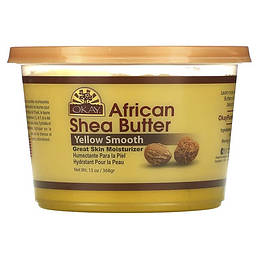
    Okay Pure Naturals, African Shea Butter, Yellow Smooth, 13 oz (368 g)

    Choosing Your Best Oil Match: Factors to Consider for Afro Hair

    I’m going to kick things off by emphasizing the importance of hair porosity. This is the hair’s ability to soak up and retain moisture. Low, normal, and high porosity hair types each have distinctive needs, especially when it comes to oil selection.

    The texture of an oil matters. Lighter oils are excellent for a non-greasy feel and quick absorption, favoring normal to high porosity hair. On the flip side, thicker oils can be a godsend for low porosity hair, providing a heavier moisture seal.

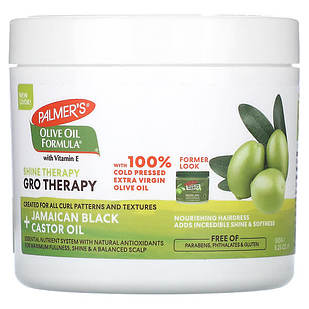
    Palmers, Olive Oil Formula with Vitamin E, Shine Therapy Gro Therapy, 5.25 oz (150 g)

    Now, don’t worry too much about getting too scientific here. It’s all about how the oil nourishes your hair. A rich nutrient profile can include fatty acids, vitamins, and antioxidants, which support hair strength, elasticity, and overall health.

    And remember, the best outcomes come from consistency and patience. Regular oil treatments aligned with your hair needs can dramatically improve the texture and strength over time.

    Now what’s the next step after picking an oil? I’m going to steer you towards understanding the top contenders in the oil game. This isn’t just about choosing an oil; it’s also about understanding what each one can do for your heavenly afro.

    The Top Nourishing Oils for Afro Hair: Nature’s Finest

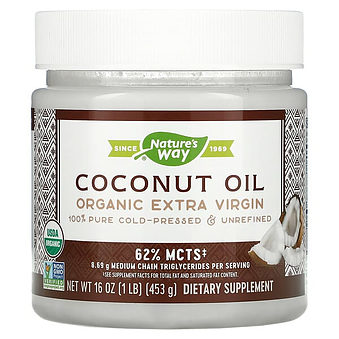
    Coconut oil has earned its reputation as a powerhouse for hair care. It’s particularly effective for penetrating hair strands, thanks to its low molecular weight and straight linear chain. I’m going to touch on how it not only moisturizes but also prevents protein loss, making it a go-to for strong and resilient strands.

    Nature's Way, Organic Coconut Oil, Extra Virgin, 16 oz (453 g)

    Next up, let’s talk argan oil, often referred to as ‘liquid gold’. It’s packed with vitamin E and fatty acids, perfect for taming frizz and adding a lustrous shine. And guess what? It’s lightweight and non-greasy, making it a superb choice for your hair without leaving heavy residue.

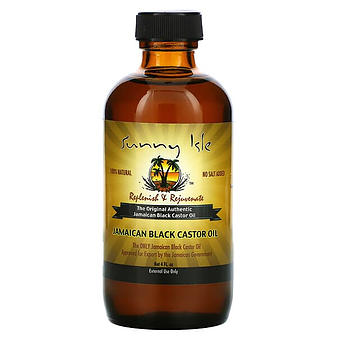
    Jamaican Black Castor Oil is a tried and true favorite for promoting hair growth. This oil is rich in ricinoleic acid, which can help increase blood circulation to the scalp and support healthier hair growth. Moreover, its thick consistency is great for those with coarse hair textures.

    Sunny Isle, 100% Natural Jamaican Black Castor Oil, 4 fl oz

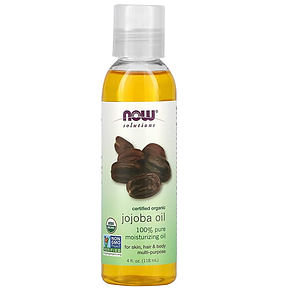
    Lastly, jojoba oil closely resembles the sebum that our scalp naturally produces. In my opinion, this makes it an ideal oil for keeping the scalp moisturized and for reducing dandruff. It has a light texture and is perfect for daily use without clogging pores.

    NOW Foods, Solutions, Certified Organic Jojoba Oil, 4 fl oz (118 ml)

    Now, you’re probably wondering how exactly to apply these oils to get the best results. That’s what I’m going to cover in the next section. I’ll provide tips on the proper technique for applying oil to afro hair, so you can maximize the benefits from these natural wonders.

    Application Wisdom: How to Apply Oils for Optimal Afro Hair Health

    You’ve got your hands on some of the best oils out there, and now you’re probably wondering how to use them to get the most bang for your buck. It’s not just slathering oil onto your scalp and hair; there’s an art to it. I’m here to help you master that art.

    Clean hair is akin to a blank canvas for an artist. Applying oils to dirty hair can lead to buildup, blocking the goodness from getting where it needs to go. So start with a clean slate. When it’s time to apply oil, section your hair to ensure thorough coverage, warming the oil slightly between your palms first for better absorption.

    Just like you don’t need to wash your hair every day, you don’t need to oil it daily either. For most afro hair types, a couple of times a week is plenty. However, listen to your hair; if it’s thirstier than usual, it’s okay to up the frequency. And remember, a little goes a long way. Using too much oil can weigh your hair down and cause buildup.

    Hot oil treatments can be a game-changer for afro hair. They’re supercharged sessions that can deeply condition and infuse your hair with nutrients. About once a month, warm your chosen oil, apply it generously, cover your hair with a cap, and let the heat do its magic for about 15-30 minutes before rinsing it out.

    Whether it’s a regular oiling routine or the occasional hot oil treatment, what you’re doing is creating an environment where your hair can thrive. You’ll notice the difference not just in the look, but in the health and feel of your hair over time.

    Beyond the Bottle: Lifestyle Tips for Nourishing Afro Hair Inside and Out

    I’m going to wrap this up by stressing that how you care for your afro hair transcends what you put on it. It’s also about nurturing from within. Choose something that resonates with you, like a bad hair day rescue recipe or a hair growth nourishing habit.

    You are what you eat, and your hair is no exception. I encourage a diet rich in vitamins A, E, and C, along with minerals like zinc and iron. These are the building blocks for strong and healthy hair.

    Now, protective styling is a game-changer. By limiting environmental stress and damage from over-styling, you help your hair hold on to those precious oils.

    Don’t overlook the simple act of keeping well-hydrated. Water is the giver of life, including for your hair. Aim for at least 8 glasses a day to keep your hair and scalp happy.

    Remember, a holistic approach is crucial for the health of your hair. It’s not just about the products; your lifestyle plays a pivotal role, too. Try these tips, and I really hope that you notice a positive transformation in your hair’s health and appearance.

    Here’s a little transparency: Our website contains affiliate links. This means if you click and make a purchase, we may receive a small commission. Don’t worry, there’s no extra cost to you. It’s a simple way you can support our mission to bring you quality content.
  • How To Create A Moisturizing Hair Care Routine For Curly Hair

    Let’s start at the beginning: knowing your curly hair type isn’t just a fun fact; it’s critical to crafting an effective moisturizing routine. Curls can range from loose waves to tight coils, and each type responds differently to products and care.

    Curly hair has a unique structure that, while giving it its distinctive shape, also makes it prone to dryness. Its twists and turns can prevent natural oils from evenly coating the hair shaft, leading to your curls craving more moisture.

    You’re likely familiar with some hurdles in caring for curly hair. Tangling, frizz, and a lack of shine may be your frequent foes, making the journey to hydration seem daunting. But fear not, it’s all about the right approach.

    A consistent routine goes a long way. It means setting up regular habits that cater to your hair’s needs. This consistency doesn’t just ensure that your curls look good daily – it also means they’re protected from longer-term damage.

    Now, as you’re getting a grip on the fundamentals, it’s time to build that routine. That’s going to include a thoughtful selection of products and a methodical approach to applying them. And remember, choosing something that resonates with you is key. Your hair care routine should not only be efficient but also enjoyable.

    Building Your Curly Hair Care Routine: Key Steps to Incorporate

    Creating a hair care routine tailored to your curly hair can make all the difference in maintaining those locks. It’s not just about slathering on products; there’s a science to this!

    First up, know the difference between hydration and moisture in hair care. Hydration usually means water and is about how much water your hair strands are hanging onto. Moisture, though, is about oil-based products that lock that hydration in. You need both to keep those curls bouncy and healthy.

    A crucial step in your routine should be choosing the right cleanser. Harsh shampoos strip your hair of its natural oils, leaving curls dry and fragile. Instead, opt for gentler, sulfate-free options. They clean without being too aggressive and help maintain a happy moisture balance.

    Another game-changer is deep conditioning. I can’t stress enough how vital this is for curly hair. Doing this weekly can transform your hair by infusing it with intense hydration and essential nutrients. Look for deep conditioners rich in ingredients like shea butter, coconut oil, or avocado oil.

    On a daily basis, you’ve got to keep up the good work. Incorporating light leave-in conditioners or hydrating sprays will help maintain moisture levels without weighing down your hair. Some swear by a small amount of natural oils like argan or jojoba oil as a daily touch.

    And here’s a tip that might change the game for you: sealing in that moisture. After you’ve added hydration, use an oil or butter to seal the ends of your hair. This step helps prevent the moisture from evaporating, keeping your hair hydrated longer. I believe this is known as the LOC method leave in/liquid, oil and cream.

    Stepping into the next section, we’re going to look at how your diet and lifestyle choices are just as crucial for your curly hair as the products you use. It’s time to think beyond the bathroom cabinet and consider how overall health affects your hair.

    Nourishing From Within: The Impact of Diet and Lifestyle on Hair Health

    I’m going to let you in on a little secret: stunning curls aren’t just about what you put on your hair; they’re about what you put in your body. Yes, that’s right. The path to luscious curls might just begin with your next meal.

    Your hair is what you eat; it thrives on the right nutrients. Protein is the building block of hair, so lean meats, beans, and tofu are great choices. Don’t skimp on omega-3s and antioxidants either; fish, nuts, and berries can be your hair’s best friends.

    When it comes to hydration in your hair care routine, don’t forget that water’s not just for splashing on your locks. Drinking plenty of fluids daily can help keep your curls as hydrated as the rest of you.

    Your lifestyle choices can either be your hair’s downfall or its saving grace. Things like smoking and excess stress do no favors for those spirals. Regular exercise and proper sleep, on the other hand, can have dramatic positive effects.

    You can always adjust your approach down the road, but these fundamentals are going to set the foundation for a head full of healthy curls. And this brings us seamlessly to the sometimes-tricky part: troubleshooting and protecting your curly hair against the unexpected curveballs life might throw at it.

    Troubleshooting and Protecting Curly Hair: Advanced Tips and Tricks

    I understand the frustration that comes with stubborn dryness, unmanageable frizz, and the disheartening snap of breakage. That’s why I’m going to help you with some advanced tips and tricks to keep your curls at their best.

    Curly hair often requires a personalized approach, especially when the seasons change. In warmer months, you might find your hair enjoys lighter oils and less frequent deep conditioning. On the flip side, winter might call for heavier sealants and more protective styles to guard against the dry, cold air.

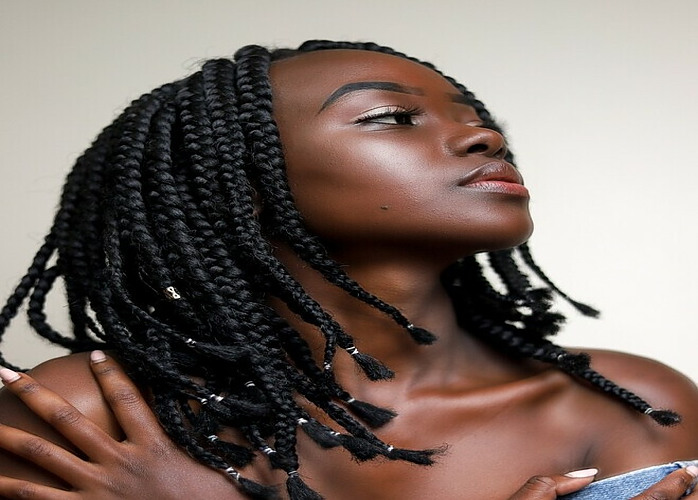
    Speaking of protective styles, these can be a curly-haired person’s best friend. By tucking away your ends in styles like braids, buns, or twists, you can reduce the exposure to environmental stresses, which in turn helps retain moisture for longer periods.

    Now, let’s talk products. It’s not just about having the right ones, but knowing which ingredients to avoid can be just as crucial. Be wary of silicones that can create the illusion of smoothness while blocking moisture. Sulfates can strip your hair of its natural oils, and certain alcohols can dry it out. On the flip side, ingredients like natural butters, oils, and humectants like glycerin can offer your locks the hydration and nourishment they crave.

    In my opinion, trial and error are part of the journey to perfect your hair care routine. Don’t be afraid to adjust your approach as you learn more about what works for you. Remember, while the right products and methods are important, a consistent routine will usually yield the best results.

    Choose a routine that resonates with you, gives you joy, and doesn’t feel like a chore – because that’s the routine you’ll stick to.I hope that you embrace these tips with optimism and patience. As you tweak and refine your hair care process, don’t worry too much about getting it perfect from the get-go; healthy hair is a long-term commitment that evolves with you over time. If you want to keep a journal on your hair, I have a journal that you can use for your hair care.

    Here’s a little transparency: Our website contains affiliate links. This means if you click and make a purchase, we may receive a small commission. Don’t worry, there’s no extra cost to you. It’s a simple way you can support our mission to bring you quality content.
  • Ultimate Care for Afro hair care routines

    The Ultimate Guide to Afro Hair Care Routines

    Developing a personalized hair care routine: Assessment of hair needs

    Developing a personalized hair care routine begins with assessing the specific needs of your hair. Here’s a step-by-step guide to help assess your hair’s needs:

    1. Hair Type: Determine your hair type using classification systems like the Andre Walker Hair Typing System (Type 3 – Curly, Type 4 – Coily/Kinky) or other systems that identify your hair’s texture, curl pattern, and porosity.
    2. Porosity: Assess your hair’s porosity by conducting a simple test. Take a clean strand of hair and place it in a bowl of water. If it sinks quickly, it likely has high porosity (absorbs moisture rapidly). If it floats for a while before sinking, it may have low porosity (struggles to absorb moisture).
    3. Texture and Density: Determine the texture (fine, medium, coarse) and density (thin, medium, thick) of your hair. Understanding these aspects helps in selecting appropriate products and styling techniques.
    4. Current Hair Condition: Evaluate your hair’s current condition. Note any issues such as dryness, breakage, split ends, or scalp concerns. Understanding your hair’s condition helps tailor your routine to address specific issues.
    5. Styling Habits and Frequency: Consider your typical styling routine, including how often you wash, use heat styling tools, or opt for protective styles. Assess whether these practices contribute to any damage or dryness.
    6. Product Sensitivity and Preferences: Take note of any products or ingredients that have caused adverse reactions or those that work exceptionally well for your hair. Consider your preferences, such as preference for natural or specific types of products.
    7. Lifestyle Factors: Consider your lifestyle, such as exercise frequency, exposure to environmental elements (sun, wind, pollution), and how these factors might affect your hair care routine.
    8. Time Commitment: Assess the time you’re willing to dedicate to your hair care routine. Determine if you prefer simpler routines or are open to more elaborate care practices.
    9. Long-Term Goals: Identify your hair care goals, whether it’s achieving length, improving overall health, reducing breakage, or maintaining a specific style.

    Once you’ve assessed these aspects, you can create a personalized hair care routine that addresses your hair’s specific needs:

    • Cleansing: Choose appropriate shampoos based on your hair type, porosity, and scalp condition. Adjust washing frequency to suit your hair’s needs.
    • Conditioning: Incorporate deep conditioning treatments, leave-in conditioners, or masks to address moisture and nourishment needs.
    • Styling and Maintenance: Select products and techniques that align with your hair’s characteristics and styling preferences. Incorporate protective styles or low-manipulation styles to promote hair health.
    • Scalp Care: Include scalp massages, treatments, or oils to maintain a healthy scalp environment, which is crucial for hair growth.
    • Trimming: Schedule regular trims to remove split ends and maintain healthy hair growth.
    • Adaptation and Consistency: Be open to adapting your routine based on how your hair responds to different products and practices. Consistency is key in maintaining healthy hair.

    Remember, developing a personalized hair care routine is a gradual process that involves experimentation and observation to find what works best for your hair’s unique needs. Regularly reassess and adjust your routine as necessary to ensure your hair remains healthy and well-cared for.

    Choosing the right products: From shampoos to leave-in conditioners

    Choosing the right hair care products, from shampoos to leave-in conditioners, plays a significant role in maintaining healthy afro-textured hair. Here are some tips for selecting the right products:

    1. Shampoos:
      • Look for sulfate-free or mild shampoos that won’t strip your hair of its natural oils. Sulfates can be harsh and drying for afro hair.
      • Consider shampoos formulated for your specific hair type (curly, coily, etc.) or those designed to add moisture and hydration.
      • Clarifying shampoos can be used occasionally to remove product buildup and refresh the scalp, but avoid using them too frequently to prevent excessive dryness.
    2. Conditioners:
      • Choose a moisturizing and hydrating conditioner that suits your hair’s texture and porosity. Look for ingredients like shea butter, coconut oil, or glycerin.
      • Deep conditioning treatments are beneficial for afro hair to provide intense hydration and nourishment. Consider using them weekly or bi-weekly.
      • Leave-in conditioners are great for maintaining moisture between washes and can help with detangling. Opt for lightweight formulas that won’t weigh down your hair.
    3. Hair Masks and Treatments:
      • Incorporate hair masks or treatments into your routine to provide extra nourishment. Look for ingredients like argan oil, honey, or aloe vera for their moisturizing properties.
    4. Natural Oils:
      • Natural oils such as coconut oil, jojoba oil, and argan oil are excellent for sealing moisture into the hair and providing essential nutrients. Choose oils based on your hair’s needs and preferences.
    5. Styling Products (Gels, Creams, Mousses):
      • Choose styling products that align with your desired hairstyles and hair needs. Look for products that offer hold without causing stiffness or buildup.
      • Consider water-based products as a base for your styling routine. They can hydrate the hair while allowing other styling products to layer on top.
    6. Leave-In Conditioners:
      • Opt for leave-in conditioners that provide hydration and help in detangling without leaving a heavy residue. Consider sprays or lightweight creams for ease of application.
    7. Ingredients to Avoid:
      • Avoid products containing harsh sulfates, silicones, parabens, and alcohol, as these can strip moisture, cause buildup, or lead to dryness and damage over time.
    8. Trial and Observation:
      • Experiment with different products to find what works best for your hair. Keep a lookout for how your hair responds, whether it feels moisturized, retains styles, or experiences less breakage.
      • Consider samples or travel-sized versions of products before committing to full-size purchases.
    9. Professional Recommendations:
      • Seek advice from hair professionals or stylists who specialize in afro-textured hair. They can offer personalized recommendations based on your hair’s unique needs and characteristics.

    Remember, everyone’s hair is unique, so what works for one person might not work for another. It’s essential to listen to your hair, observe its response to products, and adapt your routine accordingly to maintain healthy and vibrant afro-textured hair.

    Detangling without damage: Tips and techniques for Afro hair

    Detangling afro-textured hair requires patience, gentle handling, and the right tools to prevent damage and breakage. Here are some tips and techniques for detangling afro hair effectively:

    1. Start with Moisturized Hair: Before detangling, ensure your hair is damp or moisturized. Use a water-based leave-in conditioner or a detangling spray to add moisture, making the hair more manageable and reducing breakage.
    2. Section Your Hair: Divide your hair into manageable sections using hair clips or hair ties. Working in sections helps to focus on smaller areas at a time, making detangling less overwhelming and more efficient.
    3. Use a Detangling Tool: Opt for a wide-tooth comb, a detangling brush with flexible bristles, or your fingers. Begin detangling from the ends and work your way up to the roots, gently removing knots and tangles.
    4. Apply a Detangling Product: Use a detangling conditioner, hair oil, or a silicone-free detangler to provide slip and lubrication, making it easier to glide the comb or brush through your hair.
    5. Detangle When Wet or with Product: Some people find it easier to detangle their hair while it’s wet and saturated with conditioner. Others prefer to detangle with a product like a leave-in conditioner or oil to aid in slip and reduce friction.
    6. Be Gentle and Patient: Avoid rushing through the detangling process, as this can lead to more breakage. Take your time and gently work through knots and tangles, starting from the ends and gradually moving upwards.
    7. Finger Detangling: Using your fingers to gently separate knots and tangles can be an effective method, especially for delicate areas or very tangled sections. Apply conditioner or oil to aid in the process.
    8. Avoid Tearing or Ripping: Refrain from forcefully pulling through knots or ripping through tangles. This can cause damage and breakage. Instead, gently work through knots, holding the hair above the tangle to reduce tension on the roots.
    9. Detangle Regularly: Consistent detangling sessions, especially before washing or styling, can prevent severe tangles and matting, making the process easier each time.
    10. Trim Split Ends: Regular trims help to remove split ends, reducing tangling and making detangling sessions smoother.
    11. Protective Styling: Consider protective styles like braids or twists to minimize tangling and reduce the frequency of detangling sessions.
    12. Patience and Care: Approach detangling with patience and care. It might take time, especially with dense or tightly coiled hair, but gentle handling will preserve the health of your hair.

    Remember, finding the right technique and tools for detangling may vary from person to person. It’s essential to listen to your hair’s needs and adjust your detangling routine accordingly to minimize damage and maintain healthy, beautiful afro-textured hair.

    Protective styling options to encourage growth and reduce breakage

    Protective styling is a beneficial technique for afro-textured hair as it helps minimize manipulation, tangles, and breakage, thereby promoting growth and retaining length. Here are some protective styling options to consider:

    1. Braids:
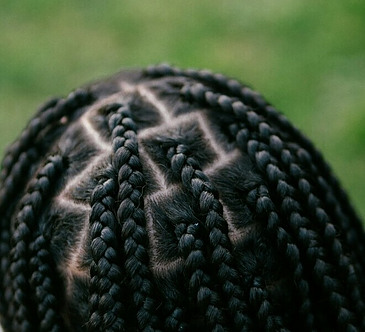
      • Box braids, Senegalese twists, or cornrows are popular protective styles. Braids reduce daily manipulation, allowing the hair to rest and grow without constant styling.
    2. Twists:
      • Two-strand twists or flat twists are versatile and low-maintenance styles that protect the hair by sealing in moisture and reducing tangles.
    3. Bantu Knots:
      • Bantu knots are a protective style that involves twisting sections of hair and wrapping them into knots. Once released, they create beautiful curls or waves.
    4. Crochet Braids:
      • Crochet braids involve attaching extensions to braided hair, creating various styles without excessive tension on the natural hair.
    5. Wigs and Weaves:
      • Wearing wigs or weaves gives your natural hair a break from daily styling. Ensure they’re installed properly to prevent tension and damage to the hairline.
    6. Protective Updos:
      • Updo hairstyles like buns, chignons, or French rolls can protect the ends of your hair, reducing breakage and maintaining moisture.
    7. Halo Braids or Crown Braids:
      • These styles involve braiding around the perimeter of the head, which protects the edges and leaves the center free. They’re stylish and protective.
    8. Faux Locs or Goddess Locs:
      • These styles involve wrapping hair with extensions to create locs. They’re a great way to give your hair a break and promote growth.
    9. Low Manipulation Styles:
      • Keeping the hair in simple styles like loose twists, buns, or ponytails with minimal tension can also be protective, reducing manipulation and breakage.
    10. Scalp Protection:
      • Ensure that your scalp is also protected during styling. Avoid excessive tension on the scalp to prevent hair loss or traction alopecia.

    While protective styles offer several benefits, it’s crucial to maintain proper care for your hair while it’s in a protective style:

    • Moisturize and Seal: Even when in a protective style, moisturize your hair and scalp regularly. Use lightweight oils or sprays to maintain moisture.
    • Cleanse and Refresh: Cleanse your scalp periodically to prevent product buildup and maintain a healthy scalp environment.
    • Limit Duration: Avoid leaving a protective style in for too long to prevent potential damage or matting. Typically, 4-8 weeks is a common duration, depending on the style and your hair’s needs.
    • Gentle Removal: Be gentle when removing a protective style to minimize breakage. Avoid rushing or forcefully detangling the hair.

    Combining protective styling with a good hair care routine can help encourage growth, retain length, and protect your afro-textured hair from breakage and damage.

    Professional advice: When to seek out a specialist for your Afro hair

    Seeking out a specialist for your afro-textured hair can be beneficial in various situations to address specific needs or concerns. Here are some scenarios when consulting a professional specializing in afro hair is advisable:

    1. Hair and Scalp Issues: If you’re experiencing persistent scalp issues like dandruff, itching, or hair loss, consulting a specialist can help identify the root cause and provide appropriate treatment or advice.
    2. Transitioning to Natural Hair: When transitioning from chemically treated or relaxed hair to natural hair, a specialist can offer guidance on managing two different textures and recommend suitable products and transitioning methods.
    3. Hair Damage or Breakage: Experiencing significant hair damage, breakage, or excessive shedding may indicate underlying issues that a specialist can assess and provide recommendations to improve hair health.
    4. Unfamiliar with Hair Care Needs: If you’re unsure about your hair’s specific needs, a specialist can help identify your hair type, porosity, and recommend a personalized care routine, including suitable products and techniques.
    5. Desire for Style Change or Protective Styling: Seeking a new style or opting for protective styles like braids, weaves, or locs? A specialist can offer advice on styles that suit your preferences while minimizing damage.
    6. Difficulty in Managing Hair: If you’re finding it challenging to manage or style your hair, a professional can demonstrate proper techniques for detangling, moisturizing, and styling afro-textured hair.
    7. Special Occasions or Events: For special occasions like weddings or important events, consulting a specialist for professional styling can ensure you achieve the desired look without compromising your hair’s health.
    8. Product Recommendations: Seeking advice on choosing the right hair care products, understanding ingredient lists, or finding products that work best for your hair type can be provided by a specialist.
    9. Overall Hair Health Concerns: Concerns about maintaining healthy hair, promoting growth, or addressing issues like dryness, brittleness, or lack of moisture can benefit from professional guidance.
    10. Hair Education and Maintenance: Learning about proper hair care practices, developing a personalized routine, and understanding how to maintain healthy hair can be gained from a specialist’s expertise.

    When seeking a specialist for your afro-textured hair, consider professionals with experience and expertise in caring for diverse hair textures. Look for licensed cosmetologists, trichologists, or hairstylists who specialize in afro hair care. Additionally, recommendations from friends or online reviews can help you find a reputable specialist suited to your needs.

  • Ways to minimize hair-breakage on afro hair

    The best way to wash your hair especially with curls is to make sure that it’s washed as it should be at the salon. Now as a normal individual washing your hair everytime at a hairdressers may not necessarity be possible. However, there are techniques that you can use to ensure that when you wash your hair you have less tangles.

    Washing with braids

    Most individuals that I have met are always curious how hair with braids can be washed. It’s very simple, however if you have curls in your hair and are doing your own hair, it’s best to section it into four and loosely braid each part. The main reason is that it will help you in keeping your hair together and reducing the friction that you lead to breakage between your hair strands. When you are in the process of washing it, when it’s all braided together, the tangling process is reduced. This is the reason why braided hair can still be washed without any trouble. If you have longer hair, it’s one of the best techniques as you will struggle less with tangles and breakage. Now imagine you utilise the deep conditioning method mentioned earlier with this technique, you will be pleasantly surprised. I challenge anyone with 4c hair type to try this technique and see how much better for your hair it will be.

    Now in order to make sure that you rinse out the shampoo and conditioner, I normally tend to undo one section at a time and just make sure that all the shampoo and conditioner has been removed, then I will braid it up again. You can use a loose twist or a three strand braid method.

    Washing shorter hair

    If you hair is shorter and you still do not want it to get tangled, ensure that you use a hair tie or clips if that is possible. If your hair is too short to put in sections, wash it as it is but use a treatment such as hot oil or even conditioner. When you wash use the pads of your fingers to massage your scalp. When you first apply your shampoo, give it a minute to penetrate into the hair shaft and remove any dirt or debris before your wash it off and rinse it. If you feel that your scalp is not clean enough you can repeat the process until you are done.

    Finally, apply the conditioner. Now sometimes I normally want to make sure that when I apply the conditioner my hair get’s really moisturised, therefore sometimes I leave it on my scalp for about 5-10 minutes.You can also do other chores and then rinse it out if you want. Always rinse your scalp with warm-cool water but not hot water.

    This method is very effective for helping you have less breakage and easier way to detangle your hair.

    Deep conditioning process

    Deep conditioning is a method that you can use to soften your hair depending on the texture. If your hair is a lot tougher, it’s best to leave the deep conditioner a little longer on  your hair so that it can help in the process of softening. A good indicator of times is from 5 – 15 minutes. If you can add heat,  it’s a lot easier if not, then ensure that you put it on your hair for atleast 10 minutes.

    Drying your hair

    The process of drying your hair also plays a part in minimising breakage. Microfiber towels or old cotton t-shirts work best in minimising breakage. Your hair will dry faster, it will also be beneficial to blot the hair instead of scrunching it as that will form tension and tanlges once more. If you have a diffuser, it can be a great way to dry your curls as well without manipulating them. If you don’t have a diffuser, you can use string and wind it down either in the four sections or by dividing into smaller sections.

    Moisturising process

    Before you apply the string, make sure that you moisturise your hair, you can use a water-based cream moisturiser or lighter oil depending on your hair type. always oil the ends of your hair and move towards the root. You don’t have to put too much, just make sure it’s enough to keep the hair in good condition. I always use shea butter or coconut oil on my hair as that works well, however when I have braided hair, I use the ligher oils because I normally use a stray to condition my scalp.

    These are some ways in making sure that the process of washing and moisturising your hair are done in the best way without causing unecessary breakage. Note that if you are in a hurry, it’s advisable not to wash your hair as you will definintely do a poor job. The more you repeat this process, the easier and faster you will get.

    What is your wash routine, and how do you ensure that you minimise breakage?

  • How to maintain enough hair protein and moisture

    I have maintained natural hair over many years now and I am at that stage where I don’t desire to relax it at all. The best I can do is ensure that it is well maintained all year round and is healthy. There was a time when all I wanted was to have long flowing hair and I know I can, however I realised that healthy hair is more important in order to have long flowing hair. Regardless, if you want to maintain longer or shorter hair, the methods mentioned in this blog should be knowledge for the rest of your life.

    Many individuals with textured or curly hair are probably bombared with different products on a daily basis. One thing to remember is that if something is working for you, it’s best not to change it. Now the main reason I decided to write this article is because sometimes I get questions from some individuals that I know in finding out what I do to make sure that my hair is in great condition. One thing we all have to understand is that the best individual to know their hair is you. It’s your responsibility to understand what works well for you and what does not. Coconut oil may work well for my hair and scalp but it may not work for some individuals and that’s actually normal.

    One thing though that helps with ensuring that you have the right balance of protein and moisture in your hair is how it feels. Another thing to note that is extremely important is that you need to understand your hair porosity in order to make sure that you are using the right techniques for your hair.

    Identifying hair that has too much protein

    How do you know if your hair has too much protein? well that’s quite simple, when you wash your hair, make sure you look out for these signs. Is it taking too long to fully get wet? does it feel spongy, hard and stretchy? Are you getting more breakage than usual? When you do the keratin treatment for example, you put alot of protein in your hair, do you know how your hair reacts if you put too much protein on it?

    If you find that you answered yes to these questions, the best thing to do is start using products that are more moisture based in order to make sure that your hair is getting adequate moisture and there is some balance. Sometimes, protein will take some time to minimize on your hair strands because once it’s coated on your hair, it’s quite difficult for it to get out.

    One way to cleanse your hair so that more protein can get off is using a shampoo that contains a lauryl sulphite because that will get rid of everything that may be coating the strands of your hair, then using a moisturising shampoo.

    Note that this takes quite a few weeks to get off your hair so you may not see any difference in your hair for some time, be patient and keep at it.

    Identifying hair that has too much moisture

    When you wet your hair, how does it feel? Does you hair feel limp and gummy and not very strong, does your hair stretch a lot before breaking? You need to make sure that your hair has a good balance of moisture and you can have too much. This means that you are keeping your hair too wet all the time without allowing it to dry. Also because you have not balanced it with protein, it is not strong.

    Therefore in order to make sure that you have enough protein, get protein-based conditioners.

    I have braids, how do I know what I need?

    If your hair is braided, it’s hard to know what your hair needs, the best thing to do is alternate the products. One week have a moisture based protein and in the next a protein based protein. This way you can consistently maintain your hair in a way that you don’t have to lack once you undo your braids.

    However everytime an individual removes their braids, they always have buildup, therefore it’s useful to get a stronger shampoo with a sulfate to make sure that your hair is clean.

    Conclusion

    It is a lot easier to minimize the damage when you have more moisture than when you have more protein. Sometimes individuals get so much breakage and they are unsure what to do. Sometimes the best thing is to cut your hair and start the process again. Hair sheds for many varied reasons and sometimes it may not be too much protein or too much moisture. Your diet plays a big role in helping your hair to stay healthy. Make sure that you are well hydrated as well and that you are exercising and eating well. If you keep up with this, it can help tremendously in your day to day.

    Do you know if you have been moisture or protein deficient?

  • Gel free styling on afro hair keeping the natural look

    I love the natural hair movement because it has created opportunities for individuals to start doing various hair styles that are becoming popular and some that are easy to do.

    One style that I love at the moment is the slick back afro with a bun or even with hair out. Now I remember when I first

    went natural and a lot of products that are in the market now were not available at that time. Therefore, you could not even slick back your hair with any ecostyler or anything else. With the new products in the market now, there are so many options.

    Gels

    The first time I was given information about gels when I was younger is that they are not suitable for afro hair and should not be used at all. I think at that time that was true however in this day and age, that is not the case at all. I got my first product about 10 year ago to slick my hair back. I remember how excited I was because my hair was shiny.

    However, the only draw back was that after a few hours the gel made your hair seem like a rock and my hair would get lots of white on it. At that time, I did not understand why my hair would not come out as it did, however I kept using it anyway. It was not often but it was quite frequent.

    Gels now

    Nowadays there are so many types of gels and most of them can be used on afro hair. You can look at Eco styler, Olive oil, Giovanni e.t.c and the list goes on. Now the problem with gels for me is that after a few days, I start developing white flakes on my hair, I am not sure why and that means I have to either use water to help with the flaking or just wash it out of my hair.

    Recently I discovered that you can use a moisturiser on your hair before you place the gel on top and that normally helps in reducing the dryness that gels can cause. However the other problem I get with gels is that my scalp can become really itchy.

    Gel free

    Therefore to develop the same style as I would with a gel but without it, I discovered a technique that works quite easily for me.

    1. Depending on the look you want to achieve, make sure that you put a leave in conditioner on your hair.

    2. Comb through to get the desired look on your head.

    3. Tie up your hair in whichever way you want to have your bun.

    4. Place a head tie on the section for about 5 – 10 minutes.

    5. Once the time is up, you can still get a bun without the gel but your hair still looks great.

    That is the same look without any gel on it and it comes out looking exactly the same. I have the same look with gel and it looks slightly different, however as mentioned before I have to be careful not to let it get itchy on my scalp.

    If you have tried any gels, which ones do you like to use often and which ones work for you?

  • Review- Giovanni Smooth as silk for that xtra soft feeling

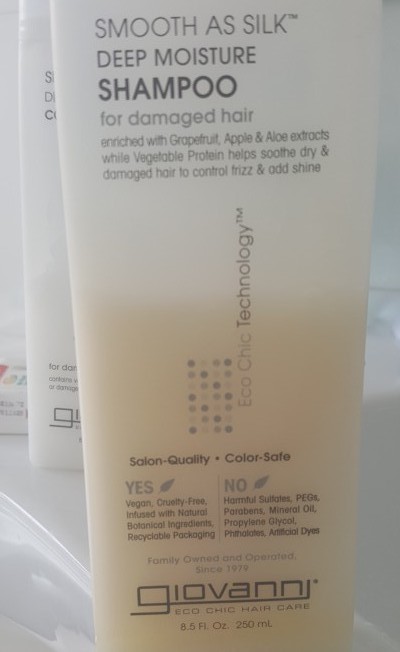
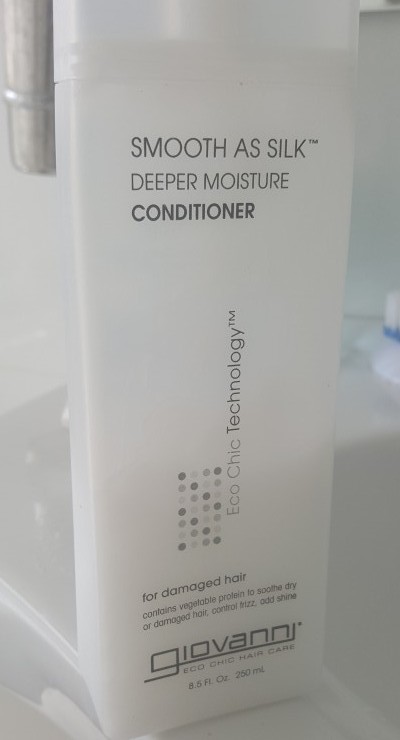
    Product: Giovanni Smooth as silk shampoo and conditioner

    Prices: $4.58 – $13.00

    Cheapest place to buy: Beauty expert

    Size of container: 250 ml which is 8.5 Fl.

    My rating: 4 out of 5

    The first time I used Giovanni shampoo, I thought that it was great. At that time, I felt that the costs of the products were quite pricey and so I would just get it once in a while. I finally managed to get it on sale a few months back and purchased a specific brand known as smooth as silk. It is their moisturizing range. I felt like my hair was lacking in moisture and it did not feel as soft as I was used to before, therefore the journey to using Giovanni began.

    What I like about it

    I like Giovanni shampoo smooth as silk because it does not contain any harmful sulfates and parabens. It’s free of any artificial dyes and has natural botanical ingredients. Now it may not be for everyone, however for  me I love it because it actually makes my hair less frizz prone even a few days after washing my hair.

    One thing that I noticed that was great about Giovanni, was that when I first started using it, I had quite a bit of breakage, however after several uses now, I am finding that my hair breakage is significantly less. My hair is easily detangled which is amazing, so everytime I use my wide toothed comb to comb it out there are very few tangles.

    Actually on Friday when I washed it, I had actually undone my hair which had been in little twists, normally the process of detangling would have taken me ages, but with Giovanni, the detangling process was quick and easy.

    For those individuals that want to know if the company is environmentally responsible, well their packaging is recyclable.

    My hair certainly is easier to manage, however not sure that it’s smoother per se, however I have texturised hair, therefore for the work it does on it, I am quite impressed.

    Additonally, it does not have a strong smell so it’s great when you wash your hair. It has also saved me considerable time and effort as I don’t spend a many hours as I used to on my hair in general.

    Giovanni Conditioner is great as well, it’s very think and I normally just use one coin and it is enough to moisturise my hair. I normally keep it in for 5 – 10 minutes without heat, however depending on the time I have, I use a shower cap and put a beanie on top if I want ran other household chores.

    What I don’t like

    Some of the ingredients seem to settle at the bottom of the shampoo and you have to keep shaking it to make sure that you are getting everything distributed in the shampoo. I am not sure if it’s because of my location that this is happening but it’s something I don’t like.

    I find that I tend to use the conditioner more than the shampoo, yet I need it more. I think this is also on my end and has nothing to do with the brand.

    As you can see, there’s not much to dislike about Giovanni in general.

    Overall

    Giovanni smooth as silk shampoo and conditioner really work well for me. I think depending on the type of hair you have it can be great and potentially it may also not be suitable for you. If you can get a sample in the shop I would suggest getting that first before you make the purchase.

    This product would be ideal for an individual that has dry hair. I will go into my next blog to discuss about identifying how you can revive your hair depending on what you use for it.

    If you have used Giovanni shampoo, how did you find them, did they work for you?