Category: hair products

  • The Toxic 12: Ingredients Destroying Your 4C Hair

    The Toxic 12: Ingredients Destroying Your 4C Hair

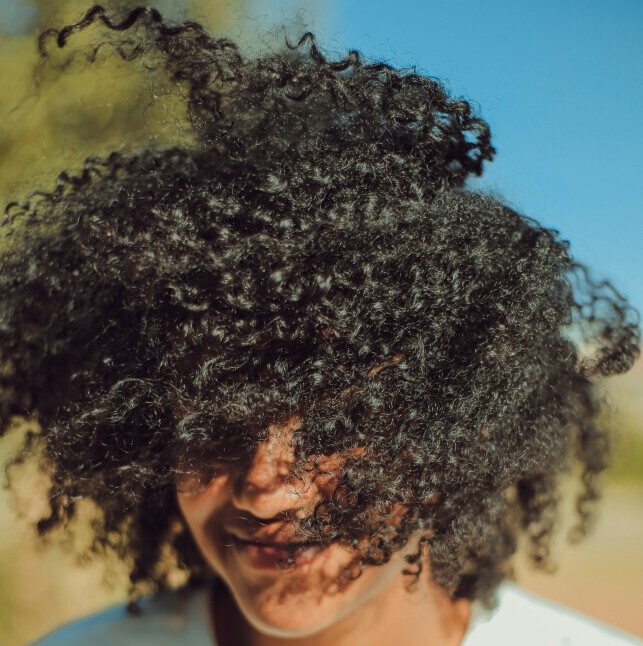
    4C hair has its unique beauty and challenges. The tight, zig-zag pattern is stunning but needs extra care to maintain its health. Knowing what goes into your hair care products is crucial, especially when dealing with natural hair.

    Many products claim they’ll enrich your curls, but not all of them are being straight with you about their ingredients. Some compounds in hair products are known to be problematic, especially for delicate 4C strands. Understanding these ingredients can make a huge difference in the strength and health of your hair.
    The term ‘The Toxic 12‘ refers to a group of notorious chemicals found in many cosmetics and hair care products. These ingredients are notorious for disrupting the natural beauty and integrity of your hair. Awareness of these substances is key to maintaining the lusciousness of 4C hair without unnecessary damage.

    People often wonder, “What’s bad for 4C hair?” Well, wouldn’t you know, many of these damaging ingredients are hiding out in plain sight in our hair products. If you’re finding your hair not living its best life, it’s time to look closer at what’s in that bottle.

    Getting on top of your hair care means diving into the ingredient lists and making informed choices. Being ingredient-savvy is not just for chemistry buffs—it’s for anyone who loves their hair and wants it to thrive.

    Identifying The Toxic 12: An Overview

    When it comes to hair care, the ‘Dirty Dozen’ isn’t the latest drama but a list of ingredients that can turn your hair journey into a nightmare. These chemicals are often marketed as beneficial, but their effects can be quite the opposite, especially for the unique needs of 4C hair.

    You might wonder what ingredients are hiding in your hair products that you should be wary of. Well, these notorious twelve have been known to strip moisture, weaken hair, and even cause scalp issues. Sulfates, parabens, and silicones are just a few of the usual suspects troubling your crown.
    Understanding what makes these ingredients a no-go is key. Sulfates, for instance, can leave your hair feeling squeaky clean, but that’s not necessarily a good thing. For 4C hair, which craves moisture, such detergents strip away natural oils, leaving you high and dry.

    Parabens sneak in as preservatives but have been linked to hormone disruptions. For those trying to keep their curls healthy and bouncy, avoiding these chemicals is part of smart hair care shopping.

    And silicones? They might make your hair look temporarily shiny, but it’s like putting a plastic wrap on your hair. Over time, they can cause build-up, making your hair heavy and dull.

    Checking out the labels on hair products can feel like decoding another language. But with a bit of knowledge, you become the expert on your hair’s best friends and frenemies. The payoff? Healthier and happier 4C hair without the hassle of harsh chemicals.

    Dangerous Ingredients Potentially Causing Hair Damage

    When caring for your 4C hair, you’ll want to watch out for some ingredients that wave a red flag. Just because a product smells amazing or promises miracle transformations doesn’t mean it’s doing your hair any favors. Some ingredients are like that unwanted second cousin at family gatherings—they show up uninvited and just cause trouble.

    Ever scan those ingredient lists and see something like “propylene glycol”? It’s as common as a pair of old jeans but not as harmless. This chemical is often used to retain moisture, but it can also irritate your scalp and dry out your curls.

    And let’s talk about alcohol. Not the kind that makes a good cocktail, but the kind that sneaks into your styling sprays, leaving your hair thirsty rather than quenched. Not all alcohols are bad, but if you see ethanol or isopropyl, proceed with caution as they can zap moisture from your strands.

    Phthalates pop up in fragrances but can mess with your hair’s natural balance. They aren’t singled out on every product label, which can make them tricky to spot. The best bet? Opt for fragrance-free products or look for those labeled ‘phthalate-free.’

    One might ask, “Which ingredient is harmful for hair?” It’s not just one single culprit but a cocktail of different compounds. Being mindful of these can save your hair a lot of grief. Always remember, healthy hair starts with informed choices. Scan those labels and opt for products with ingredients you trust. Your hair will thank you by looking its best every day.

    The Connection Between Chemicals and Hair Loss

    Hair loss can hit anyone like a bad hair day that doesn’t end. For 4C hair, certain chemicals can be sneaky contributors to the issue, making it crucial to know what’s in your hair products.

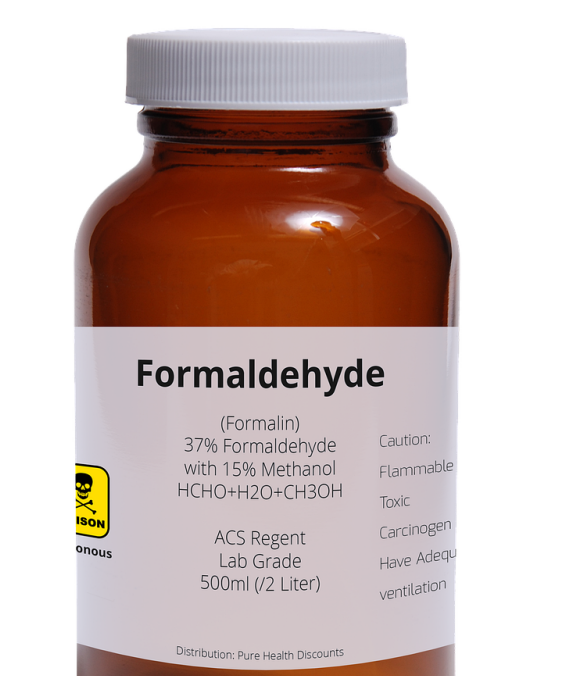
    Some ingredients are particularly notorious for causing hair to shed. Take formaldehyde, for example. It’s not something you’d willingly apply to your roots, yet it often hides in hair smoothing treatments. This chemical can weaken hair strands, leading to breakage and thinning. There was a season, I did not pay attention to these ingredients and I decided that I wanted to get a hair smoothing treatment. I was put off mostly because of the cost and the time it would take to get done. On doing further research, I discovered that there were cancer causing ingredients in the specific hair product that would me used and that was the end of my journey looking into those products.

    Ever heard of sodium lauryl sulfate? This popular cleaning agent is effective at washing away dirt but can also harm your hair follicles with prolonged use. Keeping an eye out for this in shampoos can help preserve your hair density.

    Another common threat is synthetic fragrances. They sound harmless, but the mix of undisclosed chemicals can stress the scalp, potentially promoting hair fall. Opting for natural or fragrance-free products minimizes the risk.

    Questions like ‘What ingredient causes hair to fall out?’ are valid concerns. The answer can be pretty complex, but focusing on gentle, natural ingredients is generally a smart move. Avoid overloaded formulas promising miracles—they might just be full of unwanted surprises.

    Educating yourself on these chemicals isn’t about becoming a chemist overnight but about making choices that keep your hair healthy and robust. Your 4C hair deserves products that care for every exquisite strand.

    Steps for Safer Hair Care: Protecting Your 4C Hair

    Creating a hair care routine free from nasty chemicals is like giving your hair an all-access pass to thrive. It starts with knowing your products inside and out. Look for labels that boast transparency and simplicity. Products with shorter ingredient lists often mean fewer chances of unwanted chemicals.

    Swapping out products might seem overwhelming, but focus on one product at a time. Maybe start with your shampoo, checking it’s free from sulfates and other harsh cleansers. Gradually move through your routine, finding what works best for your curls without the nasty impact.

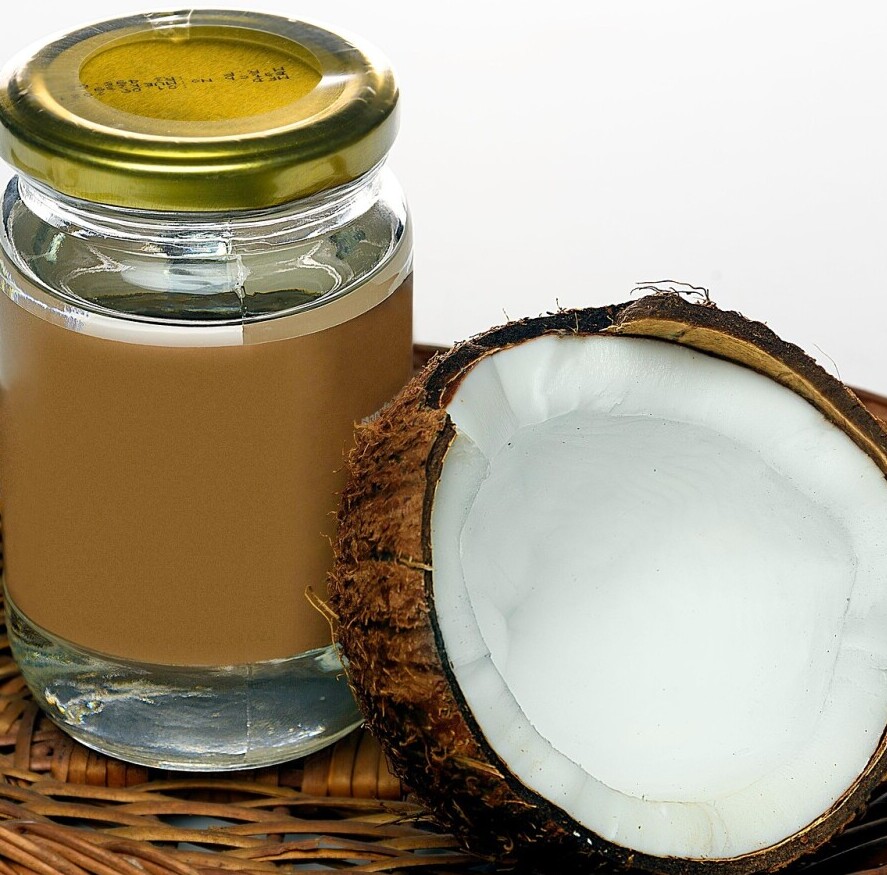
    Take the time to test how new products work on your hair. Don’t be swayed by aggressive marketing; your hair’s reaction is the real deal. Start with alternatives that have natural moisturizers like shea butter and coconut oil, which nurture without stripping.
    Don’t ignore how your hair and scalp feel. Regular dryness, itchiness, or breakage could be a sign that something in your routine isn’t jiving well with your hair. Staying tuned to these signals helps you tweak your approach and keep things fresh and beneficial.

    If you’re stumped on where to start or what to pick, consider apps and websites that verify product safety. They provide trusted resources, helping you decide based on your goals for healthy hair. Whether it’s certifications or consumer reviews, informed purchases are always in style.
  • Preventing Breakage In Afro Hair

    Preventing Breakage In Afro Hair

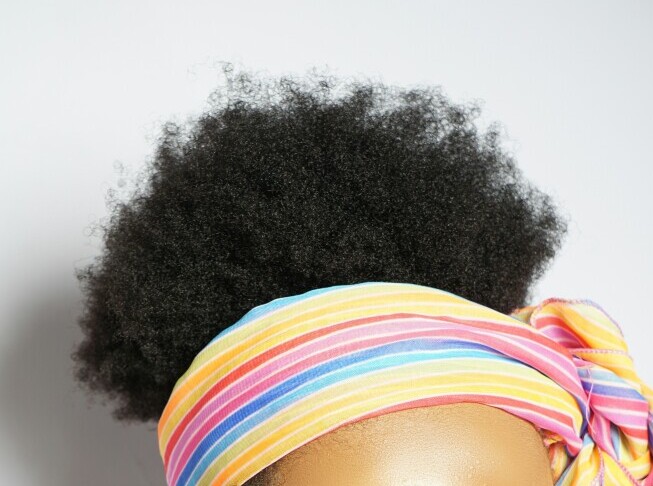
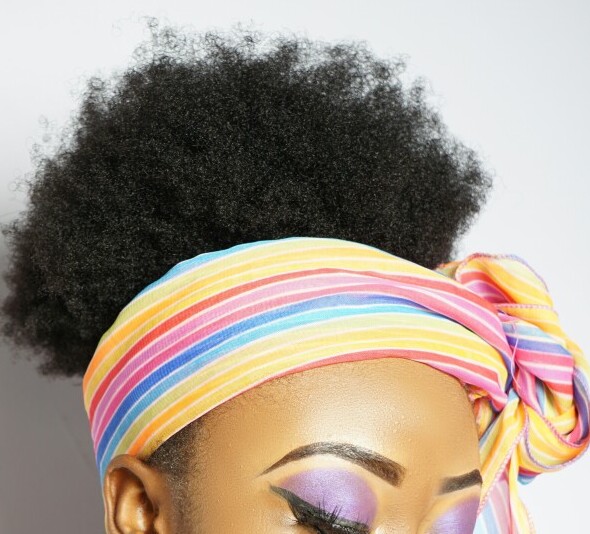
    Afro hair with its unique structure, is set apart from other hair types. This type of hair typically features a tight curl pattern, which can range from softly coiled curls to tight zig-zags. I have written regarding these details of afro hair in a previous blog. These natural kinks result from the hair’s oval-shaped follicles, which determine the curliness by how they grow out of the scalp.

    There’s a lot of misinformation floating around about Afro-textured hair, much of which feeds into stereotypes that oversimplify its complexities. For instance, it’s a common myth that Afro hair is always dry or that it doesn’t grow fast. The truth is, like any hair type, its growth can vary from person to person, and dryness often results from the curls making it more challenging for natural scalp oils to travel down the hair shaft, not because the hair “just is”.

    The intricate curl patterns of Afro hair mean that its strength is also unique. While the curliness gives the hair its bounce and volume, it also makes it more susceptible to breakage and tangling, especially at its bends and curves. The shape makes it harder for the natural oils to coat the hair fully, which can undo some of the protective layers typical in straighter hair types. Understanding these aspects is key to getting that balance right in haircare routines tailored for Afro-textured hair.

    Identifying Common Causes of Breakage in Afro Hair

    Afro hair, with its mesmerizing curls and delicate structure, can be prone to breakage when not handled properly. One leading cause? Over-manipulation. Constantly styling, pulling, and brushing can strain those delicate strands, especially when done without the right techniques or tools. I remember once putting in braids and they were still fresh on my scalp. I bumped my head really hard and I found my braid come off my scalp with the hair. My hair grew back but it was a process and I had to take the time to look after my hair.

    Environment plays a silent role, too. Sun exposure, humidity, and pollution take their toll on your hair’s moisture levels. Without protection, these elements can lead to brittleness and breakages over time, even if you’re diligent about your hair routine.

    Chemical treatments can be a double-edged sword. While they might give temporary changes in texture or style, overuse or improper application can weaken hair structure. Similarly, excessive heat styling without protection strips the hair of its moisture, leaving it more fragile.

    Recognizing these common causes of breakage is the first step in taking proactive measures to maintain the health and beauty of your Afro hair. This understanding encourages more thoughtful haircare habits and choices that support hair strength and resilience.

    Nutritional Support: Feeding Your Hair from the Inside Out

    Healthy hair starts from the inside, and for Afro-textured hair, this couldn’t be more true. Your diet has a profound impact on the strength and durability of your hair. Proteins act as the building blocks for strong hair, so including protein-rich foods like lean meats, eggs, and legumes can make a noticeable difference.

    Essential vitamins and minerals can be the unsung heroes of hair health. Vitamin A helps in producing healthy sebum, which naturally moisturizes your hair. Biotin is often touted for hair growth, while iron improves circulation, delivering oxygen to hair follicles, which helps reduce breakage. Don’t forget about zinc, which supports the repair and growth of hair tissues. I used to take zinc supplements but when I did, I had to make sure that I had a really good diet.

    Stay hydrated! Water plays a vital role in keeping hair strands supple and healthy. Dehydration affects hair cells, making them brittle and more prone to breaking. Intentionally drinking enough water each day helps maintain that much-needed moisture balance.

    Incorporating these nutritional changes into your lifestyle doesn’t just aid in preventing breakage. It sets the foundation for the natural vitality and strength of your Afro hair, reflecting a holistic approach to care that goes beyond external treatments.

    Crafting a Personalized, Low-Manipulation Hair Care Routine

    Creating a hair care routine that minimizes manipulation can significantly prevent breakage in Afro hair. Protective styles like braids, twists, and buns not only offer a chic look but also protect hair from daily wear and tear. Regularly switching up these styles can help keep your strands healthy without stressing them out.

    Detangling Afro hair needs a gentle touch. Always detangle when hair is damp and use a wide-tooth comb or your fingers. Starting from the tips and moving toward the roots, gently work through the tangles. Patience is key to preventing unnecessary breakage and keeping those curls intact.

    Hydration and moisture are crucial. Afro hair thrives when it’s well-moisturized, so make it a habit to use leave-in conditioners and oils that lock in moisture. Regular deep conditioning treatments are like a spa day for your hair, replenishing what daily life might take out.

    Tailor your haircare products to your needs. Products today are formulated for specific curl patterns and hair porosity levels, so choose ones that match your hair’s needs. This personalized approach supports strong and resilient hair, making breakage a thing of the past.

    Seeking Professional Help: Guidance from Experienced Hair Experts

    Sometimes, a little expert advice goes a long way in sustaining healthy Afro-textured hair. Professional hairstylists who specialize in Afro hair bring invaluable insights and tips tailored to your hair’s unique needs.

    These experts can guide you in finding the right products that work harmoniously with your hair type and texture. From shampoos—and conditioners to oils and styling creams, they know what works best for maintaining strength and preventing breakage. It also help to keep checking the scalp because this can also affect the condition of your hair.

    Consultations with a knowledgeable stylist can be a game-changer. If you’re facing persistent issues or considering a dramatic change, tapping into their expertise can provide strategies and solutions you might not have considered.

    Don’t hesitate to ask for professional advice if you’re at a crossroads with your hair routine. Sometimes those specialized hands and opinions can reveal the best methods for nurturing your hair’s natural glory.

  • Natural Hair Care Expert Kenya | 4C Hair Tips & Products | Afro-Queen

    Expert 4C hair care tips and natural hair routines for Kenya. Discover the best products, styling techniques, and daily care guides for healthy afro hair in Nairobi and beyond.

  • Best Afro Hair Products for 4c hair

    Best Afro Hair Products for 4c hair

    Afro hair is amazing in all its diverse glory, with its textures, curl patterns, and density making it unlike any other. Getting to know your hair’s unique characteristics is key to unlocking its beauty. Identifying whether you have tight coils or loose curls can hugely impact the type of care you should give it.

    Understanding your hair type helps you dial in on what it really needs—whether it craves moisture or screams for more definition. This understanding is your golden ticket to picking products that truly cater to your hair’s desires.

    On this journey, a little wisdom from those who’ve been there can steer you right. Whether it’s celebs with enviable dos or pros who’ve styled countless heads, their insights can shorten your learning curve.

    Having a deep appreciation of natural hair health is your guide to selecting products that actually nourish your strands and encourage growth. It’s about saying goodbye to bad hair days and hello to hair that makes heads turn.

    Avoiding certain ingredients like sulfates, parabens, and other harmful chemicals is a game-changer. These can strip your hair of its natural oils and throw off its balance. Keeping an eye on labels is such an easy step but does wonders for your hair’s health in the long run.

    Top Picks: Reviewing the Best Afro Hair Products for Every Step of Your Routine

    Having the right products at your fingertips makes all the difference when caring for Afro hair. It’s like having a dream team that tackles each hair challenge with ease. Let’s talk about some of the must-have Afro hair products that should make it onto your bathroom shelf.

    First up, shampoos and co-washes that prioritize keeping moisture in rather than stripping it out. Hydration is vital from the get-go, and a gentle cleanser sets the stage for healthy strands.

    Then there’s the game-changer, conditioners, and deep treatments. These gems strengthen your hair and keep it looking lively. A nourishing formula provides the elasticity and health your curls crave.

    Leave-in conditioners and detanglers deserve a shout-out, making styling a breeze. They enhance the natural beauty of your texture while knocking out tangles without a fuss.

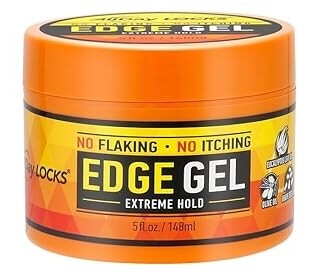
    Stylers and gels are your go-tos when you’re looking to define those curls and keep frizz at bay. The best picks add shine and hold without leaving your curls crispy and weighed down.

    To top things off, oils and serums are fantastic for sealing in moisture and giving you that signature shine. Plus, they boost scalp health, which is often a win-win for longer, healthier hair.

    When you’re on the hunt for new products, real-world feedback can be invaluable. Hearing from others and their firsthand experiences brings a whole new perspective, helping you make choices that suit your specific needs.

  • Shea Butter Vs Coconut Oil For African 4c Hair Growth

    African hair, known for its unique texture and incredible versatility, often needs extra care due to its tendency to be dry and fragile. Hair growth challenges like breakage and slow growth can sometimes feel overwhelming, but two natural ingredients stand out for nurturing these strands: shea butter and coconut oil.

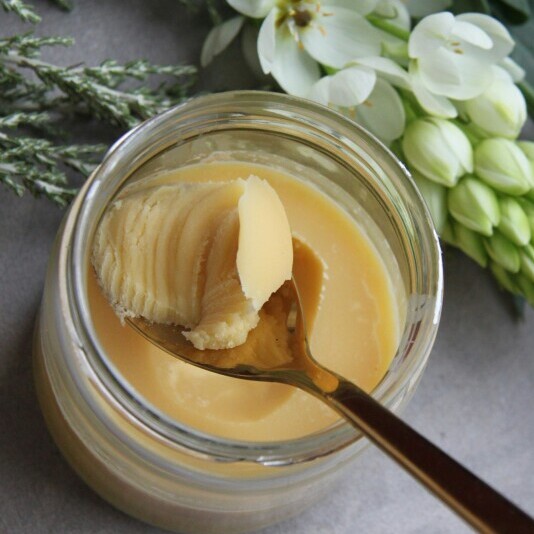
    Shea butter, harvested from the nuts of the shea tree found in West Africa, is a powerhouse of moisture and nourishment. Packed with vitamins like A and E, it’s known for healing and improving hair health. Its thick consistency is perfect for sealing moisture in, making it a favorite for those with thicker or coarser hair textures.

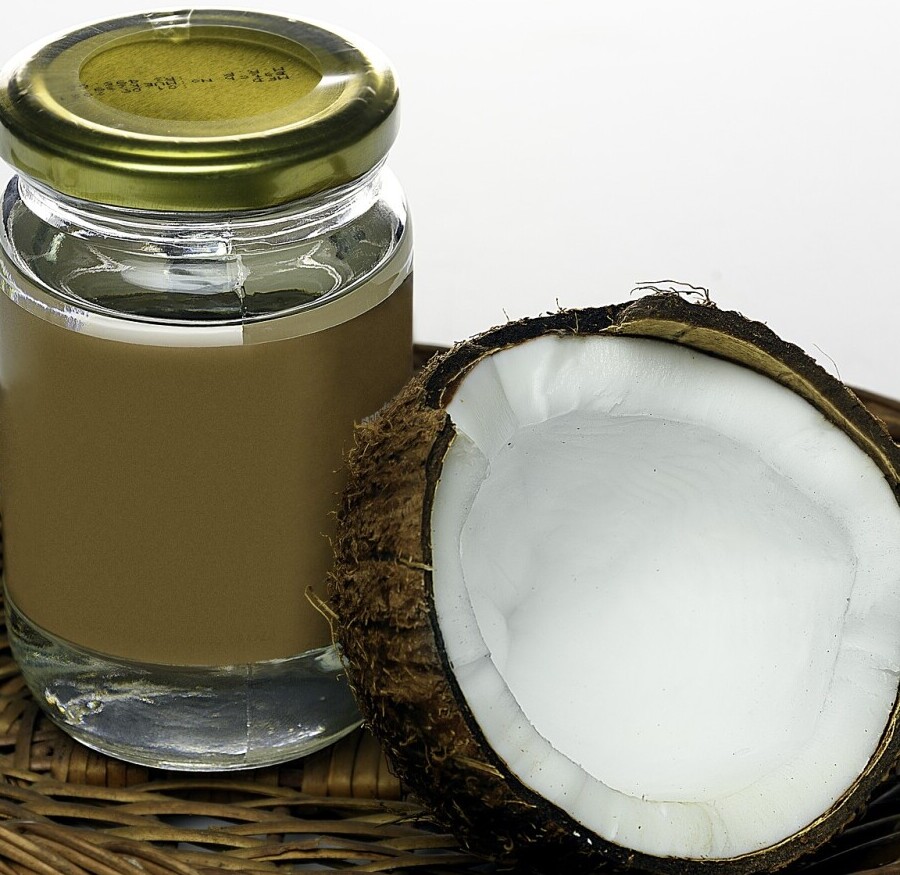
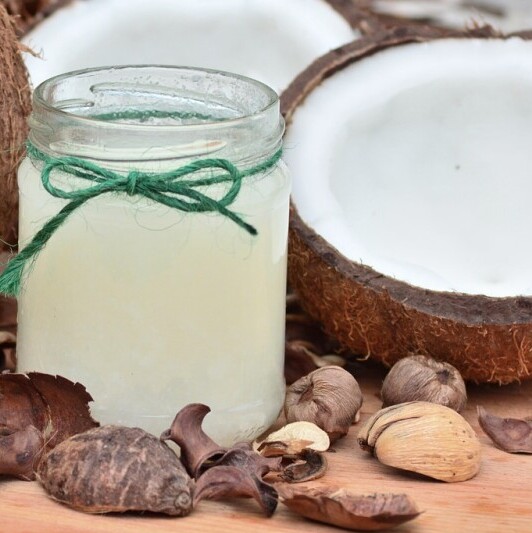
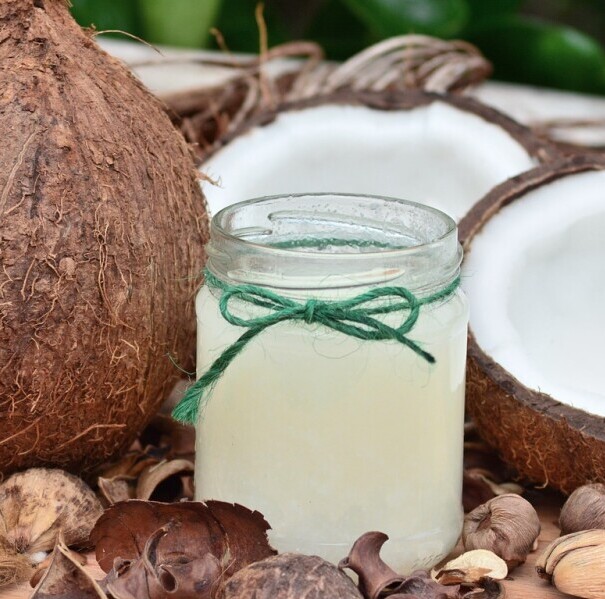
    On the other side, coconut oil, derived from mature coconuts, is famous for its ability to penetrate the hair shaft. Unlike shea butter, coconut oil’s structure allows it to seep into the hair, reducing protein loss and improving strength from within. It’s loaded with lauric acid, which not only nourishes the scalp but also conditions the hair.

    When it comes to moisturizing properties, both shea butter and coconut oil can be beneficial, but their impact varies depending on what your hair specifically needs. Shea butter is fantastic for locking in moisture and adding a heavier layer of protection. Coconut oil, with its deep-penetrating qualities, is great for people looking to strengthen their hair and improve scalp health.

    The interaction of these oils with the hair can differ significantly, too. Shea butter tends to sit on the hair shaft, providing an external barrier against dryness. In contrast, coconut oil’s ability to penetrate means it helps nourish from within, making the hair more resilient over time.

    When choosing between these two, consider what your hair craves. Do you need that thick, protective layer that holds moisture in? Shea butter might be your match. Or if your hair feels brittle and needs strengthening from the inside out, you might opt for coconut oil.

    Some folks even find success in using both, layering coconut oil first for its penetrating qualities, and topping it off with shea butter for that extra moisture-lock. This combo approach can give you the best of both worlds.

    Additionally some individuals cannot use coconut oil for their hair as there’s not much impact, therefore it’s better to use the oil that works well for you.

    Shea butter does not have a strong smell like coconut and can sometimes sit on your hair if you do not rub it on your hands. Coconut oil is light and disappears easily on your hair. I have written a lot about how to assess your hair type because this will also help you in knowing which oil to use for your hair.

    Which one do you prefer, coconut oil or shea butter?

  • Best Tips For Maintenance & Products For Natural Afro Hair

    Natural afro hair has its own set of unique characteristics, and it carries a legacy of beauty and culture. Each curl pattern tells a story, and understanding yours can make all the difference in caring for it effectively. There’s a spectrum—ranging from S-shaped curls to tighter coils. This diversity means there isn’t a one-size-fits-all formula.

    Porosity also plays a big role. Porosity is about how well your hair absorbs and holds moisture. It can range from low (where hair doesn’t easily absorb but keeps moisture very well) to high (quick to drink in moisture but just as quick to let it go). Knowing where your hair stands can help in choosing products that work with your texture, not against it.

    Embracing your natural texture means celebrating what makes your hair yours. It’s all about self-love and working with what you naturally have. This doesn’t just lead to healthier hair but boosts confidence too.

    Personalized hair care is like crafting a bespoke recipe for success. Focusing on what uniquely nourishes your natural hair can lead to a happier, healthier mane. It’s not just about finding what works, but also embracing the versatility and resilience of your strands.

    Top Hair Care Products for Moisture and Hydration

    Keeping natural afro hair moisturized is a game changer, trust me. With the right products, you’re setting the stage for fabulous hair days. To start, leave-in conditioners are your best friends. These goodies deliver a consistent drink of hydration. Look for ones packed with natural ingredients like aloe vera or shea butter for that extra kick of moisture.

    Then there are oils and creams. A good oil or cream locks that moisture in, standing guard against dryness. Whether it’s argan oil for a silky touch or avocado cream for rich nourishment, these products keep your curls lush. It’s about finding what your hair craves—those ingredients that keep it thriving.

    Building a moisture-rich routine can seem daunting at first. But once you get it, it’s like having a personalized hydration plan. Start simple; maybe focus on hydrating your hair a couple of times a week. Then add layers, whether it’s a pre-shampoo oil treatment or a deep conditioning finish. Keep it consistent, and you’ll see your hair transform, responding to the care and attention you’re giving it. The process itself is a joy, creating moments to connect with your natural beauty.

    Products for Styling and Versatility

    Styling is where the fun begins, letting you express your personality through your afro hair. With the right products, your styling options are nearly endless. Let’s talk about gels and creams that bring out the beauty of those curls. A good styling gel can define and hold without that dreaded crunchiness. Seek out products with lightweight ingredients to keep those curls bouncy and full of life.

    Nature can be unpredictable, but your style doesn’t have to be. This is where heat protectants become crucial. If you’re looking to rock a blown-out style, having a trusty heat protectant is like having an invisible shield for your strands. These protectants help deflect damage from styling tools while maintaining the luscious texture you love.

    Exploring different styles is all about mixing it up and having fun. Protective styles like braids or twists not only look great but also give your hair a break from daily manipulation. Plus, they can be left in for weeks, making them low-maintenance options that protect your hair’s health. For something less long-term, mastering the wash-and-go is high on the self-love agenda, letting your natural texture shine with minimal fuss. Whether you’re trying something new every week or sticking with a classic, the magic lies in the products that make styling easier and let you show off your mane’s full potential.

    Supporting Overall Hair Health

    Healthy hair starts from within, so it’s worth nourishing your body to support your natural afro locks. Vitamins like Biotin and Vitamin E can boost hair growth and strength. These vitamins help maintain elasticity and prevent breakage, promoting a luscious mane you’ll love.

    Food plays a huge role in hair health too. A balanced diet rich in proteins, omega-3 fatty acids, and leafy greens can make a difference. These nutrients contribute to a scalp environment that encourages healthy growth. Think of it as feeding your hair from the roots up.

    DIY hair masks can also be a great addition to your routine. Using natural ingredients like banana, honey, or avocado can provide your hair with the extra care it needs. These masks can improve moisture levels and add that healthy shine, taking your home haircare to a professional level.

    Creating a holistic approach to hair care ensures that every curl and coil is nurtured and thriving. By focusing on both external products and internal nourishment, you’re supporting your afro hair in the best possible way. It’s this balance that helps achieve the hair goals you’re aiming for, giving you confidence and a mane that’s full of life.

  • List Of Products For Natural 4c Hair That Are Not Carcinogenic

    Carcinogens – yeah, those nasty little culprits hiding in plain sight. They’re chemicals that can potentially cause cancer, and believe it or not, they’re lurking in some of your everyday hair products. For those of us dedicated to rocking our natural locks, finding hair care products that nourish without the risk is more than just a nice-to-have – it’s a must-have.

    In recent times, there’s been a major shift in the hair care world towards choosing safer, more natural products. Why? Well, more folks like you and me are clued into the long-term health implications of the stuff we slather on our scalps. There’s a good reason for this shift; no one wants to pamper their curls at the expense of their health.

    So, here’s the scoop: natural hair care products that steer clear of carcinogens promise a safer experience for your strands. Plus, they often pack a punch with ingredients that work hand-in-hand with your hair’s natural texture, helping you wave goodbye to the frizz and dullness and say hello to vibrant and healthy curls.

    It’s worth noting that consumers today are more informed—and vocal—about what they want in their hair care routines, mainly because they know that knowledge is power. So, when we talk about hair care without the carcinogenic nonsense, we’re also talking about a community that’s keen on transparency, protection, and embracing beauty that genuinely cares.

    Top Carcinogen-Free Ingredients to Look For in Natural Hair Products

    Finding the right stuff for your hair can feel like a serious quest. Many products out there include ingredients you really don’t want near your scalp or curls. Knowing which ingredients to look for—and which to avoid—makes all the difference in choosing truly safe and effective hair care.

    First up, the no-go list: avoid nasties like formaldehyde, parabens, or phthalates. These chemicals might make products last longer or smell amazing, but they come with serious baggage. They are under investigation for their role as potential carcinogens, and that’s not something to be taken lightly.

    On the flip side, there’s a buffet of goodies your hair will absolutely love. Think natural oils like coconut, jojoba, and argan. These aren’t just fancy buzzwords; they’ve got the science to back up their benefits when it comes to hydration and scalp health. Shea butter also pops up frequently for its moisturizing prowess, giving curls that oomph they’re craving.

    The secret sauce in great natural hair products is how they harness plant-based magic. Ingredients like aloe vera and green tea not only nourish but also act like natural shield against damage. Plus, these ingredients tend to be gentle, even on the most sensitive scalps.

    When hunting for safer options, look for cruelty-free and vegan labels. They’re not only kinder to animals and the planet, but they also tend to use clean formulas that align with a carcinogen-free lifestyle. These products break away from the industry norm to offer solutions that result in hair looking and feeling fabulous without the worry.

    Guidelines for Choosing Non-Carcinogenic Natural Hair Products

    When you stand in the hair care aisle, ever feel overwhelmed by the choices? Maybe your head’s spinning from all the fancy labels and long ingredient lists. If so, you’re not alone. Let’s cut through the confusion with some practical advice. Start by reading labels like a pro. Avoid anything you can barely pronounce or that sounds suspiciously chemical; these might mask something not so great for your hair or health.

    Eco-friendly certifications are your best friends here. These certifications are like a trust stamp; they tell you whether a brand is being honest about keeping its products clean and green. Think USDA Organic, Leaping Bunny, or even EcoCert. They’re not just fluff – they mean business when it comes to stricter regulations and better ingredients.

    But shopping for safe products doesn’t mean you’re stuck with expensive options or have to compromise on hair goals. Efficient use of products can enhance their benefits. Sometimes, less truly is more. A quality leave-in conditioner or curl cream that doesn’t coat your hair with unwanted chemicals might be all you need.

    To find brands you can trust, look for those with nothing to hide. Brands that proudly showcase their entire ingredient list are the ones doing it right. They’re often involved in the community and have regular feedback from users like you, making them more open to transparency. Top-notch customer service doesn’t hurt, too, especially when you’ve got questions to ask or things to clarify.

    Reviews & Recommendations: Best Products for Your Natural Hair

    Finding the right product feels like discovering a hidden gem; it makes every wash day a celebration rather than a chore. With so many brands pledging to offer non-toxic solutions, I’m here to help you sort the stars from the duds.

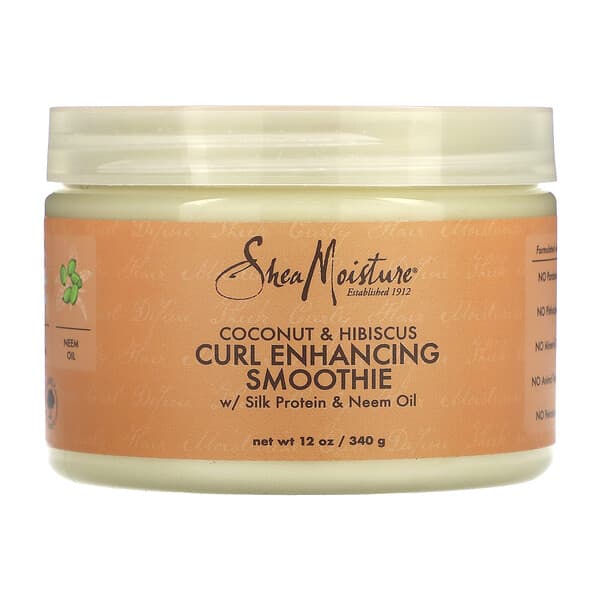
    Start with SheaMoisture’s Coconut & Hibiscus Curl Enhancing Smoothie. It’s a crowd fave, packed with natural ingredients like coconut oil and shea butter, bringing moisture and definition to your curls without harmful chemicals.

    SheaMoisture, Curl Enhancing Smoothie, Coconut & Hibiscus, 12 oz (340 g)

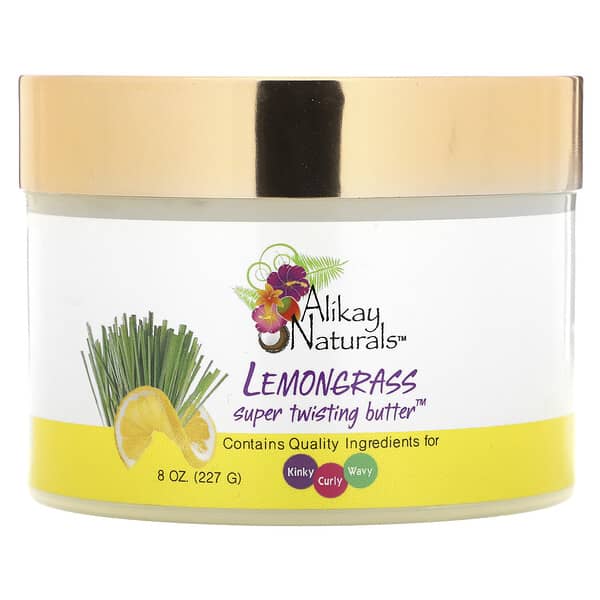
    Another standout is Alikay Naturals’ Lemongrass Leave-In Conditioner. Known for using botanical herbs and oils, it combines efficacy with safety, proving you don’t need to compromise health for luscious locks.

    Alikay Naturals, Lemongrass Super Twisting Butter , 8 oz (227 g)

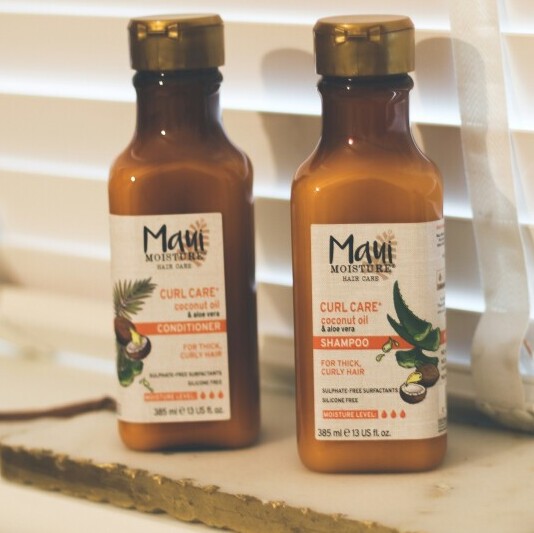
    For a wallet-friendly option, check out Maui Moisture’s Heal & Hydrate + Shea Butter Hair Mask. Infused with aloe vera juice and shea butter, this revitalizing treatment nourishes and repairs, leaving hair soft and strong.

    Online reviews can also be your personal scouting fleet. Users often share candid stories from their hair journey—successes, and all—offering insight that brand advertising can’t offer. You get recommendations and warnings, saving you time and cash.

    When it comes to shopping, consider checking out platforms that specialize in clean beauty like Credo or The Detox Market. They’ve got stringent selection processes to weed out less-than-stellar products, and usually, user reviews are part of their inventory display, offering transparency into real-world results.

    Natural hair care that avoids carcinogens isn’t just a trend; it’s a movement toward self-care that’s as informed as it is rewarding. Finding the right products will not only help you embrace your curls but will also mean you’re making choices you can stand by.

  • Carcinogenic Hair Products And Are There Alternatives?

    Carcinogens are substances that can potentially cause cancer in living tissue. They’re serious business, especially when they find their way into everyday products like hair care items. These chemicals can sneak into your shampoo, conditioner, and other products in tiny amounts. Still, their effects can pile up over time, leading to health concerns.

    Many common hair products have been found to contain carcinogens. Ingredients like formaldehyde and coal tar, often found in shampoos, dyes, and other styling products, have come under scrutiny. Even fragrances, though they smell pleasant, sometimes include compounds that raise a few eyebrows among researchers. I was thinking of doing brazilian blow out which is known as a keratin treatment. I was tired of straightening my hair and I did not want to keep putting heat. As I was doing research on the products that they put on your hair, I realized they were carcinogenic and this made me realize I need to understand how to do my own hair.

    The beauty industry is regulated, but the rules can get a bit hazy. Some ingredients might pass through without enough testing because they’re deemed safe in small doses, but repeated use can change things. This is why staying informed matters – you gotta know what you’re putting on your scalp every day.

    Recent studies have raised alarms about the potential link between certain hair products and cancer risks, shining a light on the need for caution. They show that regular exposure could increase risks, especially when products contain known or suspected carcinogens.

    All these facts tell us that being aware of what goes into your hair products is essential. Checking ingredient lists, keeping up with recent studies, and demanding transparency can go a long way in protecting your health. Knowledge is power, especially when it comes to your wellbeing.

    The Science Behind Carcinogenic Risks in Hair Products

    When researchers zero in on carcinogenic risks in hair products, they dig deep into what’s really happening with those iffy ingredients. We’re not just talking hypothetical risks—scientific studies provide insights into how these substances affect our bodies.

    Scientists have found that certain compounds in hair products can lead to changes at the cellular level. These changes can potentially kick-start a chain of events that lead to cancer. For example, some chemicals can cause damage to DNA, which, if left unchecked, might result in cells growing uncontrollably.

    Research often targets how frequent, long-term exposure might increase risk. Studies regularly compare people who use these products often with those who don’t, and yeah, patterns can emerge. It’s these patterns that keep the conversation going about safer alternatives and better regulation.

    Out of the many studies, key findings have shown that not all products are equal in their risks. Hair dyes, for example, have been a major focus, particularly because they’re applied directly to the scalp—a highly sensitive area. The risks aren’t just limited to skin exposure. Inhaling fumes from certain hair sprays and relaxers also raises red flags.

    With all this information, it becomes crucial for consumers to understand the science backing these claims. It means staying alert about new research findings and understanding how scientific conclusions are drawn. Knowledge is your first line of defense against the potential hazards of carcinogenic ingredients in hair care routines.

    Identifying Products at Risk: What to Look Out For

    Not all hair products are created equal, and some categories are more prone to containing carcinogenic ingredients than others. Hair dyes, especially those used for permanent coloring, often top the list. Relaxers and some hair sprays can also hide a cocktail of risky chemicals. Even braids are now considered carcinogenic because of the chemicals that are coated on them.

    Brands that have faced controversies often end up under scrutiny. Keep an eye out for products from companies with a history of ingredient-related issues. The good news? Many brands are responding by reformulating their products to be safer.

    Learning to navigate the ingredient list on your hair care products is crucial. Complicated chemical names like phthalates or parabens are worse than tongue twisters—they’re ingredients you might want to avoid. What might seem like an extensive list of tongue-twisting chemicals could actually signal unnecessary additives, some of which are potential carcinogens.

    If you come across products with mysterious “fragrance” listed as an ingredient, pause for a minute. Often, this can be a catch-all term for various compounds, some of which could be of concern. This doesn’t mean avoiding fragrance altogether, but being selective matters.

    Consumers have power—asking brands directly about their ingredient practices or even reporting suspect products can push for greater transparency. Many companies are more than willing to share detailed safety data and they might provide peace of mind for cautious buyers.

    Safe and Natural Alternatives to Carcinogenic Hair Products

    Switching to non-toxic hair products is getting easier as more brands focus on safety. Many options now use ingredients you can pronounce and feel good about using. Stuff like coconut oil, shea butter, and aloe vera aren’t just kind to your hair; they’re potentially safer choices as well.

    Exploring brands that lead in offering cleaner, safer products can make a big difference. Companies like Aveda, SheaMoisture, and The Honest Company are setting standards for more natural hair care routines. They’re ditching harmful chemicals and opting for eco-friendly packaging too.

    Natural ingredients can pack a punch when it comes to hair care. Essential oils such as lavender or tea tree not only smell nice, but they may also boost scalp health and reduce itchiness. Henna is another stellar option for those looking for a natural hair dye alternative.

    Knowing which certifications to trust can simplify the search for safe hair care. Look for labels like ‘USDA Organic,’ ‘Cruelty-Free,’ and ‘Non-GMO Project Verified.’ They suggest the products underwent strict testing and meet high safety standards.

    Switching to natural hair products isn’t just a trend—it’s about taking charge of your health and the environment. It might take a bit of trial and error to find what works best for your hair type, but keeping safety in mind can lead to a routine that’s both effective and reassuring.

    What To Do If Impacted: Steps and Solutions

    Recognizing signs of exposure to harmful chemicals in hair products is crucial. Symptoms can vary, from irritations like redness or itchiness on the scalp and skin, to more serious concerns like hair thinning or heightened sensitivity. If you suspect exposure, taking action promptly can help mitigate risks.

    Consulting healthcare providers at the first sign of issues can give you a clearer path forward. Professionals can offer tests to determine if there’s been exposure and guide you on any necessary treatments or precautions to take. Don’t hesitate to get their expertise; it’s a step in the right direction for your peace of mind.

    If you’re planning on moving away from hair products with carcinogens, transitioning can be straightforward with the right approach. Gradually introduce safer alternatives into your routine to find what fits your needs best. This way you can minimize any potential withdrawal effects from suddenly stopping a product you’ve used regularly.

    Connecting with support networks and resources can help. Online communities often share personal experiences and brand recommendations, which can be invaluable when you’re navigating changes in your hair care routine. Consider joining forums or groups focused on non-toxic living.

    Taking these steps doesn’t just shift your approach to haircare. It empowers you to make more informed decisions in the future, helping to ensure you’re not just reacting to problems but actively curating a healthier lifestyle.

  • Bold And Vibrant Afro Hair Color Inspirations

    Afro hair has always been more than just a hairstyle. It’s a profound symbol of cultural identity, history, and expression. Across generations, hairstyles have told stories, marking significant life events, and even making political statements. From braids to locks, each style carries weight and tradition.

    Using bold colors in afro-textured hair isn’t just about standing out in a crowd; it’s a dynamic form of self-expression that ties back to the roots of individuality. Bright colors like vibrant reds or platinum blondes can signify a rebellious spirit or a joyful embrace of one’s heritage. Whether you’re going for a radiant red or a striking blonde, these daring colors are a celebration of freedom and self-confidence.

    Expressing uniqueness through hair color can profoundly impact how you perceive yourself and how others perceive you. It’s about making choices that reflect who you are inside and radiate that outwards. Many individuals see their hair as a canvas, choosing hues that tell the world a silent yet visible story. Whether you’re mixing colors or choosing a solid, bold shade, the process is uniquely personal.

    One of the most exciting parts of embracing vibrant colors is their ability to amplify identity. Afro hair, naturally rich with personality, becomes an even more powerful statement when paired with bold colors. No matter the chosen hue, the reflection in the mirror is testament to an individual’s journey, experiences, and the beautiful complexity that comes with it.

    Red Hair: A Bold Statement in Afro Styles

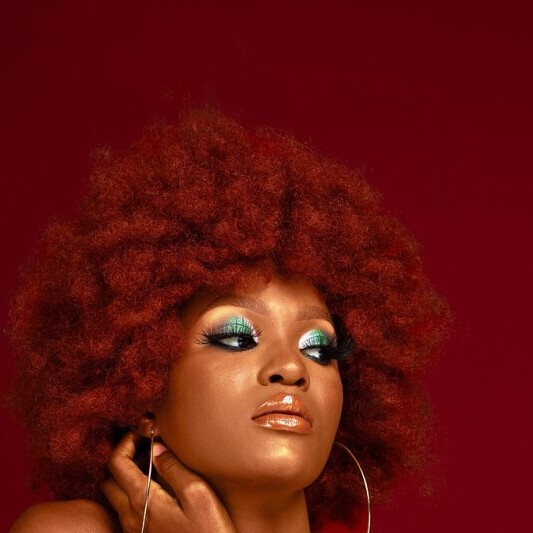
    Red hair in afro styles is like a firecracker—bold, exciting, and undeniably eye-catching. Shades of red range from deep burgundies to vibrant cherry tones, offering a spectrum that complements a variety of skin tones. Understanding which shade enhances your natural beauty is key. A warm red can illuminate a cool-toned complexion, while cooler reds add depth and drama to warmer skin tones.

    Maintaining red hair can be a bit demanding, but it’s totally worth the effort. The key is to keep that punchy color vibrant without damaging the texture. Regular touch-ups are often necessary due to afro hair’s natural tendency to grow quickly and fade. Deep conditioning treatments play a crucial role in minimizing damage, sealing in the color, and keeping the hair soft and manageable.

    Fashion icons and celebrities regularly showcase red afros, each adding a unique twist to how we view this fiery hue. Think of Rihanna’s expressive use of red shades—she’s taught us all that boldness pays off. Easily replicate a fabulous celebrity look by consulting a good stylist who knows their dyes inside out.

    Incorporating red into your hairstyle is more than just a color choice; it’s about making a statement. Whether that statement is about individuality, energy, or simply the joy of experimenting with style, red hair is bold, unapologetic, and oh-so stunning. Be prepared for a hairstyle that not only turns heads but also speaks volumes without saying a word.

    Blonde Hues for the Bold: Breaking Stereotypes

    Blonde hair on afro-textured tresses challenges conventions and embraces diversity. Choosing the right blonde shade can be transformative, reflecting light and aura with every step. From golden tones to ash blondes, the spectrum offers opportunities to match personality and skin tone flawlessly.

    There’s a persistent myth that bold blonde hues don’t suit darker skin tones, but the reality is quite the contrary. The beauty of kinky curls paired with bright blonde shades creates a stunning contrast, showcasing the depth and warmth of ebony skin. With the right shade, blonde can be just as fierce and fabulous as any other color for afro-textured hair. After all, people in the Solomon Islands naturally have blonde hair.

    A host of bold blonde trailblazers are shattering norms and redefining beauty standards. They demonstrate that confidence knows no color boundaries. Icons like Beyoncé have embraced blonde hues, turning them into signature looks that inspire countless others. Their styles are proof that embracing unconventional colors can lead to iconic transformations.

    Navigating blonde transformations requires care to avoid brassy tones. Opt for color treatments specifically designed for afro hair to maintain vibrancy and minimize damage. Achieving that perfect blonde can be tricky, so seeking advice from a color professional who understands the nuances of afro-textured hair is always a smart move. In the next document I will be going through the different types of colors especially for afro hair.

    Creating and Maintaining Your Dream Color

    Choosing the perfect products for color-treated afro hair can feel overwhelming, but it doesn’t have to be a daunting task. For those vibrant reds and bold blondes to really shine, it’s crucial to invest in high-quality hair care products designed to lock in color and nourish each strand. Sulfate-free shampoos and deeply hydrating conditioners are essential players in keeping colors fresh and hair healthy.

    There’s always the decision between going pro or doing it yourself when it comes to coloring. While DIY kits offer convenience, professional stylists bring expertise. They can tailor colors to fit your natural hair texture and tone beautifully, reducing the chances of damage or disappointment. Considering professional color services can often lead to more vibrant and longer-lasting results.

    Once you’ve nailed that perfect hue, maintaining it is all about routine. Regularly moisturizing your hair with oils or leave-in conditioners will keep those curls bouncy and prevent dryness, which can lead to color fading. Don’t forget the weekly deep-conditioning treatments; they’re your best friend when it comes to maintaining vibrancy and health in color-treated afro hair.

    Lastly, patience and protection are golden rules for colored hair. Limiting heat styling and using heat protectants can preserve both color and hair integrity. Embrace styles that require less manipulation and keep your hair covered in harsh weather. Remember, it’s all about finding what makes your hair—and you—shine the brightest.

  • Easy Protective Styles For Short Natural Hair

    Short natural hair is beyond just a style; it’s a statement of confidence and authenticity. There’s something so refreshing about rocking your natural texture, and with the right care, it shines bright. Whether you’re just starting out or you’ve been owning your look for years, embracing your curls can be empowering.

    Every head of hair tells a unique story. With natural hair, understanding your specific curl pattern and texture is key. Maybe you’re a coil enthusiast, or perhaps your curls are looser, or even a mix. Knowing this helps tailor how you care for and style your hair, making the day-to-day management smoother and more enjoyable.

    Short hair needs love just like long tresses. It’s about enhancing your natural beauty and working with what you got. Adding definition to your curls with lightweight gel or mousse, or showing off volume by teasing your fro just right—these little tricks elevate your style instantly. And let’s not forget, sometimes simplicity shines the brightest. A clean, freshly washed ‘do can be incredibly sophisticated.

    Short Afro hair

    Building a routine that works for you is half the battle. Regular cleansing, conditioning, and a bit of styling work wonders. Short hair can sometimes show the results of poor health more readily, so keeping it nourished and moisturized is crucial. Look for products that hydrate, protecting your strands from everyday wear and tear.

    Benefits of Protective Styles for Short Natural Hair

    Protective styles aren’t just for fashion—they’re a lifesaver for maintaining short natural hair. With less fuss and more focus on keeping your hair healthy, these styles offer both flair and function. They help in preserving those precious inches and taking a break from daily hair management.

    When you’re aiming to reduce breakage, protective styles work wonders. These styles shield delicate ends from environmental stressors, keeping your hair healthier and stronger. No more worrying about frizz and flyaways from that unexpected rain shower! Plus, who doesn’t want to save time on styling in the morning?
    Curly colored hair

    Imagine starting your day with minimal styling time. Protective styles give you that luxury. Once you set your hair, you’re usually good to go for days, sometimes weeks. It’s all about maximizing your time without sacrificing your style.
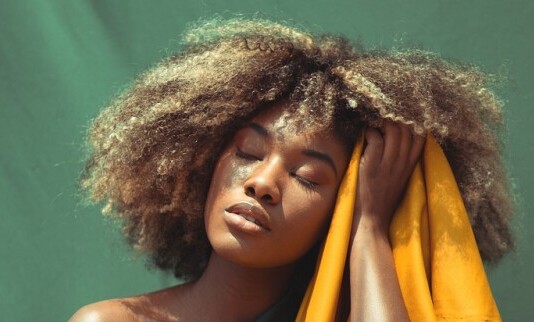
    Another bonus is moisture retention. Natural hair thrives on moisture, and with protective styles, your hair retains more of its natural oils. This can mean a softer texture and enhanced curl pattern. Check your hair and feel the difference yourself!

    Ultimately, giving your hair a bit of a rest is key to maintaining its health and strength. Taking breaks between styling routines can help your hair breathe and grow without being constantly tugged or manipulated.

    Top 5 Easy Protective Styles for Short Naturals

    Twist-outs are a fabulous go-to for showcasing curls. This technique involves twisting sections of your hair and letting them set into defined curls. Once dry, unravel them gently for a look that can easily last a few days. It’s a style that’s easy to achieve and maintain.

    twist out curly hair

    Bantu knots bring both style and cultural heritage to the forefront. These small coiled buns not only protect your hair but also offer a striking look. They’re perfect for turning heads and having a bit of fun with your style without much hassle.
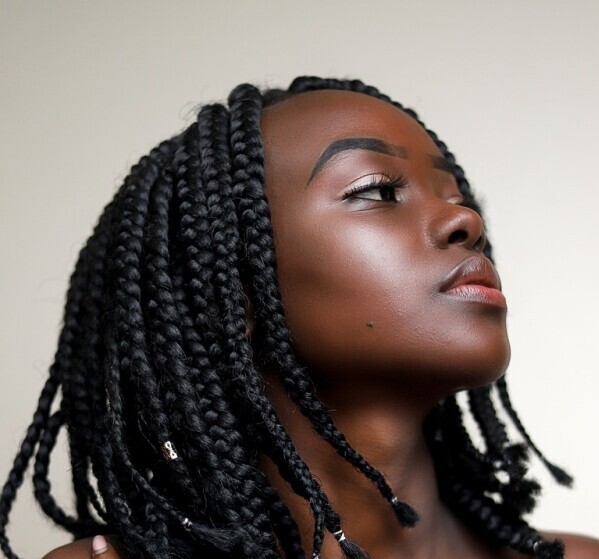
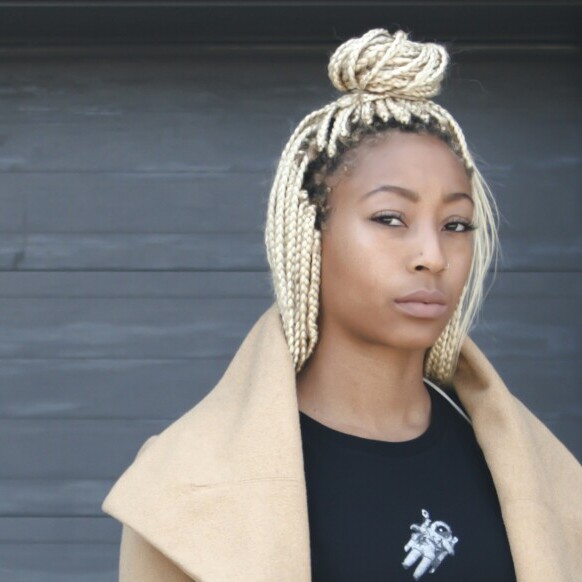
    Box braids aren’t just for long hair. Short natural hair looks chic and polished with the right size of braids. They offer a classic look without weighing down your strands, are versatile, and can even be dressed up or down depending on your outfit or event.

    Braids

    Cornrows and flat twists are timeless. They keep the hair close to the scalp, reducing tension while looking sophisticated. For an added twist, combine different patterns or part designs to create something uniquely yours.

    Wigs and extensions are a safe bet for variety. If you’re craving a longer style or simply want to switch things up, wigs allow you to experiment without making permanent changes. Just make sure to keep your natural hair moisture-locked beneath to maintain its health.

    Tips for Maintaining and Transitioning Between Styles

    Keeping your scalp healthy while wearing protective styles is crucial. A clean and moisturized scalp makes all the difference. Try using a scalp serum or oil to soothe any itchiness and keep your skin hydrated.

    Choosing products tailored to your hair type can make or break your styling efforts. Lightweight moisturizers or leave-in conditioners are ideal for maintaining softness and avoiding buildup that could weigh down your curls.

    Managing time between styles ensures longevity in hair health. Take short breaks between protective styles to allow your hair and scalp to breathe. These rest periods are perfect to pamper your hair with a deep conditioning treatment.

    Regular trims are often overlooked but are essential. Even in protective styles, keeping your ends clipped helps prevent split ends from creeping up the strand, keeping your hair looking fresh and healthy.

    Switching styles should be fun, not stressful. Experiment with new looks but maintain a balance. Listen to your hair and give it what it needs—a mix of styling and rest can make your journey more enjoyable.