Afro

Author: admin

  • Trending Afro Hairstyles 2026

    Trending Afro Hairstyles 2026

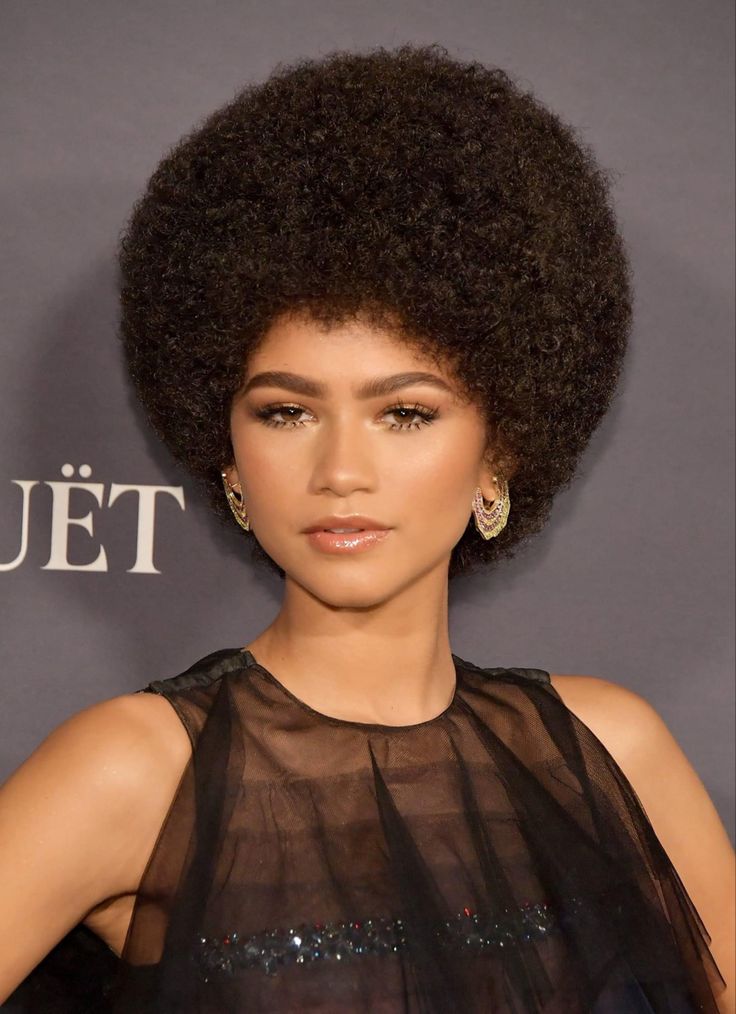
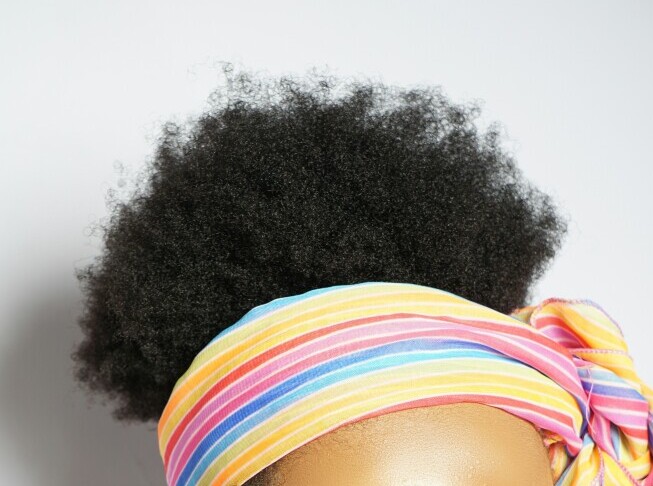
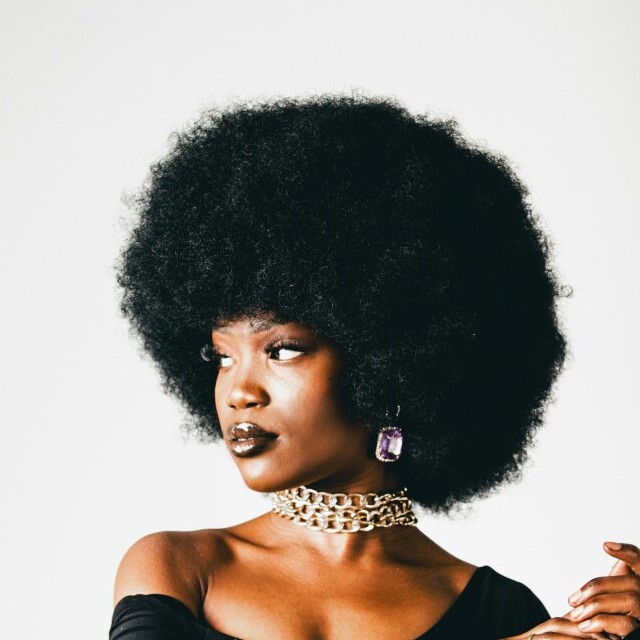
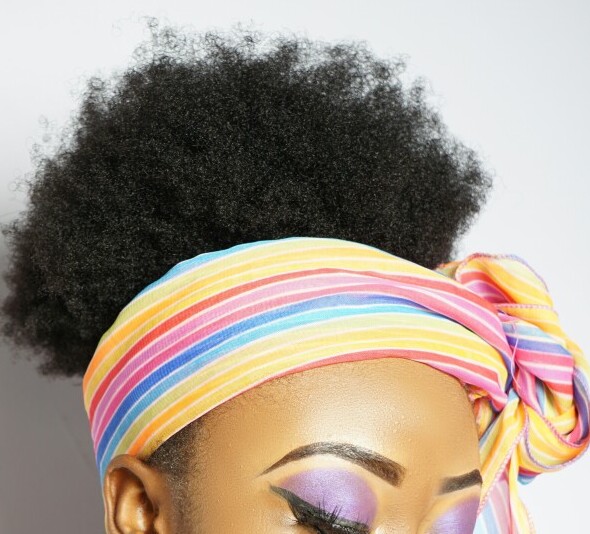
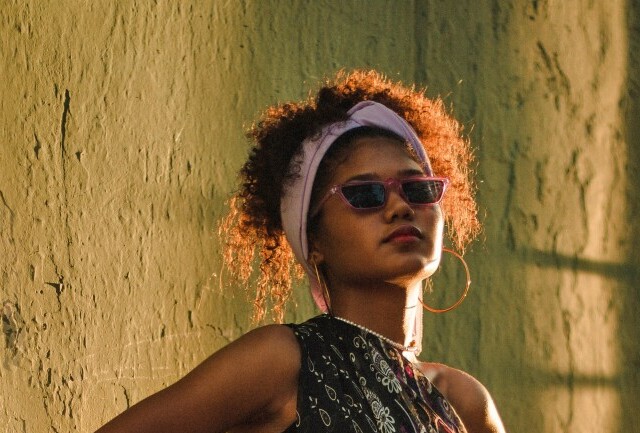
    Afro hairstyles are making waves in 2026, going beyond just a fashion statement. They’re strong symbols of self-expression and authenticity, celebrating the natural hair movement that’s all about embracing your roots, literally. People are opting for styles that showcase their natural beauty, with stretched afros and wash-and-fros topping the charts. The idea here is to flaunt those curls and kinks exactly how they are—bold and beautiful.

    Low-tension hairstyles are stealing the spotlight, and for good reason. Keeping your scalp comfortable and healthy is just as important as looking good. With more awareness around hair care, folks are going for styles that are not only trendy but also gentle on the scalp. Think of it as a fusion between fashion and wellness.
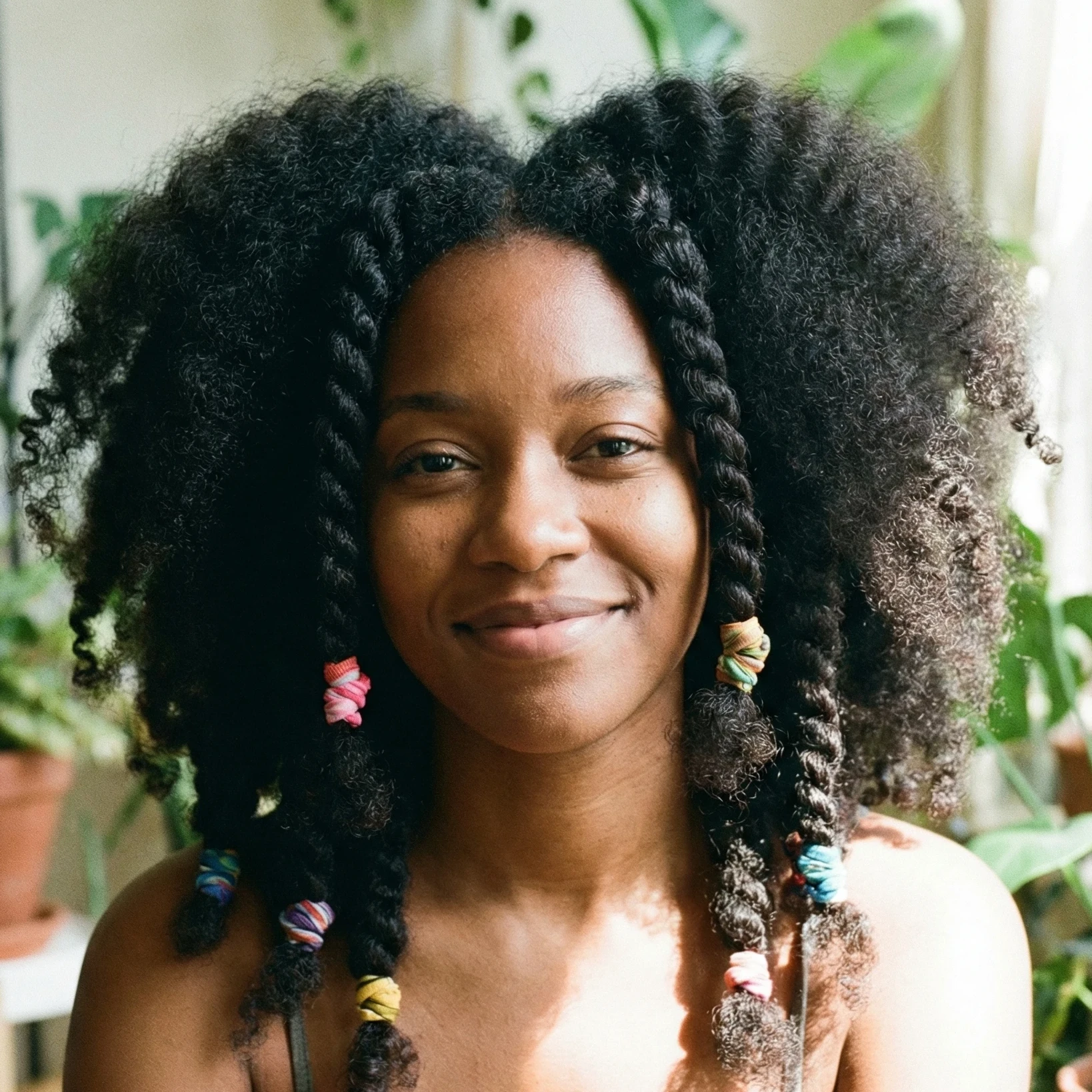
    Another big trend? Hydration. Yes, you heard right. Hydrated hair is happy hair. In 2026, the focus is on luscious, well-moisturized curls. Using oils and creams to lock in moisture isn’t just a beauty hack—it’s essential for maintaining the volume and health of afro hairstyles. Nourished curls are more defined and vibrant, showing off the textured beauty of these hairdos.
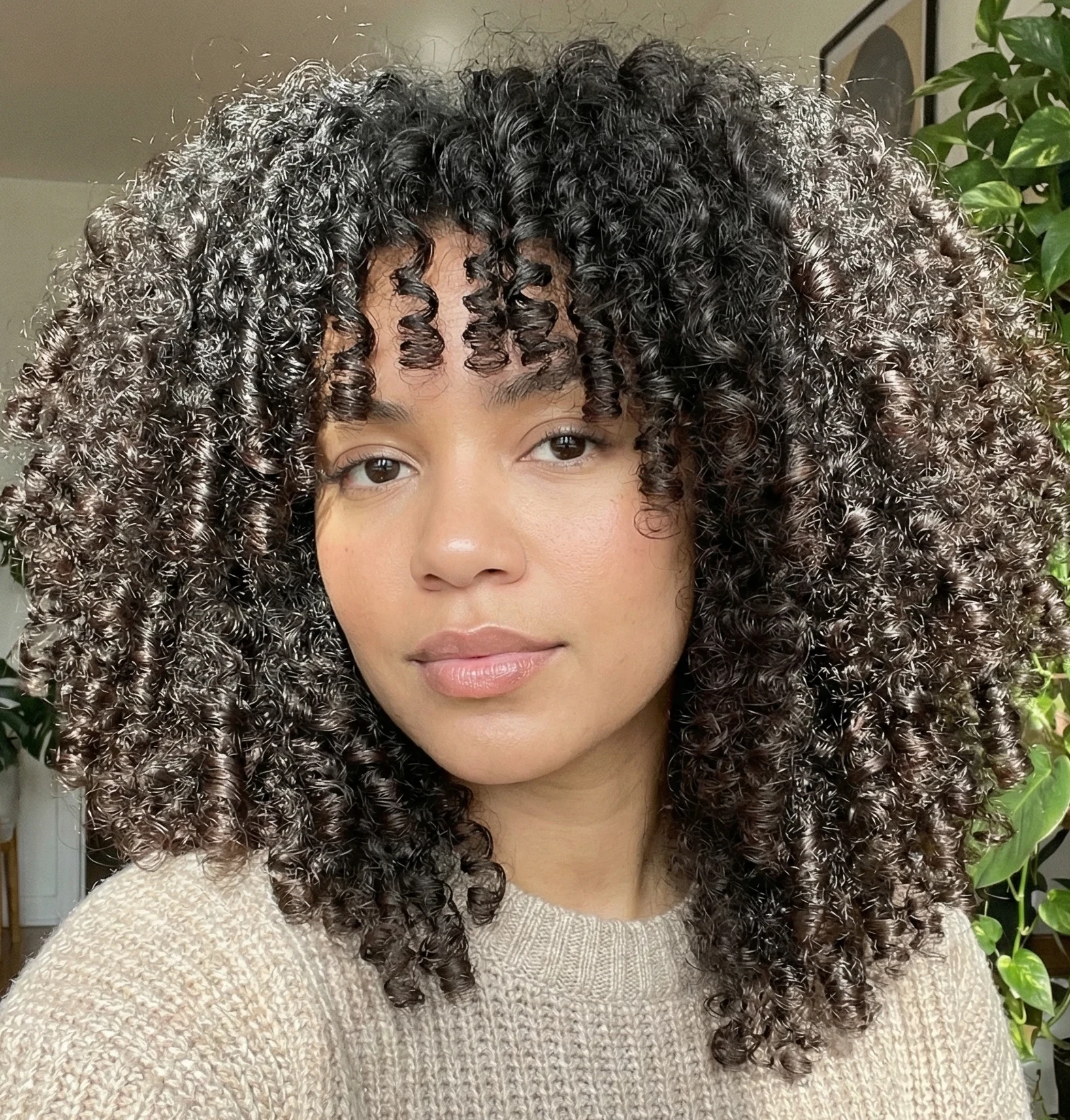
    Showcasing natural texture doesn’t mean sticking to the basics, though. It’s about enhancing what you’ve got with styles that add personality to your hair. A wash-and-fro, for example, celebrates every strand’s uniqueness while giving you a full-bodied look that’s hard to miss. Meanwhile, stretched afros offer a dramatic flair, focusing on length and volume without compromising your curls’ integrity. It’s all about playing to your hair’s strengths while keeping it healthy and hydrated.

    Braids: A Fusion of Tradition and Modernity

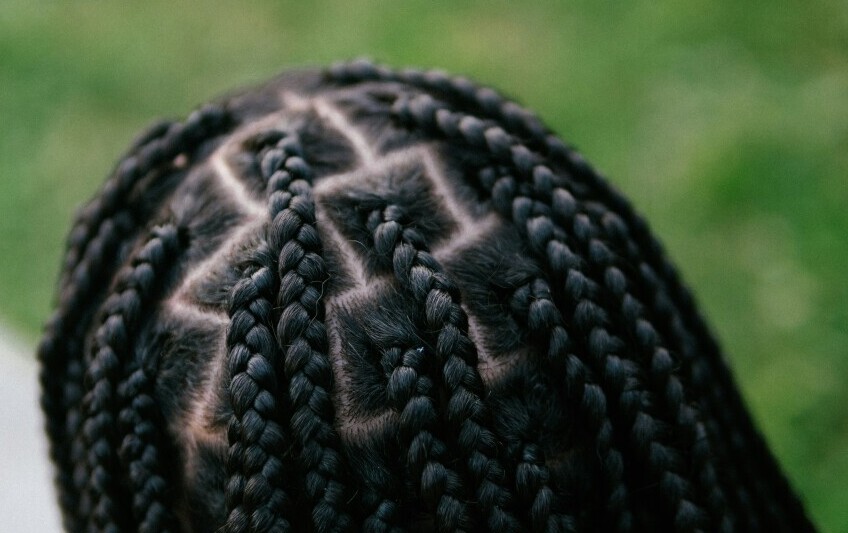
    Braids have never been just a hairstyle—they’re a powerful statement that blends tradition with the latest trends. In 2026, braids like the boho and goddess varieties are captivating hair lovers everywhere. With unique extensions that add a quirky twist, these styles manage to honor their roots while giving a nod to contemporary fashion. It’s a cool mix that shows how braids are evolving with the times.
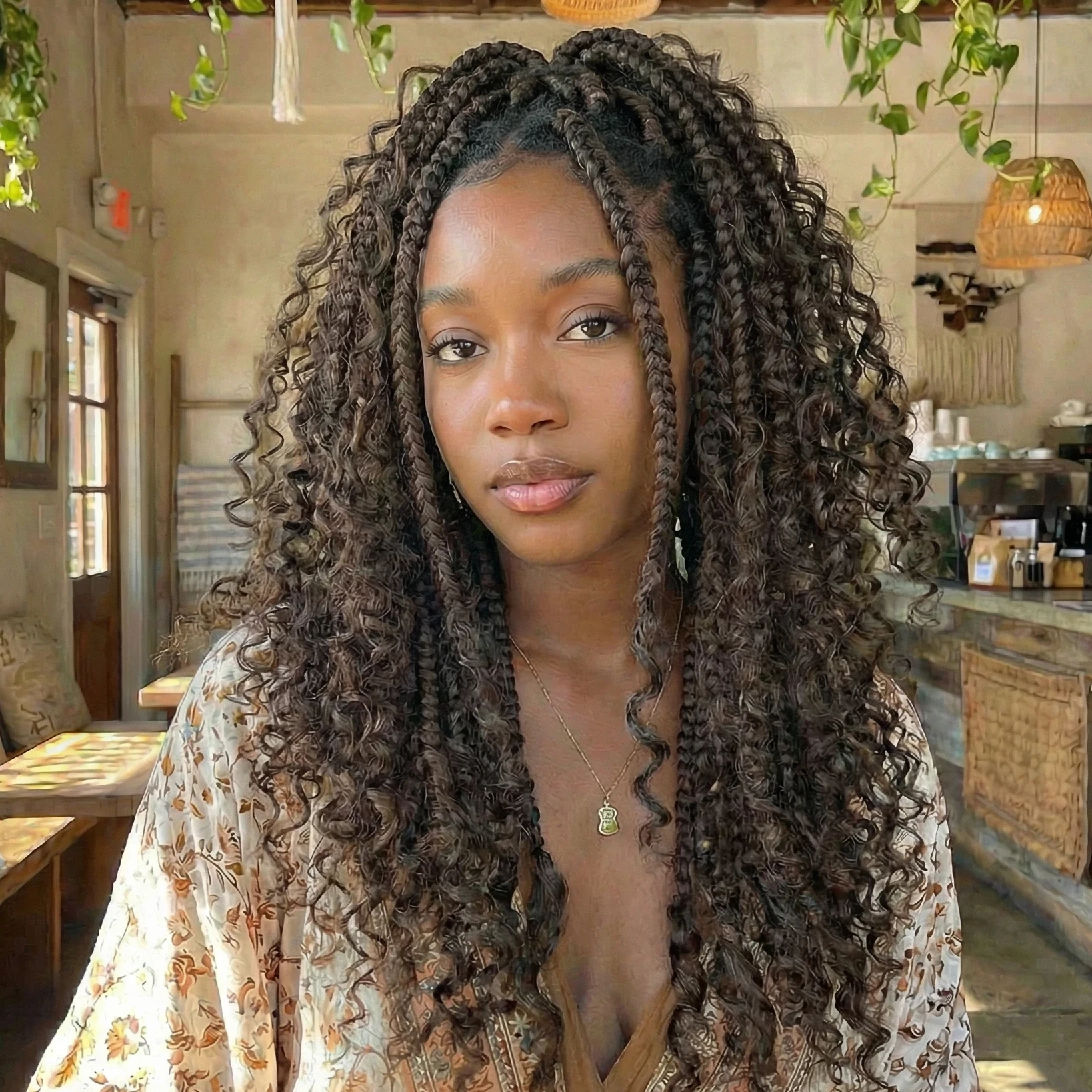
    The versatility of Fulani and knotless box braids cannot be overstated. They’re all about freedom and flexibility, offering a modern twist on a classic look. Perfect for a chic appearance or laid-back vibes, these styles adapt to whatever mood you’re in. Adding human hair curls to knotless braids has become especially popular, blending the protective nature of braids with a playful touch of glamour.
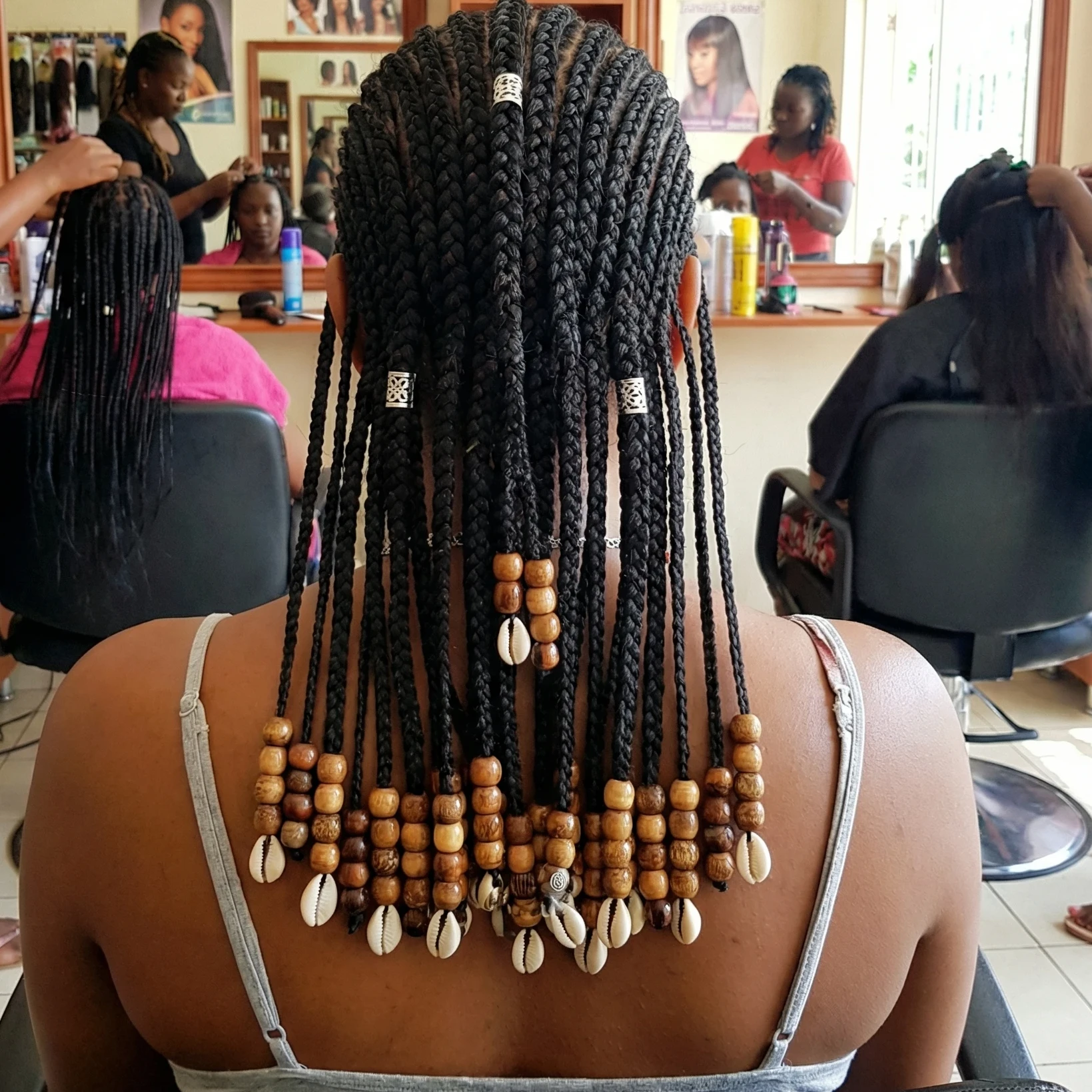
    Cultural heritage plays a massive role here. Braids have deep roots, and today’s styles continue to celebrate and honor that legacy. By mixing traditional techniques with modern aesthetics, these hairstyles manage to be expressive and respectful of history all at once. It’s beauty and heritage hand in hand.

    If you’re rocking braids, remember that maintenance is key. Proper care is crucial for keeping them looking fresh and ensuring the health of your hair beneath. Regular cleansing and moisturizing can prevent scalp issues and keep your braids in top condition. Use lightweight oils to add shine without weighing them down, and be sure to give your scalp some soothing TLC along the way.

    Short and Bold: Celebrating Curly Pixies and Modern Cuts

    Short hairstyles are making a bold comeback in 2026, with curly pixies and blunt bobs leading the charge. These cuts prove that you don’t need long locks to make a big impact. They’re all about embracing confidence and individuality while maintaining a fresh and lively look.

    Curly pixies offer a playful yet sophisticated vibe, perfect for anyone wanting to rock their natural curl pattern in a short style. The key to a great curly pixie is layering, which enhances curl definition and gives the cut its distinct shape. Styling a pixie is surprisingly simple—a little curl cream and a diffusing blow-dry is often all it takes to bring this look to life.
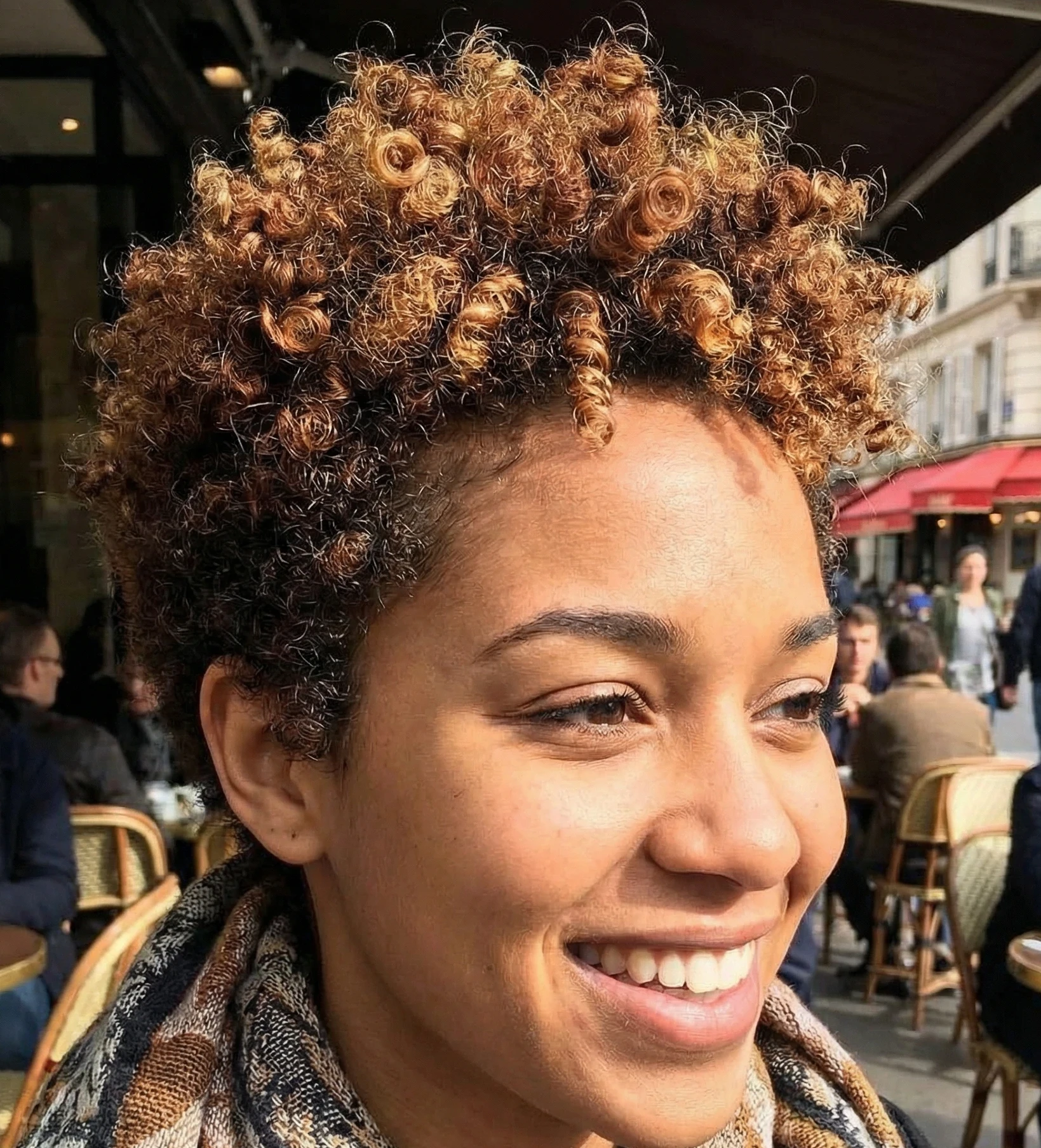
    Bold colors are also part of the equation for many who choose short cuts. Natural-safe dyes allow for vibrant hues without compromising hair health, letting people experiment with shades that complement their personality. From deep rich tones to lighter pastels, the possibilities are endless and exciting. Most of the natural safe dyes are henna.

    Blunt bobs add drama and flair to short hairstyles. These cuts are sharp and sleek, offering a refined yet edgy look. A good blunt bob is all about precision cutting, ensuring the lines are clean and the hair falls perfectly straight. It’s a statement style that pairs well with either natural or polished finishes.

    Overall, short hairstyles in 2026 are about making a statement. Whether it’s through dynamic cuts or bold color choices, these styles offer endless possibilities for self-expression. The beauty lies in their ability to showcase personality in an effortlessly chic way.

    Protective Styles for Every Occasion: The Allure of Passion Twists and Mini Twists

    Protective styles are front and center in the hair trends of 2026, offering a mix of style and functionality that’s hard to beat. These inclusive hairstyles cater to diverse needs, from keeping hair healthy to allowing easy maintenance without skimping on flair.

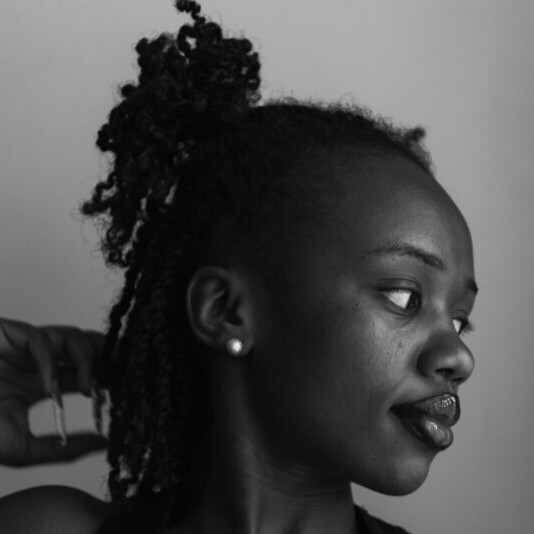
    Passion twists and mini twists are standout options for those loving that bohemian touch. Passion twists bring the ‘messy chic’ vibe to life with their natural-looking curls that flow effortlessly. They offer a versatile style that transitions smoothly from casual to formal settings, making them perfect for any occasion.

    Mini twists, on the other hand, are the ultimate in low-maintenance beauty. These two-strand twists are lightweight, allowing the scalp to breathe while protecting the hair from environmental damage. The flexibility of mini twists means you can style them in different ways, keeping your look fresh and exciting.
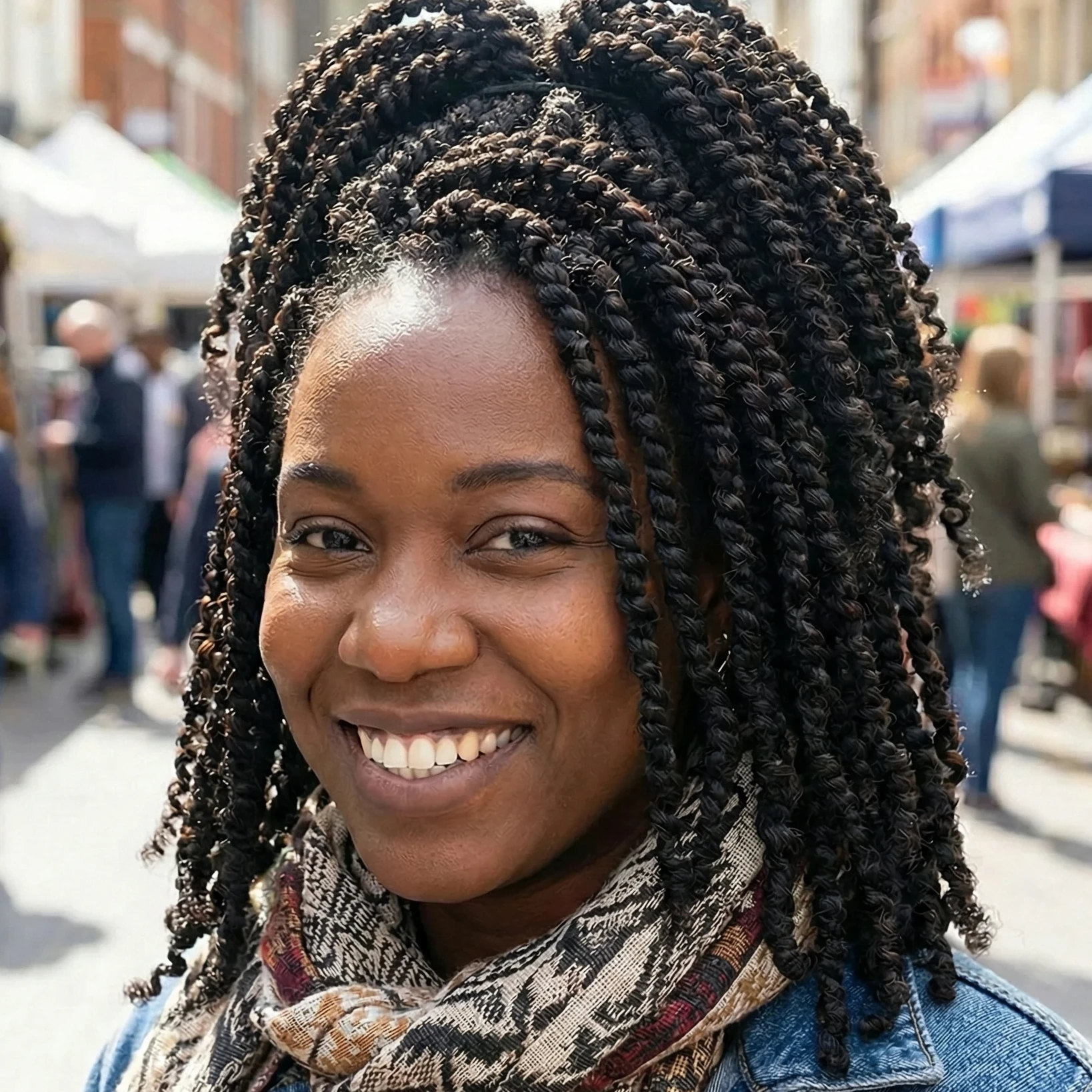
    Both passion twists and mini twists score high on the protection meter. They’re gentle on your natural hair, reducing tension and breakage, which is especially important for maintaining long-term hair health. Wrap your twists in satin at night to minimize friction and keep those strands in tip-top condition.

    One of the best things about these protective styles is their longevity. With the right care, they can last several weeks. A spritz of leave-in conditioner and a routine to refresh your scalp can go a long way in keeping both passion and mini twists looking fabulous.

    Cultivating a Heritage through Hair: The Symbolism of Modern Locs

    Modern locs are not just about style; they’re a way of embracing cultural heritage with flair. In 2026, sisterlocks and microlocs have become popular for their versatile and low-maintenance nature, allowing wearers to express identity and cultural pride seamlessly.

    Sisterlocks and microlocs represent a fresh take on traditional locs, offering intricate, smaller locks that provide more styling options while maintaining the powerful essence of locs. Their size makes them perfect for experimenting with various styles, from updos to flowing locks.
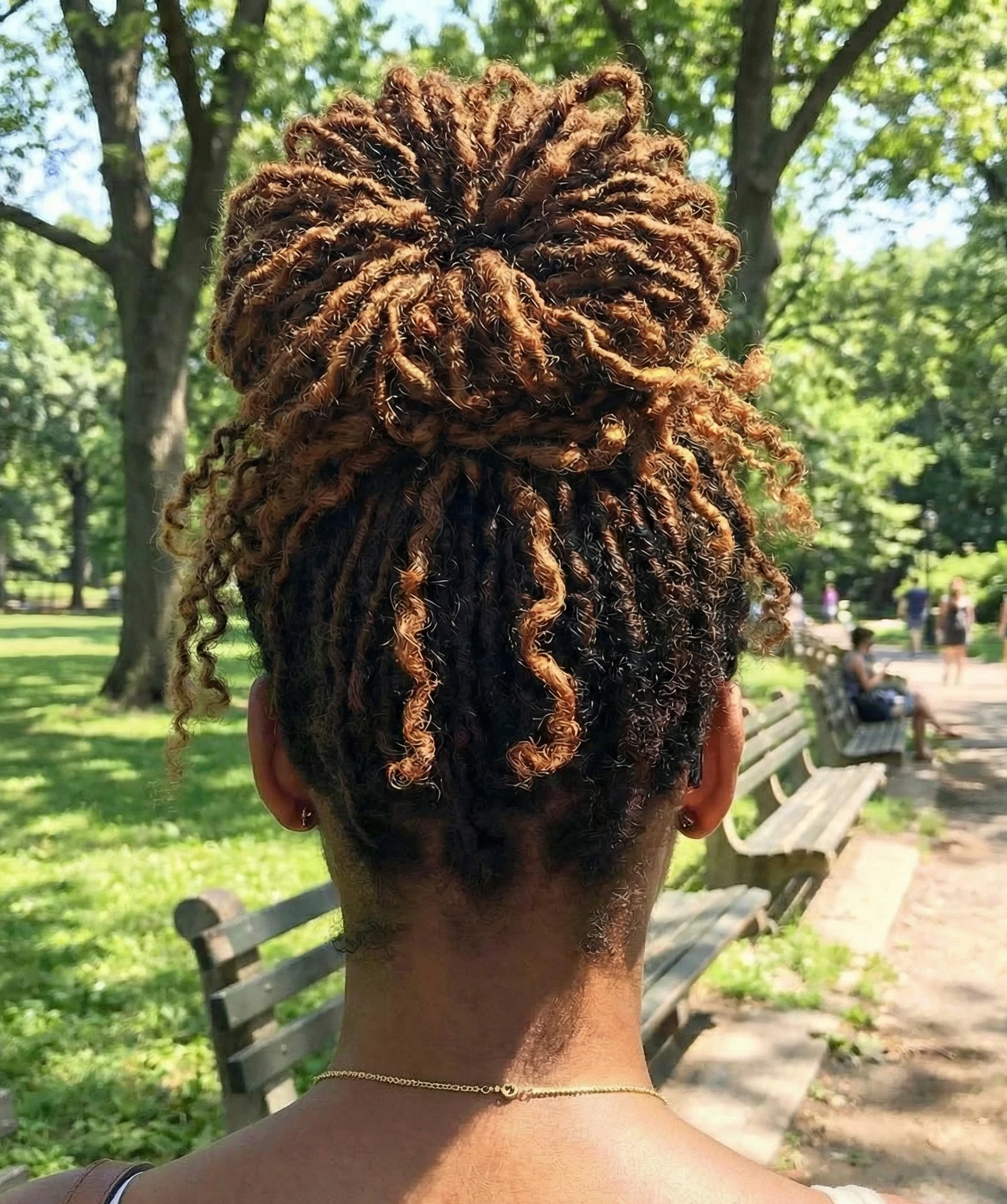
    The cultural significance of locs cannot be overstated. They carry rich history and identity, with each twist telling a story. These contemporary versions continue the narrative, introducing a new generation to the beauty of locs while honoring the roots from which they stem.

    Maintaining healthy locs requires a bit of attention, but it’s all about routine care. Regular washing and scalp massages keep them lush and thriving. Oils like jojoba or almond can be your best friends, offering moisture and sheen without weighing the hair down.

    in 2026’s hair trends highlight individuality and heritage through these beautiful styles. Locs provide a connection to cultural roots while showcasing personal flair—you’re not just wearing a hairstyle, you’re carrying a legacy.
  • PART 1: UNDERSTANDING YOUR 4C HAIR

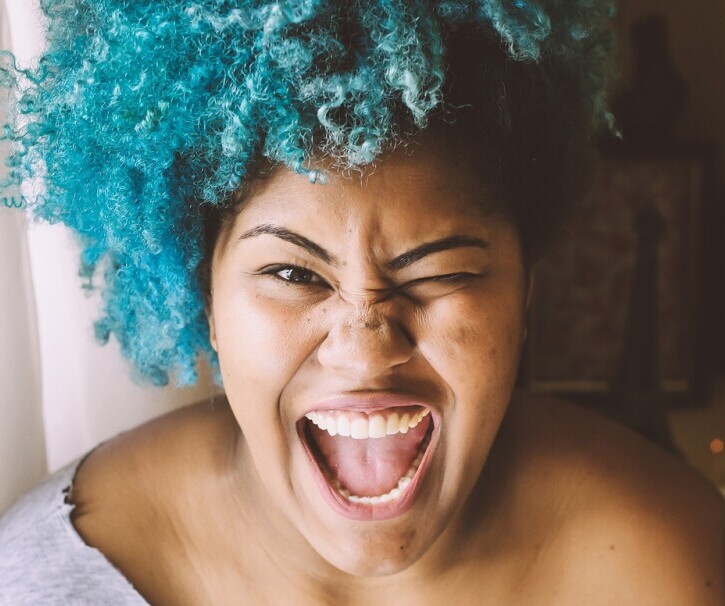
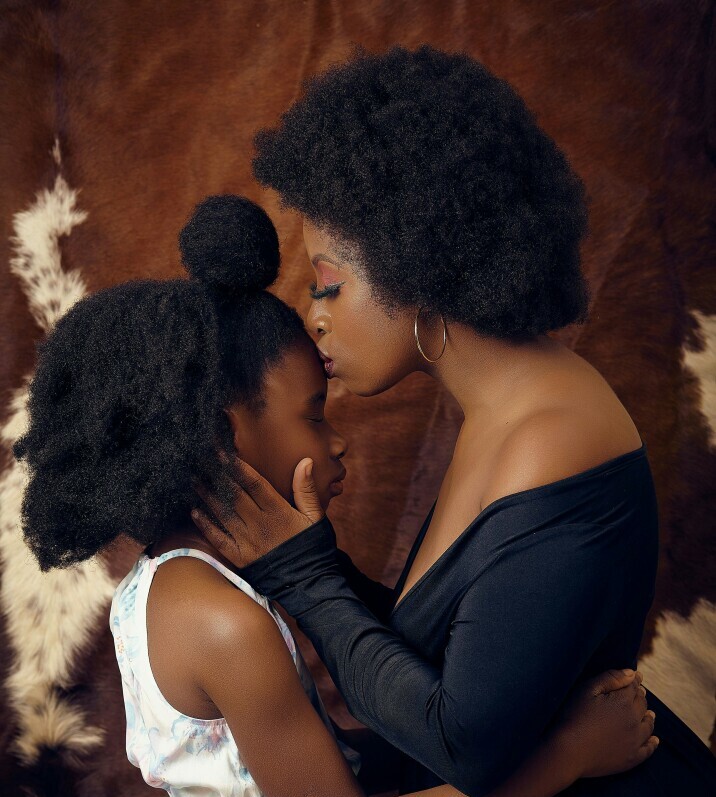
    4C hair, beautifully coiled and wonderfully unique, stands out with its tight curls and exceptional texture. Unlike other curl patterns, 4C hair is known for its dense curl structure that gives a mesmerizing volume. The beauty of 4C hair lies in its versatility and the way it defies gravity, showcasing a natural, bold aesthetic.

    The texture of 4C hair isn’t just a random twist of fate. There’s science behind this remarkable hair type. The tight coils are due to genetics, which dictate the shape of hair follicles and the curl pattern. The twists and turns of 4C strands are tightly packed, allowing for incredible volume and an unmatched natural style that can’t be replicated by other hair types.

    Misunderstandings about 4C hair are all too common. A major myth is that 4C hair is unmanageable. In reality, with proper care and understanding, it shines with its own beauty. Another misconception is that 4C hair doesn’t grow. It does, but length retention can be tricky due to shrinkage, where hair that seems shorter is actually longer when stretched. Debunking such myths is crucial for embracing its full potential.

    Kenya’s vibrant climate plays an important role in the life of 4C hair. The humidity in some regions can affect how hair retains moisture, influencing which styles work best. The sun, abundant in Kenya, may also dry out hair faster. Embracing this environment means considering how local weather impacts hair care routines and looking towards methods that lock in moisture and protect those luscious locks.

    Embracing and Caring for Your 4C Hair in Kenya’s Climate

    Living in Kenya provides a unique backdrop for managing and embracing 4C hair. The climate, often warm and humid, demands a special touch to keep those curls healthy and vibrant. It’s all about understanding how the local environment interacts with your hair and adopting habits that support moisture retention and protection.

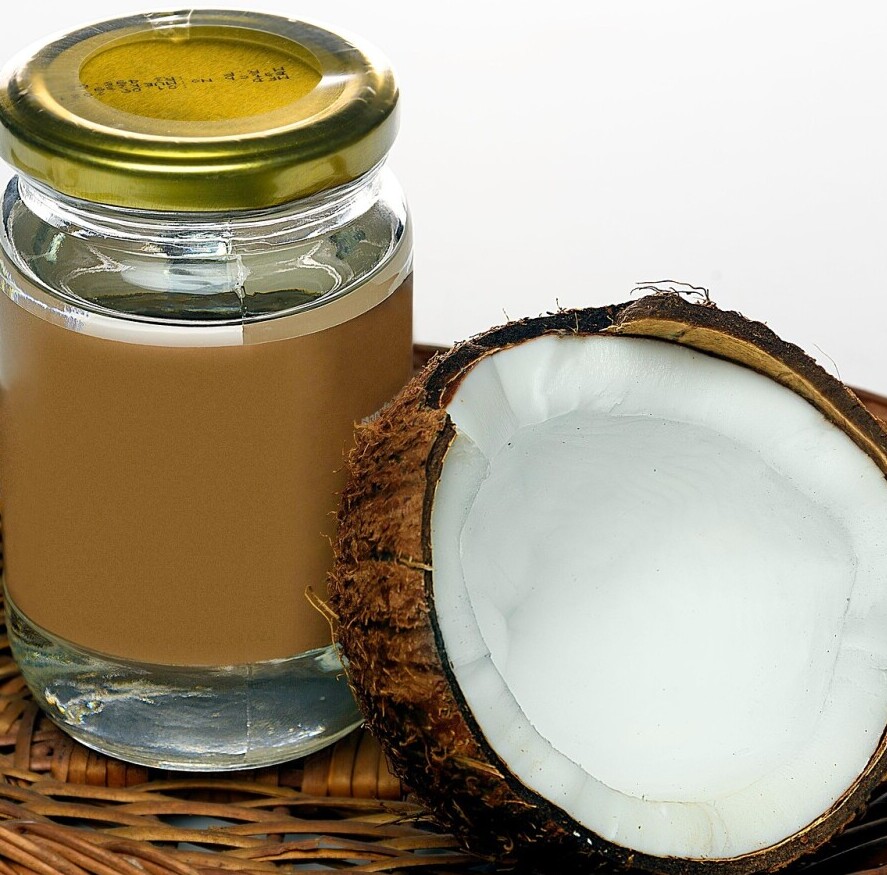
    Diving into the world of moisturizing practices is key. In a warm, humid setting, products that lock in hydration are your best friend. Natural oils like coconut and avocado oil work wonders. They help retain moisture, especially when the sun is doing its best to dry everything out. Protective styles like braids or twists maintain moisture levels and protect hair from environmental stressors while showcasing fashion and personality.

    Choosing effective hair products is another cornerstone of 4C hair care. Opt for shampoos and conditioners free from sulfates and alcohols that can dry out your curls. Whether it’s a homemade concoction or a locally sourced product, the focus should be on natural ingredients that nourish your hair’s structure. Finding what works may take experimentation, but the journey leads to healthier, more resilient hair.

    Caring for 4C hair also means celebrating its cultural significance. In Kenya, embracing natural hair is a nod to tradition and identity, a celebration of heritage and a statement of personal pride. The legacy of natural hair beauty is deeply woven into the fabric of Kenyan communities, highlighting stories and showcasing a collective journey of empowerment and authenticity.

  • Red Carpet Glam: Hairstyles Of Afro Celebrities

    Red Carpet Glam: Hairstyles Of Afro Celebrities

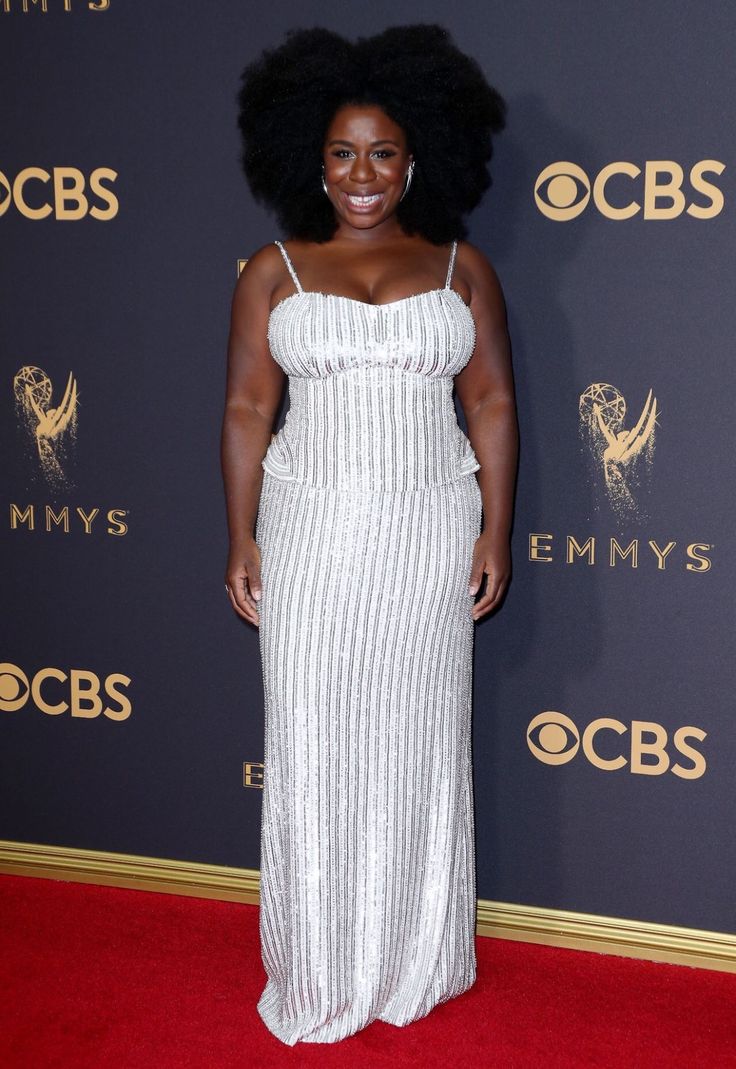
    Afro celebrities are making powerful statements on the red carpet with their unique and culturally rich hairstyles, setting a new standard in glam. These aren’t just mere fashion choices; they’re cultural declarations and expressions of individuality. The vibrancy and creativity in Afro hairstyles are capturing both the spotlight and the conversation, revealing a blend of heritage and modern flair.

    This surge in Afro glam isn’t just about aesthetics. It’s a bold embrace of natural textures and traditional styles, pushing against conventional beauty norms. When you see an Afro celebrity strut down the red carpet, it’s more than just hair—it’s history, artistry, and identity all wrapped up in one.

    Imagine the confidence and power behind a perfectly styled afro or an intricately braided updo. These hairstyles contribute more than just to a person’s look; they’re integral to their personal brand and identity. Each style tells a story, showcasing a distinctive blend of elegance and authenticity.

    Celebrity hairstylists are at the forefront, elevating natural hairstyles to new heights. They craft looks that are not only stunning but deeply meaningful. Through each twist, coil, or curl, they highlight the diversity and beauty of Afro-textured hair.

    The hairstyles seen on the red carpet show a fascinating mix of heritage and innovation. As we delve into this dynamic world of Afro glam, it’s clear that these hairstyles are more than trends—they’re timeless tributes to cultural pride and personal expression.

    Inspired Elegance: Iconic Afro Hairstyles from Recent Events

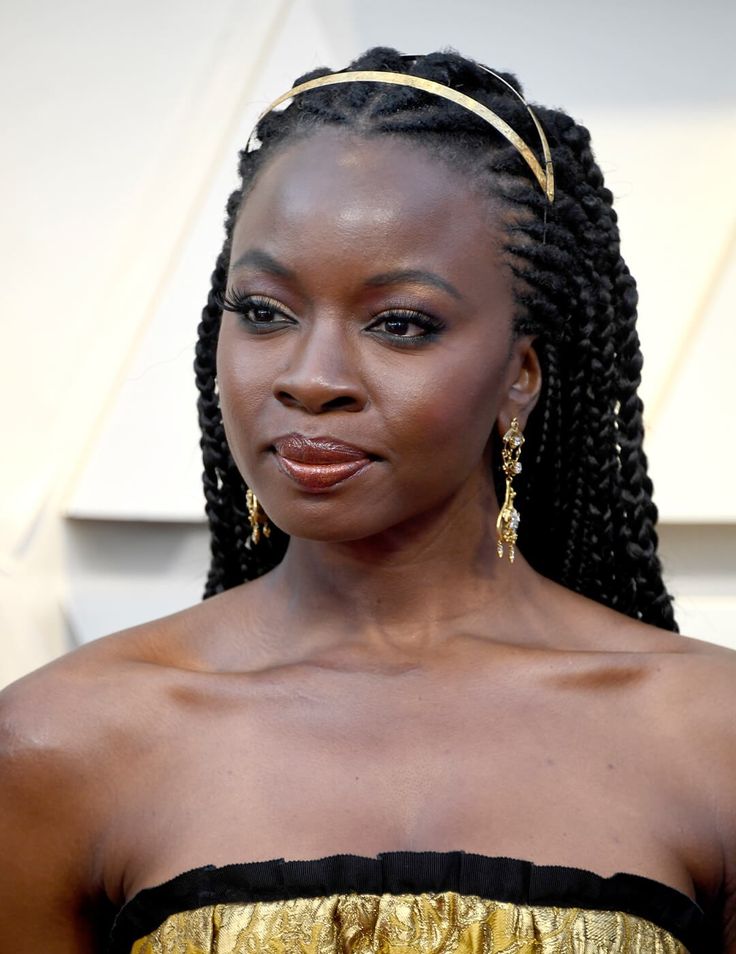
    Recent red carpet events have showcased some jaw-dropping Afro hairstyles that are turning heads everywhere. Whether it was at the BET Awards or the Met Gala, Afro celebrities have been flaunting some unforgettable looks.

    Stylists behind these glamorous red carpet appearances are unsung heroes, transforming hair into works of art. These experts are using cutting-edge techniques tailored specifically for Afro-textured hair, ensuring each hairstyle complements the wearer’s persona.

    One can’t miss the diversity of styles ranging from chic afros to polished locs, each one emphasizing the adaptability of Afro hair. This transformation of natural textures into high-fashion looks shows just how versatile Afro hair can be. Regardless of the things that people say about it’s look.

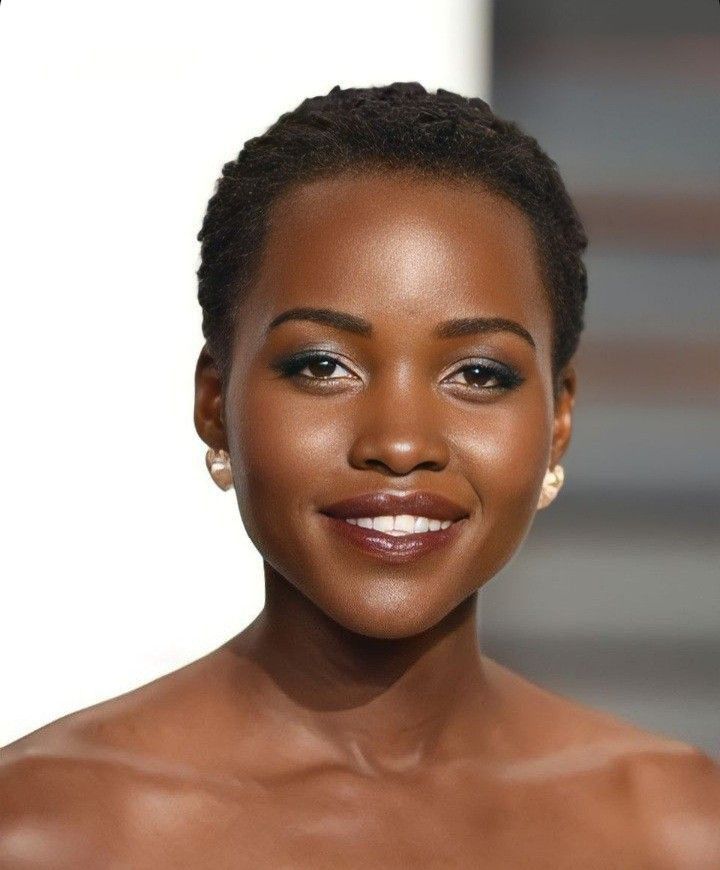
    For those eager to replicate these stunning looks, studying red carpet photos can serve as great inspiration. Imagine Solange Knowles rocking a bold fro or Lupita Nyong’o highlighting cultural roots with intricate braids. Each hairstyle at these events turns into a statement-making masterpiece, creating trends that echo throughout the fashion world.

    Remember, the key to nailing these looks is finding a style that aligns with your personal vibe. Pairing up with a skilled stylist who understands your hair type and aesthetic vision is essential. They can help turn your hair goals into reality, much like what we’ve seen on the red carpet.

    Cultural Heritage: The Intersection of Tradition and Modern Style

    Afro hairstyles are not just a nod to fashion—they’re a vibrant expression of cultural heritage and identity. Each coil, braid, or twist can hold generations of history and meaning. It’s fascinating how these looks manage to weave in traditional elements while still setting new style trends.

    Take bantu knots, for example. This style is deeply rooted in African tribal culture but remains incredibly popular in today’s fashion scene. They’re a perfect blend of history and modernity, reminding us that some of the coolest trends have the deepest roots.

    When Afro celebrities sport these styles on the red carpet, they do more than showcase trends—they celebrate and promote their rich cultural identity. It’s about owning one’s heritage and identity with pride, using hair as a canvas for storytelling.

    Hairstyles such as the afro or cornrows are great examples of this intersection of tradition and contemporary flair. By choosing to rock such hairstyles, celebrities are sending powerful signals of empowerment and authenticity. It’s like saying, “This is who I am, and I’m proud of it.”

    If you’re inspired to incorporate elements of culture into your style, consider exploring styles that resonate with your background and identity. Collaborating with stylists familiar with traditional techniques can help enhance your individual expression, making your hairstyle both a personal statement and a cultural homage.

    The Evolution of Glam: How Technology and Trends Shape Modern Afro Styles

    Technology and social media have completely transformed how we approach Afro hairstyles. Today, a new trending style can spread worldwide in just a matter of hours thanks to platforms like Instagram and TikTok. Influencers and celebrities share their looks, offering a closer look at their favorite products and techniques.

    This digital age brings more attention to the significance of Afro-textured hair in fashion, driving innovation in hairstyling tools and products. Brands are now creating products specifically designed to nourish and style natural hair, making it easier than ever to achieve and maintain the glamorous looks seen on the red carpet.

    Innovative techniques, like precision braiding and temperature-controlled styling tools, are further expanding what’s possible for Afro hair. Stylists are pushing boundaries, using technology to craft looks that are not only beautiful but also protective and sustainable. This balance between style and hair health is crucial for maintaining the authenticity and integrity of Afro-textured hair.

    Engaging with experts—whether it’s through hairstylist interviews or digital influencer tutorials—provides insight into the latest advancements in hair care. Try incorporating advice from these pros into your hair routine to help achieve the glamour of red carpet hairstyles at home without compromising the health of your hair.

    It’s all about finding that sweet spot between tradition and technology, mixing the old with the new to create something that feels right for you. Whether you’re looking to embrace a classic look or experimenting with a fresh trend, the right resources and tools can make all the difference in bringing your stylistic vision to life.

    Conclusion: The Future of Afro Glam in the Limelight

    Afro glam is not just having a moment; it’s set to define the future of beauty and fashion. With increasing visibility on red carpets around the world, Afro hairstyles are influencing global beauty standards, ushering in a new era of representation and diversity.

    Looking ahead, there’s excitement about the potential trends that will continue to emerge. Expect to see even more innovative uses of traditional styles, with a focus on personal expression and uniqueness. The blending of heritage with futuristic styles will remain a constant, providing endless possibilities for those looking to showcase their cultural identity.

    Empowering oneself through hairstyle is a trend that’s here to stay. Whether you’re drawn to bold afros, delicate braids, or anything in between, embracing the natural beauty and versatility of Afro hair is a personal journey that encourages creativity and self-expression.

    As Afro glam continues to inspire, it paves the way for more inclusive beauty standards that celebrate all textures and styles. By integrating a sense of cultural pride into the beauty conversation, these hairstyles remind us all of the power and elegance found in diversity.

    For anyone looking to explore this glamorous world, the path is wide open. Start by researching hairstyles and learning from those at the forefront. Whether it’s through social media, hairstylist collaborations, or red carpet inspiration, there’s a vast array of resources ready to help you embrace your hair journey with confidence.

  • Rainy Season Hair Survival: How To Keep Your 4C Hair Thriving During Nairobi Rains

    Rainy Season Hair Survival: How To Keep Your 4C Hair Thriving During Nairobi Rains

    Ever step outside on a crisp Nairobi morning, hair on fleek, only to find it transformed into a frizzy mess by the time you hit the office? You’re not alone. Rain and humidity can be a real enemy for natural hair, especially the 4C type, and understanding why is the first step to managing it.

    Humidity is the main culprit here. When the moisture in the air increases, the outer layer of the hair, the cuticle, starts to lift. This lets the moisture penetrate the hair shaft, causing it to swell and creating that dreaded frizzy look. For 4C hair, which is already prone to dryness, the effect can be even more dramatic. The natural twists and coils tend to shrink more, making it look shorter and more unruly.

    Kenya’s tropical rains only add to this drama. Unlike a dry climate where hair can remain relatively stable, the long rainy seasons here up the moisture levels, making hair management a daily adventure. The weight of the water from rain can press hair strands down unevenly, messing with any style efforts you made before stepping out. Unless of course your hair loves moisture then it may not be so bad.

    Here’s the twist: knowing how the rain affects your hair is liberating. It opens up a world of strategies and products specifically designed to combat the moisture invasion, so you can step out with confidence, rain or shine.

    Preparing Your Hair for Rainy Days

    Rainy seasons in Nairobi pack a punch, but with the right prep, your 4C hair can thrive. Before those clouds burst, a little preparation goes a long way. Start with a deep conditioning session. This keeps your hair well-moisturized, helping resist the moisture in the air that tries to mess with your style.

    When it comes to products, not all are created equal. Look for those that seal in moisture and offer light hold without feeling greasy. Leave-in conditioners and hair oils like argan or coconut oil should be your go-to. A regular routine with these works wonders in maintaining definition and reducing unwanted frizz.

    Protective styles are your best friends during the rainy months. Think twists, braids, or buns that provide some defense against the elements while still looking fab. These styles also keep manipulation minimal, reducing breakage risks, especially when hair is more fragile under wet conditions.

    Don’t underestimate the power of sourcing the right hair essentials locally. Nairobi’s market is brimming with natural hair-friendly products. Grab your favorites from Carrefour or Naivas to ensure your arsenal is stocked. With the right tools and techniques, you’re setting your hair up for a winning battle against Kenya’s rain.

    Navigating Humid Climates with the Right Products

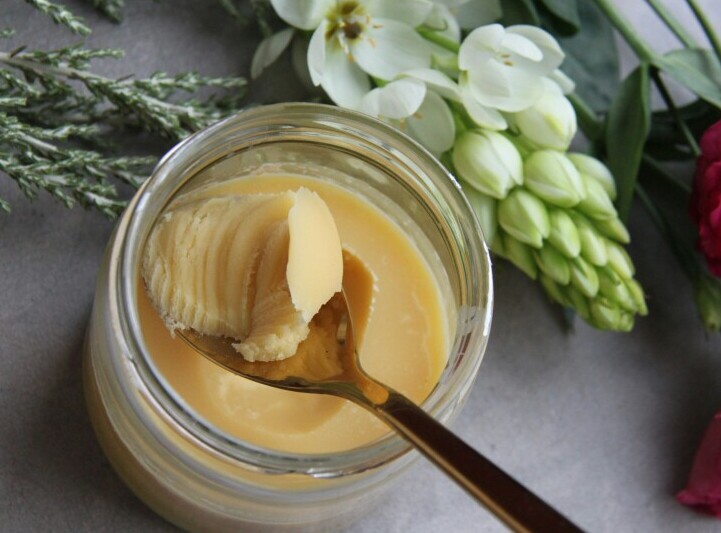
    When navigating Nairobi’s unpredictable humidity, the right products can make all the difference. Moisturizers that lock in hydration without weighing hair down are key. Look for ingredients like avocado oil or shea butter; they form a lightweight barrier against moisture in the air, keeping frizz at bay.

    Anti-humidity styling creams and gels should have a permanent spot in your haircare lineup. These products not only add definition to curls and coils but also protect against shrinkage and frizz. They’re perfect for maintaining style integrity when the weather has different plans.

    Local beauty stores like Carrefour and Naivas stock a variety of these curly hair favorites. Finding products specifically tailored for natural hair textures ensures your hair stays flawless, rain or shine. If you’re feeling crafty, mixing up a DIY hair mask with local ingredients can be fun and effective. You can whip up something delightful using a base of coconut oil mixed with some aloe vera gel right from your balcony plant.

    These tried-and-true local solutions are about more than just convenience; they address specific needs in our tropical climate. Investing in good quality products makes rainy season hair care a breeze. With a little trial and error, discovering what works best for your hair could be your next rainy day project!

    Quick Fixes for Unexpected Downpours

    Picture this: You’re strolling through Nairobi on a lovely, slightly cloudy day when the rain hits out of nowhere. You’re caught sans umbrella, and your carefully styled 4C hair begins to rebel. Don’t panic! A few tricks can help rescue your hair until you’re safely indoors.

    Having a small emergency kit in your bag can be a lifesaver. Pack a few bobby pins, a headband, and a small bottle of leave-in conditioner or curl refresher spray. These items can help transform a looming hair disaster into a chic bun or a neat ponytail. A headband can also work wonders, pushing back any unruly strands.

    Once you’re dry, a quick pat down with a microfiber towel or an old T-shirt can absorb extra moisture without causing frizz. Then, spritz on some curl refresher spray to get those curls popping again.

    Utilizing the office or school bathroom’s basic amenities is another option. A quick dash to the bathroom for a touch-up using a dab of hand lotion can smooth frizz in a pinch. Scrunching your hair with slightly damp hands can redefine curls and add some bounce back.

    Armed with these quick fixes, unexpected showers won’t catch you off guard. A little creativity and the right items on hand can keep your hair looking fresh, no matter what Nairobi weather throws your way.

    Optimal Protective Styles for Rainy Seasons

    Nairobi’s unpredictable weather needs hairstyles that can roll with the punches and still look amazing. With the right protective styles, you don’t have to worry about rain-induced frizz attacks. Think about styles that offer protection but also add a touch of flair.

    Low-manipulation styles like box braids, twists, and flat twists are perfect for keeping hair healthy while ensuring it stays neat, even in the wettest weather. They minimize tangling and are easy to maintain through the endless rains.

    If you’ve got a little more time, try crocheting some box braids or faux locs. They’re versatile, trendy, and can withstand an unexpected shower without losing shape. These styles give you the chance to take a break from daily styling battles, offering the dual benefits of style and freedom.

    Simple updos and chic buns are lifesavers for professionals dashing from meetings to events. They’re quick to style in the morning and can easily be dressed up with elegant hair accessories if you’ve got something special planned.

    For students or those who prefer a laid-back look, turbans and head wraps aren’t just fashionable; they’re functional for protecting your hair from moisture in a pinch. Experiment with colors and patterns to match your wardrobe while keeping your hair tucked away from the damp weather.

    Embracing these protective styles can be a game-changer in your hair routine. When you seal your hair against Nairobi’s rainy mood swings, you’ll find a new confidence in your daily styling.

  • Afro Hair Care For Children

    Afro Hair Care For Children

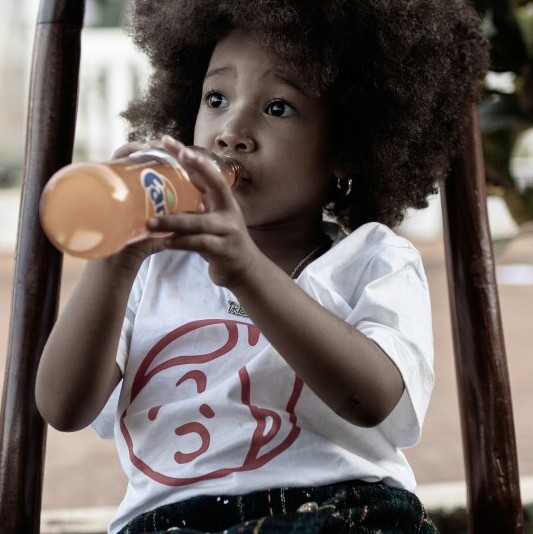
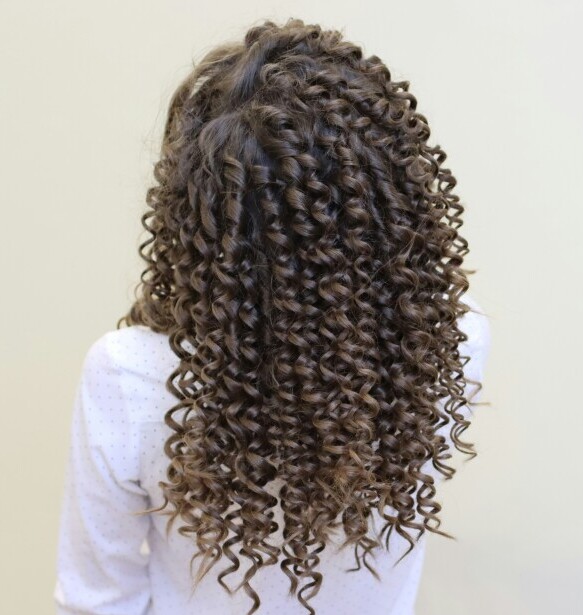
    Understanding the unique beauty of Afro hair begins with recognizing its diverse textures and types. Afro hair isn’t a one-size-fits-all; it spans a spectrum from tight coils to loose curls, and each type requires special care. Knowing what kind of hair your child has is the first step toward effective maintenance and embracing their natural beauty.

    Cultural pride is a big deal with Afro hair. This isn’t just about looks, it’s about identity and heritage. Encouraging children to love their natural hair helps build confidence and self-esteem. Emphasizing how hair can be a beautiful expression of who they are can make a world of difference in how they see themselves.

    Let’s be real, managing Afro-textured hair comes with its own set of challenges. It can be prone to dryness and breakage, and tangles are a common fight every morning. But with the right techniques and a bit of patience, these challenges can turn into moments of bonding and learning with your child.

    There’s a lot of noise out there about what Afro hair can and can’t do. Bust those myths with knowledge. For instance, the idea that Afro hair doesn’t grow is a big misconception. Understanding that proper care and styling can lead to healthy, long hair is vital. Setting the record straight helps in creating a healthy mindset about hair care.

    Essentials of Nutritional Hair Care

    Healthy hair starts from the inside. The foods your child eats play a big role in the health and strength of their Afro hair. Protein-rich foods like eggs and lean meats, along with plenty of fruits and veggies packed with vitamins and minerals, are essential to feed those curls and coils.

    Planning a hair care routine that fits your child’s age is super important. What a toddler’s hair needs might be different from what a preteen’s hair requires. Younger hair usually needs more gentleness and fewer products, while older kids might benefit from more moisturizing routines.

    Natural oils like coconut, jojoba, and argan are heroes in Afro hair care. These oils help keep hair moisturized and reduce breakage. Massaging oils into the scalp not only promotes hair health but can also be a relaxing ritual for your child that they might even look forward to.

    Hydration is key—inside and out. Make sure your child is drinking enough water throughout the day, as this keeps their entire body, including hair, well-hydrated. Proper moisture in hair care products can help tackle dryness and lock in that glossy shine for their natural curls.

    Healthy Hair Practices for Daily Care

    Everyday hair care routines play a crucial part in maintaining healthy Afro hair for your kids. Gentle tools and age-appropriate products are a must to avoid any damage to those lovely curls. Always be cautious with heat styling, opting for low temperatures and heat protectants to keep hair strong and healthy.

    Tangling can become a daily struggle, but with a bit of the right know-how, it doesn’t have to be a hassle. Start detangling from the tips and gently work your way up to the roots. Using a wide-tooth comb and a good detangling spray can make this process smooth and tear-free.

    Protective hairstyles are not just cute—they’re functional. Options like braids, twists, and buns help guard hair against daily wear and tear. They save time in morning routines and promote growth by reducing the need for constant combing.

    Choosing the right products is crucial. Consider products that are free from harmful chemicals like sulfates and parabens. Using shampoos and conditioners that moisturize and protect Afro hair can make wash day a breeze and keep those curls in top shape.

    Empowering Children through Hair Care Education

    Teaching children about their unique hair type is more than just hair care; it’s about building confidence and self-awareness. Helping them understand their hair’s needs and how to meet those is empowering. Whether it’s explaining why certain products work or showing what a healthy hair routine looks like, this knowledge sets them up for success.

    Self-esteem and hair identity go hand-in-hand. Celebrating their hair texture as a part of their cultural identity encourages pride and confidence. Complimenting and supporting their natural look positively impacts how they feel about themselves and reduces insecurity.

    Involving kids in hair styling can be fun and educational. Let them choose protective styles or assist in simple tasks like applying oils. This involvement not only makes hair care enjoyable but teaches them skills they’ll use as they grow older.

    Dealing with peer influences can be tricky. Kids might face pressure to straighten or alter their hair to fit in. Open conversations about diversity and embracing their natural beauty can help them stand strong against peer pressure and be proud of who they are at school or play.

  • The Toxic 12: Ingredients Destroying Your 4C Hair

    The Toxic 12: Ingredients Destroying Your 4C Hair

    4C hair has its unique beauty and challenges. The tight, zig-zag pattern is stunning but needs extra care to maintain its health. Knowing what goes into your hair care products is crucial, especially when dealing with natural hair.

    Many products claim they’ll enrich your curls, but not all of them are being straight with you about their ingredients. Some compounds in hair products are known to be problematic, especially for delicate 4C strands. Understanding these ingredients can make a huge difference in the strength and health of your hair.

    The term ‘The Toxic 12‘ refers to a group of notorious chemicals found in many cosmetics and hair care products. These ingredients are notorious for disrupting the natural beauty and integrity of your hair. Awareness of these substances is key to maintaining the lusciousness of 4C hair without unnecessary damage.

    People often wonder, “What’s bad for 4C hair?” Well, wouldn’t you know, many of these damaging ingredients are hiding out in plain sight in our hair products. If you’re finding your hair not living its best life, it’s time to look closer at what’s in that bottle.

    Getting on top of your hair care means diving into the ingredient lists and making informed choices. Being ingredient-savvy is not just for chemistry buffs—it’s for anyone who loves their hair and wants it to thrive.

    Identifying The Toxic 12: An Overview

    When it comes to hair care, the ‘Dirty Dozen’ isn’t the latest drama but a list of ingredients that can turn your hair journey into a nightmare. These chemicals are often marketed as beneficial, but their effects can be quite the opposite, especially for the unique needs of 4C hair.

    You might wonder what ingredients are hiding in your hair products that you should be wary of. Well, these notorious twelve have been known to strip moisture, weaken hair, and even cause scalp issues. Sulfates, parabens, and silicones are just a few of the usual suspects troubling your crown.

    Understanding what makes these ingredients a no-go is key. Sulfates, for instance, can leave your hair feeling squeaky clean, but that’s not necessarily a good thing. For 4C hair, which craves moisture, such detergents strip away natural oils, leaving you high and dry.

    Parabens sneak in as preservatives but have been linked to hormone disruptions. For those trying to keep their curls healthy and bouncy, avoiding these chemicals is part of smart hair care shopping.

    And silicones? They might make your hair look temporarily shiny, but it’s like putting a plastic wrap on your hair. Over time, they can cause build-up, making your hair heavy and dull.

    Checking out the labels on hair products can feel like decoding another language. But with a bit of knowledge, you become the expert on your hair’s best friends and frenemies. The payoff? Healthier and happier 4C hair without the hassle of harsh chemicals.

    Dangerous Ingredients Potentially Causing Hair Damage

    When caring for your 4C hair, you’ll want to watch out for some ingredients that wave a red flag. Just because a product smells amazing or promises miracle transformations doesn’t mean it’s doing your hair any favors. Some ingredients are like that unwanted second cousin at family gatherings—they show up uninvited and just cause trouble.

    Ever scan those ingredient lists and see something like “propylene glycol”? It’s as common as a pair of old jeans but not as harmless. This chemical is often used to retain moisture, but it can also irritate your scalp and dry out your curls.

    And let’s talk about alcohol. Not the kind that makes a good cocktail, but the kind that sneaks into your styling sprays, leaving your hair thirsty rather than quenched. Not all alcohols are bad, but if you see ethanol or isopropyl, proceed with caution as they can zap moisture from your strands.

    Phthalates pop up in fragrances but can mess with your hair’s natural balance. They aren’t singled out on every product label, which can make them tricky to spot. The best bet? Opt for fragrance-free products or look for those labeled ‘phthalate-free.’

    One might ask, “Which ingredient is harmful for hair?” It’s not just one single culprit but a cocktail of different compounds. Being mindful of these can save your hair a lot of grief. Always remember, healthy hair starts with informed choices. Scan those labels and opt for products with ingredients you trust. Your hair will thank you by looking its best every day.

    The Connection Between Chemicals and Hair Loss

    Hair loss can hit anyone like a bad hair day that doesn’t end. For 4C hair, certain chemicals can be sneaky contributors to the issue, making it crucial to know what’s in your hair products.

    Some ingredients are particularly notorious for causing hair to shed. Take formaldehyde, for example. It’s not something you’d willingly apply to your roots, yet it often hides in hair smoothing treatments. This chemical can weaken hair strands, leading to breakage and thinning. There was a season, I did not pay attention to these ingredients and I decided that I wanted to get a hair smoothing treatment. I was put off mostly because of the cost and the time it would take to get done. On doing further research, I discovered that there were cancer causing ingredients in the specific hair product that would me used and that was the end of my journey looking into those products.

    Ever heard of sodium lauryl sulfate? This popular cleaning agent is effective at washing away dirt but can also harm your hair follicles with prolonged use. Keeping an eye out for this in shampoos can help preserve your hair density.

    Another common threat is synthetic fragrances. They sound harmless, but the mix of undisclosed chemicals can stress the scalp, potentially promoting hair fall. Opting for natural or fragrance-free products minimizes the risk.

    Questions like ‘What ingredient causes hair to fall out?’ are valid concerns. The answer can be pretty complex, but focusing on gentle, natural ingredients is generally a smart move. Avoid overloaded formulas promising miracles—they might just be full of unwanted surprises.

    Educating yourself on these chemicals isn’t about becoming a chemist overnight but about making choices that keep your hair healthy and robust. Your 4C hair deserves products that care for every exquisite strand.

    Steps for Safer Hair Care: Protecting Your 4C Hair

    Creating a hair care routine free from nasty chemicals is like giving your hair an all-access pass to thrive. It starts with knowing your products inside and out. Look for labels that boast transparency and simplicity. Products with shorter ingredient lists often mean fewer chances of unwanted chemicals.

    Swapping out products might seem overwhelming, but focus on one product at a time. Maybe start with your shampoo, checking it’s free from sulfates and other harsh cleansers. Gradually move through your routine, finding what works best for your curls without the nasty impact.

    Take the time to test how new products work on your hair. Don’t be swayed by aggressive marketing; your hair’s reaction is the real deal. Start with alternatives that have natural moisturizers like shea butter and coconut oil, which nurture without stripping.

    Don’t ignore how your hair and scalp feel. Regular dryness, itchiness, or breakage could be a sign that something in your routine isn’t jiving well with your hair. Staying tuned to these signals helps you tweak your approach and keep things fresh and beneficial.

    If you’re stumped on where to start or what to pick, consider apps and websites that verify product safety. They provide trusted resources, helping you decide based on your goals for healthy hair. Whether it’s certifications or consumer reviews, informed purchases are always in style.

  • Preventing Breakage In Afro Hair

    Preventing Breakage In Afro Hair

    Afro hair with its unique structure, is set apart from other hair types. This type of hair typically features a tight curl pattern, which can range from softly coiled curls to tight zig-zags. I have written regarding these details of afro hair in a previous blog. These natural kinks result from the hair’s oval-shaped follicles, which determine the curliness by how they grow out of the scalp.

    There’s a lot of misinformation floating around about Afro-textured hair, much of which feeds into stereotypes that oversimplify its complexities. For instance, it’s a common myth that Afro hair is always dry or that it doesn’t grow fast. The truth is, like any hair type, its growth can vary from person to person, and dryness often results from the curls making it more challenging for natural scalp oils to travel down the hair shaft, not because the hair “just is”.

    The intricate curl patterns of Afro hair mean that its strength is also unique. While the curliness gives the hair its bounce and volume, it also makes it more susceptible to breakage and tangling, especially at its bends and curves. The shape makes it harder for the natural oils to coat the hair fully, which can undo some of the protective layers typical in straighter hair types. Understanding these aspects is key to getting that balance right in haircare routines tailored for Afro-textured hair.

    Identifying Common Causes of Breakage in Afro Hair

    Afro hair, with its mesmerizing curls and delicate structure, can be prone to breakage when not handled properly. One leading cause? Over-manipulation. Constantly styling, pulling, and brushing can strain those delicate strands, especially when done without the right techniques or tools. I remember once putting in braids and they were still fresh on my scalp. I bumped my head really hard and I found my braid come off my scalp with the hair. My hair grew back but it was a process and I had to take the time to look after my hair.

    Environment plays a silent role, too. Sun exposure, humidity, and pollution take their toll on your hair’s moisture levels. Without protection, these elements can lead to brittleness and breakages over time, even if you’re diligent about your hair routine.

    Chemical treatments can be a double-edged sword. While they might give temporary changes in texture or style, overuse or improper application can weaken hair structure. Similarly, excessive heat styling without protection strips the hair of its moisture, leaving it more fragile.

    Recognizing these common causes of breakage is the first step in taking proactive measures to maintain the health and beauty of your Afro hair. This understanding encourages more thoughtful haircare habits and choices that support hair strength and resilience.

    Nutritional Support: Feeding Your Hair from the Inside Out

    Healthy hair starts from the inside, and for Afro-textured hair, this couldn’t be more true. Your diet has a profound impact on the strength and durability of your hair. Proteins act as the building blocks for strong hair, so including protein-rich foods like lean meats, eggs, and legumes can make a noticeable difference.

    Essential vitamins and minerals can be the unsung heroes of hair health. Vitamin A helps in producing healthy sebum, which naturally moisturizes your hair. Biotin is often touted for hair growth, while iron improves circulation, delivering oxygen to hair follicles, which helps reduce breakage. Don’t forget about zinc, which supports the repair and growth of hair tissues. I used to take zinc supplements but when I did, I had to make sure that I had a really good diet.

    Stay hydrated! Water plays a vital role in keeping hair strands supple and healthy. Dehydration affects hair cells, making them brittle and more prone to breaking. Intentionally drinking enough water each day helps maintain that much-needed moisture balance.

    Incorporating these nutritional changes into your lifestyle doesn’t just aid in preventing breakage. It sets the foundation for the natural vitality and strength of your Afro hair, reflecting a holistic approach to care that goes beyond external treatments.

    Crafting a Personalized, Low-Manipulation Hair Care Routine

    Creating a hair care routine that minimizes manipulation can significantly prevent breakage in Afro hair. Protective styles like braids, twists, and buns not only offer a chic look but also protect hair from daily wear and tear. Regularly switching up these styles can help keep your strands healthy without stressing them out.

    Detangling Afro hair needs a gentle touch. Always detangle when hair is damp and use a wide-tooth comb or your fingers. Starting from the tips and moving toward the roots, gently work through the tangles. Patience is key to preventing unnecessary breakage and keeping those curls intact.

    Hydration and moisture are crucial. Afro hair thrives when it’s well-moisturized, so make it a habit to use leave-in conditioners and oils that lock in moisture. Regular deep conditioning treatments are like a spa day for your hair, replenishing what daily life might take out.

    Tailor your haircare products to your needs. Products today are formulated for specific curl patterns and hair porosity levels, so choose ones that match your hair’s needs. This personalized approach supports strong and resilient hair, making breakage a thing of the past.

    Seeking Professional Help: Guidance from Experienced Hair Experts

    Sometimes, a little expert advice goes a long way in sustaining healthy Afro-textured hair. Professional hairstylists who specialize in Afro hair bring invaluable insights and tips tailored to your hair’s unique needs.

    These experts can guide you in finding the right products that work harmoniously with your hair type and texture. From shampoos—and conditioners to oils and styling creams, they know what works best for maintaining strength and preventing breakage. It also help to keep checking the scalp because this can also affect the condition of your hair.

    Consultations with a knowledgeable stylist can be a game-changer. If you’re facing persistent issues or considering a dramatic change, tapping into their expertise can provide strategies and solutions you might not have considered.

    Don’t hesitate to ask for professional advice if you’re at a crossroads with your hair routine. Sometimes those specialized hands and opinions can reveal the best methods for nurturing your hair’s natural glory.

  • Achieving A Flawless Twist Braid Out

    Achieving A Flawless Twist Braid Out

    Twist braid outs aren’t just a hairstyle; they’re a statement. Born out of creativity and a rich cultural heritage, they offer versatility that celebrates natural beauty in its true form. This frosty, coiled look is more than just stylish—it’s deeply rooted in tradition. When I was in University, this was my go-to style as I did not have time to get to a hairdresser it was easy for me to maintain. I also learned how to love my hair through this process.

    Why exactly is a twist braid out worth the effort? For starters, it’s gentle on your hair compared to heat styling methods. Think healthier locks that can shine in any weather. It’s about showing love to your hair, letting it thrive while looking fabulous.

    Many are enchanted by twist braid outs’ ability to create volume while defining curls. Just look at your favorite celebrities rocking this look at events or even on an off day. These styles are trendy because they’re remarkably stunning and adaptable.

    Every twist, every turn of hair tells a story. With a twist braid out, you’re part of a movement embracing natural curls with pride. Whether it’s the ease of transforming a casual day look to an elegant evening do, there’s something downright magical about it.

    The Essentials: Preparing for the Perfect Twist Braid Out

    Picking the right products is like choosing the perfect outfit—it just makes everything come together beautifully. Whether your hair is thick or fine, knowing which gels, creams, or oils work best is key. With so many products out there, it can be confusing. For tighter curls, heavier creams might be your best friend. Meanwhile, lightweight gels could be the go-to for managing looser curls.

    Ever tried twisting without a comb? Yeah, let’s not do that again. Having the right tools is half the battle. Good tools ease the process, protect your hair, and keep it looking neat. I’m talking sturdy combs, trusty clips, and a heat protector for those moments when heat might be in the picture.

    Now, we can’t talk about preparation without a good start. Cleaning and conditioning your hair sets the stage for all the magic. Freshly washed hair takes on twists better and lasts longer. With a well-detangled mane, say goodbye to unwanted knots and hello to smooth, defined twists. It’s not just prep work—it lays the groundwork for a showstopper of a hairstyle. When I used to do a twist out, I always did it the night before and would then take it out in the morning.

    Mastering the Art: Step-by-Step Guide to Perfecting Your Twist Braid Out

    Getting twist braid outs right can feel like an art form. You want those curls defined and radiant, right? Start by dividing your hair into manageable sections. This step is crucial because it helps keep your twists uniform and organized, ensuring each strand receives the attention it deserves.

    Twisting may seem straightforward, but the magic lies in consistency. Focus on applying even pressure and maintaining the same size for each twist. This method guarantees a neat, cohesive look where every part of your hair tells the same story.

    Sometimes things don’t go as planned. Maybe a twist unravels or a section frizzes. Spotting these issues early and knowing how to tackle them saves you from any style mishaps. It’s all about practice and learning from each twist.

    Another game-changer is keeping your hands lightly oiled. This small trick helps reduce frizz and leaves behind a sleek finish. Remember, practice makes progress, so don’t shy away from experimenting until you find your rhythm.

    Beyond the Basics: Elevating Your Twist Braid Out Game

    Once you’ve got the foundation down, mix it up with different twisting styles. Going for a flat twist instead of traditional ones can freshen up your vibe, adding a sleek profile to the look. If your twist style is looking messy, you can do a twist out to help it look fuller and amazing.

    Accessories transform a twist braid out into something uniquely yours. A well-placed bead or stylish pin can elevate the aesthetic while adding a touch of personal flair. Hair wraps aren’t just for convenience; they’ve become a trendy statement that enhances every twist, showing style without saying a word.

    Hydration keeps a twist braid out looking lively long after styling. Using leave-in conditioners or lightweight oils can help keep curls popping over days. Retwisting at night or using a satin bonnet can maintain that perfect curl pattern, minimizing frizz and tangles.

    Don’t forget about edge maintenance, a crucial step that often gets overlooked. Touching up with a gentle edge control maintains that polished look. Every detail counts in keeping your twist braid out fresh and fabulous.

    Empowering Hair Care: Adopting Healthy Habits for Consistent Success

    Knowing your hair type is like understanding its language, helping tailor your care routine to its unique demands. This insight makes all the difference in achieving luscious results consistently—no more guessing games.

    Diet and hydration might not seem directly related to your twist outs, but they play a huge part. Drinking enough water and eating a balanced diet with lots of fruits and veggies can contribute to healthier, shinier hair. Strong hair from within is half the battle won in hair care.

    Routine is everything when it comes to maintaining healthy hair and fabulous twist outs. Setting consistent wash days, spacings between styles, and hydrating rituals balances style without compromising care. Life gets busy, but giving your hair regular TLC can lead to major benefits.

    Confidence comes through commitment and love for your natural hair. Nurturing your curls means making decisions that suit both your lifestyle and your hair’s needs, empowering you with styles that don’t just look good, but feel great too.

  • Natural Hair Care Expert Kenya | 4C Hair Tips & Products | Afro-Queen

    Expert 4C hair care tips and natural hair routines for Kenya. Discover the best products, styling techniques, and daily care guides for healthy afro hair in Nairobi and beyond.

  • Finding Confidence In My Natural Hair

    Finding Confidence In My Natural Hair

    Natural hair is more than just a hairstyle; it’s a deep connection to culture and history. This deep, rich story is about pride, resilience, and a regained identity that’s been passed down through generations. From the majestic afros of the ’70s to today’s myriad of styles, natural hair has always been a statement of individuality and strength.

    Making peace with natural hair isn’t just about aesthetics. It’s about discarding beauty standards imposed on us and understanding our unique beauty. For many, accepting natural hair marks the start of a journey toward self-love, shaking off the influence of commercial ideals that often don’t celebrate our true selves.

    There’s a lot to reckon with—internalized biases, societal pressures—and standing in solidarity with powerful historical icons helps balance that act. I found courage in stories from those who walked this path before me. I remember when I was younger, it was difficult for me to rock my natural hair because I always thought that straight hair was easier to manage and maintain.

    More than just washing and styling, the process of wearing my hair naturally became a journey of self-discovery. My hair represents so much of who I am, and maintaining it became an act of reverence. For every textured strand, there’s a lesson in patience, resilience, and embracing this beautiful chaos as part of my identity.

    The Power of Community: Finding Support in Sisterhood

    Finding my place in the natural hair community has been like discovering a second family. These connections are more than just social media follows or group meet-ups. They are networks of support and empowerment that have helped me navigate my journey with natural hair.

    Being part of forums and groups opened my eyes to new techniques and products and showed me that I wasn’t alone in my struggles and triumphs. Sharing tips and stories transforms what could easily be a lonely path into an exciting adventure full of encouragement.

    Events, whether virtual or in-person, offer more than educational opportunities; they’re celebrations of our culture and individuality. Walking into a room full of folks who proudly rock their curls and coily patterns is a liberating experience. It transforms the narrative from one of isolation to community.

    Mentors and influencers play a huge role in this journey. Their videos and blogs provide guidance, but more importantly, they represent a lived experience that resonates. Following their paths and adapting their lessons has been invaluable.

    In sisterhood, I’ve found reassurance and a fierce sense of pride, knowing that I walk with a community that celebrates me as I am. It’s a vibrant network, always ready to uplift and support, reminding me that this journey, though personal, is never solitary.

    Educate, Experiment, Elevate: Navigating Your Natural Hair Care Routine

    Getting to know my hair type was like unlocking a personal code, offering insights into what my hair loves and what it could do without. Once I nailed down my curl pattern and porosity, the world of hair care broadened into limitless possibilities.

    Product experimentation became an essential part of my routine. I learned over time that it isn’t about chasing everything new on the shelves but about understanding what ingredients and formulas work best for my hair’s unique needs. Trust me, that ‘aha’ moment when the right product clicks is worth all the trial and error.

    Playing around with styles let me embrace my creativity and self-expression. It’s fun, sometimes messy, but always illuminating. Those moments in front of a mirror, figuring out a new twist or braid, are small wins that boost my confidence.

    A healthy hair routine is more than just products; it involves knowing and appreciating the natural beauty of my hair as it is. Stepping away from myths and focusing on nourishing my hair from scalp health to ends was game-changing. Once I broke free from misconceptions, my hair flourished, and I felt more connected to it.

    Educating myself and reflecting on my progress has become second nature. Celebrating the small achievements alongside the big victories keeps my love for my natural hair strong and steadily growing. Every step, from detangling to protective styles, is one more part of the ongoing journey.

    Radiating Confidence: Celebrating the Beauty of Natural Hair

    Natural hair isn’t just a thing, it’s the crown I wear every day, and each twist and coil is a testament to my journey. Rocking natural hair, I learned, is about flipping the script on beauty norms that have stuck for way too long. It’s about celebrating the uniqueness that only I possess.

    Confidence isn’t a switch you flip overnight. It’s in those little moments like navigating my first successful twist-out or basking in the compliments of friends who notice the bounce and shine. Standing tall with my natural hair hasn’t just been about looking good; it’s about feeling good on the inside too.

    Being a role model, even when I didn’t realize it, pushed me to own every curl unapologetically. The younger generation is watching, many of whom look up to the examples we set. Showing them that our natural hair is beautiful can ignite their confidence at an early age.

    Self-love became an integral part of my journey. Embracing imperfections and reveling in the days when my hair had a mind of its own, taught me to find joy in every texture. Those moments are a gentle reminder of the strength and beauty in my natural state.

    Celebrating our hair isn’t just personal; it’s a powerful message that inspires others to embrace the beauty within themselves. With every milestone—whether it’s a length goal or simply achieving healthy, happy hair—I find myself more in awe of what natural hair represents. It’s not just about style, but a celebration of heritage, resilience, and the joy of being truly authentic.