Author: admin

  • The Benefits Of Co-Washing 4c For Afro Hair

    Co-washing is short for “conditioner washing,” which skips traditional shampoo in favor of conditioner or a specially designed co-wash product. It’s gaining popularity among folks with Afro-textured hair, which craves extra moisture due to its structure.

    Afro hair has a unique curl pattern that can make it more prone to dryness and breakage. That’s where co-washing comes into play. It cleans without stripping all that natural oil, keeping hair hydrated and reducing frizz.

    Some traditional shampoos can be too harsh, leading to brittle strands and less curl definition. So, swapping them out for a co-wash helps maintain that precious balance of moisture and strength, leading to healthier hair.

    Hair care experts often recommend co-washing because it effectively cleanses the scalp while preserving the hair’s natural oils. That means less damage and more shine! It’s about nurturing what your hair already has rather than stripping it away.

    I would approach this with caution because, in order to do co-washing it’s important to understand your hair porosity. If you have hair that takes in moisture quickly but seems dry, you have to find a method that works for you.

    Enhancing Hair Health: Science-Backed Benefits of Co-Washing

    Co-washing can be a moisture game-changer for Afro hair. By swapping out harsh shampoos for a co-wash, you’re helping your hair stay hydrated. It’s like a tall glass of water for those curls, keeping them lively and bouncy.

    Research shows that keeping moisture locked in improves overall hair strength. Less breakage means hair gets a chance to grow longer without those pesky split ends ruining the party. Plus, with consistent co-washing, hair feels softer and looks shinier. What’s not to love?

    Hearing personal stories can spark inspiration. Many who switch to co-washing notice less shedding and a natural leap in manageability. Their curls seem to pop like never before. It’s about working with your hair, not against it.

    People with Afro hair often report a positive transformation in their hair’s texture and resilience. And it’s not just anecdotal—experts swear by co-washing’s ability to support hair health in a science-backed way.

    Choosing the Right Co-Wash Products for Your Hair Type

    Picking the perfect co-wash can feel like a treasure hunt, but it’s all about knowing what ingredients to look for. Afro hair thrives on moisture, so anything with hydrating elements like shea butter or coconut oil is a win.

    Not all co-washes are made equal, so knowing your hair type is key. For tighter curls, thicker co-washes can help tame those luscious locks. If your hair tends to get oily fast, look for lighter options that won’t weigh it down.

    Expert advice makes all the difference. Dermatologists and hair care pros recommend co-washes that gently cleanse while nourishing the scalp. After all, healthy roots and hair strands go hand in hand.

    Starting with small trials helps you find the product that feels just right on your hair. Testing a few different co-washes can work wonders in figuring out your hair’s ideal match. The goal is to find something that leaves your curls feeling fresh and fabulous with every use!

    This works well when your hair is not in a protective style for too long. However if you have had braids or another protective style for a while, co-washing may have to be altered due to the build-up from the styling.

  • Funky And Funky: Unique Hair Color Ideas for 4c Afro

    Ever wondered why you’re drawn to specific colors? It’s not random at all. Colors carry vibes and meanings that can speak volumes about your mood or personality. Picking the right funky hair color is just like choosing an outfit that makes you feel yourself. Would you go for a fierce red that screams confidence, or maybe a playful blue that shows off your creative side? Maybe you want to send a peaceful vibe with a calming green.

    Thinking about what each color represents can be a game-changer. Bold reds often burst with energy and passion, while purple might give off a mysterious and regal feel. Yellow’s all about happiness and optimism, and don’t even get me started on fiery orange—it’s the life of the party! Choosing a hue that aligns with how you feel or wanna feel can make your hair color more than just a look; it becomes a statement.

    Finding a color that matches your personality also involves a little self-reflection. Are you looking to boost your confidence or show off your playful side? Maybe you want something that beams with creativity. Think about your unique quirks and attributes, and the right shade can act as an extension of yourself, giving everyone a colorful peek into who you truly are.

    Don’t forget about your skin tone and style when you’re choosing your hue. It’s all about harmony, folks. Different colors can complement different skin tones in wild and wonderful ways. Fair skin can play nice with pastel tones, while deeper skin tones shine with vibrant yellows and greens. Then, there’s your wardrobe—because who doesn’t love a coordinated look? Make sure your new hair color pops in a way that makes you feel fabulous head to toe.

    Whether it’s a daring new color or something a little more subtle, the key to rocking it is all about feeling comfortable and confident. At the end of the day, your hair color should make you smile every time you catch your reflection. Go ahead and let your hair be your canvas of personal expression.

    Latest Trends: Unveiling the Hottest Hair Color Styles

    There’s nothing quite as exciting as a fresh hair trend to change up your style. This season has seen an explosion of funky hair colors that are absolutely stealing the spotlight. Everyone’s out here making bold color statements, and it’s all about showing your unique flair.

    Ombre and balayage are at the top of their game for mixing multiple shades beautifully. Ombre’s still vibing with those gradual fades from natural roots to popping tips. Balayage is your go-to for that sunkissed, effortless look with easy upkeep. It’s for anyone who loves that low-maintenance style with high-impact results.

    If you haven’t heard of ‘splash lights,’ it’s time to check it out. Imagine a burst of color right through the middle of your hair, mimicking how light naturally falls on a head of hair. It’s flashy without being over the top, perfect for catching eyes and turning heads.

    Salons are pushing boundaries with techniques that make each color look lively and vibrant. Ever seen hair that changes color under different lights? Dynamic hair coloring is making waves, literally giving a new look every time you step into a new light setting.

    But it’s not just about what the pros think—the best testimonials come from folks who’ve taken the plunge. Talking to someone who’s tried it can give you insights into what it’s like living with a funky color day in and day out. Real-life experiences might just give you the courage to try that foxfire red or mermaid teal you’ve been eyeing.

    Funky Colors in the Workplace: Breaking Stereotypes and Building Confidence

    Workplaces are evolving, and so are the vibes we bring into them. Rocking a funky hair color at work used to be a no-go, but times are changing. Today, more folks are expressing themselves with vibrant hues, proving that unique shades can coexist with professionalism.

    Everyone has a story about how a bold hair color changed their life. Many have found that these vibrant tresses do more than just turn heads—they empower. Imagine walking into a meeting owning the room with hair that reflects your confidence. It’s not just about aesthetics; it’s about self-expression and feeling comfortable in your own skin.

    Despite these changes, some stereotypes persist. Questions about whether funky colors are appropriate or professional might still pop up. The truth? Confidence and competence can’t be dimmed by a splash of color. Many companies already celebrate diversity through the unique appearances of their employees.

    For those considering a workplace makeover, there are a few tricks to keep in mind. Choosing shades that align with company culture helps, but ultimately, it’s about you owning your look. Poise and professionalism will always be your best accessories.

    Even within the constraints of workplace norms, funky colors can be tailored to sit pretty and professional. Perhaps a vibrant shade framed by natural roots or a subtle peek-a-boo effect that plays hide-and-seek under natural locks. It’s all about finding that sweet spot between self-expression and work expectations.

    DIY vs Salon: Journey to the Perfect Funky Hair at Home

    Deciding whether to color your hair at home or enlist the help of pros is a big question when it comes to achieving that perfect funky shade. Each approach has its own set of perks and pitfalls, so weighing them out is key.

    Going the DIY route can be a thrilling adventure. For the hands-on folks, transforming your hair at home means diving into a sea of creativity. It’s budget-friendly, and there’s something quite satisfying about being responsible for your fresh look. But, beware—mistakes can be tricky to fix, and you might not get it spot-on the first time.

    Salon visits, on the other hand, are where pros show their skills. Getting the perfect hues and shades requires a deep understanding of color chemistry, something stylists are trained for. A seasoned pro can blend colors to give you those precise tones you’re going for while keeping hair health in check.

    If you’re thinking ‘Nah, I got this’ and want to try DIY, here’s the lowdown. Prep your hair with some serious pre-color treatment, and follow those instructions like a recipe for success. It’s easier to correct small goofs than to overhaul a massive color mishap. And don’t forget: use quality products—cheap dyes can lead to lackluster results.

    Talking to hairstylists can give you insights on potential pitfall points, like avoiding a mix-up between permanent and semi-permanent dyes or using the right bleach if you’re going lighter. They can also recommend the best products for keeping your color vibrant longer.

    Whether you’re wielding the brush or letting a stylist do their magic, the journey to rocking that funky color shouldn’t be stressful. Work with what makes you comfortable and always remember—the aim is to feel fantastic in those fabulous, bold colors.

    Long-lasting Vibrancy: Maintaining Your Funky Hair’s Brightness and Health

    You’ve taken the plunge and chosen a funky color, and now it’s all about keeping that shade as vibrant as your personality. Quality aftercare is your best buddy on this journey. A few tricks up your sleeve can help your bold look stay fierce.

    Color-treated hair needs a bit of extra love, starting with the right shampoo and conditioner. Look for products specifically designed for colored hair, free of sulfates that strip color away faster than you’d like. Color-safe products not only preserve the vibrancy but also nourish those strands.

    To lock in moisture, consider using a deep conditioning treatment once a week. Hair masks enriched with oils or proteins can do wonders in keeping your locks smooth and hydrated. Hydrated hair will hold onto color longer, letting you enjoy your funky vibe for weeks, even months.

    Some natural tricks can help, too. Rinsing with cold water can help close hair cuticles, reducing color bleeding. And yes, a little vinegar rinse can do wonders in sealing the color and adding some shine—just a splash in cold water after conditioning.

    External factors like sunlight can be a color’s nemesis. Wearing a hat or using a UV protectant spray when you’re out can fend off fading from the sun. If you love the pool, keep in mind chlorine’s knack for color stripping—wearing a swim cap or rinsing hair immediately after swimming can mitigate the damage.

    You’ve got your funky color, and keeping it fresh is simpler than you’d think. Just a little extra care, the right products, and some savvy tips can make that bold shade last. So go ahead, enjoy showing off your vibrant self everywhere from work to play without worry.

  • How To Style 4C Afro Hair For Special Occasions

    When it’s time to shine at a special occasion, picking the right Afro hairstyle is a big deal. You’ve got to think about your face shape, your hair texture, and what type of event you’re getting dolled up for. Whether you’re headed to a formal soirée or a casual shindig, your hair can totally make or break your look.

    Let’s talk about some crowd-pleasers in the Afro hairstyle community. Twist-outs are a fave for a reason—they offer that neat yet natural vibe. If you’re aiming for something classic and elegant, updos are the way to go, sweeping your hair up and away in a way that screams glam. Then there’s the bold and beautiful bantu knots, a style that’s not just striking but practical too, keeping your hair protected.

    Now, you might think, ‘How do I choose from all these options?’ This is where face shape and hair texture come into play. Heart-shaped faces might look fab with a voluminous look, while round faces could totally rock an asymmetrical style. And let’s not forget about texture; some styles work better with looser curls, while others hold tight with coarser hair.

    If you’re still not sure, chatting with a professional stylist can be a lifesaver. They’re the experts, right? They can offer up some custom ideas based on your personal vibe and the event’s mood. Stylists have that special eye for detail that can help you walk out feeling confident and looking fresh. With the right guidance, you’ll definitely steal the spotlight!

    Preparing Your Hair: Essential Pre-Styling Tips

    Before diving into styling, prepping your hair’s like laying the groundwork for building a house—it makes everything else way easier. Starting with clean hair is a must. Grab a sulfate-free shampoo to gently cleanse without stripping away natural oils, leaving your hair ready for action.

    Next up, moisture is your hair’s best friend. Applying a leave-in conditioner or hair oil can help keep those locks hydrated and healthy, making styling a breeze. Remember, healthy hair is happy hair, and it definitely shows!

    Tackling tangles is another vital step. Be gentle with a wide-tooth comb or your fingers to avoid breakage, starting from the tips and working your way up to the roots. Patience here pays off big time, trust me.

    And of course, choosing the right products can make all the difference. A good styling cream or gel can provide that needed hold and shine, ensuring your look stays fresh all day and night. Keep an eye out for products that cater to your hair’s specific needs, whether it’s extra hold or a natural finish.

    Step-by-Step Styling Techniques for Diverse Looks

    Creating that picture-perfect Afro look is totally doable with some know-how and patience. Let’s explore some step-by-step techniques to get those head-turning hairstyles on point.

    First on the list, the chic twist-out. Start with freshly moisturized hair and twist small sections from root to tip. Once fully twisted, let it set overnight or use a blow-dryer with a diffuser if you’re in a hurry. Unravel gently for soft, bouncy curls that are sure to wow.
    Looking for something a bit more elevated? The glamorous afro puff is a go-to. Gather your hair at the crown with a snag-free band, fluff it out, and use a pick to add extra volume where needed. It’s simple yet stunning, perfect for shows and galas.

    If bold is more your game, consider the bantu knot. Part your hair into small sections, twist each one tightly, then coil and wrap into mini buns, securing them with bobby pins. Once they set, you’ve got a dramatic, eye-catching style that’s both protective and fab.

    Accessories can take a style from wow to whoa. Headbands, shiny clips, and vibrant scarves can all add that personal touch to your look. They’re great for matching your outfit or just expressing your unique flair.

    Preserving Your Style Throughout the Event

    You’ve nailed the style, now let’s make sure it lasts all night. Setting your style with an alcohol-free spray can keep everything in place without the crunchiness. Look for those that add a touch of shine too.

    Mid-event touch-ups can be a lifesaver, especially if you’re hitting the dance floor or mingling in a humid environment. Carry a small comb or brush in your bag along with a mini bottle of your go-to product for quick fixes.

    Keeping frizz at bay and moisture locked in is key, especially if the weather’s not in your favor. Silicones are often debated but can be helpful in sealing moisture and adding a slick finish. Whether for or against, know what works for your hair type.

    After the party, the care doesn’t stop. Planning for overnight styling solutions can save you from morning hassles. Try a silk or satin scarf to wrap up your hair and preserve that style as you rest. When the festivities are over, a gentle braid-out can reset your hair, keeping it fresh while you recharge.

  • How To Achieve A Defined Twist Out on 4c hair

    Twist outs are more than just a hairstyle; they’re a popular method to define curls, adding both definition and volume to natural hair. This technique involves twisting hair strands while wet and allowing them to dry in order to create bouncy, structured curls.

    Twist outs work wonders by enhancing the natural texture, offering a healthy style without heat damage. A neat twist out ensures your hair stays moisturized and retains its shape. Through the twisting process, your curls get a fabulous makeover, transforming into a beautiful pattern that holds throughout the day.

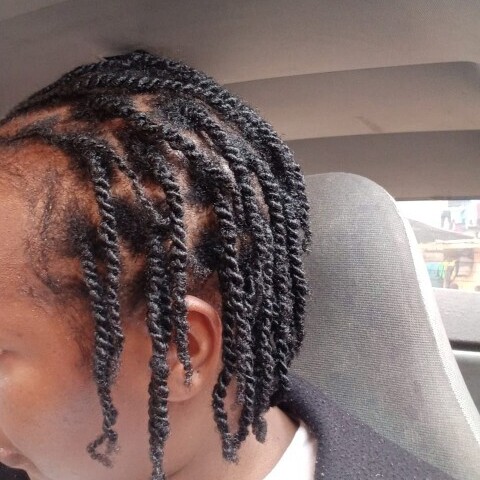
    There are several types of twists to explore and find what works best for you. Classic two-strand twists are perfect for beginners and give a soft, defined look. Flat twists sit close to your scalp, making them great for a more intricate, textured appearance. You can mix and match styles to suit your mood or occasion.

    One of the biggest perks of twist outs is the magic they bring to natural hair. They help preserve your hair’s health by minimizing breakage and excessive handling. Embracing this style means you get to enjoy amazing definition, extra body, and endless styling options without the commitment or damage of more labor-intensive methods.

    Step-by-Step Guide to Perfecting Your Twist Out

    Getting ready for a twist out means starting with clean and conditioned hair. It’s all about setting the stage for your strands. A gentle shampoo followed by a moisturizing conditioner will do wonders. Once your hair is clean, it’s crucial to detangle it properly using a wide-tooth comb or your fingers to prevent any snags during twisting.

    Choosing the right product is like finding the perfect partner for your curls. Look for moisturizers, gels, or creams that provide ample hold without making your hair stiff. These products are your best friends for maintaining a juicy, defined twist out. Experiment with a few to see which one vibes with your hair texture and gives you the bounce and definition you’re after.

    The actual twisting can be a bit of a learning curve, but trust yourself, and you’ll get there. Starting with damp hair, divide it into sections that work for you. Smaller sections often mean more definition. Twist each section tightly, making sure to secure the ends to lock in the style. Your hair will thank you later.

    Patience plays a key role in the drying phase. Air drying is ideal, but if you’re pressed for time, a hooded dryer does the trick without sapping moisture. The waiting game is real, yet it’s well worth it to ensure your twist out comes out defined and long-lasting. Timing this right is crucial for success, so resist the urge to unravel too soon.

    Maintaining and Styling Your Twist Out for Longevity and Variety

    Keep those stunning curls in check with a simple yet effective night routine. Covering your hair with a satin bonnet or scarf can make a huge difference in maintaining moisture and preventing frizz. It’s your hair’s best friend while you catch some Z’s, making sure those twists stay on point.

    The big reveal of your twist out deserves some attention, too. When ready, unravel each twist gently to avoid any disruption to your hard-won definition. A little oil on your fingers can help reduce friction, letting those curls spring forth full of life.

    Wanna change things up? Twist outs offer endless styling opportunities. Whether you’re twisting, pinning, or braiding, you can easily transform that twist out into a chic updo or a playful braid-out. This style flexibility keeps your look fresh and exciting without much hassle.

    Sometimes, things don’t quite go to plan. Frizz, loss of definition, or uneven curls can sneak up, but don’t stress. A touch of styling cream or spray can help bring back some bounce. It’s all about trial and error, and finding what works for your unique texture is part of the journey.

  • Tips For Creating Volume And Fullness In Afro 4c Hair

    Afro-textured hair is one-of-a-kind, with its tight curls and coils providing endless styling possibilities. Those unique curl patterns, while completely fabulous, can sometimes make achieving the voluminous look a bit tricky. But here’s the secret: understanding your hair’s structure is key. Embrace those curls! It’s all about working with what you’ve got to bring out your hair’s natural fullness.

    Keeping your hair hydrated is like giving it a tall glass of water on a hot day. Imagine the bounce and vitality of moist curls compared to dry ones. Moisturization is critical. Well-hydrated hair stands fuller and is far more resistant to breakage. Grab those deep conditioners and moisturizers that work best for you and never skip your routine.

    Choosing the right products can make a world of difference. Lightweight oils, volumizing mousses, and curl-enhancing creams are worth stocking up. They add that luscious volume without turning your hair into a greasy mess. Always check the labels and try to go for those tailor-made for your hair type.

    Styling can be your best friend when you’re gunning for volume. Techniques like twist-outs, braid-outs, or using flexi-rods can turn flat hair days into full-fledged crown moments. It’s all about giving your curls something to hold on to so they can rise to the occasion. Practice it once, nail it, and watch your hair defy gravity!

    Now, health and nutrition—let’s chat about it. What you eat impacts hair more than you might think. Loading up on a diet rich in vitamins and minerals can make your hair thicker and more robust. It’s like DIY hair care from the inside out. So, go ahead, add some greens to that plate!

    Avoiding over-manipulation might just be the MVP of maintaining fullness. No need to tug or fight with your hair. Combat the urge to overuse heat tools too. Low manipulation and heat can work wonders for keeping that volume intact. Your hair is a treasure—handle it with care.

    Everyone can benefit from tips straight from the pros. Stylists who focus on Afro hair have tricks up their sleeves that can make life easier. And hearing from others who have achieved killer volume can be super inspiring. It’s proof that your dream hair is totally within reach.

  • Shea Butter Vs Coconut Oil For African 4c Hair Growth

    African hair, known for its unique texture and incredible versatility, often needs extra care due to its tendency to be dry and fragile. Hair growth challenges like breakage and slow growth can sometimes feel overwhelming, but two natural ingredients stand out for nurturing these strands: shea butter and coconut oil.

    Shea butter, harvested from the nuts of the shea tree found in West Africa, is a powerhouse of moisture and nourishment. Packed with vitamins like A and E, it’s known for healing and improving hair health. Its thick consistency is perfect for sealing moisture in, making it a favorite for those with thicker or coarser hair textures.

    On the other side, coconut oil, derived from mature coconuts, is famous for its ability to penetrate the hair shaft. Unlike shea butter, coconut oil’s structure allows it to seep into the hair, reducing protein loss and improving strength from within. It’s loaded with lauric acid, which not only nourishes the scalp but also conditions the hair.

    When it comes to moisturizing properties, both shea butter and coconut oil can be beneficial, but their impact varies depending on what your hair specifically needs. Shea butter is fantastic for locking in moisture and adding a heavier layer of protection. Coconut oil, with its deep-penetrating qualities, is great for people looking to strengthen their hair and improve scalp health.

    The interaction of these oils with the hair can differ significantly, too. Shea butter tends to sit on the hair shaft, providing an external barrier against dryness. In contrast, coconut oil’s ability to penetrate means it helps nourish from within, making the hair more resilient over time.

    When choosing between these two, consider what your hair craves. Do you need that thick, protective layer that holds moisture in? Shea butter might be your match. Or if your hair feels brittle and needs strengthening from the inside out, you might opt for coconut oil.

    Some folks even find success in using both, layering coconut oil first for its penetrating qualities, and topping it off with shea butter for that extra moisture-lock. This combo approach can give you the best of both worlds.

    Additionally some individuals cannot use coconut oil for their hair as there’s not much impact, therefore it’s better to use the oil that works well for you.

    Shea butter does not have a strong smell like coconut and can sometimes sit on your hair if you do not rub it on your hands. Coconut oil is light and disappears easily on your hair. I have written a lot about how to assess your hair type because this will also help you in knowing which oil to use for your hair.

    Which one do you prefer, coconut oil or shea butter?

  • Natural Remedies For Strengthening Hair Follicles

    Hair follicles are these tiny but mighty structures underneath your skin, playing the starring role in growing and maintaining those lush locks. They’re more than just a part of your scalp; they’re living, breathing parts of your skin, responsible for forming every strand of hair you see.

    When hair follicles face trouble, we notice it in the form of hair thinning, falling, and overall unhealthy hair. Factors like genetics, stress, diet, and even your haircare routine can throw these follicles off their game. Spotting issues might include things like excessive shedding, more hair in your brush, or even patches where your hair seems to be thinned out.

    It’s crucial to not just look at what’s happening on the surface, but to dig into why it’s happening. Hair follicle woes often stem from structural problems within the follicle itself. Whether it’s inflammation or hormonal imbalances, understanding these roots helps in figuring out how best to tackle them.

    By diving into the scientific side, we uncover that hair follicles regenerate in cycles. They go through growing, resting, and falling out phases. Knowing this can explain why sometimes our hair feels thicker or thinner at different times. Strengthening these cycles naturally can lead to healthier hair overall.

    Dietary Changes for Nutrient-Rich Stress Management

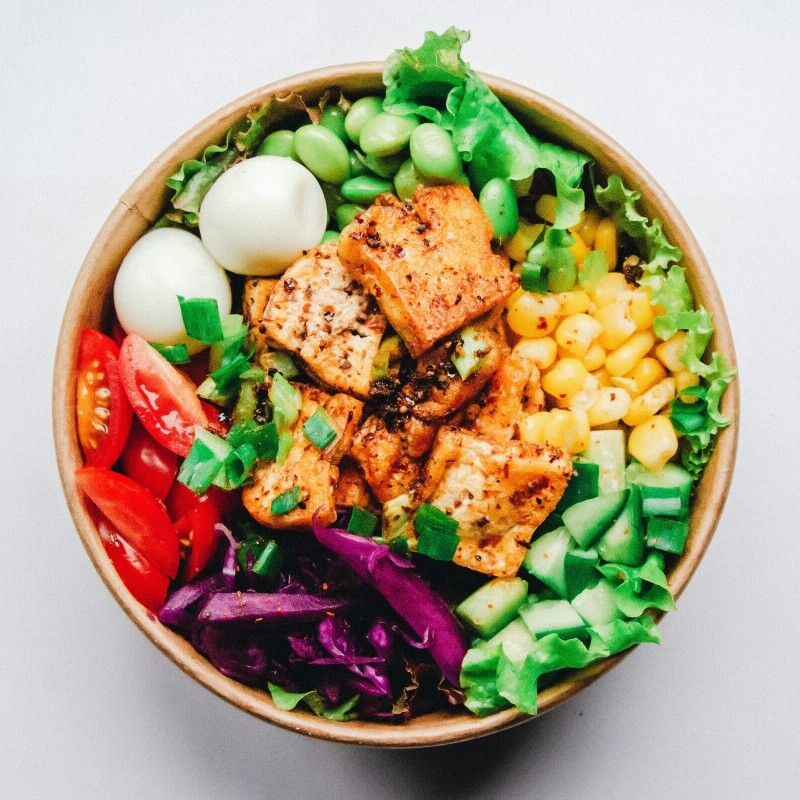
    When it comes to strengthening hair follicles, what’s on your plate can make a huge difference. The vitamins and minerals you consume can be your hair’s best friends or worst enemies. Key players for stellar hair include biotin, zinc, iron, and Vitamin E — think of these as the backbone to strong and healthy strands.

    Your diet should feature a lineup of foods rich in these nutrients. We’re talking about eggs, nuts, spinach, and beans — all packed with the good stuff your hair loves. These foods help rejuvenate the follicles and promote a shiny, vibrant mane.

    Stress is another sneaky one that can wreak havoc on your hair. It disrupts the natural growth cycle and weakens the follicles over time. Finding natural stress busters is essential. Herbal teas, meditation, and outdoor activities can offer a fresh breath of relief to both you and your hair.

    And let’s not underestimate the power of good ol’ H2O. Staying hydrated keeps your hair from becoming brittle and prone to breakage. Drinking enough water daily is like giving your follicles a tall glass of hydration that keeps them robust and ready to grow.
    Herbal Treatments and Topical Applications

    Nature’s bounty offers a treasure trove of ingredients that can bolster your hair follicle health. Aloe Vera is a superstar here, known for its soothing properties. Applying Aloe Vera gel directly to your scalp can reduce inflammation and provide a nurturing environment for your follicles to thrive.

    Rosemary oil works like magic for the uninitiated. By enhancing blood circulation in the scalp, it keeps your follicles well-fed and happy. A few drops mixed with a carrier oil, massaged onto the scalp, can invigorate hair growth from the roots.

    Then there’s green tea, which isn’t just for your cup. Rich in antioxidants, a green tea rinse can breathe new life into tired follicles. Brewing a pot, letting it cool, and using it as a final rinse after shampooing can give your scalp the antioxidative boost it craves.

    If you’re feeling crafty, why not whip up some DIY hair masks? Ingredients like honey, yogurt, and coconut oil are not only found in your kitchen but also serve as excellent scalp supplements. These masks can nourish your scalp, energizing follicles from the outside in.

    Holistic Practices for Supporting Scalp Health

    Taking care of your scalp goes beyond what you eat or apply topically. Acupressure and scalp massage are simple yet powerful techniques in your hair care arsenal. Massaging your scalp with your fingertips can stimulate those follicles, promoting blood flow and nutrient delivery directly where it counts.

    Incorporating exercise, like certain yoga poses, can encourage the circulation needed for healthy hair growth. Poses that promote circulation and relaxation can help screen off stress and increase blood flow all at once.

    Mindfulness practices can also offer a hand in reducing stress, which, as mentioned earlier, can wreak havoc on your hair growth cycles. Practices like deep breathing and meditation not only calm your mind but fortify your follicles indirectly, keeping your scalp healthy and strong.

    Sleep isn’t just about catching some z’s; it’s a critical time when your body, including your hair, undergoes repair and regeneration. Ensuring a good night’s sleep can help keep everything, including your hair cycles, in balance.

    Expert Insights and Personal Stories

    Experts in dermatology and trichology have much to say about nurturing hair follicles naturally. These pros often emphasize the importance of a balanced approach combining topical treatments and healthy lifestyle choices. Whether it’s through interviews or panel discussions, their advice always points back to consistency and mindfulness in care routines.

    Hearing from others who’ve embarked on their own hair health journey can be hugely motivating. Real-life success stories from folks who’ve seen noticeable improvements offer valuable lessons and tips. These stories do more than inspire; they remind us that patience and dedication are key.

    In the information age, separating fact from fiction is a vital skill. Myths about hair care can easily derail your efforts, so relying on trusted sources and expert advice is essential to ensure you’re on the right track. With plenty of misinformation floating around, always question and verify before trying something new.

    Deciding when to seek professional help is also a crucial part of your hair journey. If natural remedies aren’t delivering the desired results or if you’re facing severe issues, a consultation with a professional can provide tailored solutions. They can offer therapies or treatments that work specifically for your hair type and condition.

  • Styling Tips For High Porosity Hair

    High porosity hair usually means your hair is like a sponge—soaking up moisture but losing it just as fast. You might notice tangled hair or frizz more often. This kind of hair often feels dry and rough, and struggles to hold onto color or style.

    Ever wondered why your hair drinks up products so fast yet feels dry soon after? Factors like humidity, too much heat, and chemical treatments can increase your hair’s porosity. So if you’ve been swimming in pools a lot, using heat tools, or coloring your hair often, it might be more porous than you think.

    Living with high porosity hair means dealing with constant dryness, quick color fading, and even breakage. It’s like being on a moisture rollercoaster where your hair can go from hydrated to dry in no time.

    So how can you tell if you’ve got high porosity hair? A simple water test can help. Drop a hair strand into a glass of water—if it sinks quickly, chances are, your hair has high porosity. Or you might simply notice that while your hair absorbs products fast, it never feels fully moisturized. This was something that I did a long time back to determine my hair porosity.

    Essential Hair Care Routine for High Porosity Hair

    When you’re dealing with high porosity hair, having a solid hair care routine is like your secret weapon. It’s all about finding the right balance to keep your hair looking its best without overwhelming it. The first step? Choosing a shampoo and conditioner that work for your hair type. Think sulfate-free shampoos that cleanse without stripping away the much-needed moisture.

    Deep conditioning isn’t just a treat—it’s a necessity. These conditioners help seal the gaps and holes in the hair shaft, allowing your locks to hold onto moisture much better. A weekly deep conditioning session can transform how your hair feels and looks.

    Protein is another hair essential. Since high porosity hair often means your hair has little gaps, protein treatments can help fill those spaces, strengthening your strands. But like anything, too much of a good thing can turn bad. So, listen to your hair and notice when it needs a breather from protein treatments.

    Avoid some common traps like using overly heavy products that can weigh your hair down or neglecting a balanced routine by focusing too much on moisture or protein alone. Every now and then, check in on your hair’s health to assess what it needs. By mixing knowledge with a little TLC, your high porosity hair will stay on the right track.

    Moisture Retention Techniques for Optimal Hair Health

    Keeping high porosity hair hydrated is like keeping a plant watered. Your hair drinks up moisture, but it needs help to hold onto it. This is where moisture retention techniques come in.

    Two popular methods to lock in moisture are the LOC (Liquid, Oil, Cream) and LCO (Liquid, Cream, Oil) methods. It’s all about layering products in the right order to seal the moisture in your hair strands.

    Home remedies can also help your hair stay moisturized. Ingredients like honey, avocado, or aloe vera can give your hair the hydration boost it craves without commercial product overload.

    Too much of a good thing can lead to over-moisturizing. Overdoing it with oils and creams might weigh down your hair or make it feel greasy. Balance is key, and knowing when to dial it back can make all the difference.

    Heat isn’t always the enemy, but it’s important to partner with a good heat protectant. Using a protectant can prevent further moisture loss and help retain your hair’s health even when styling.

    Styling Tips and Tools for High Porosity Hair

    Styling high porosity hair so it looks fabulous without further damage can be a balance. Opting for hairstyles that play nice with your hair’s porosity can help minimize stress and damage while looking super chic.

    Protective styles like braids, twists, or buns can do wonders by shielding your hair from elements and reducing breakage. Plus, they’re a great way to switch things up without needing heat or excessive product.

    When it comes to tools, picking the right comb or brush is major. Choose options with wide teeth or specialized bristles to detangle without causing breakage.

    While heat styling isn’t completely off-limits, approach it with caution. Limiting the use of hot tools and opting for lower temperature settings can prevent excess moisture loss. When in doubt, air drying is the gentler choice.

    Avoid styling techniques that pull or tug harshly on your hair. Tight hairstyles can lead to unwanted stress and further damage to porous strands.

    Think of styling as part of your hair’s overall care plan. Each style, tool, and product choice can make a big difference in how strong and healthy your hair can become.

    Embracing Your Natural Hair Texture and Shedding Self-Doubt

    When it comes to high porosity hair, embracing your natural texture can transform how you see yourself in the mirror. Confidence grows when you accept and love your hair for its uniqueness, rather than trying to change it.

    Connecting with communities that celebrate varied hair textures can offer valuable resources and support. Online forums, social media groups, or local meetups can be fantastic places to share experiences, tips, and positive vibes.

    There are many misconceptions out there about what hair “should” look like. Letting go of societal pressures and those perfect hair myths can be empowering.

    Hearing others’ stories about living with high porosity hair can be inspiring. Everyone’s journey is different, and learning from those who share similar experiences can offer fresh perspectives and advice.

    Remember, your hair is just one part of what makes you unique. Embrace it and the confidence it can bring, walking with a little extra bounce in your step knowing you’re owning your natural beauty.

  • Common Misconceptions About 4c Afro Hair

    Afro hair isn’t just a hairstyle; it’s a vibrant tapestry woven with history and culture. It’s been around for centuries, telling stories of identity, resistance, and creativity. Dive back into ancient times, and you’ll find that Afro hair has played significant roles in African societies. It was often styled to indicate tribe, age, religion, and even social status.

    Many traditional African hairstyles are not only visually stunning but also deeply symbolic and meaningful. From the intricate detail of cornrows, which could signify a warrior ready for battle, to the regal presence of the locks, linking one’s spirituality and connection to the earth. Each style holds a story that’s been passed down through generations.

    Afro hair traditions have had far-reaching effects globally, particularly in the Caribbean and the Americas, thanks to the transatlantic slave trade. As African slaves were brought to new lands, they carried their cultural hair practices with them, which have evolved into important cultural movements. The Afro style boom in the 1960s and 1970s served not just as a fashion statement but as a bold emblem of pride.

    These days, Afro hair continues to impact fashion and beauty across the world. From high-fashion runways to everyday street style, you see its influence, challenging traditional beauty norms and celebrating the richness of African heritage. Embracing Afro hair means acknowledging its powerful legacy and understanding its past, which is anything but simple.

    Debunking the Myth: Afro Hair Is Not Unprofessional

    There’s this outdated notion that Afro hair is somehow unprofessional, but let’s clarify things here. Afro hair, with its natural curls and kinks, is a dynamic form of expression just like any other hair type. A lot of these prejudices come from a narrow view of what ‘professional’ should look like—views rooted in a mainstream aesthetic that doesn’t always accommodate diversity.

    Over the years, Afro hair has faced unfair discrimination in the workplace. There have been numerous cases where individuals have been judged or even controlled because of their natural hair or traditional styles like braids, locs, and twists. This kind of bias often stems from stereotypes and a lack of understanding, rather than any genuine concern about professionalism.

    Thankfully, there’s a positive shift happening. Laws like the CROWN Act are paving the way for more acceptance by making it illegal to discriminate against Afro hair in workplaces and schools. Such changes reflect society’s growing recognition of cultural diversity, encouraging people to feel free to wear their natural hair without fear of judgment or discrimination.

    The key message? Afro hair is as professional as any other hair type. Rocking a natural look shouldn’t limit anyone’s opportunities or how they’re perceived. Celebrating Afro hair in the office isn’t about challenging norms – it’s about redefining them to be more inclusive. It’s a shift towards recognizing that professionalism comes in many shapes and styles, and authenticity has real value in the workplace.

    Afro Hair Is Versatile, Not Limited

    Afro hair has a world of possibilities beyond what many people expect. It’s not just about the classic Afro puff or the tightly coiled curls; in fact, the styling potential of Afro-textured hair is almost boundless. From protective styles like twists and braids to edgy looks like Bantu knots and mohawks, Afro hair can do it all.

    One of the fantastic things about Afro hair is how easily it can transition between different looks, offering a playground for creativity and expression. This kind of versatility stems from the unique texture of the hair, which holds styles exceptionally well. Ever seen a beautiful cascading waterfall of curls one day and a sleek Bantu knot crown the next? That’s the magic of Afro hair.

    While these styles are often steeped in cultural significance, they’ve also stormed the runways and the red carpet, influencing global fashion trends. Celebrities and influencers have been pivotal in showcasing the elegance and diversity of Afro hair, inspiring others to embrace their natural textures.

    Let’s not ignore the innovation required for Afro styling techniques, from intricate cornrow patterns to long, elegant locs. It’s not just changing your look; it’s about exploring a wide range of styles that feel right for you. Embracing this versatility encourages more freedom of expression and strengthens cultural identity, helping to enhance the beauty and proud history associated with Afro hair.

    The Truth About Afro Hair Care and Maintenance

    Taking care of Afro hair is a journey that often involves a bit of learning, given the unique structure and needs it has. There’s a common misconception that Afro hair is resilient to all conditions, but it actually requires just as much love and attention as any other hair type.

    Afro hair is typically more prone to dryness because its curls and coils make it harder for natural oils to travel from the scalp to the ends. This means that moisturizing is key. Products rich in natural oils like shea butter, coconut oil, and jojoba oil can work wonders in keeping those curls hydrated and looking their best.

    There’s also a myth that Afro hair can’t be washed frequently. Sure, it’s a balancing act – too much shampooing can strip away essential moisture, but proper buildup removal is also crucial. Finding the right wash schedule that keeps the hair clean and healthy without overdrying is essential.

    Going natural, many have found solace in hair care brands specifically formulated for Afro-textured hair. These brands celebrate and cater to its unique needs, offering products that enhance hair health while being free from harsh chemicals that may cause damage.

    Learning the right techniques is important. Whether it’s detangling with care using a wide-tooth comb, or protective styling to minimize breakage, there’s a rhythm to Afro hair care that, when mastered, opens up a world of styling possibilities that keep hair strong and vibrant.

    Afro Hair and Cultural Identity: More Than Just Aesthetic

    Afro hair goes beyond the surface as a powerful part of cultural identity. It’s not just about how it looks; it’s about what it represents for those who proudly wear it. From the intricate styles passed down through generations to the modern adaptations we see today, Afro hair is a symbol of cultural pride and resilience.

    In many communities, how one wears their hair is a form of self-expression and cultural celebration. It’s a statement of identity, a visual way of connecting with cultural roots. For many, maintaining traditional hairstyles connects them to their ancestors and gives them a sense of unity and belonging.

    Afro hair has also served as an act of resistance. During times when natural hair was not embraced, wearing it authentically became a form of defiance against the assimilation into mainstream beauty ideals. Movements like Black Power in the 1960s and 70s saw Afro hair as a bold statement of pride and empowerment. The movement didn’t just champion the aesthetics but sought to redefine societal norms surrounding beauty and identity.

    Today, there’s a growing community movement centered around embracing and educating others about Afro hair. Social media platforms have become dynamic spaces where people share styles, tips, and stories, fostering a supportive environment that encourages all to embrace their natural beauty.

    Celebrating Afro hair isn’t only about honoring the past; it’s about recognizing its role in shaping identity today and its continuing impact on future generations. It’s about understanding that Afro hair carries with it narratives full of history, pride, and strength. By embracing Afro hair, you’re also honoring the stories and cultural richness that come with it.

  • Traditional Hair Care Practices In Africa

    African hair care traditions have such depth and variety. Every culture or tribe you touch upon has its own unique way of handling their hair. From the Maasai in East Africa to the Himba in Namibia, each community offers something distinct and beautiful that has been crafted and refined over generations.

    Historical context plays a key role in these hair care practices. In many African societies, hairstyles aren’t just about aesthetics—they’re a critical part of a person’s identity. Hair often signals status, age, and even marital status. It’s like every strand has a story to tell.

    Oral traditions are the unsung heroes here, passing on knowledge from grandmother to mother to child. These stories and teachings about hair care aren’t just instructions; they’re pieces of history woven into everyday life. You learn why certain ingredients are treasured or why particular styles emerged.

    Over the years, despite external influences trying to impose different standards of beauty, these traditions have persisted. They stand as a resilient part of African heritage, showcasing how deeply rooted and cherished these practices are. When you embrace these traditions, you’re not just caring for hair; you’re celebrating a cultural legacy.

    Natural Ingredients: The Secret Behind Beautiful African Hair

    When it comes to keeping hair healthy and vibrant, Africa’s nature provides a rich bounty of ingredients. From the lush shea butter of West Africa to the nutrient-packed coconut oil found in coastal regions, these natural ingredients have been hair care champions for centuries.

    Shea butter’s not just a moisturizer; it’s an all-star. Packed with vitamins and fatty acids, it can combat dandruff and add sheen to hair. Shea butter stands among the most cherished ingredients because of its versatility. You can use it to hydrate, as a base for a homemade hair mask, or even to style your curls the way your grandma taught you.

    And black castor oil? Let’s just say it’s not your average oil. Known for promoting hair growth and keeping the scalp healthy, this oil finds home in beauty routines far beyond Africa’s borders nowadays.

    Then there are the hidden gems like baobab oil or marula oil, lesser-known to many but cherished locally. Baobab oil, with its omega-rich content, works wonders for dry hair, while marula oil gives that velvety touch to the hair strands.

    The choice of ingredients is often influenced by the local environment. In areas with drier climates, options like argan oil or aloe vera help retain moisture and combat hair dryness.

    Incorporating these natural treasures into your hair care routine is like giving your mane a taste of Africa’s heart and soul. It’s more than just care; it’s a connection to nature and history, offering timeless benefits that are as relevant today as they’ve ever been.

    Rituals and Techniques: Mastering Traditional African Hairstyles

    Braiding and weaving aren’t just skills; they’re artistry passed down through generations, each twist and turn telling a part of history. From intricate beadwork to vibrant-colored threads, these styles aren’t just about looking good—they hold cultural significance that runs deep.

    Understanding different braiding techniques, like cornrows and Senegalese twists, involves tapping into a rich tapestry of cultural expression. Each braid can carry a different meaning, whether it’s a new stage in life or a clan’s symbol.

    The care and craftsmanship involved in these styles are meticulous. The techniques often require hours of attention and skillful fingers, paying homage to ancestral practices that celebrate patience and precision. Women often gather in social settings, where styling becomes a communal activity, fostering bonds and community.

    Maintaining these hairstyles involves specific techniques to ensure they last and look fresh. Using natural oils mentioned earlier, like shea butter, helps with locking in moisture while giving the hair a healthy sheen. Plus, tying hair up at night helps keep the style intact, showing that traditional hair care involves both creation and maintenance.

    Exploring these styles isn’t just about having a unique look—it’s about participating in an age-old tradition that champions identity, family, and heritage. Anyone embracing these practices taps into the collective wisdom and beauty passed on through time.

    The Role of Hair in African Identity and Cultural Expression

    Hair in African cultures extends far beyond style—it’s an expression of identity and a cornerstone of cultural storytelling. This connection to heritage shows how deeply personal and communal hair care practices are in African communities.

    For many, different hairstyles signify religious beliefs, social status, or tribal affiliations. Hairstyles can also indicate critical life transitions, like an initiation ceremony or marriage. Sporting a specific braid or design isn’t just a style choice; it’s a badge of honor and pride.

    The African diaspora has played a significant role in spreading these hairstyles globally. In new countries, African communities have used hairstyles as a way to keep their identities alive, and to share their rich cultural backgrounds with others around them.

    Hairstyling often forms a cornerstone of major life events. Whether it’s celebrating a childbirth, a wedding, or coming of age, hair signifies these milestones in vibrant, meaningful ways. It’s like a silent language that speaks volumes, connecting the past with the present.

    Even in everyday life, hair represents more than just physical appearance—it’s a form of personal expression and a link to the broader cultural tapestry. Embracing these practices is akin to taking part in a living, breathing tradition that bridges generations and continents.

    Modern Influences and the Renaissance of Traditional Hair Practices

    Today’s African hair care scene is a vibrant blend of tradition and modern innovation, thanks to cultural exchange and the information age. As people move across borders and cultures intertwine, traditional practices have found new audiences and inspirations. This cultural fusion is like a renaissance that breathes fresh life into age-old methods.

    Social media and popular culture have given traditional African hairstyles and hair care methods a global platform. Influencers and celebrities showcasing these styles help break down stereotypes and promote diversity in beauty standards. With each post and video, they celebrate the beauty and complexity of traditional African hair practices on a global stage.

    New products and technologies, like curl-definition enhancers or heat-protectant sprays, complement traditional methods, offering more options for styling and care. These innovations make it easier to maintain intricate hairstyles while preserving their integrity and cultural significance.

    These modern tweaks don’t replace the traditional knowledge passed down but enhance it, making these styles easier to access and maintain in today’s fast-paced world. This dynamic blend of old and new keeps the rich heritage of African hair care not only alive but thriving in contemporary society.

    Embracing this evolution means acknowledging the versatility and resilience of African hair traditions. It means participating in a cultural celebration that honors the past, enriches the present, and inspires the future.