Author: admin

  • How To Achieve Defined Twist Outs

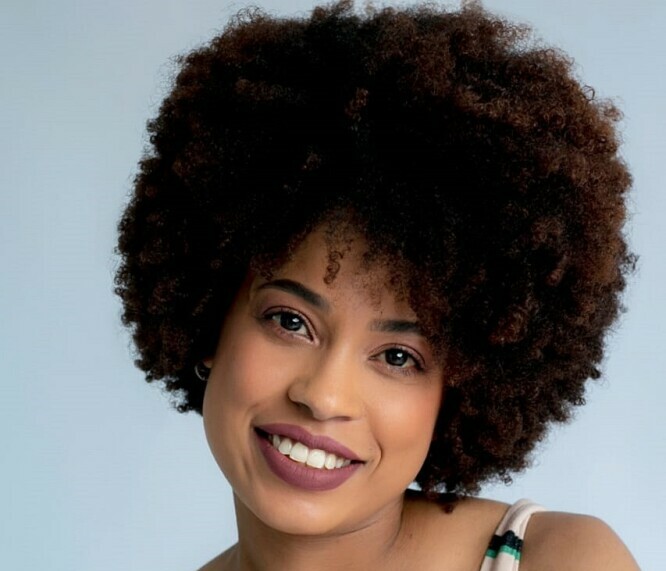
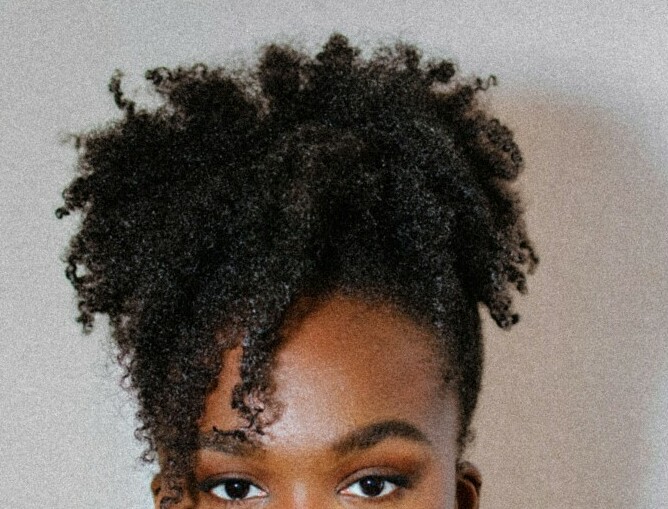
    Imagine waking up to bouncy, defined curls that frame your face and make you feel like a natural hair model. That’s the magic of twist outs, a go-to style for those looking to enhance and celebrate their hair’s innate texture. Twist outs involve twisting sections of wet or damp hair and then unraveling them once dry, to reveal beautifully defined and voluminous curls.

    In the natural hair community, twist outs aren’t just about style; they’re also a declaration of hair health and texture appreciation. Given their versatility, they work for an array of hair types – from loose waves to the tightest of coils. The appeal lies in the ability to morph your natural pattern into more defined spirals or waves, all while maintaining the hair’s integrity.

    But the perfect twist out doesn’t come without a little know-how. It’s about more than just twisting strands; it’s about understanding your hair’s needs, choosing the right products, and mastering the technique. Fortunately, I’m here to guide you through each step. By the end of this article, you’ll know how to set your hair up for success from the prep phase to the final, stunning reveal.
    First things first, let’s talk about the foundation of any great twist out – preparation. You’re going to find out about selecting the proper products for your hair type, the importance of beginning with a clean slate, and the pre-styling must-dos that make all the difference. Let’s set the stage for your best twist out yet.

    Preparation: The Key to Perfect Twist Outs

    I’m going to walk you through the crucial preparation stage for achieving a defined twist out. It all starts with choosing the right product arsenal for your specific hair texture. You’ll find market shelves lined with creams, gels, and butters, but the trick is to select those that cater to your hair’s needs. Are you working with coily, curly, or wavy hair? Each type may require different levels of hold and moisture.

    Don’t worry too much about trial and error. Your first attempt at product selection doesn’t need to be your last. It’s about finding what resonates with you and your hair’s unique personality.

    Now, let’s talk hair prep. It’s not just about having clean hair, it’s about thoroughly detangled hair that’s been infused with moisture. Deep conditioning treatments or leave-in conditioners are not just good-to-have; they’re essential for priming your hair for twists that stay defined and resilient.

    Parting your hair is the next step and it’s going to include decision-making. Do you want lots of small twists for tighter definition or fewer, chunky twists for a looser look? Whatever you choose, consistent parts are your best friend for even twist outs.

    Finally, we’re going to touch on the importance of hair porosity in this preparation phase. Understanding your hair’s ability to absorb and retain moisture is going to have a significant impact on the outcome of your twist-out. Choosing products that align with your porosity can make or break the definition you’re aiming for.

    Mastering the Technique: Twisting Your Way to Definition

    Creating the perfect twists is both an art and a science. To begin, make sure your hair is still slightly damp and apply your chosen twist cream or butter. Working in sections, apply the product from roots to tips, ensuring even coverage for maximum moisture and hold.

    Normally once I have sectioned the hair, I make sure that I put in my leave-in product it can be cantu shea butter or even coconut oil because you want your hair to have shine after you unravel it.

    When twisting, take two strands of hair and wrap them firmly around each other from roots to ends. Be consistent with the tension; too tight and you risk breakage, too loose and the twists won’t set properly. Aim for uniform size in each twist to guarantee a consistent pattern in your final twist out.

    Once you’ve finished a twist, you can either let it hang freely or secure the ends to keep them from unraveling. Some people find that using a small curler or rod on the end can help define the twist further and prevent the ends from fraying.

    If you plan to leave your twists in overnight, protect your hair by wrapping it in a satin or silk scarf or bonnet. This reduces friction with your pillow and helps maintain the moisture you’ve locked in with your products.

    Common mistakes include rushing the process, not using enough product, or failing to properly detangle before you begin. Take your time, ensure each section is smooth before you twist, and you’ll be rewarded with a more defined final look.

    The Big Reveal: Maintaining and Styling Your Defined Twist Out

    Okay, the twists are settled, and you’re ready to marvel at your work. Unravel each twist gently to keep that definition you’ve worked so hard to achieve. It’s all about the technique here—twist them in the opposite direction and allow them to naturally separate. Patience is your ally.

    Once you’re done untwisting, you might notice that your hair looks pretty good, but you’re after greatness! Now, use your fingertips to fluff at the roots to inject some serious volume. However, don’t get too zealous with the fluffing; we’re preserving that hard-earned definition, remember?

    Here’s the thing about a brilliant twist out—it doesn’t stop after the unveiling. Day-to-day maintenance is crucial. Wrap your hair up in silk or satin before bed to minimize frizz. In the morning, a little oil or water can refresh your style without weighing it down.

    Despite your best efforts, sometimes twist outs have a mind of their own. If yours isn’t as defined as you hoped, don’t stress. Use this as an opportunity to experiment. Try different products, adjust the size of your twists, or even include a braid here and there for a change in texture.

    Like any technique worth mastering, a defined twist out may take a few tries to perfect. But that’s where growth happens—in the doing and redoing. Choose something that resonates with you, adjust your approach as needed, and remember, your first attempt doesn’t need to be your last. Keep at it, and your twist outs are going to reach new levels of fabulous.

  • Quick And Easy Afro Hairstyles For Busy Days

    I’m going to kick things off by talking about the wonder that is afro hair. It’s one of the most versatile hair textures out there, capable of pulling off an array of stunning styles, from the full-bodied ‘fro to sleek braids. Now, while versatility is a huge advantage, it’s also about understanding what works best for your curls, especially on those time-pressed mornings.

    Don’t worry too much about intricate hair rituals when you’re short on time. Protective styling doesn’t just mean elaborate ‘dos that take hours. It’s also about those quick, low-maintenance options that keep your strands safe from damage while looking fabulous. That’s going to include simple styles that maintain moisture, minimize knots, and reduce breakage, which are key for the health of your hair.

    Today, I’m going to be talking about hairstyles that aren’t just about making you look good, they’re about making you feel confident with the least amount of fuss. This includes the ever-dynamic Frohawk, a style that screams chic and doesn’t eat into your busy day. That’s the strategy I like to leverage – maximum impact, and minimal effort.

    Frohawk: The Ultimate Chic Statement

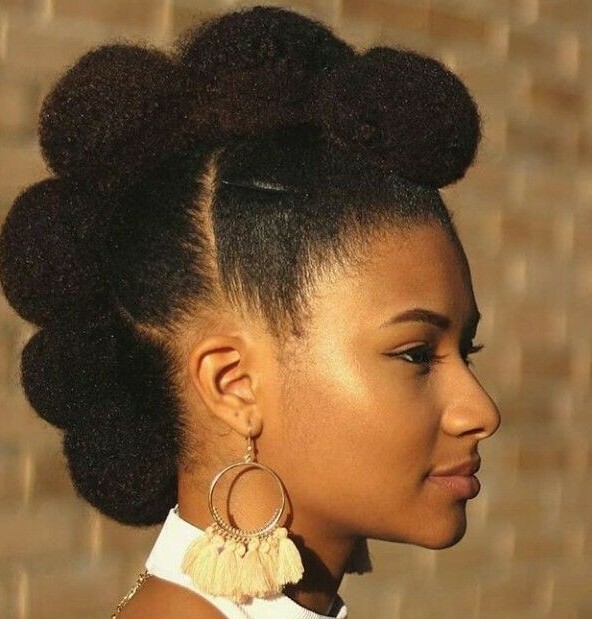
    Now, let’s focus on a hairstyle that screams bold and fierce yet takes minimal effort to create – the Frohawk. This style isn’t just a head-turner; it’s a statement about embracing your natural hair with confidence. The Frohawk essentially combines the moxie of a mohawk with the elegance of an afro, resulting in the ultimate chic statement for any busy individual.

    Getting your hair into a Frohawk doesn’t have to take hours. Here’s how you can pull off this look in a few easy steps. First, you’re going to need a few hairbands, some bobby pins, and potentially some light hair gel or cream for hold. Start by sectioning your hair into vertical rows from forehead to nape, then gently gather each row into a small puff, securing it with a hairband. Work your way from the front to the back until all hair is secured and follow the faux mohawk line.

    For a sleek look, you can always apply a light product to smooth down any stray hairs and add a bit of shine. What’s fantastic about a Frohawk is that it’s highly adaptable. Do you want to add an edge to it? Try incorporating braided or twisted sides. Or maybe you’re in the mood for something more decorative; accessorize with patterned hairbands or unique hairpins to make the style uniquely yours.

    source: Pinterest

    In my opinion, the Frohawk isn’t just a quick fix; it’s a versatile style perfect for a range of occasions. Whether you’re heading to work, out with friends, or to a formal event, this style keeps you looking sharp without eating into your busy schedule. Don’t worry too much about perfection – the Frohawk thrives on a little bit of controlled chaos, making each one uniquely beautiful.

    As you rock your Frohawk confidently, you’ll also want to consider how to keep those curls looking fresh the next day. That’s where the pineapple method comes into play, and it’s a game-changer for maintaining your curls overnight with minimal effort. But, I’m making you wait for the juicy details – they’re coming up next in our guide to quick and easy afro hairstyles.

    The Power of Pineappling: A Go-To Method for Preserving Curls

    The pineapple method isn’t just a tropical treat; it’s a tried-and-true technique for maintaining gorgeous curls with minimal effort. Originally, pineappling was a bedtime routine to protect afro curls, but its application goes beyond just catching Z’s. It’s incredibly handy for keeping your hair out of your face and in prime condition during those ‘no time to spare’ mornings.

    So, what exactly is pineappling? It’s gathering your hair into a loose, high ponytail on top of your head, which resembles the leaves of a pineapple, hence the name. The beauty of this method is that it prevents your curls from getting squashed or tangled while you’re on the move.

    Now, when you’ve got a packed day ahead, the last thing you want is to spend ages on your hair. Pineappling is a savior. It takes just seconds to do, and all you need is a good scrunchie that won’t put too much tension on your locks. If you use a satin or silk scrunchie, you’re also reducing the risk of breakage and frizz.

    When it comes time to let your curls down, a little spritz of water or curl refresher can help redefine any curls that may have loosened up. With your fingers or a wide-tooth comb, gently fluff your hair at the roots to add volume and shake your curls back to life.

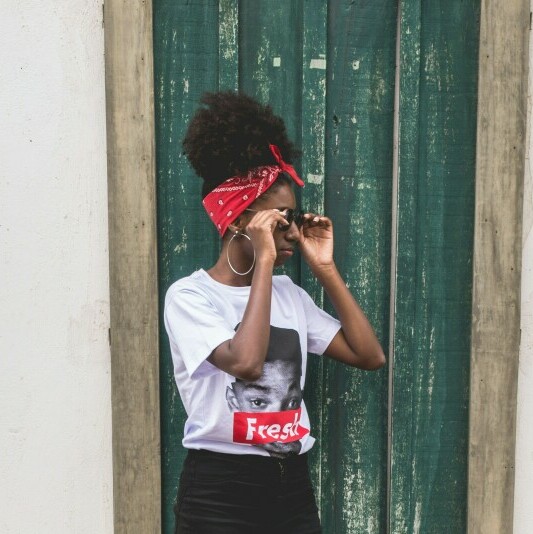
    You’re going to find out more about quick hairstyling in a minute, but before we move on, let’s talk a bit about accessorizing after pineappling. You can always toss in a headband or a colorful scarf for added style. It’s about finding that perfect balance between protecting your hair and expressing your personality.

    Wrapping Up: Beauty and Practicality Combined

    I hope that you’ve found these quick hairstyle ideas both fun and practical. Remember, rocking your natural afro doesn’t have to be time-consuming or complicated, even on your busiest days.

    Choose something that resonates with you. Whether it’s the edgy Frohawk, a time-saving pineapple updo, or the enduring beauty of twists and braids, your hair should be a source of pride, not stress.

    Your first attempt doesn’t need to be your last. Experiment with different styles and accessories, and you’ll discover what works best for you. And don’t worry too much about getting it perfect; each iteration is an opportunity to refine and personalize your look.

    In the end, the goal is to find hair routines that suit your lifestyle and complement your individual beauty. Quick and easy afro hairstyles empower you to face the day with confidence and style. Let your hair reflect your unique spirit – effortlessly beautiful, no matter how packed your schedule is.

    source: Pinterest

    What is your go to hairdo on a day that you want to get somewhere quickly?

  • 10 Gorgeous Updo Styles For Afro Hairstyles in 2024

    Now, when we talk about the myriad of hair textures and types, Afro hair holds a place of pride with its rich texture and voluminous curls. There’s something incredibly freeing about its natural beauty. But, let’s not forget, with great volume comes great responsibility. I’m going to share the ins and outs of understanding your Afro hair a bit better before diving into styling it.

    Afro hair isn’t just a statement of style; it’s steeped in cultural significance. It can be a canvas for personal and cultural expression, symbolizing everything from heritage to modern fashion statements. And when it comes to updos, you’ve got a playground of possibilities. But before you select an updo, it’s crucial to appreciate the unique traits of your curls and kinks.

    If you want to bring out the best in your hair, a little preparation goes a long way. So, what’s the prelude to an amazing Afro updo? Start with clean, moisturized hair to give your updo a smooth foundation. It’s also smart to have the right tools on hand � like wide-tooth combs and gentle hair ties. Don’t worry too much about mastering complex techniques right off the bat. You can always adjust your approach down the road.

    With your hair prepped and ready, you’re about to discover the top updo styles that embrace the individuality and splendor of Afro hair. From the high bun that adds a touch of elegance to every outfit, to the playful pineapple updo that’s great for any occasion, these styles are going to become your new favorites. So, let’s move on to some of the most captivating updos that will make your Afro hair the talk of the town.

    Top 10 Show-Stopping Afro Updo Hairstyles to Inspire Your Next Look

    Afro hair isn’t just about texture and volume; it’s a canvas for artistic expression. I’m going to share ten stunning Afro updo styles that can elevate your look for any occasion. And remember, you can always adjust your approach down the road, so choose something that resonates with you.

    Let’s start with THE CLASSIC HIGH BUN. This timeless look isn’t just easy to achieve, it’s also incredibly versatile. Whether you’re heading to the office or out for a night on the town, a high bun keeps your locks up and out of the way while still making a chic statement.

    Next, there’s the PINEAPPLE UPDO. This is the go-to style if you’re looking to bring a fun, carefree vibe to your day. It’s especially great for showing off your curls’ texture and volume without much fuss.

    How To Pineapple Your Hair | Pineapple Hair Stylespinterest

    Don’t overlook the BRAIDED CROWN. It circles your head like a halo, transforming the everyday into something a touch more divine. In my opinion, it’s a perfect blend between elegance and Afro-centric beauty.

    70 Best Black Braided Hairstyles That Turn Heads | Braids for black ...pinterest

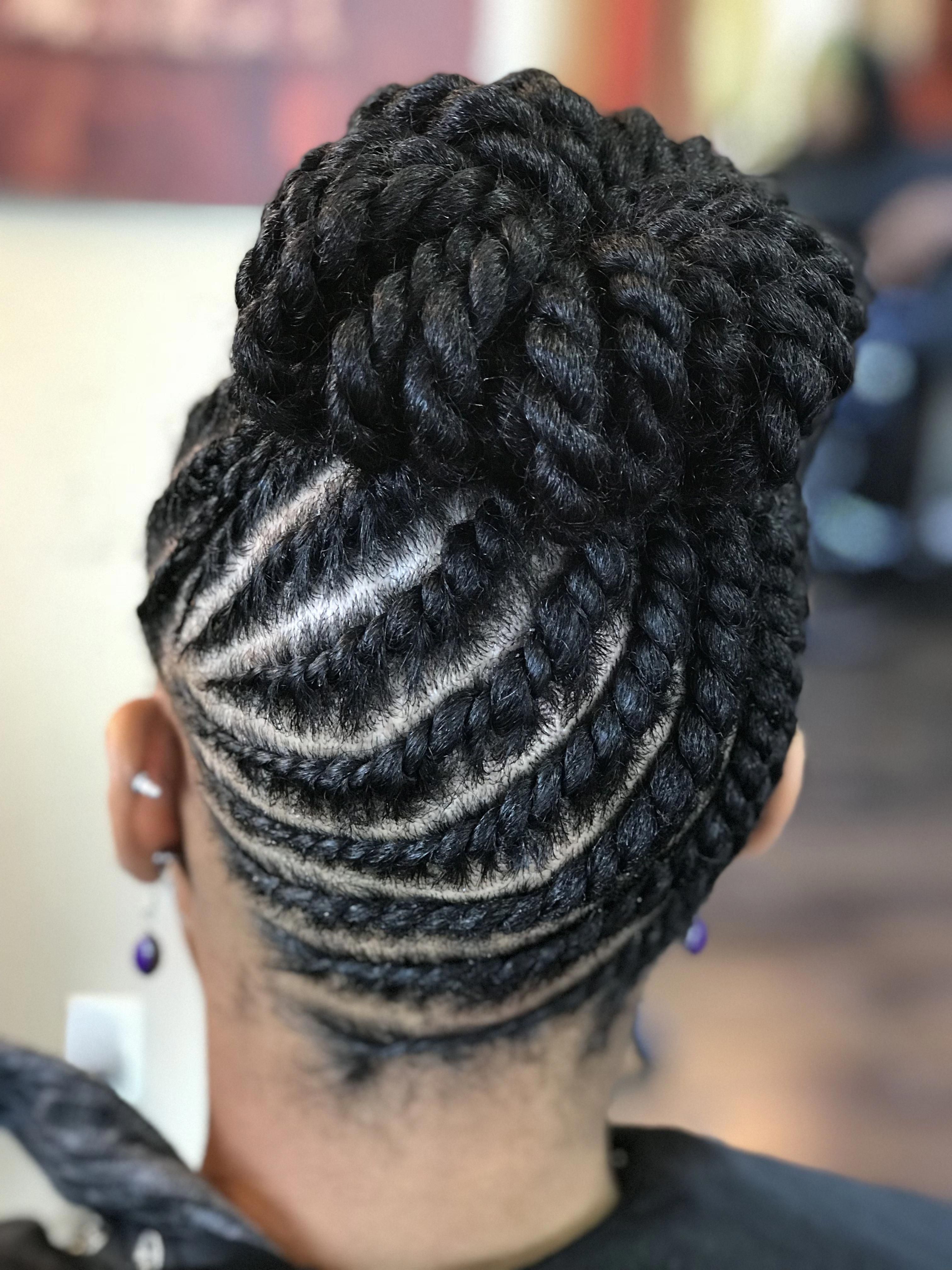
    Considering something more polished? Try the ELEGANT FLAT TWIST UPDO. This style offers sophistication with an edge, ideal for a special event where you want to make a refined yet bold statement.

    pinterest

    If cultural pride is on your mind, BANTU KNOTS UPDO offers a profound nod to tradition. This style is all about neatness and precision, showcasing a series of knots that are both protective and striking.

    20 Best Bantu Knots Hairstyles For All Hair Types To Trystylecraze.com

    For those feeling adventurous, the TWISTED MOHAWK will put you at the center of attention. It’s a bold move that communicates confidence and isn’t afraid to break the mold.

    Natural Braided Mohawk Hairstylesanimalia-life.club

    Why not the best of both worlds? The HALF-UP, HALF-DOWN style allows you to flaunt your curls while enjoying the ease of an updo. This hybrid can adapt to both casual and upscale settings with ease.

    Top 7 half up half down sew in curly hair 2022keyshopee.com

    Then there’s the AFRO PUFF UPDO. Talk about making a volume statement! It’s playful, it’s fierce, and it’s uniquely Afro. Not shy about its presence, this updo says you mean business—and fashion. You can also put two puff’s or as many as you want on your head to create a unique look.

    For a look that’s as intricate as it is striking, the CORNROW UPDO is a go-to. It combines the neatness of cornrows with the freedom of an updo, marrying style and convenience effectively.

    2023 Latest African Cornrows Updo Hairstylesinflexa.com

    Last but not least, the FAUX HAWK. It is unapologetically edgy. If you’re hoping to showcase your individuality and artistic flair, this daring updo checks all the boxes.

    Loving this faux hawk @notoriousnneka - https://blackhairinformation ...pinterest

    With these ten options, there’s no shortage of updo styles to experiment with. In the next section, I’m going to help you with maintaining and protecting your chosen updo. So if you want to keep your style looking fresh and your hair in great condition, stick around.

    Maintaining and Protecting Your Afro Updo: Tips and Tricks

    Now that you’ve styled your Afro hair into a fabulous updo, it’s crucial to know how to keep it looking fresh. You’re going to find out about some of the best practices to maintain your hairstyle and keep your hair healthy.

    For starters, a silk or satin scarf or bonnet should become your best friend come bedtime. This helps prevent frizz and keeps your updo in place while you sleep.

    35'X 61 Inch Red African Satin Head Wrap Dashiki Satin African Head ...pinterest

    In my opinion, consistency is key for daily maintenance. It’s all about keeping your hair moisturized to avoid dryness or breakage. If you want to keep that updo looking pristine, investing in a good leave-in conditioner or a hydrating hair mist will go a long way.

    Don’t worry too much about elaborate routines; opt for a light touch-up in the mornings to address any loose strands, and you’ll be good to go.

    When talking about products, choose something that resonates with you and your hair needs. It’s imperative to use products that nourish your hair without causing build-up. Look for natural oils like coconut or argan oil, which can be lightly applied to the edges of your hair for a glossy finish.

    And if there’s an unexpected rain shower or a windy day on your horizon, don’t hesitate to cover your updo with a stylish hat or hood, or conveniently carry a foldable umbrella.

    Remember, your first attempt doesn’t need to be your last. Play around with different styles and methods until you find what works best for your hair. I really hope that these tips help you maintain your stunning Afro updo and keep your hair in optimal condition.

    Let me know what your best go to style is as well.

    Here’s a little transparency: Our website contains affiliate links. This means if you click and make a purchase, we may receive a small commission. Don’t worry, there’s no extra cost to you. It’s a simple way you can support our mission to bring you quality content.

  • Top 5 Deep Conditioning Treatments For Afro Hair (All hair types)

    I’m here to help you understand why afro hair requires a distinct approach to care. The structure of afro hair is unique, often featuring a tight coil that can sometimes lead to a higher likelihood of experiencing dryness, breakage, and frustrating tangles. Now, this isn’t just about keeping your hair looking good; it’s also about maintaining its health and vitality.

    Deep conditioning is a knight in shining armor for afro hair, playing a pivotal role in keeping strands nourished and resilient. This isn’t a luxury; it’s a necessity. By introducing moisture back into the hair, reducing the risk of breakage, and improving overall texture, deep conditions are integral to the well-being of your hair.

    I’m leaning on advice from experts – trichologists, hairstylists, and those who’ve studied the science of hair – to paint a clear picture of why this care is essential. These specialists highlight that regular deep conditioning treatments can revitalize even the most tired tresses, providing them with the support they need to thrive.

    Criteria for Choosing the Best Deep Conditioners

    I’m going to let you in on a little secret: the best deep conditioning treatments share certain key ingredients that cater specifically to the needs of afro hair. You’re going to find out about ingredients like natural oils, shea butter, and proteins, all of which work wonders for moisture retention and strengthening your hair.

    This isn’t just about slathering any product on your hair; it’s also about steering clear of harsh chemicals that can further strip moisture from your delicate strands. Sulfates, parabens, and excessive alcohols? Don’t worry too much about those buzzwords; I’ll explain why they’re on the ‘no’ list.

    You can always adjust your approach down the road, but understanding hair porosity and texture right off the bat will guide you toward the right product. Choose something that resonates with your hair’s particular character.

    Now, reading labels might not be everyone’s cup of tea, but it’s important to understand product claims. Marketing jargon can be confusing, but I’m here to help you decode the buzzwords, so you’ll know exactly what you’re putting in your cart.

    Personal anecdotes are invaluable, which is why I’ve gathered insights into why people have their ride-or-die brands and formulations. It’s all about real-world results, and in my opinion, that’s the best benchmark for any product.

    Top 5 Deep Conditioning Treatments Recommended by Hair Care Experts

    Finding the right deep conditioner for your afro hair can sometimes feel like searching for a needle in a haystack. But don’t worry too much about going through trial and error. I’ve gathered insights from hair care experts, including trichologists and experienced hairstylists, to bring you this comprehensive list of the top 5 deep conditioning treatments designed to keep your afro hair at its best.

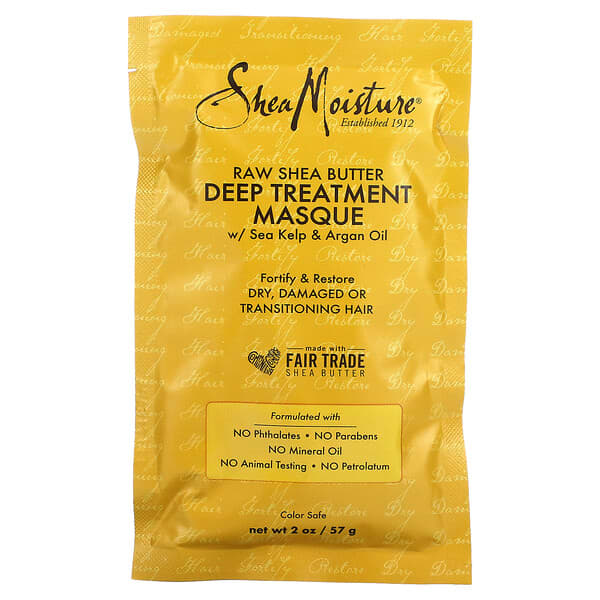
    The first standout product is Shea Moisture’s Raw Shea Butter Deep Treatment Masque. Chock-full of natural ingredients like shea butter, argan oil, and sea kelp, it’s a go-to for folks looking to restore and strengthen their hair. Plus, it’s free from sulphates and other harsh chemicals, which is a huge plus for your hair’s health.

    SheaMoisture, Deep Treatment Masque, Raw Shea Butter, 2 oz (57 g)

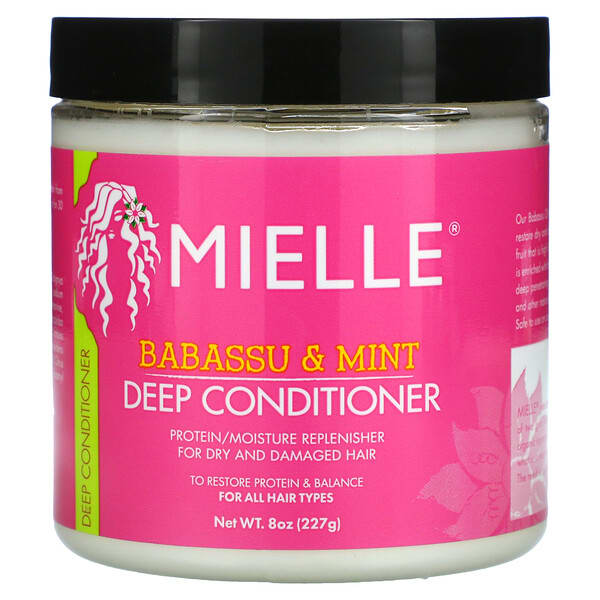
    Next up is the Mielle Organics Babassu Oil & Mint Deep Conditioner. With an organic blend that includes babassu oil and amino acids, it’s been celebrated not just for its deep conditioning properties but also for its protein-moisture balance, which is essential for maintaining afro hair elasticity.

    Mielle, Deep Conditioner, For All Hair Types, Babassu & Mint, 8 oz (227 g)

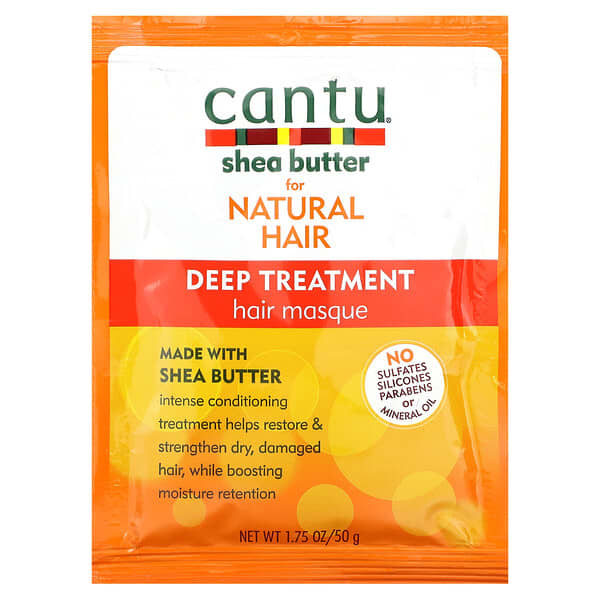
    Cantu’s Shea Butter Deep Treatment Masque is yet another favorite, especially if you’re looking for something that can penetrate those tighter curl patterns. It uses shea butter and a blend of essential oils to moisturize the hair and scalp deeply.

    Cantu, Shea Butter for Natural Hair, Deep Treatment Hair Masque, 1.75 oz (50 g)

    The As I Am Hydration Elation Intensive Conditioner stands out due to its impressive concoction of coconut, sugar cane, green tea, and apple extracts, plus vitamins and amino acids. It’s a feast for your hair that promotes healthy hair growth while also infusing moisture.

    Lastly, we can’t forget about the TGIN Honey Miracle Hair Mask. It’s a favorite for many, thanks to its raw honey ingredient, which acts as a natural humectant to retain hair moisture. Combined with olive oil, this mask leaves your hair soft, shiny, and manageable.

    TGIN Honey Miracle Hair Mask, 12 oz - Ralphs

    I have included a website where I found the first 3 products at extremely affordable prices, however, you can find these products online or in your local beauty supply store. Don’t just take my word for it—check out the reviews for each of these products to see how they’ve transformed others’ hair care routines. Remember, what works for someone else’s curls might not work perfectly for yours, so consider your hair’s specific needs as you make your choice.

    Application Techniques: Getting the Most Out of Your Deep Conditioner

    You’ve got your hands on one of the top deep conditioners for afro hair, which is great. Now, I’m going to help you ensure you’re applying it just right to maximize its benefits.

    Afro hair has a reputation for being strong, but it’s actually quite fragile and needs to be handled with care. When slathering on the deep conditioner, use your fingers to detangle gently, starting from the ends and working upwards to avoid causing breakage. This isn’t just about coating the hair; it’s about nurturing it.

    11 Tips for Detangling Natural Hair - Ultimate Guide | Shedavi

    Heat can be your ally. Many don’t realize that a moderate amount of heat helps the hair shaft open up, allowing the deep conditioner to penetrate more effectively. Consider covering your hair with a cap and sitting under a hooded dryer, or use a warm towel. This goes a long way in reaching that deep-condition level we’re aiming for.

    Beauty Equipment Salon Jeffco Portable Hood Dryer w/ Wheels HD-38S ...

    How often you deep condition can also be a game-changer. A common recommendation for afro hair is every two weeks, but this can vary based on individual hair needs and lifestyles. If you’re frequently styling or noticing dryness, you may need to up the frequency. Choose something that resonates with your hair’s response.

    In my opinion, one of the best tips I’ve learned is to never rush the process. If the product says leave it in for 20 minutes, give it the full 20 minutes—or even a little longer if your hair is particularly parched. This patience can have a substantial impact on the overall health and appearance of your afro.

    Beyond Conditioning: Comprehensive Care for Afro Hair

    Taking care of afro hair extends beyond the occasional deep conditioning treatment. Regular maintenance is key to ensuring your hair not only looks great but is also truly healthy from the inside out. To keep your hair in its best condition, consistency is your friend. Incorporating a daily regimen that includes gentle detangling, moisturizing with leave-in conditioners, and protecting your hair at night can make a significant difference.

    But remember, great hair isn’t just about what you put on it; what you put in your body matters too. A balanced diet rich in vitamins, minerals, and proteins, along with plenty of water, can fortify your hair from the root to the tip. Think of food as fuel for your follicles – nourishing your body nourishes your hair.

    While deep conditioners are a staple, don’t overlook the power of supplementary treatments. Regular scalp massages with essential oils, protein treatments, or even hot oil treatments can further enhance your hair’s strength and luster. Consult with a professional stylist or trichologist to tailor these options to your hair’s specific needs.

    Questions about your hair care routine are natural, and who better to answer them than professionals who eat, sleep, and breathe hair care? A Q&A session with a certified professional can clear up any confusion and help you avoid common pitfalls. These experts can offer a wealth of advice that’s specific to your situation.

    Finally, remember that each strand of your hair is as unique as you are. Don’t hesitate to tweak and personalize your hair care routine until it perfectly suits you. Patience and attention to what your hair responds to will guide you to a regimen that’s as special and effective as the crown you wear every day.

    Here’s a little transparency: Our website contains affiliate links. This means if you click and make a purchase, we may receive a small commission. Don’t worry, there’s no extra cost to you. It’s a simple way you can support our mission to bring you quality content.

  • Best Oils For Nourishing Afro Hair

    I’m going to let you in on a secret: afro hair, with its beautiful coils and incredible volume, isn’t just about making a statement — it’s a masterpiece of nature that demands special care. You see, this unique hair type is inherently delicate and prone to dryness, which calls for an effective, nourishing routine to maintain its health and splendor.

    Natural oils have been the cornerstone of hair care for centuries, playing a critical role in keeping hair moisturized, strong, and vibrant. They’ve passed the test of time, and for a good reason: they work. The right oils can create a protective barrier around each hair strand, locking in moisture and keeping the hair soft and manageable.

    But remember, this isn’t just about choosing any oil off the shelf; it’s also about understanding the makeup of afro hair and how different oils can complement its texture. So, as we explore the oils best suited for your crown of curls, we’re also going to touch on some tips that’ll ensure you’re pampering your hair with nothing but the best.

    Okay Pure Naturals, African Shea Butter, Yellow Smooth, 13 oz (368 g)

    Choosing Your Best Oil Match: Factors to Consider for Afro Hair

    I’m going to kick things off by emphasizing the importance of hair porosity. This is the hair’s ability to soak up and retain moisture. Low, normal, and high porosity hair types each have distinctive needs, especially when it comes to oil selection.

    The texture of an oil matters. Lighter oils are excellent for a non-greasy feel and quick absorption, favoring normal to high porosity hair. On the flip side, thicker oils can be a godsend for low porosity hair, providing a heavier moisture seal.

    Palmers, Olive Oil Formula with Vitamin E, Shine Therapy Gro Therapy, 5.25 oz (150 g)

    Now, don’t worry too much about getting too scientific here. It’s all about how the oil nourishes your hair. A rich nutrient profile can include fatty acids, vitamins, and antioxidants, which support hair strength, elasticity, and overall health.

    And remember, the best outcomes come from consistency and patience. Regular oil treatments aligned with your hair needs can dramatically improve the texture and strength over time.

    Now what’s the next step after picking an oil? I’m going to steer you towards understanding the top contenders in the oil game. This isn’t just about choosing an oil; it’s also about understanding what each one can do for your heavenly afro.

    The Top Nourishing Oils for Afro Hair: Nature’s Finest

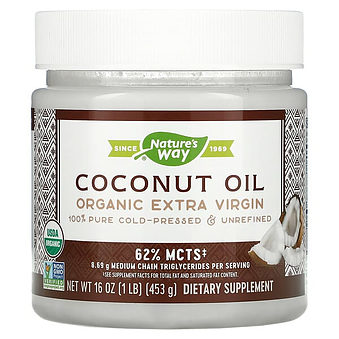
    Coconut oil has earned its reputation as a powerhouse for hair care. It’s particularly effective for penetrating hair strands, thanks to its low molecular weight and straight linear chain. I’m going to touch on how it not only moisturizes but also prevents protein loss, making it a go-to for strong and resilient strands.

    Nature's Way, Organic Coconut Oil, Extra Virgin, 16 oz (453 g)

    Next up, let’s talk argan oil, often referred to as ‘liquid gold’. It’s packed with vitamin E and fatty acids, perfect for taming frizz and adding a lustrous shine. And guess what? It’s lightweight and non-greasy, making it a superb choice for your hair without leaving heavy residue.

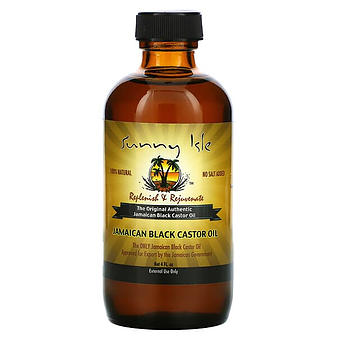
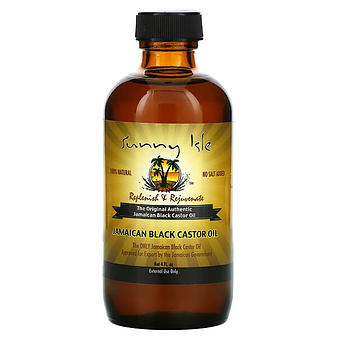
    Jamaican Black Castor Oil is a tried and true favorite for promoting hair growth. This oil is rich in ricinoleic acid, which can help increase blood circulation to the scalp and support healthier hair growth. Moreover, its thick consistency is great for those with coarse hair textures.

    Sunny Isle, 100% Natural Jamaican Black Castor Oil, 4 fl oz

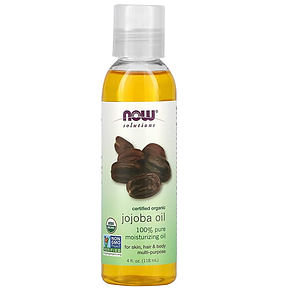
    Lastly, jojoba oil closely resembles the sebum that our scalp naturally produces. In my opinion, this makes it an ideal oil for keeping the scalp moisturized and for reducing dandruff. It has a light texture and is perfect for daily use without clogging pores.

    NOW Foods, Solutions, Certified Organic Jojoba Oil, 4 fl oz (118 ml)

    Now, you’re probably wondering how exactly to apply these oils to get the best results. That’s what I’m going to cover in the next section. I’ll provide tips on the proper technique for applying oil to afro hair, so you can maximize the benefits from these natural wonders.

    Application Wisdom: How to Apply Oils for Optimal Afro Hair Health

    You’ve got your hands on some of the best oils out there, and now you’re probably wondering how to use them to get the most bang for your buck. It’s not just slathering oil onto your scalp and hair; there’s an art to it. I’m here to help you master that art.

    Clean hair is akin to a blank canvas for an artist. Applying oils to dirty hair can lead to buildup, blocking the goodness from getting where it needs to go. So start with a clean slate. When it’s time to apply oil, section your hair to ensure thorough coverage, warming the oil slightly between your palms first for better absorption.

    Just like you don’t need to wash your hair every day, you don’t need to oil it daily either. For most afro hair types, a couple of times a week is plenty. However, listen to your hair; if it’s thirstier than usual, it’s okay to up the frequency. And remember, a little goes a long way. Using too much oil can weigh your hair down and cause buildup.

    Hot oil treatments can be a game-changer for afro hair. They’re supercharged sessions that can deeply condition and infuse your hair with nutrients. About once a month, warm your chosen oil, apply it generously, cover your hair with a cap, and let the heat do its magic for about 15-30 minutes before rinsing it out.

    Whether it’s a regular oiling routine or the occasional hot oil treatment, what you’re doing is creating an environment where your hair can thrive. You’ll notice the difference not just in the look, but in the health and feel of your hair over time.

    Beyond the Bottle: Lifestyle Tips for Nourishing Afro Hair Inside and Out

    I’m going to wrap this up by stressing that how you care for your afro hair transcends what you put on it. It’s also about nurturing from within. Choose something that resonates with you, like a bad hair day rescue recipe or a hair growth nourishing habit.

    You are what you eat, and your hair is no exception. I encourage a diet rich in vitamins A, E, and C, along with minerals like zinc and iron. These are the building blocks for strong and healthy hair.

    Now, protective styling is a game-changer. By limiting environmental stress and damage from over-styling, you help your hair hold on to those precious oils.

    Don’t overlook the simple act of keeping well-hydrated. Water is the giver of life, including for your hair. Aim for at least 8 glasses a day to keep your hair and scalp happy.

    Remember, a holistic approach is crucial for the health of your hair. It’s not just about the products; your lifestyle plays a pivotal role, too. Try these tips, and I really hope that you notice a positive transformation in your hair’s health and appearance.

    Here’s a little transparency: Our website contains affiliate links. This means if you click and make a purchase, we may receive a small commission. Don’t worry, there’s no extra cost to you. It’s a simple way you can support our mission to bring you quality content.

  • How To Create A Moisturizing Hair Care Routine For Curly Hair

    Let’s start at the beginning: knowing your curly hair type isn’t just a fun fact; it’s critical to crafting an effective moisturizing routine. Curls can range from loose waves to tight coils, and each type responds differently to products and care.

    Curly hair has a unique structure that, while giving it its distinctive shape, also makes it prone to dryness. Its twists and turns can prevent natural oils from evenly coating the hair shaft, leading to your curls craving more moisture.

    You’re likely familiar with some hurdles in caring for curly hair. Tangling, frizz, and a lack of shine may be your frequent foes, making the journey to hydration seem daunting. But fear not, it’s all about the right approach.

    A consistent routine goes a long way. It means setting up regular habits that cater to your hair’s needs. This consistency doesn’t just ensure that your curls look good daily – it also means they’re protected from longer-term damage.

    Now, as you’re getting a grip on the fundamentals, it’s time to build that routine. That’s going to include a thoughtful selection of products and a methodical approach to applying them. And remember, choosing something that resonates with you is key. Your hair care routine should not only be efficient but also enjoyable.

    Building Your Curly Hair Care Routine: Key Steps to Incorporate

    Creating a hair care routine tailored to your curly hair can make all the difference in maintaining those locks. It’s not just about slathering on products; there’s a science to this!

    First up, know the difference between hydration and moisture in hair care. Hydration usually means water and is about how much water your hair strands are hanging onto. Moisture, though, is about oil-based products that lock that hydration in. You need both to keep those curls bouncy and healthy.

    A crucial step in your routine should be choosing the right cleanser. Harsh shampoos strip your hair of its natural oils, leaving curls dry and fragile. Instead, opt for gentler, sulfate-free options. They clean without being too aggressive and help maintain a happy moisture balance.

    Another game-changer is deep conditioning. I can’t stress enough how vital this is for curly hair. Doing this weekly can transform your hair by infusing it with intense hydration and essential nutrients. Look for deep conditioners rich in ingredients like shea butter, coconut oil, or avocado oil.

    On a daily basis, you’ve got to keep up the good work. Incorporating light leave-in conditioners or hydrating sprays will help maintain moisture levels without weighing down your hair. Some swear by a small amount of natural oils like argan or jojoba oil as a daily touch.

    And here’s a tip that might change the game for you: sealing in that moisture. After you’ve added hydration, use an oil or butter to seal the ends of your hair. This step helps prevent the moisture from evaporating, keeping your hair hydrated longer. I believe this is known as the LOC method leave in/liquid, oil and cream.

    Stepping into the next section, we’re going to look at how your diet and lifestyle choices are just as crucial for your curly hair as the products you use. It’s time to think beyond the bathroom cabinet and consider how overall health affects your hair.

    Nourishing From Within: The Impact of Diet and Lifestyle on Hair Health

    I’m going to let you in on a little secret: stunning curls aren’t just about what you put on your hair; they’re about what you put in your body. Yes, that’s right. The path to luscious curls might just begin with your next meal.

    Your hair is what you eat; it thrives on the right nutrients. Protein is the building block of hair, so lean meats, beans, and tofu are great choices. Don’t skimp on omega-3s and antioxidants either; fish, nuts, and berries can be your hair’s best friends.

    When it comes to hydration in your hair care routine, don’t forget that water’s not just for splashing on your locks. Drinking plenty of fluids daily can help keep your curls as hydrated as the rest of you.

    Your lifestyle choices can either be your hair’s downfall or its saving grace. Things like smoking and excess stress do no favors for those spirals. Regular exercise and proper sleep, on the other hand, can have dramatic positive effects.

    You can always adjust your approach down the road, but these fundamentals are going to set the foundation for a head full of healthy curls. And this brings us seamlessly to the sometimes-tricky part: troubleshooting and protecting your curly hair against the unexpected curveballs life might throw at it.

    Troubleshooting and Protecting Curly Hair: Advanced Tips and Tricks

    I understand the frustration that comes with stubborn dryness, unmanageable frizz, and the disheartening snap of breakage. That’s why I’m going to help you with some advanced tips and tricks to keep your curls at their best.

    Curly hair often requires a personalized approach, especially when the seasons change. In warmer months, you might find your hair enjoys lighter oils and less frequent deep conditioning. On the flip side, winter might call for heavier sealants and more protective styles to guard against the dry, cold air.

    Speaking of protective styles, these can be a curly-haired person’s best friend. By tucking away your ends in styles like braids, buns, or twists, you can reduce the exposure to environmental stresses, which in turn helps retain moisture for longer periods.

    Now, let’s talk products. It’s not just about having the right ones, but knowing which ingredients to avoid can be just as crucial. Be wary of silicones that can create the illusion of smoothness while blocking moisture. Sulfates can strip your hair of its natural oils, and certain alcohols can dry it out. On the flip side, ingredients like natural butters, oils, and humectants like glycerin can offer your locks the hydration and nourishment they crave.

    In my opinion, trial and error are part of the journey to perfect your hair care routine. Don’t be afraid to adjust your approach as you learn more about what works for you. Remember, while the right products and methods are important, a consistent routine will usually yield the best results.

    Choose a routine that resonates with you, gives you joy, and doesn’t feel like a chore – because that’s the routine you’ll stick to.I hope that you embrace these tips with optimism and patience. As you tweak and refine your hair care process, don’t worry too much about getting it perfect from the get-go; healthy hair is a long-term commitment that evolves with you over time. If you want to keep a journal on your hair, I have a journal that you can use for your hair care.

    Here’s a little transparency: Our website contains affiliate links. This means if you click and make a purchase, we may receive a small commission. Don’t worry, there’s no extra cost to you. It’s a simple way you can support our mission to bring you quality content.

  • 10 Essential Products For Afro Care

    I am writing this article to provide a list of the products that I use for my hair. As mentioned previously my hair is low-porosity therefore most of the products tend to sit on my hair which means that once the product gets dry then I will get residue on my hair which would make it flaky. However fortunately there are many products in the market that work well on low-porosity afro hair. This article will focus on products that work well on low-porosity afro-hair.

    Understanding Your Afro: The Journey to Perfect Hair Care

    • The complex nature of afro-textured hair

    As you are aware, there are various afro-hair textures which makes it a little complex when it comes to selecting the right product for your hair type. An individual with high-porosity or even thicker hair cannot get a product that is unsuitable for their hair type and vice versa. We also cannot forget the differing hair textures which impact what types of treatments can be used.

    • The impact of hair porosity on product absorption: Low-porosity insights

    Low-porosity hair tends to have products sit on the hair shaft and accumulate so you need to have a way of utilizing the right type of products that do not build up. If you use the wrong products, your hair will probably look good for some time, however you will find that it is drier and not in the best condition. It can also get fragile through the frequent use of the wrong product type.

    • Importance of recognizing your unique hair needs

    You must recognize your hair needs because it makes it easy to know what you can use. As individuals, even in a family, there is a possibility that there are different hair types. What may work for one individual may not work for another person in the family. Instead of looking at what others are doing with their hair and using their product, it’s important to seek what is good for you. Sometimes you can experiment with different types of items but that can be a waste of resources.

    • Preview of the tailored product list for optimal afro care

    I will be providing a few products that I have used consistently and they have worked extremely well on my hair. I would say the most basic and useful are the oils and I know that for some individuals these may not work however a basic for me is hair oil. I make sure that it has fewer ingredients as those work a lot better for me than those that contain too many things.

    A quick list would be shea butter, jojoba oil, or olive oil. I would also have coconut oil but that may not work for other individuals. In terms of shampoos, I just stay away from those with sulfates as it dries my hair. The list below is just a basic and if you have other items that you use then it should not limit you.

    The Top 10 Must-Have Products for Your Afro Care Routine

    • Hydrating shampoos: Foundation for clean and moisturized hair

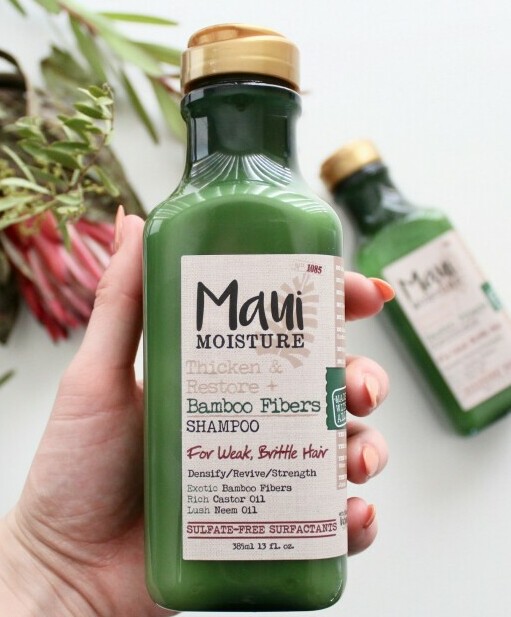
    I have 2 favorite shampoos that I use and depending on when I find them they are my go-to every time. The first one is Maui for dry and damaged hair, I love this shampoo because it’s moisturizing and it just gives my hair a really good feeling. It keeps it hydrated and I always get it during a sale. The cost of this shampoo ranges from $11.46 – $15.00 however I normally, get it on iherb
    Maui Moisture, Heal & Hydrate + Shea Butter, Shampoo, For Dry, Damaged Hair, 13 fl oz (385 ml)Another great item that I also love to use if I don’t get Maui is the Giovanni tea tree triple treat, this one makes my hair feel like it’s so soft and smooth. It was a Shampoo that I was a little unsure about initially, however, once I used it I had no doubts. It also ranges in price from $ 10 – $12. I like it because during winter my scalp gets dry and when I use this it’s not as dry. It smells great as well. It’s also great for different hair types not just curly hair. iherb is a great place to get them.
    Giovanni, Tea Tree Triple Treat, Invigorating Shampoo, For All Hair Types, 8.5 fl oz (250 ml)

    • Deep conditioners: Penetrating low-porosity hair for maximum hydration

    I only use one type of deep conditioner, although I find with the right shampoo, I tend to use it once a month. If I don’t have the right shampoo then I will use it more often. I am not too picky with conditioners because many of them are quite moisturizing. However, if I should say a favorite, It would be the Shea moisture brand with the Jamaican black castor oil. If I have the Giovanni conditioner then I would use it. It normally goes for $11.17 typically on iherb

    SheaMoisture, Jamaican Black Castor Oil, Strengthen & Restore Leave-In Conditioner, 11.5 fl oz (340 ml)

    • Leave-in conditioners: Vital for ongoing moisture and manageability

    My deep conditioner as listed above is also a leave-in conditioner so I don’t use any other product although I know that there are many types of leave-in conditioners in the market. If your deep conditioner can also be used as a leave-in conditioner there is no use in wasting money on additional products. I think the only thing that would help keep the leave-in conditioner on the hair is a steamer.

    • Natural oils and butter: Sealing in moisture without heaviness

    I tend to use lighter oils than heavier ones because they make my hair shiny and also absorb into my scalp rather than just sit on my hair shaft. One of the oils that I like to use is shown below:

    NOW Foods, Solutions, Certified Organic Jojoba Oil, 4 fl oz (118 ml)It’s now available for a limited period at $9.36 which is a great bargain as it normally goes for $11. 00.

    • Protein treatments: Strengthening strands while preventing breakage

    I tend to use protein treatments, however I prefer to get them after I have braided my hair rather than all the time. It helps after your hair has been in a protective style for some time. I normally mix it with an oil of my choice and keep it on my scalp for as long as I need. It goes for $2.00. I normally get a few of these because I don’t do it often but it’s a game changer especially if it’s something that you don’t normally do.

    Cantu, Shea Butter for Natural Hair, Deep Treatment Hair Masque, 1.75 oz (50 g)

    • Detangling tools: Gentle on curls and knots to preserve hair integrity

    I think the most annoying thing for me is detangling my hair, however, I have found that whenever I use this detangling brush, I don’t think about it and it does not cause me a lot of stress. Now there are those amazing detangling brushes but I use the wide-tooth comb which has worked on my hair for a long time. You can get it for $2.00 or you can invest and get one that costs a little more.

    Conair, Detangle & Smooth Shower Comb, For Wet or Dry Hair, 1 Comb

    • Satin bonnets or pillowcases: Preventing damage and moisture loss at night

    Satin bonnets are the best gifts and items, especially for bedtime, I remember the time when I had to tie my hair with a scarf, and when I woke up it may be on the pillow or just somewhere on the bed. I think when bonnets started getting more popular I was excited because I had more options in general and that just helped me. Now with satin bonnets, I am extremely particular about these. I invested in Grace Eleyae and I love it. These tend to cost a little more about $22.00 however the inner lining and the fact that you can use it when you sleep makes it easy to use.

    You can also get cheaper satin caps, but I did find that my bonnet lasted for a longer period and I did not have to replace it too soon.

    • Styling products: Defining curls without build-up

    I used to use many styling products, however, I realized that less is more, sometimes we use too much and all it does is cause build-up. I tend to stick to my hair oil just to keep the sheen but when I want to define my curls I would use kinky curly knot today. I liked it because it defined my curls and also when my hair was dry I would just use water to rehydrate it. The cost of kinky curly is $13.77.

    Kinky-Curly, Knot Today, Natural Leave In / Detangler, 8 oz (236 ml)

    • Heat protectants: Safe styling for occasional heat use

    I rarely heat my hair nowadays because I found it to be quite an ordeal especially since in the beginning there was a range of products for afro-hair. If I should use a protectant for those rare occasions, then it would be the Shea Moisture brand. It’s $11.82 and it lasts for a long time because for me I don’t put the heat too much.

    SheaMoisture, Jamaican Black Castor Oil, Strengthen & Restore Styling Lotion, 8 fl oz (237 ml)

    • Continuous hydration solutions: Mists and sprays for moisture upkeep

    Everyone’s hair is different and some individuals tend to have hair that stays moisturized without too much upkeep. As for me, it’s important to use water or even a little oil throughout the week. Now if you would like to invest in a mist that is a personal choice but for me, it’s easy I normally just take my spray bottle which I get from the chemist, I add water and some liquid oil of my choice and I use that.

    Personalizing Your Afro Care: Beyond the Essentials

    • How to assess your hair’s uniqueness: Porosity tests and more

    As mentioned in a previous article, it’s important to understand how porous your hair is because it helps you in selecting the right hair products. If you would like, I wrote an article on how to check the porosity of your hair and you can view it here.

    • Learning from experience: Adapting care regimens based on trial and error

    The biggest lesson I learned with trial and error is that it’s better to have fewer products than too many. Stick to what is working, the new product range may not be that great for you. YouTube, is a great platform to get reviews on many products and learn from others. Finally, it’s important to get a good hairdresser for your trims and also for them to give you a good analysis of what works for you.

    • Balancing product effectiveness with personal preferences and lifestyle

    If you have an active lifestyle, it’s not easy to work on your hair constantly, so you need to know what is the best way to look after your hair, for example, you must have a protective style often, you can do it with fewer products. This would probably mean that you would need to wash it a little more often. I would say establishing a specific routine would help in working on it faster. All these things do depend on how you can easily maintain the techniques you adopt. However, habits can easily be learned and changed as well.

    Sustaining Healthy Afro Hair: Tips, Tricks, and Maintenance

    • Routine setup: Crafting a consistent hair care schedule

    In this section, I provide a simple routine you can use for your hair depending on what styling you have. For example, if you have a protective style, depending on how your hair is, normally I would make sure that each week I would refresh it and that would mean a wash for example drying it well and making sure I use a good moisturizer. Depending on the hair type some require to be moisturized every few days and others can take a little time.

    • Environmental factors: Guarding your hair against external stresses

    If you are an active individual always out and about it’s good to invest in a good hat or even wig, depending on what styles you like. If you are going to the gym, for example, have a good band for your hair.

    • Healthy hair habits: Diet, exercise, and holistic care for optimal growth

    Healthy hair starts from the inside, if you have a great diet and exercise regime then your hair will also be in good condition. If you are not looking after yourself then your hair will also be fragile. I have not talked about this because I want to write about this in the future.

    Do you have a great hair care regime? I would like to know what works for you.

    Please note that the prices are in AUD and the bonnet is the only one in USD.

    Here’s a little transparency: Our website contains affiliate links. This means if you click and make a purchase, we may receive a small commission. Don’t worry, there’s no extra cost to you. It’s a simple way you can support our mission to bring you quality content.”

  • Ultimate Care for Afro hair care routines

    The Ultimate Guide to Afro Hair Care Routines

    Developing a personalized hair care routine: Assessment of hair needs

    Developing a personalized hair care routine begins with assessing the specific needs of your hair. Here’s a step-by-step guide to help assess your hair’s needs:

    1. Hair Type: Determine your hair type using classification systems like the Andre Walker Hair Typing System (Type 3 – Curly, Type 4 – Coily/Kinky) or other systems that identify your hair’s texture, curl pattern, and porosity.
    2. Porosity: Assess your hair’s porosity by conducting a simple test. Take a clean strand of hair and place it in a bowl of water. If it sinks quickly, it likely has high porosity (absorbs moisture rapidly). If it floats for a while before sinking, it may have low porosity (struggles to absorb moisture).
    3. Texture and Density: Determine the texture (fine, medium, coarse) and density (thin, medium, thick) of your hair. Understanding these aspects helps in selecting appropriate products and styling techniques.
    4. Current Hair Condition: Evaluate your hair’s current condition. Note any issues such as dryness, breakage, split ends, or scalp concerns. Understanding your hair’s condition helps tailor your routine to address specific issues.
    5. Styling Habits and Frequency: Consider your typical styling routine, including how often you wash, use heat styling tools, or opt for protective styles. Assess whether these practices contribute to any damage or dryness.
    6. Product Sensitivity and Preferences: Take note of any products or ingredients that have caused adverse reactions or those that work exceptionally well for your hair. Consider your preferences, such as preference for natural or specific types of products.
    7. Lifestyle Factors: Consider your lifestyle, such as exercise frequency, exposure to environmental elements (sun, wind, pollution), and how these factors might affect your hair care routine.
    8. Time Commitment: Assess the time you’re willing to dedicate to your hair care routine. Determine if you prefer simpler routines or are open to more elaborate care practices.
    9. Long-Term Goals: Identify your hair care goals, whether it’s achieving length, improving overall health, reducing breakage, or maintaining a specific style.

    Once you’ve assessed these aspects, you can create a personalized hair care routine that addresses your hair’s specific needs:

    • Cleansing: Choose appropriate shampoos based on your hair type, porosity, and scalp condition. Adjust washing frequency to suit your hair’s needs.
    • Conditioning: Incorporate deep conditioning treatments, leave-in conditioners, or masks to address moisture and nourishment needs.
    • Styling and Maintenance: Select products and techniques that align with your hair’s characteristics and styling preferences. Incorporate protective styles or low-manipulation styles to promote hair health.
    • Scalp Care: Include scalp massages, treatments, or oils to maintain a healthy scalp environment, which is crucial for hair growth.
    • Trimming: Schedule regular trims to remove split ends and maintain healthy hair growth.
    • Adaptation and Consistency: Be open to adapting your routine based on how your hair responds to different products and practices. Consistency is key in maintaining healthy hair.

    Remember, developing a personalized hair care routine is a gradual process that involves experimentation and observation to find what works best for your hair’s unique needs. Regularly reassess and adjust your routine as necessary to ensure your hair remains healthy and well-cared for.

    Choosing the right products: From shampoos to leave-in conditioners

    Choosing the right hair care products, from shampoos to leave-in conditioners, plays a significant role in maintaining healthy afro-textured hair. Here are some tips for selecting the right products:

    1. Shampoos:
      • Look for sulfate-free or mild shampoos that won’t strip your hair of its natural oils. Sulfates can be harsh and drying for afro hair.
      • Consider shampoos formulated for your specific hair type (curly, coily, etc.) or those designed to add moisture and hydration.
      • Clarifying shampoos can be used occasionally to remove product buildup and refresh the scalp, but avoid using them too frequently to prevent excessive dryness.
    2. Conditioners:
      • Choose a moisturizing and hydrating conditioner that suits your hair’s texture and porosity. Look for ingredients like shea butter, coconut oil, or glycerin.
      • Deep conditioning treatments are beneficial for afro hair to provide intense hydration and nourishment. Consider using them weekly or bi-weekly.
      • Leave-in conditioners are great for maintaining moisture between washes and can help with detangling. Opt for lightweight formulas that won’t weigh down your hair.
    3. Hair Masks and Treatments:
      • Incorporate hair masks or treatments into your routine to provide extra nourishment. Look for ingredients like argan oil, honey, or aloe vera for their moisturizing properties.
    4. Natural Oils:
      • Natural oils such as coconut oil, jojoba oil, and argan oil are excellent for sealing moisture into the hair and providing essential nutrients. Choose oils based on your hair’s needs and preferences.
    5. Styling Products (Gels, Creams, Mousses):
      • Choose styling products that align with your desired hairstyles and hair needs. Look for products that offer hold without causing stiffness or buildup.
      • Consider water-based products as a base for your styling routine. They can hydrate the hair while allowing other styling products to layer on top.
    6. Leave-In Conditioners:
      • Opt for leave-in conditioners that provide hydration and help in detangling without leaving a heavy residue. Consider sprays or lightweight creams for ease of application.
    7. Ingredients to Avoid:
      • Avoid products containing harsh sulfates, silicones, parabens, and alcohol, as these can strip moisture, cause buildup, or lead to dryness and damage over time.
    8. Trial and Observation:
      • Experiment with different products to find what works best for your hair. Keep a lookout for how your hair responds, whether it feels moisturized, retains styles, or experiences less breakage.
      • Consider samples or travel-sized versions of products before committing to full-size purchases.
    9. Professional Recommendations:
      • Seek advice from hair professionals or stylists who specialize in afro-textured hair. They can offer personalized recommendations based on your hair’s unique needs and characteristics.

    Remember, everyone’s hair is unique, so what works for one person might not work for another. It’s essential to listen to your hair, observe its response to products, and adapt your routine accordingly to maintain healthy and vibrant afro-textured hair.

    Detangling without damage: Tips and techniques for Afro hair

    Detangling afro-textured hair requires patience, gentle handling, and the right tools to prevent damage and breakage. Here are some tips and techniques for detangling afro hair effectively:

    1. Start with Moisturized Hair: Before detangling, ensure your hair is damp or moisturized. Use a water-based leave-in conditioner or a detangling spray to add moisture, making the hair more manageable and reducing breakage.
    2. Section Your Hair: Divide your hair into manageable sections using hair clips or hair ties. Working in sections helps to focus on smaller areas at a time, making detangling less overwhelming and more efficient.
    3. Use a Detangling Tool: Opt for a wide-tooth comb, a detangling brush with flexible bristles, or your fingers. Begin detangling from the ends and work your way up to the roots, gently removing knots and tangles.
    4. Apply a Detangling Product: Use a detangling conditioner, hair oil, or a silicone-free detangler to provide slip and lubrication, making it easier to glide the comb or brush through your hair.
    5. Detangle When Wet or with Product: Some people find it easier to detangle their hair while it’s wet and saturated with conditioner. Others prefer to detangle with a product like a leave-in conditioner or oil to aid in slip and reduce friction.
    6. Be Gentle and Patient: Avoid rushing through the detangling process, as this can lead to more breakage. Take your time and gently work through knots and tangles, starting from the ends and gradually moving upwards.
    7. Finger Detangling: Using your fingers to gently separate knots and tangles can be an effective method, especially for delicate areas or very tangled sections. Apply conditioner or oil to aid in the process.
    8. Avoid Tearing or Ripping: Refrain from forcefully pulling through knots or ripping through tangles. This can cause damage and breakage. Instead, gently work through knots, holding the hair above the tangle to reduce tension on the roots.
    9. Detangle Regularly: Consistent detangling sessions, especially before washing or styling, can prevent severe tangles and matting, making the process easier each time.
    10. Trim Split Ends: Regular trims help to remove split ends, reducing tangling and making detangling sessions smoother.
    11. Protective Styling: Consider protective styles like braids or twists to minimize tangling and reduce the frequency of detangling sessions.
    12. Patience and Care: Approach detangling with patience and care. It might take time, especially with dense or tightly coiled hair, but gentle handling will preserve the health of your hair.

    Remember, finding the right technique and tools for detangling may vary from person to person. It’s essential to listen to your hair’s needs and adjust your detangling routine accordingly to minimize damage and maintain healthy, beautiful afro-textured hair.

    Protective styling options to encourage growth and reduce breakage

    Protective styling is a beneficial technique for afro-textured hair as it helps minimize manipulation, tangles, and breakage, thereby promoting growth and retaining length. Here are some protective styling options to consider:

    1. Braids:
      • Box braids, Senegalese twists, or cornrows are popular protective styles. Braids reduce daily manipulation, allowing the hair to rest and grow without constant styling.
    2. Twists:
      • Two-strand twists or flat twists are versatile and low-maintenance styles that protect the hair by sealing in moisture and reducing tangles.
    3. Bantu Knots:
      • Bantu knots are a protective style that involves twisting sections of hair and wrapping them into knots. Once released, they create beautiful curls or waves.
    4. Crochet Braids:
      • Crochet braids involve attaching extensions to braided hair, creating various styles without excessive tension on the natural hair.
    5. Wigs and Weaves:
      • Wearing wigs or weaves gives your natural hair a break from daily styling. Ensure they’re installed properly to prevent tension and damage to the hairline.
    6. Protective Updos:
      • Updo hairstyles like buns, chignons, or French rolls can protect the ends of your hair, reducing breakage and maintaining moisture.
    7. Halo Braids or Crown Braids:
      • These styles involve braiding around the perimeter of the head, which protects the edges and leaves the center free. They’re stylish and protective.
    8. Faux Locs or Goddess Locs:
      • These styles involve wrapping hair with extensions to create locs. They’re a great way to give your hair a break and promote growth.
    9. Low Manipulation Styles:
      • Keeping the hair in simple styles like loose twists, buns, or ponytails with minimal tension can also be protective, reducing manipulation and breakage.
    10. Scalp Protection:
      • Ensure that your scalp is also protected during styling. Avoid excessive tension on the scalp to prevent hair loss or traction alopecia.

    While protective styles offer several benefits, it’s crucial to maintain proper care for your hair while it’s in a protective style:

    • Moisturize and Seal: Even when in a protective style, moisturize your hair and scalp regularly. Use lightweight oils or sprays to maintain moisture.
    • Cleanse and Refresh: Cleanse your scalp periodically to prevent product buildup and maintain a healthy scalp environment.
    • Limit Duration: Avoid leaving a protective style in for too long to prevent potential damage or matting. Typically, 4-8 weeks is a common duration, depending on the style and your hair’s needs.
    • Gentle Removal: Be gentle when removing a protective style to minimize breakage. Avoid rushing or forcefully detangling the hair.

    Combining protective styling with a good hair care routine can help encourage growth, retain length, and protect your afro-textured hair from breakage and damage.

    Professional advice: When to seek out a specialist for your Afro hair

    Seeking out a specialist for your afro-textured hair can be beneficial in various situations to address specific needs or concerns. Here are some scenarios when consulting a professional specializing in afro hair is advisable:

    1. Hair and Scalp Issues: If you’re experiencing persistent scalp issues like dandruff, itching, or hair loss, consulting a specialist can help identify the root cause and provide appropriate treatment or advice.
    2. Transitioning to Natural Hair: When transitioning from chemically treated or relaxed hair to natural hair, a specialist can offer guidance on managing two different textures and recommend suitable products and transitioning methods.
    3. Hair Damage or Breakage: Experiencing significant hair damage, breakage, or excessive shedding may indicate underlying issues that a specialist can assess and provide recommendations to improve hair health.
    4. Unfamiliar with Hair Care Needs: If you’re unsure about your hair’s specific needs, a specialist can help identify your hair type, porosity, and recommend a personalized care routine, including suitable products and techniques.
    5. Desire for Style Change or Protective Styling: Seeking a new style or opting for protective styles like braids, weaves, or locs? A specialist can offer advice on styles that suit your preferences while minimizing damage.
    6. Difficulty in Managing Hair: If you’re finding it challenging to manage or style your hair, a professional can demonstrate proper techniques for detangling, moisturizing, and styling afro-textured hair.
    7. Special Occasions or Events: For special occasions like weddings or important events, consulting a specialist for professional styling can ensure you achieve the desired look without compromising your hair’s health.
    8. Product Recommendations: Seeking advice on choosing the right hair care products, understanding ingredient lists, or finding products that work best for your hair type can be provided by a specialist.
    9. Overall Hair Health Concerns: Concerns about maintaining healthy hair, promoting growth, or addressing issues like dryness, brittleness, or lack of moisture can benefit from professional guidance.
    10. Hair Education and Maintenance: Learning about proper hair care practices, developing a personalized routine, and understanding how to maintain healthy hair can be gained from a specialist’s expertise.

    When seeking a specialist for your afro-textured hair, consider professionals with experience and expertise in caring for diverse hair textures. Look for licensed cosmetologists, trichologists, or hairstylists who specialize in afro hair care. Additionally, recommendations from friends or online reviews can help you find a reputable specialist suited to your needs.

  • Afro Hair Maintenance and understanding your curls

    Embracing the Beauty of Afro Hair: Understanding Your Curls

    Introduction to Afro hair: Diversity of textures and unique character

    Afro-textured hair, often referred to as “afro hair,” is incredibly diverse and comes in various textures, patterns, and styles. Here are some key aspects of the diversity of afro hair:

    1. Texture: Afro hair can have a wide range of textures, from tightly coiled to loosely curled. The classification system commonly used to describe the texture of afro hair is the Andre Walker Hair Typing System, which ranges from Type 3 (curly) to Type 4 (coily/kinky). Within these categories, there’s further diversity in curl patterns, density, and thickness.
    2. Density: Afro hair can vary in density, referring to the number of strands on one’s head. Some individuals have thick and dense hair, while others may have finer strands.
    3. Porosity: This refers to how well hair holds and retains moisture. Afro hair often has higher porosity, making it prone to dryness. Understanding porosity helps in selecting appropriate hair care products and routines.
    4. Styles: The versatility of afro-textured hair allows for numerous styling options, including braids, twists, locs, bantu knots, afros, and more. These styles not only showcase the diversity of afro hair but also represent cultural traditions and personal expression.
    5. Challenges and Care: Managing afro hair often requires specific care routines due to its unique characteristics. Regular moisturizing, protective styling, and gentle handling are essential. There’s also a growing movement toward embracing natural hair and advocating for products and practices that cater to its needs.
    6. Cultural Significance: Afro hair carries deep cultural significance within various communities worldwide. It’s a reflection of identity, history, and heritage, playing a crucial role in cultural expression, traditions, and individual style.
    7. Representation: Historically, mainstream media has not always represented the full diversity and beauty of afro hair. However, there has been a positive shift toward embracing natural hair and celebrating its diversity in recent years, leading to increased representation and appreciation.

    Overall, the diversity of afro hair is vast and beautiful, encompassing a wide spectrum of textures, styles, and cultural significance, contributing to its rich heritage and individuality.

    The science behind Afro hair: How its structure affects maintenance needs

    The structure of afro-textured hair significantly influences its maintenance needs. Several key characteristics of afro hair, such as its texture, porosity, and coil pattern, impact how it should be cared for and maintained:

    1. Texture and Curl Pattern: Afro hair often has a tight curl pattern, which can make it more prone to tangling and breakage. The bends and twists in the strands make it challenging for natural oils from the scalp to travel down the hair shaft, resulting in drier hair. However, this depends on the porosity of the afro hair texture. Different curl patterns may require varied care routines, with some needing more moisture and others needing specific styling techniques to prevent tangling.
    2. Porosity: Afro hair tends to have higher porosity, meaning it can absorb and lose moisture more quickly. High porosity hair might benefit from more frequent deep conditioning and moisturizing treatments to maintain adequate hydration levels.
    3. Dryness: Due to its structure and reduced natural oil distribution along the hair shaft, afro-textured hair often faces challenges with dryness. This makes moisture retention a critical aspect of maintenance. Using hydrating shampoos, conditioners, and oils that penetrate the hair shaft can help combat dryness.
    4. Shrinkage: Afro hair can experience significant shrinkage, meaning that its length may not be immediately apparent due to the coils and curls. Understanding how to stretch the hair to its full length without causing damage is essential for styling and maintenance.
    5. Breakage and Damage: The bends and twists in afro-textured hair can make it more prone to breakage, especially if not handled gently. Detangling methods, protective styling, and using appropriate tools (like wide-toothed combs) are crucial to minimize damage.
    6. Scalp Health: Maintaining a healthy scalp is vital for healthy hair growth. Due to the nature of tightly coiled hair, keeping the scalp clean, moisturized, and free from product buildup is important to avoid issues like dandruff or scalp irritation.
    7. Styling Techniques: Certain styling methods, such as braiding, twisting, or using heat tools, can impact the health of afro hair. Protective styling, low-manipulation styles, and minimizing heat usage can help maintain hair health.

    Understanding these structural characteristics of afro-textured hair is crucial for developing a personalized maintenance routine that caters to its unique needs, promoting healthy growth, moisture retention, and overall hair strength.

    Why nurturing Afro hair is essential for both health and self-expression

    1. Hair Health: Proper care and maintenance of afro-textured hair are crucial for its overall health. This hair type tends to be more prone to dryness and breakage due to its unique structure. Nurturing afro hair involves using appropriate products, gentle handling, and suitable styling techniques to maintain its moisture, strength, and integrity.
    2. Self-Confidence and Identity: Hair plays a significant role in self-expression and cultural identity for many individuals with afro-textured hair. Embracing and nurturing natural hair can contribute to a sense of pride, confidence, and connection to one’s cultural heritage and identity.
    3. Cultural Significance: Afro hair holds deep cultural significance within various communities worldwide. The way individuals choose to style and care for their hair often reflects their cultural background, traditions, and personal identity. Nurturing and celebrating afro-textured hair helps preserve cultural heritage and traditions.
    4. Versatility and Creativity: Afro-textured hair is incredibly versatile and offers a wide range of styling options, from afros to braids, twists, locs, and more. Nurturing this hair type allows individuals to explore various styles and express their creativity, showcasing the diversity and beauty of afro hair.
    5. Community and Representation: The movement toward embracing natural hair has led to increased representation and visibility of diverse hair textures in media, fashion, and entertainment. Nurturing afro hair supports this positive representation, fostering a sense of community and empowerment among individuals with similar hair textures.
    6. Education and Empowerment: Learning how to properly care for afro-textured hair promotes education and empowerment within communities. Understanding the unique needs of this hair type helps individuals make informed choices about products, styling techniques, and maintenance routines, leading to healthier, stronger hair.

    In essence, nurturing afro-textured hair is not only about maintaining its health but also embracing cultural identity, promoting self-expression, and celebrating diversity. It fosters a sense of pride, confidence, and empowerment within communities while highlighting the beauty and versatility of afro hair.

    Dispelling myths and embracing the versatility of Afro hair

    Dispelling myths about afro-textured hair and embracing its versatility is crucial in promoting understanding, appreciation, and acceptance of this diverse hair type. Here are some common myths about afro hair and the realities that showcase its versatility:

    Myth 1: Afro hair doesn’t grow long.
    Reality: Afro hair grows at a similar rate to other hair types. However, due to its tight coil pattern, shrinkage often masks its true length. With proper care, afro-textured hair can achieve impressive lengths.

    Myth 2: Afro hair is unmanageable and difficult to style.
    Reality: Afro hair is incredibly versatile and can be styled in various ways. There’s a wide range of styling options, including braids, twists, bantu knots, afros, and more. Understanding its unique characteristics is key to effectively managing and styling it.

    Myth 3: Afro hair is inherently unprofessional.
    Reality: This myth stems from biases and misconceptions about natural hair. Afro hair, like any other hair type, can be styled professionally. The acceptance of natural hair in professional settings is growing, advocating for inclusivity and diversity.

    Myth 4: Afro hair is always coarse and rough.
    Reality: Afro-textured hair comes in different textures, from fine to coarse, and varies in density and curl pattern. Some strands might feel coarse, while others may be fine and soft. Moisture, proper care, and suitable products can improve texture and manageability.

    Myth 5: Afro hair doesn’t require as much care as other hair types.
    Reality: Afro hair often requires specific care routines due to its unique characteristics. Proper moisturization, gentle handling, and protective styling are essential to maintain its health and prevent breakage.

    Myth 6: Chemical treatments are necessary for manageability.
    Reality: Chemical treatments like relaxers or texturizers have been used to straighten afro hair, but they can cause damage and alter the hair’s natural texture. Embracing natural hair and adopting suitable care practices can enhance manageability without resorting to chemical treatments.

    Myth 7: Afro hair is not versatile in styling options.
    Reality: Afro-textured hair is incredibly versatile and offers numerous styling options, from protective styles to various lengths and textures. It can be braided, twisted, worn in a frohawk, styled in elegant updos, or left free in its natural state.

    Embracing the versatility of afro-textured hair involves challenging stereotypes, promoting education, and celebrating its beauty in all its forms. By debunking myths and embracing the diversity of afro hair, individuals can cultivate a greater appreciation for this unique and beautiful hair type.

    The importance of hydration and nourishment: Identifying key products

    Hydration and nourishment are vital for maintaining the health, strength, and vibrancy of afro-textured hair. Identifying key products that effectively provide moisture and nourishment is essential for a successful hair care routine. Here are some products that can help in hydrating and nourishing afro hair:

    1. Moisturizing Shampoos: Look for sulfate-free shampoos that gently cleanse without stripping natural oils. Moisturizing shampoos help retain moisture in the hair while cleansing the scalp.
    2. Conditioners: Deep conditioners and leave-in conditioners are crucial for afro hair. Deep conditioning treatments provide intense hydration and nourishment, while leave-in conditioners help maintain moisture levels between washes.
    3. Hair Masks and Treatments: Using occasional hair masks or treatments can provide an extra boost of hydration and nourishment. Look for products containing natural oils (like coconut oil, shea butter, argan oil) and ingredients like honey or aloe vera for their moisturizing properties.
    4. Natural Oils: Natural oils such as coconut oil, jojoba oil, olive oil, and argan oil are beneficial for sealing moisture into the hair, preventing moisture loss, and providing essential nutrients.
    5. Moisturizing Creams and Lotions: Creams and lotions specifically formulated for afro-textured hair can help maintain moisture and enhance manageability. They often contain ingredients like shea butter or glycerin to hydrate and nourish the hair.
    6. Water-Based Products: Products with water as the first ingredient are excellent for adding moisture to the hair. Spritzing the hair with a water-based leave-in conditioner can revitalize curls and maintain hydration.
    7. Scalp Oils or Serums: Nourishing the scalp is crucial for healthy hair growth. Using scalp oils or serums containing ingredients like tea tree oil or peppermint oil can promote a healthy scalp environment.
    8. Protective Styling Products: When wearing protective styles like braids or twists, using products specifically designed for these styles can help maintain moisture and protect the hair from damage.
    9. Clarifying Shampoos: Occasionally using a clarifying shampoo helps remove product buildup, allowing other products to penetrate the hair shaft more effectively for better hydration.
    10. Heat Protectants: If using heat styling tools, using a heat protectant is essential to shield the hair from heat damage while locking in moisture.

    It’s important to note that different individuals may respond differently to products, so it’s beneficial to experiment with various products to find the ones that work best for your hair’s unique needs. Additionally, maintaining a consistent hair care routine that includes hydration and nourishment is key to promoting healthy and beautiful afro-textured hair. Do you have any products that you have identified that are suitable to your hair type? Do you find that natural products work better?

  • Threads of Time: A Historical Tapestry of Dreadlocks

    I will be working on something a little different today as I typically speak on other hair-do’s this time, I actually want to speak on locks. Most individuals would assume that the origin of locks would be in Africa, however, that is actually not the case. Unfortunately, locks have been linked closely with individuals who are dirty, smelly, unkempt, and viewed as ugly. Just like an experience, you must have dealt with them directly to know exactly how they are maintained and what it entails. Locks are the most natural hairstyle in many cultures.

    Dreadlocks, a distinctive and culturally significant hairstyle, have a rich and diverse history that spans across continents and centuries. From ancient civilizations to modern-day subcultures, the journey of dreadlocks is a fascinating exploration of identity, spirituality, and cultural expression

    History

    The roots of dreadlocks can be traced back to ancient civilizations, with evidence suggesting that various cultures independently embraced this hairstyle. The earliest depictions of dreadlocks date back to over 2000 years ago, found in artifacts from Egyptian and North African civilizations. The intricate braiding and coiling of hair were not only a practical means of managing hair in arid climates but also held religious and cultural significance.

    Before the early industrial revolution, it was well known that locks were mostly confined in India. In the Twentieth century, the lock movement began as a socio-religious movement in Harlem which is in New York. This movement was headed by a well-known Jamaican activist known as Marcus Harvey. African and Jamaican descendants were attracted to this movement. Most of the teaching followed was from various African tribes, the bible both the Old and New Testament and Hindu culture.

    Religions

    Rastafari a well-known religion began to follow the Ethiopian Emporer Ras Tafari. Through this religion the natural hairstyle known as “dread-locks” was concieved. However, most people don’t know that the hairstyle originated long before the Rastafarian religion.

    So how do we know that hair locks may have originated in India? well mostly because a number of professors from Nigeria named yogi’s and Indian sages as the original inventors of hair locks. However it’s actually impossible to pinpoint exactly who started this hair-style. Historical findings have also suggested that dreads were the popular hairstyle for figures like John the Baptist and Samson. Ancient Egyptians, Irish warriors, Vikings and Hindu Holy men are believed to have sported locks.

    The term “dreadlocks” itself has roots in the Rastafari movement. The word “dread” is believed to have originated from the Rastafarian expression “dreadful,” conveying awe and reverence for the Almighty. Rastafarians sought to “dread” their hair as a way of embracing their natural selves and rejecting conformity.

    Source: Knotty boy natural hair care.

    Cultural Spread and Influences

    Dreadlocks transcended the confines of Jamaica and the Rastafari movement, making their way into global popular culture. The 1970s and 1980s witnessed the emergence of reggae music and its global influence, with iconic figures like Bob Marley popularizing dreadlocks as a symbol of rebellion, spirituality, and cultural pride.

    Beyond the Rastafari movement, various other cultures around the world have embraced dreadlocks as a form of self-expression. In Africa, some ethnic groups have a long history of wearing locked hairstyles, each with its unique cultural significance. Additionally, in the 20th and 21st centuries, dreadlocks have become a symbol of counterculture movements, challenging societal norms and advocating for individuality.

    Contemporary Significance

    In the contemporary era, dreadlocks continue to be a powerful symbol of identity and cultural pride. People from diverse backgrounds and walks of life choose to wear dreadlocks as a means of expressing their individuality, cultural heritage, or spiritual beliefs. The acceptance and mainstream popularity of this hairstyle highlight society’s evolving perceptions of beauty and cultural diversity.

    However, it’s important to note that the journey of dreadlocks hasn’t been without controversy. In some instances, individuals with dreadlocks have faced discrimination in educational and professional settings, sparking discussions about cultural appropriation and the right to express one’s identity.

    Conclusion

    The history of dreadlocks is a testament to the enduring nature of cultural symbols and their ability to traverse time and space. From ancient civilizations to modern subcultures, the journey of dreadlocks reflects the ever-evolving relationship between culture, identity, and personal expression. As society continues to embrace diversity, the story of dreadlocks remains woven into the fabric of our shared human experience.

    What are your thoughts on locks in general? has the information on it changed your view of them?