Category: hair braiding

  • Afro Hair Care For Children

    Afro Hair Care For Children

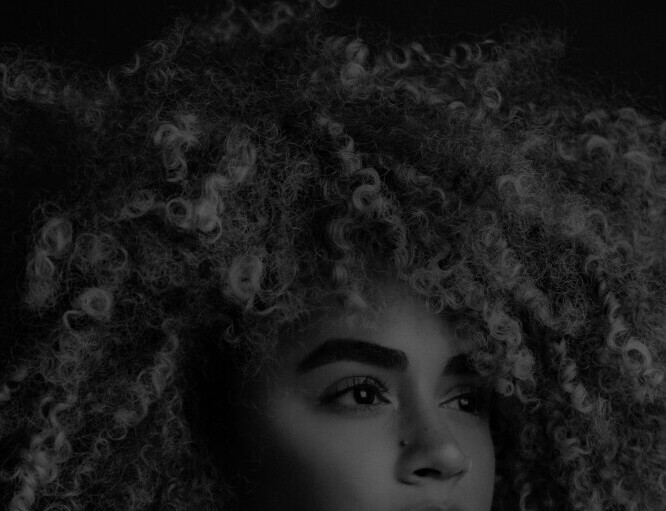
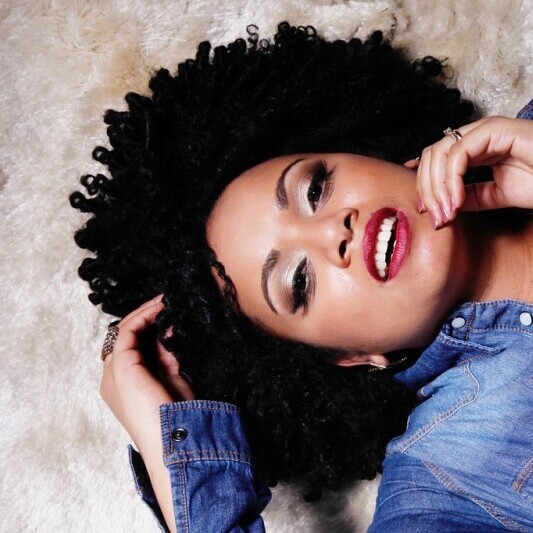
    Understanding the unique beauty of Afro hair begins with recognizing its diverse textures and types. Afro hair isn’t a one-size-fits-all; it spans a spectrum from tight coils to loose curls, and each type requires special care. Knowing what kind of hair your child has is the first step toward effective maintenance and embracing their natural beauty.

    Cultural pride is a big deal with Afro hair. This isn’t just about looks, it’s about identity and heritage. Encouraging children to love their natural hair helps build confidence and self-esteem. Emphasizing how hair can be a beautiful expression of who they are can make a world of difference in how they see themselves.

    Let’s be real, managing Afro-textured hair comes with its own set of challenges. It can be prone to dryness and breakage, and tangles are a common fight every morning. But with the right techniques and a bit of patience, these challenges can turn into moments of bonding and learning with your child.

    There’s a lot of noise out there about what Afro hair can and can’t do. Bust those myths with knowledge. For instance, the idea that Afro hair doesn’t grow is a big misconception. Understanding that proper care and styling can lead to healthy, long hair is vital. Setting the record straight helps in creating a healthy mindset about hair care.

    Essentials of Nutritional Hair Care

    Healthy hair starts from the inside. The foods your child eats play a big role in the health and strength of their Afro hair. Protein-rich foods like eggs and lean meats, along with plenty of fruits and veggies packed with vitamins and minerals, are essential to feed those curls and coils.

    Planning a hair care routine that fits your child’s age is super important. What a toddler’s hair needs might be different from what a preteen’s hair requires. Younger hair usually needs more gentleness and fewer products, while older kids might benefit from more moisturizing routines.

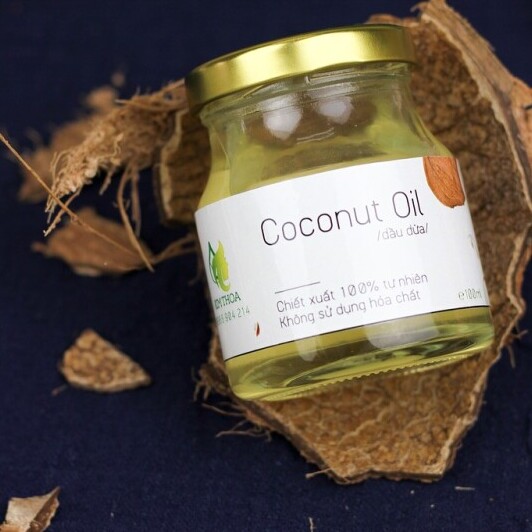
    Natural oils like coconut, jojoba, and argan are heroes in Afro hair care. These oils help keep hair moisturized and reduce breakage. Massaging oils into the scalp not only promotes hair health but can also be a relaxing ritual for your child that they might even look forward to.

    Hydration is key—inside and out. Make sure your child is drinking enough water throughout the day, as this keeps their entire body, including hair, well-hydrated. Proper moisture in hair care products can help tackle dryness and lock in that glossy shine for their natural curls.

    Healthy Hair Practices for Daily Care

    Everyday hair care routines play a crucial part in maintaining healthy Afro hair for your kids. Gentle tools and age-appropriate products are a must to avoid any damage to those lovely curls. Always be cautious with heat styling, opting for low temperatures and heat protectants to keep hair strong and healthy.

    Tangling can become a daily struggle, but with a bit of the right know-how, it doesn’t have to be a hassle. Start detangling from the tips and gently work your way up to the roots. Using a wide-tooth comb and a good detangling spray can make this process smooth and tear-free.

    Protective hairstyles are not just cute—they’re functional. Options like braids, twists, and buns help guard hair against daily wear and tear. They save time in morning routines and promote growth by reducing the need for constant combing.

    Choosing the right products is crucial. Consider products that are free from harmful chemicals like sulfates and parabens. Using shampoos and conditioners that moisturize and protect Afro hair can make wash day a breeze and keep those curls in top shape.

    Empowering Children through Hair Care Education

    Teaching children about their unique hair type is more than just hair care; it’s about building confidence and self-awareness. Helping them understand their hair’s needs and how to meet those is empowering. Whether it’s explaining why certain products work or showing what a healthy hair routine looks like, this knowledge sets them up for success.

    Self-esteem and hair identity go hand-in-hand. Celebrating their hair texture as a part of their cultural identity encourages pride and confidence. Complimenting and supporting their natural look positively impacts how they feel about themselves and reduces insecurity.

    Involving kids in hair styling can be fun and educational. Let them choose protective styles or assist in simple tasks like applying oils. This involvement not only makes hair care enjoyable but teaches them skills they’ll use as they grow older.

    Dealing with peer influences can be tricky. Kids might face pressure to straighten or alter their hair to fit in. Open conversations about diversity and embracing their natural beauty can help them stand strong against peer pressure and be proud of who they are at school or play.

  • Achieving A Flawless Twist Braid Out

    Achieving A Flawless Twist Braid Out

    Twist braid outs aren’t just a hairstyle; they’re a statement. Born out of creativity and a rich cultural heritage, they offer versatility that celebrates natural beauty in its true form. This frosty, coiled look is more than just stylish—it’s deeply rooted in tradition. When I was in University, this was my go-to style as I did not have time to get to a hairdresser it was easy for me to maintain. I also learned how to love my hair through this process.

    Why exactly is a twist braid out worth the effort? For starters, it’s gentle on your hair compared to heat styling methods. Think healthier locks that can shine in any weather. It’s about showing love to your hair, letting it thrive while looking fabulous.

    Many are enchanted by twist braid outs’ ability to create volume while defining curls. Just look at your favorite celebrities rocking this look at events or even on an off day. These styles are trendy because they’re remarkably stunning and adaptable.

    Every twist, every turn of hair tells a story. With a twist braid out, you’re part of a movement embracing natural curls with pride. Whether it’s the ease of transforming a casual day look to an elegant evening do, there’s something downright magical about it.

    The Essentials: Preparing for the Perfect Twist Braid Out

    Picking the right products is like choosing the perfect outfit—it just makes everything come together beautifully. Whether your hair is thick or fine, knowing which gels, creams, or oils work best is key. With so many products out there, it can be confusing. For tighter curls, heavier creams might be your best friend. Meanwhile, lightweight gels could be the go-to for managing looser curls.

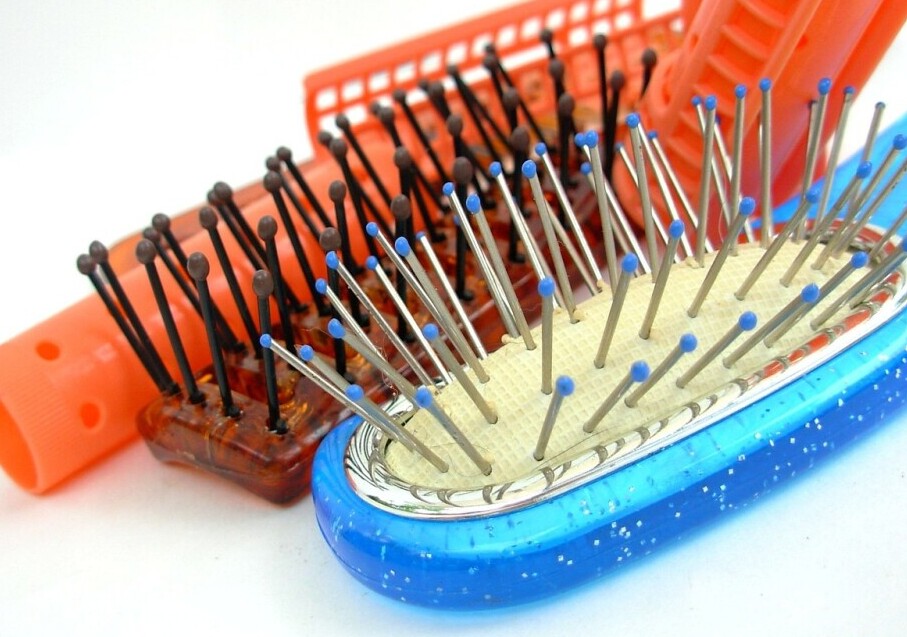
    Ever tried twisting without a comb? Yeah, let’s not do that again. Having the right tools is half the battle. Good tools ease the process, protect your hair, and keep it looking neat. I’m talking sturdy combs, trusty clips, and a heat protector for those moments when heat might be in the picture.

    Now, we can’t talk about preparation without a good start. Cleaning and conditioning your hair sets the stage for all the magic. Freshly washed hair takes on twists better and lasts longer. With a well-detangled mane, say goodbye to unwanted knots and hello to smooth, defined twists. It’s not just prep work—it lays the groundwork for a showstopper of a hairstyle. When I used to do a twist out, I always did it the night before and would then take it out in the morning.

    Mastering the Art: Step-by-Step Guide to Perfecting Your Twist Braid Out

    Getting twist braid outs right can feel like an art form. You want those curls defined and radiant, right? Start by dividing your hair into manageable sections. This step is crucial because it helps keep your twists uniform and organized, ensuring each strand receives the attention it deserves.

    Twisting may seem straightforward, but the magic lies in consistency. Focus on applying even pressure and maintaining the same size for each twist. This method guarantees a neat, cohesive look where every part of your hair tells the same story.

    Sometimes things don’t go as planned. Maybe a twist unravels or a section frizzes. Spotting these issues early and knowing how to tackle them saves you from any style mishaps. It’s all about practice and learning from each twist.

    Another game-changer is keeping your hands lightly oiled. This small trick helps reduce frizz and leaves behind a sleek finish. Remember, practice makes progress, so don’t shy away from experimenting until you find your rhythm.

    Beyond the Basics: Elevating Your Twist Braid Out Game

    Once you’ve got the foundation down, mix it up with different twisting styles. Going for a flat twist instead of traditional ones can freshen up your vibe, adding a sleek profile to the look. If your twist style is looking messy, you can do a twist out to help it look fuller and amazing.

    Accessories transform a twist braid out into something uniquely yours. A well-placed bead or stylish pin can elevate the aesthetic while adding a touch of personal flair. Hair wraps aren’t just for convenience; they’ve become a trendy statement that enhances every twist, showing style without saying a word.

    Hydration keeps a twist braid out looking lively long after styling. Using leave-in conditioners or lightweight oils can help keep curls popping over days. Retwisting at night or using a satin bonnet can maintain that perfect curl pattern, minimizing frizz and tangles.

    Don’t forget about edge maintenance, a crucial step that often gets overlooked. Touching up with a gentle edge control maintains that polished look. Every detail counts in keeping your twist braid out fresh and fabulous.

    Empowering Hair Care: Adopting Healthy Habits for Consistent Success

    Knowing your hair type is like understanding its language, helping tailor your care routine to its unique demands. This insight makes all the difference in achieving luscious results consistently—no more guessing games.

    Diet and hydration might not seem directly related to your twist outs, but they play a huge part. Drinking enough water and eating a balanced diet with lots of fruits and veggies can contribute to healthier, shinier hair. Strong hair from within is half the battle won in hair care.

    Routine is everything when it comes to maintaining healthy hair and fabulous twist outs. Setting consistent wash days, spacings between styles, and hydrating rituals balances style without compromising care. Life gets busy, but giving your hair regular TLC can lead to major benefits.

    Confidence comes through commitment and love for your natural hair. Nurturing your curls means making decisions that suit both your lifestyle and your hair’s needs, empowering you with styles that don’t just look good, but feel great too.

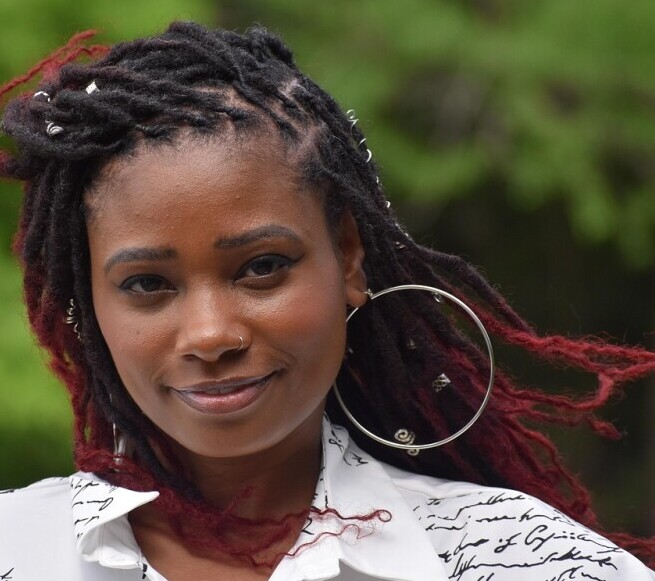
  • Add Some Glamour With Statement Hair Jewelry to your afro hair

    Add Some Glamour With Statement Hair Jewelry to your afro hair

    Hair jewelry isn’t just a fad, it’s making a serious comeback and it’s not hard to see why. Dating back centuries, people have always adorned their locks with shimmering accessories. Fast forward to now, and these pieces are popping up everywhere, from glamorous red carpets to trendy street styles.

    In today’s fashion landscape, individuality reigns supreme. Statement hair jewelry lets you make a bold look effortlessly, turning everyday hairstyles into something spectacular. You can see this trend all over Instagram and Pinterest, with influencers and celebrities showcasing intricate designs that make us all want to amp up our style game.

    Think of the Academy Awards or Met Gala – stars are often seen with these perfect glints in their hair, adding those final touches to their lavish gowns. That’s because hair jewelry doesn’t just complement an outfit, it completes it.

    With fashion becoming more about personal expression, these accessories allow us to experiment without commitment. Swap them out as often as you’d like – today’s faux-leather headband might be tomorrow’s crystal-embellished clip.

    As we steer away from conventional norms, hair jewelry isn’t just about looking good; it’s about feeling confident and expressing unique personality. It’s about owning your style, no matter what trends come and go.

    Types of Statement Hair Jewelry: Finding Your Perfect Piece

    When it comes to statement hair jewelry, there’s something for everyone. Whether you’re looking for a delicate piece or something more extravagant, understanding the different types can help you make the best choice for your style or occasion.

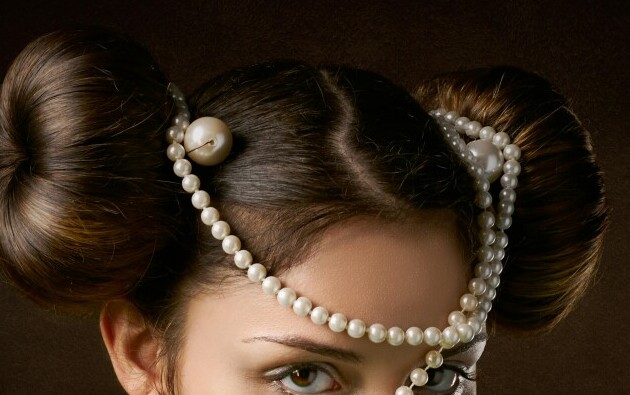
    Hair combs are probably the most classic. They’re perfect for those who want to channel a bit of vintage glam. These beauties come adorned with pearls, rhinestones, or intricate metallic designs, perfect for weddings or any special event.

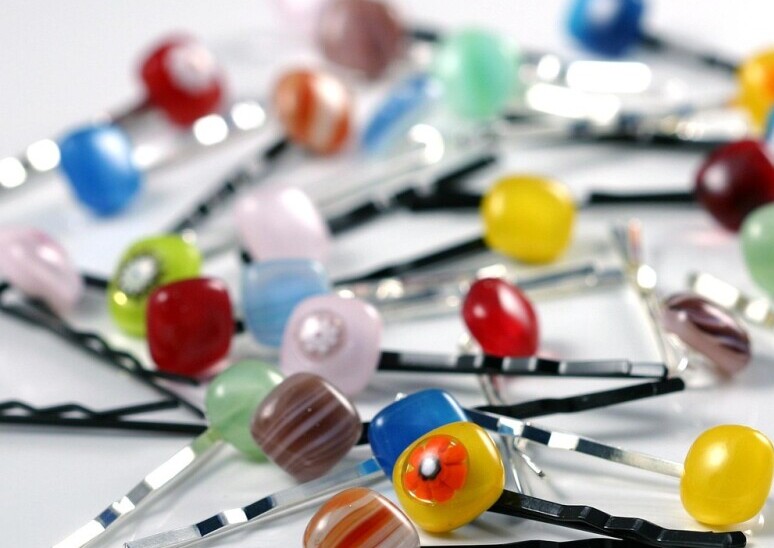
    Pins and clips are simple but pack a punch. They’re usually smaller but don’t underestimate their ability to make a statement. Simple geometric shapes or dainty florals work wonders on a casual chic wear day.

    If you’re about that boho vibe, clips and pins featuring natural stones or delicate feathers could be your go-tos.

    Headbands have soared in popularity, too. Velvet, gold threads, or multicolored gemstones, headbands have transformed from school uniform staples into chic adult accessories. They offer a super easy way to brighten your day-to-day look.

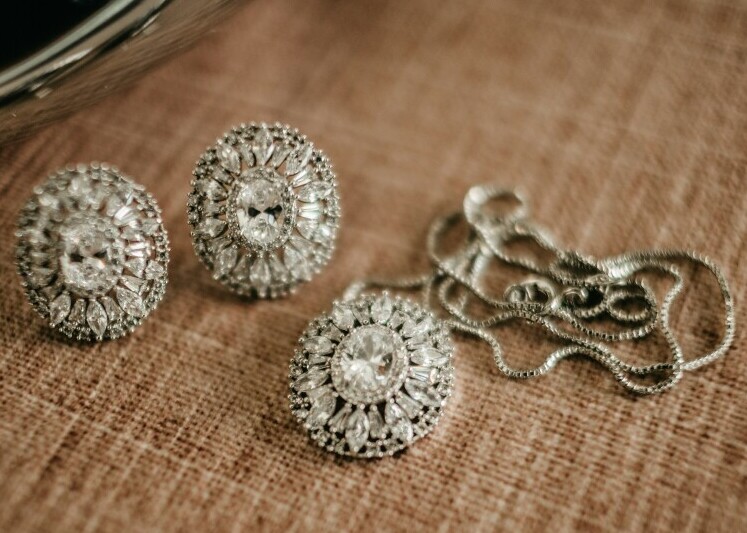
    Considering what material and design speak to you – shiny metals, soft fabrics, or intricate beading – is crucial. Balancing these choices with your personal style ensures the piece not only works for your wardrobe but also for who you are. Hair color and texture can play a big role, too. Shimmering metallics tend to pop against dark hair, while colorful pieces can accentuate lighter hues.

    Whether you’re just starting to get into hair jewelry or a seasoned pro, having a range of pieces lets you switch it up based on your mood. More isn’t always better, but having a few options never hurts.

    Expert Styling Tips: How to Incorporate Hair Jewelry into Your Look

    Dipping your toes into the world of hair jewelry can be intimidating, but it’s easier than it seems. Start simple by choosing a piece that speaks to your character. Begin with straightforward accessories like a chic clip or a dainty pin. These are easy to style and won’t overpower your outfit.

    When it comes to matching hair jewelry with your hair color and texture, less is often more. For dark hair, opt for metallic or lighter shades to create contrast, while brighter colors can complement blondes and redheads beautifully. If you’ve got curly hair, go for larger pieces that stand out and don’t disappear into your gorgeous locks.

    Getting the right style also means avoiding common pitfalls. One mistake is overcrowding. Rather than filling your hair with too many pieces, select one or two statement items and let them shine. Another tip? Balance the rest of your look with your accessory choice. If your hair jewelry is loud, consider keeping the rest of your outfit and makeup on the subtle side.

    Want your look to glide seamlessly from day to night? Transitioning is all about strategic swaps. Consider a more understated piece during the day and switch to something more sparkly or elaborate in the evening. It’s also important to look after your accessories, ensuring your hair jewelry remains as pristine as when you first got it.

    Don’t be afraid to mix it up. Hair jewelry isn’t about following rules; it’s about finding what suits you. Experimentation leads to the best kind of style evolution. Try different placements, combine textures, and maybe even layer pieces to see what unique looks you can create.

    DIY Statement Hair Jewelry: Crafting Personalized Pieces as a Fashion Statement

    Ever thought about making your own hair jewelry? It’s an awesome way to add a personal touch to your style while tapping into that creative side. Crafting your own pieces not only ensures exclusivity but can also be a more sustainable option.

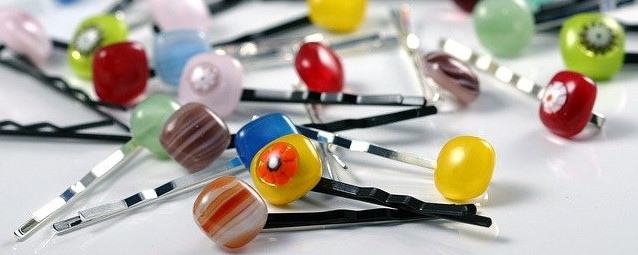
    Getting started is straightforward and doesn’t have to break the bank. Gather some basics like metal wire, beads, charms, or even repurposed jewelry from pieces you no longer wear. Hairpins, combs, and headbands can be the base for your projects, and then it’s all about decorating them your way.

    Simple tutorials are a google away. For beginners, creating custom hairpins or combs is a great place to start. Try adding a few beads or attaching charms that reflect your favorite things, like stars, shells, or even pearls. Use pliers and glue tailored for crafting to secure your unique designs.

    The best part? You can infuse your personal style, meaning no two pieces have to be the same. Let your imagination run wild and create something that truly represents your taste and story.

    DIY jewelry isn’t just about personal style, it’s about smart fashion choices too. By creating your own pieces, you’re not only saving money but also being more environmentally conscious—and that’s something to feel good about.

    Statement Hair Jewelry for All: Harnessing Glamour Regardless of Age, Gender, or Hair Type

    Statement hair jewelry knows no bounds. Forget any old-school ideas that these pieces are only for specific people or occasions. They’re a universal accessory that can enhance anyone’s style, from kids to seniors.

    No matter your age, there’s a piece of hair jewelry that can add that extra flair to your signature look. For the younger crowd, whimsical clips or playful headbands can make for a fun and casual fashion statement. For older folks, elegant metal combs can add sophistication and polish to any hairstyle without being over-the-top.

    Gender? No problem. Hair jewelry isn’t bound by traditional norms. Men can rock hair accessories just as well, whether it’s a sleek pin to hold their hair back or edgy clips that add a touch of cool to their look. These pieces can be as masculine or feminine as you want them to be—it’s all in how you wear it.

    Diverse hair types? Covered. From silky straight strands to curly manes, hair jewelry can work wonders with any texture. Larger pieces stand out in thicker hair, while subtler accessories complement light, fine hair.

    The beauty of statement hair jewelry lies in its inclusivity. It’s all about using these pieces to amplify your confidence and stay true to your personal style, whatever that may be.

  • Afro Hair Maintenance In Humid Climates

    Afro-textured hair is a beautiful and complex thing, full of coils, curls, and kinks that give it that iconic look. It’s not just hair; it’s a statement of identity and culture. But throw humidity into the mix, and things can get seriously wild. Knowing how your hair reacts to moisture in the air is half the battle in keeping those tresses looking fabulous and healthy.

    So, what’s the deal with afro hair and humidity? Imagine each hair strand as a sponge, soaking up not just moisture from the products you use, but also from the air around you. In humid climates, the high moisture content in the air means your hair can swell up and become frizzy, sometimes more so than you’d like. This is because the structure of curly and coiled hair naturally absorbs moisture from wherever it can.

    Now, let’s clear up some myths. Is humid weather a hair disaster that can’t be avoided? Not at all. Actually, when you know what’s going on with your hair in these climates, you can work with it instead of fighting it. Understanding the science behind afro hair’s reaction to humidity will help you choose the right products and techniques to manage it with grace.

    There’s a misconception that afro hair in humid climates becomes unmanageable or requires harsh treatment. Not true! With the right approach, you can embrace humidity as a natural ally rather than an enemy. It’s about working with your hair’s natural tendencies rather than trying to suppress them.

    So, what’s the takeaway? Humidity needs a strategy—knowing what your hair needs, choosing the right products, and the techniques that’ll help your afro-textured hair shine despite the tricky climate. You’re not just maintaining hair; you’re nurturing it!

    Hydration and Moisture Retention Strategies

    Keeping afro-textured hair hydrated, especially in humid climates, is key to maintaining its health and look. But what does hydration really mean for hair? It’s about ensuring that your hair doesn’t dry out, break, or get all tangled up.

    Finding the right products to keep that moisture locked in can be a game-changer. Think of hydrating sprays and leave-in conditioners as your new best friends. They’re like moisture magnets, helping your hair stay soft and manageable despite the stifling humidity. For example, lightweight, water-based products are awesome because they hydrate without making your hair feel heavy or greasy.

    Natural oils like coconut, jojoba, and argan can also work wonders for keeping afro hair moisturized. These oils create a barrier against the humidity, keeping the moisture in and the frizz out. You can apply them directly to your hair or mix them into your favorite conditioner for an extra hydration boost. Unless your hair is low-porosity then unfortunately the products will sit on your hair.

    If you’re curious about DIY solutions, there are plenty of things you can whip up in your kitchen that your hair will love. Think avocado masks or honey treatments. They’re easy, cheap, and packed with nutrients that feed your hair the moisture it craves.

    Hydration in humid weather isn’t just about what goes on your hair but also what goes into your body. Keep up your water intake! That’s right—stay hydrated from the inside out, and your hair will thank you for it. Combine that with the right products and a little bit of homemade love, and your afro-textured hair will handle that humid weather like a champ.

    Protective Hairstyles for Humid Climates

    Rocking protective hairstyles can be the ultimate ally for managing afro-textured hair in humid weather. These styles do more than just look good—they help shield your hair from the humidity and lock in moisture, reducing breakage and stress on those precious curls.

    Among the popular choices are braids, twists, and bantu knots. These styles keep your ends tucked away and minimize exposure to the humidity in the air. Plus, they’re super stylish and versatile—you can switch up your look while protecting your hair.

    The beauty of protective styles is their versatility. Want a look that screams casual chic? Give simple box braids or Senegalese twists a try—they’re easy to maintain and don’t require daily manipulation. For something more temporary, try a pineapple updo or a head wrap-style. Not only do these protect your follicles, but they’re also trendy and perfect for keeping things fresh on the fly.

    Creating these styles doesn’t have to be a salon-only affair. With a bit of practice, you can achieve stunning looks right at home. There are tons of video tutorials out there with step-by-step guides to get you started. Just remember, the less manipulation, the better! Less has always been more when it comes to keeping afro hair healthy.

    While protective styles are like armor against humidity, maintaining them is vital. Keep them clean, avoid tightening them too much, and let your scalp breathe. A little care goes a long way!

    Essential Hair Care Routines and Products

    A solid hair care routine in humid climates is the backbone of keeping afro-textured hair healthy and vibrant. Knowing what works and what doesn’t is crucial for taming frizz and preventing dryness.

    Think of the duo of a good shampoo and conditioner as the foundation. Go for products that are sulfate-free to avoid stripping essential oils from your hair. Look for those labeled as hydrating or specifically for curly hair. These often have ingredients like shea butter or coconut oil that provide an extra moisture hit.

    Deep conditioning becomes extra important in humid weather. Doing it regularly—say, once a week—can keep your hair nourished and bouncy. Try using a steam cap while you condition to help the nutrients soak into your strands.

    Another noteworthy tip is to combat frizz with the right styling products. Light gels or creams that define curls work well without weighing them down. These products can give you that smooth and sleek look, even when the humidity’s threatening to create chaos.

    Scalp care is not to be overlooked. A healthy scalp means healthy hair. Regular massages with natural oils can help in stimulating growth and maintaining scalp health. Keeping it moisturized and clean ensures your hair stays in its best shape despite the weather challenges.

    Lifestyle Tips and Tricks for Afro Hair Maintenance

    Taking a few lifestyle tweaks on board can make all the difference for afro hair in humid climates. It’s not just what you put on your hair but also how you go about daily routines that can influence hair health.

    Start by being a little choosy with your fabrics. Cotton pillowcases and clothes create friction and suck moisture away. Go for satin or silk pillowcases and scarves instead. They’re much gentler on your hair and minimize breakage and frizz.

    How you treat your hair when washing and drying it can also help beat the humidity. An old cotton t-shirt for drying is better than rough towels—less friction, more love. It’s all about cutting down on anything that might upset your curls.

    Eating right counts, too. Foods rich in omega-3 fatty acids like salmon, avocado, and nuts can contribute to healthier hair, making it more resilient to environmental stressors. Vitamins like Biotin and Vitamin E are also known to nurture hair from the inside.

    Lastly, keep your hydration game strong. Frequent sips of water aren’t just good for your health; they’re great for your hair. The combination of good hydration, balanced diet, and thoughtful styling can keep your afro hair thriving, even when the weather’s against you.

  • Easy Protective Styles For Short Natural Hair

    Short natural hair is beyond just a style; it’s a statement of confidence and authenticity. There’s something so refreshing about rocking your natural texture, and with the right care, it shines bright. Whether you’re just starting out or you’ve been owning your look for years, embracing your curls can be empowering.

    Every head of hair tells a unique story. With natural hair, understanding your specific curl pattern and texture is key. Maybe you’re a coil enthusiast, or perhaps your curls are looser, or even a mix. Knowing this helps tailor how you care for and style your hair, making the day-to-day management smoother and more enjoyable.

    Short hair needs love just like long tresses. It’s about enhancing your natural beauty and working with what you got. Adding definition to your curls with lightweight gel or mousse, or showing off volume by teasing your fro just right—these little tricks elevate your style instantly. And let’s not forget, sometimes simplicity shines the brightest. A clean, freshly washed ‘do can be incredibly sophisticated.

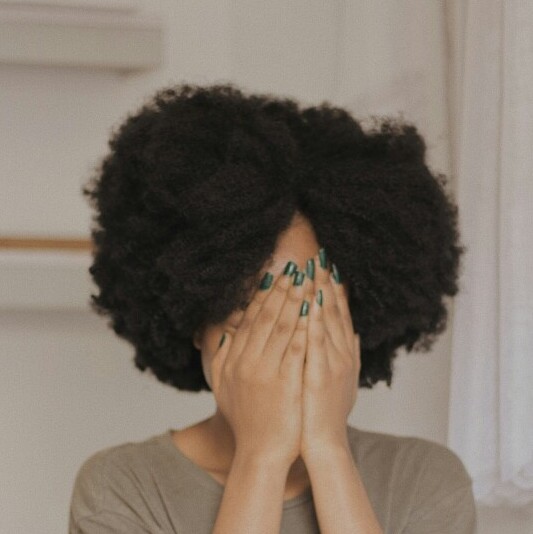
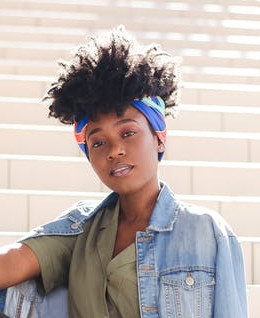
    Short Afro hair

    Building a routine that works for you is half the battle. Regular cleansing, conditioning, and a bit of styling work wonders. Short hair can sometimes show the results of poor health more readily, so keeping it nourished and moisturized is crucial. Look for products that hydrate, protecting your strands from everyday wear and tear.

    Benefits of Protective Styles for Short Natural Hair

    Protective styles aren’t just for fashion—they’re a lifesaver for maintaining short natural hair. With less fuss and more focus on keeping your hair healthy, these styles offer both flair and function. They help in preserving those precious inches and taking a break from daily hair management.

    When you’re aiming to reduce breakage, protective styles work wonders. These styles shield delicate ends from environmental stressors, keeping your hair healthier and stronger. No more worrying about frizz and flyaways from that unexpected rain shower! Plus, who doesn’t want to save time on styling in the morning?
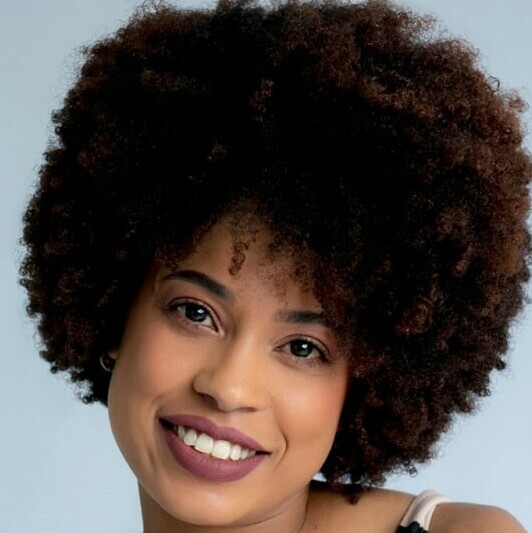
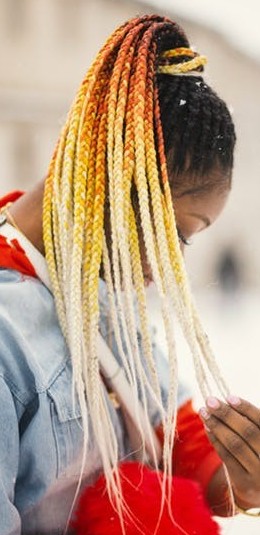
    Curly colored hair

    Imagine starting your day with minimal styling time. Protective styles give you that luxury. Once you set your hair, you’re usually good to go for days, sometimes weeks. It’s all about maximizing your time without sacrificing your style.

    Another bonus is moisture retention. Natural hair thrives on moisture, and with protective styles, your hair retains more of its natural oils. This can mean a softer texture and enhanced curl pattern. Check your hair and feel the difference yourself!

    Ultimately, giving your hair a bit of a rest is key to maintaining its health and strength. Taking breaks between styling routines can help your hair breathe and grow without being constantly tugged or manipulated.

    Top 5 Easy Protective Styles for Short Naturals

    Twist-outs are a fabulous go-to for showcasing curls. This technique involves twisting sections of your hair and letting them set into defined curls. Once dry, unravel them gently for a look that can easily last a few days. It’s a style that’s easy to achieve and maintain.

    twist out curly hair

    Bantu knots bring both style and cultural heritage to the forefront. These small coiled buns not only protect your hair but also offer a striking look. They’re perfect for turning heads and having a bit of fun with your style without much hassle.

    Box braids aren’t just for long hair. Short natural hair looks chic and polished with the right size of braids. They offer a classic look without weighing down your strands, are versatile, and can even be dressed up or down depending on your outfit or event.

    Braids

    Cornrows and flat twists are timeless. They keep the hair close to the scalp, reducing tension while looking sophisticated. For an added twist, combine different patterns or part designs to create something uniquely yours.

    Wigs and extensions are a safe bet for variety. If you’re craving a longer style or simply want to switch things up, wigs allow you to experiment without making permanent changes. Just make sure to keep your natural hair moisture-locked beneath to maintain its health.

    Tips for Maintaining and Transitioning Between Styles

    Keeping your scalp healthy while wearing protective styles is crucial. A clean and moisturized scalp makes all the difference. Try using a scalp serum or oil to soothe any itchiness and keep your skin hydrated.

    Choosing products tailored to your hair type can make or break your styling efforts. Lightweight moisturizers or leave-in conditioners are ideal for maintaining softness and avoiding buildup that could weigh down your curls.

    Managing time between styles ensures longevity in hair health. Take short breaks between protective styles to allow your hair and scalp to breathe. These rest periods are perfect to pamper your hair with a deep conditioning treatment.

    Regular trims are often overlooked but are essential. Even in protective styles, keeping your ends clipped helps prevent split ends from creeping up the strand, keeping your hair looking fresh and healthy.
    Switching styles should be fun, not stressful. Experiment with new looks but maintain a balance. Listen to your hair and give it what it needs—a mix of styling and rest can make your journey more enjoyable.

  • Protective Styles With Marley Hair

    If you’re looking to switch up your hairstyle while also promoting your hair’s health, protective styles might just be the perfect route for you. And that’s where Marley hair enters the picture. But what is it, really? Well, it’s a type of synthetic hair named after the iconic musician Bob Marley because of its natural texture that closely resembles Afro-textured hair.

    Protective hairstyles such as twists, braids, and buns serve a greater purpose than just looking good. These styles tuck away the ends of your hair, shielding them from environmental stressors like harsh weather and reducing manipulation, which can lead to breakage. Using Marley hair for these styles offers a seamless blend with your natural hair, which is both aesthetically pleasing and beneficial for hair health.

    twists

    One of the key benefits of Marley hair is its versatility. No matter your hair type, you can find a style that’s going to include this hair to provide protection and ease of maintenance. Plus, it’s soft, lightweight, and can be easily manipulated to match your desired look. Choosing a protective style that uses Marley hair isn’t just about safeguarding your tresses, it’s also about expressing your personal style without compromising hair health.

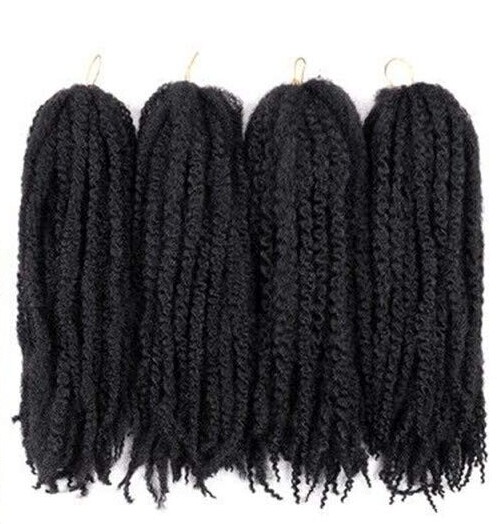
    afro kinky

    You’re going to find out about how to select the perfect match for your protective hairstyle in the next section. Choosing the right Marley hair is more than picking a color or texture, it involves understanding which quality of hair supports longevity and meshes well with your natural texture. I’ll walk you through this process, ensuring you make an informed choice for that perfect protective style.

    Choosing the Right Marley Hair for Your Protective Style

    You’re probably wondering how to pick the best Marley hair for your next protective hairstyle. It’s not just about grabbing a pack off the shelf; you need to consider a few key factors to ensure you’re making the right choice for your hair’s health and the style’s longevity.

    First up, let’s talk quality. High-quality Marley hair will feel soft to the touch, be easy to handle, and most importantly, be gentle on your natural hair. Look for reviews or ask your hairstylist for recommendations to pinpoint the brands that are known for their superior quality.

    Length and color come next. Are you going for a short, chic look or long, voluptuous twists? Marley hair comes in a variety of lengths and an array of colors to match your natural hair or give you a new, vibrant look. Remember, the longer the hair, the more packs you might need.

    I want to give you a heads up about something crucial: the differences in texture. Not all Marley hair is created equal, and you’ll find that some textures blend better with certain hair types. If you’re unsure, opt for a texture that closely resembles your own; this will not only look more natural but also prevent tension on your roots.

    Now, when it comes to shopping, choose something that resonates with you and your budget. It can be tempting to skimp on cost, but cheaper options sometimes lead to disappointment. It’s a fine balance between affordability and quality. Trusted brands often mean a slightly higher price tag, but you’re really investing in your hair’s well-being.

    There are a couple of pitfalls you want to avoid—low-grade synthetic hair that’s too shiny and plastic-like, which can look unnatural, or hair that’s excessively coarse, which can cause damage to your natural strands. Get to know the hallmarks of good Marley hair and keep them in mind while you browse.

    Step-by-Step Guide to Creating Protective Styles with Marley Hair

    I’m going to walk you through how to bring those protective styles to life using Marley hair. First things first, you want to get your natural hair ready. That means washing, deep conditioning, and thoroughly detangling your hair. For the Marley hair, a good pre-installation step is to soak it in apple cider vinegar mixed with warm water to prevent any itching.

    Now, you’re going to find out about some of the most popular protective styles with Marley hair. Let’s tackle twists, for starters. They’re not just protective; they’re also relatively easy to do. Part your hair into sections, attach the Marley hair at the roots, and twist away. Remember to seal the ends with a little boiling water or a lighter (but be extra careful). Depending on the brand you have gained some will not need to be dipped in water.

    Braids are another style you can achieve with Marley hair. You can choose box braids, crochet braids, or even goddess braids. The process is similar to twists: section, attach, braid. Secure the ends, and you’ve got a braid that’s ready to last.

    For those who prefer an updo, Marley hair can be fashioned into a faux bun or pompadour. Secure your natural hair into a tight base, and then wrap the Marley hair around to create volume and shape. Add in some hairpins, and voila, elegance meets protection.

    Don’t worry too much about perfection on your first try. This is all about preserving your natural hair’s health with a style that resonates with you. Choose something that you’re comfortable wearing and that you feel confident in maintaining.

    You can always adjust your approach down the road. If a style feels too tight or causes discomfort, take it down. Your edges will thank you. And speaking of maintenance, that’s going to include regular scalp care and cleansing – but more on that shortly.

    Solving Common Challenges with Marley Hair Styling

    Marley hair is a popular choice for protective styles, but like all good things, it can come with its set of challenges. Don’t worry too much about this; there are solutions to common issues you might encounter. Let’s tackle a few of them together.

    Tangling is possibly the most frequent issue you’re going to face. Marley hair is known for its kinky, coily texture which means it can sometimes get interwoven with itself. The trick here is to handle the hair gently and use a wide-tooth comb or your fingers to detangle, starting from the tips and gradually working up to the roots. If you have a spray bottle you can use it also to untangle the hair easily.

    Feeling itchiness on your scalp? This isn’t just an annoyance; it can also lead to more serious scalp problems. Often, a good wash before installation can remove any coating on the fibers that may cause irritation. If the itchiness persists, consider using a soothing scalp oil or spray for relief.

    If your style feels too bulky, then it might be a case of using too much hair. Remember, choose something that resonates with you and what’s comfortable for your head and neck. For next time, you can always adjust your approach down the road by using less hair to achieve a lighter feel.

    Your protective style is meant to be both stylish and functional, but there comes a time when you need to know when to take it down. Too much time with a protective style can turn counterproductive, leading to tangles and matting of your natural hair. A general guideline is to remove and replace your style every six to eight weeks.

    I really hope that you take these troubleshooting tips to heart since they’re going to help extend the life and look of your Marley hair protective styles. In the next section, we’re going to discuss how to sustain healthy hair beneath your protective style, which is key to maintaining overall hair health.

    Sustaining Healthy Hair Beneath Your Protective Style

    I’m here to help you with keeping your natural hair healthy while it’s tucked away in those gorgeous Marley twists or braids. This isn’t just about maintaining the protective style; it’s also about caring for the hair beneath to ensure it’s as strong and healthy as when you first styled it.

    Moisture is your best friend when it comes to protective styling. You’re going to find out about simple moisturizing practices that keep your hair hydrated, like using a leave-in conditioner or a daily spritz of water mixed with essential oils.

    Protective styles can sometimes become a breeding ground for bacteria if not properly taken care of. I’ll share a straightforward scalp care regimen, so you can prevent buildup and keep your scalp fresh and healthy.

    In my opinion, taking down your protective style is as important as putting it up. I’ll guide you on the signs to look for that signal it’s time for a change and how to safely remove your Marley hair without causing breakage to your natural locks.

    Lastly, remember that if you’re ever in doubt about the health of your hair or scalp, it’s entirely okay to seek advice from a professional stylist. They can provide targeted solutions to ensure your hair journey is a success.

    Just don’t focus too much on perfection; protective styling is a learning process. Your first attempt doesn’t need to be your last. Switch up your styles, choose something that resonates with you, and enjoy the journey of maintaining luscious locks beneath your protective Marley hair.

  • Protective Styling To Prevent Hair Breakage On Afro Natural Hair

    Protective styling isn’t just a set of hair techniques; it’s a crucial approach to maintaining afro natural hair’s health and vitality. It involves tucking away your ends, which are the oldest and most fragile part of your hair, to shield them from daily environmental stress.

    One of the main reasons you’re going to find protective styling so beneficial is its ability to help you retain hair length. By keeping your ends safe from mechanical damage like rubbing against clothing or rough surfaces, the likelihood of breakage drops significantly.

    Moreover, afro-textured hair thrives on moisture, and protective styles are great for keeping that vital hydration locked in. When your hair is styled in such a way that it doesn’t constantly lose moisture, it stays stronger and more resilient. A good moisture balance directly correlates with fewer split ends and breakage.

    Now, this isn’t just hearsay. There’s a firm scientific basis behind it. Experts agree that reduced manipulation of your hair—achieved through styles that don’t require daily combing or styling—can contribute to length retention and overall hair health. It’s all about minimizing the stress on your hair strands.

    Next, you’re going to learn how to choose the best protective styles that suit your hair type and complement your lifestyle. This includes knowing which styles work best for your hair’s texture and porosity, and how to personalize these styles to align with your daily routine and personal flair.

    Choosing the Best Protective Styles for Your Hair Type and Lifestyle

    In my opinion, not all protective styles are created equal, especially when it comes to afro natural hair. Your unique hair texture and lifestyle should guide your choice. I’m here to help you with that decision.

    Let’s talk about the factors that should influence your choice. Think about your daily routine, the time you can dedicate to hair maintenance, and how your hair reacts to different styles. For example, if you’re an active person, you might prefer a low-maintenance style that stays intact during workouts.

    You’re going to find out about some popular protective styles now. Braids, like box braids or cornrows, are classics for a reason. Twists are another go-to, including options like Senegalese or passion twists. For those wanting less manipulation, updos or bun styles can be a great choice, keeping the ends tucked away and secure.

    Choose something that resonates with you, but also be mindful of your hair’s needs. If your hair has low porosity, it’s better to opt for styles that don’t require frequent wetting and allow for easy product application.

    Don’t worry too much about sticking to trends. A lot is happening very quickly in the world of hair fashion, but the best protective style for you is one that protects your hair and fits seamlessly into your life. Next, we’ll delve into how to install these styles without inviting damage, because the last thing you want is a style that’s supposed to protect your hair to be the cause of harm.

    Essentials Techniques for Installing Protective Styles without Causing Damage

    Pre-styling hair care is crucial for maintaining strong, breakage-resistant strands. Before you even begin braiding or twisting, ensure your hair is clean, moisturized, and detangled. Using a leave-in conditioner or a light protein treatment can fortify your hair’s natural structure, making it less prone to snapping under strain.

    When it comes to the actual installation process, gentle handling is the name of the game. Start by sectioning your hair neatly and applying a nourishing oil or butter to seal in moisture. As you weave each section, be mindful of the tension you’re applying. Your roots should feel secure, but never painful.

    Speaking of tension, it’s the enemy of healthy edges. Over-tightening can lead not only to immediate discomfort but also long-term damage like traction alopecia. If you’re installing braids or twists, they should be snug but comfortable, allowing for natural movement without pulling at the scalp.

    Lastly, while DIY styles save money, don’t underestimate the value of a seasoned professional stylist. They have the expertise to choose the right tension for your hair type and can offer personalized advice for your specific needs. If you decide to go to a salon, make sure you communicate any concerns you have about tension and scalp health.

    Maintaining Your Protective Style for Optimal Hair Health

    Nurturing your protective style isn’t just about looking good; it’s a crucial element in keeping your afro natural hair healthy. Let’s talk about some daily maintenance tips that can make all the difference. Regular scalp care is paramount. You’re going to find out about lightweight oils and sprays that can refresh your hair without causing build-up.

    If you want to avoid dryness and promote growth, I’m here to help you with some product recommendations and do-it-yourself solutions that are kind to your hair and pocket. This is where a good hydrating spray infused with essential oils like peppermint or tea tree can provide both moisture and a healthy scalp environment.

    But remember, even the best protective styles have an expiration date. You’ll need to know the signs that suggest it’s time to free your locks and let them breathe. Prolonged tension can lead to damage, so don’t worry too much about stretching your style beyond its healthy lifespan.

    After removing your protective style, think hydration, hydration, hydration. Your hair has been tucked away, and now it’s craving moisture. Treat it to a deep conditioning session to restore elasticity and shine. Maybe you’ve been dreading the take-down process, but it’s also an opportunity to check the health of your hair and give it the TLC it deserves.

  • Hair braiding styles for black afro hair and it’s maintenance

    As mentioned earlier in my blogs, there are various methods of getting protective styling. One of the methods that I mentioned was braiding. Now braiding is a great way to protect especially Afro hair from being exposed to the harsh weather conditions. It’s also a way of maintaining the hair as it is curly and tangles a lot if it is not in a protected style or even properly maintained. I did not realize this but when I was a lot younger, I had my hair cut short for a long time. I must have started getting it done when I was a little older. I did not get a relaxer until I was almost 13 or 14 years old, but I also got rid of chemicals from my hair at 19 years old. Ever since that time, I have only left my hair in its natural state although I used to blow dry it regularly. At the age of 19, I worked on learning how to look after hair so that I was able to maintain my own hair. It was something that started as a passion and to this day still is because I always look after my hair.  Another reason for this was the fact that I stopped blow drying my hair often.

    Braiding Styles

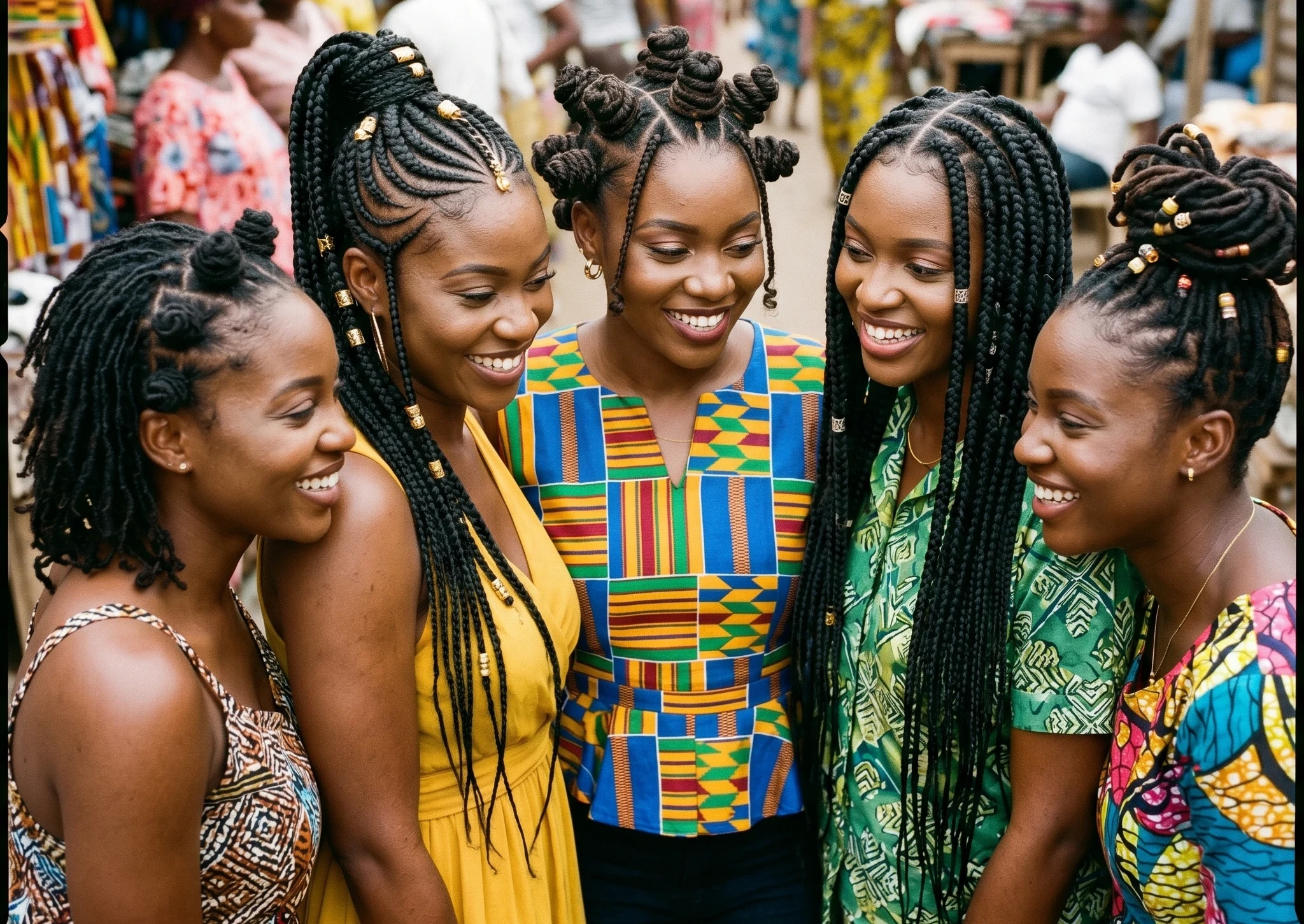
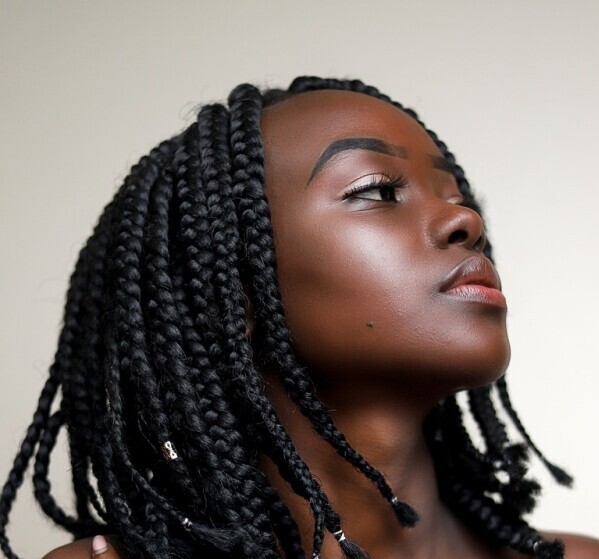
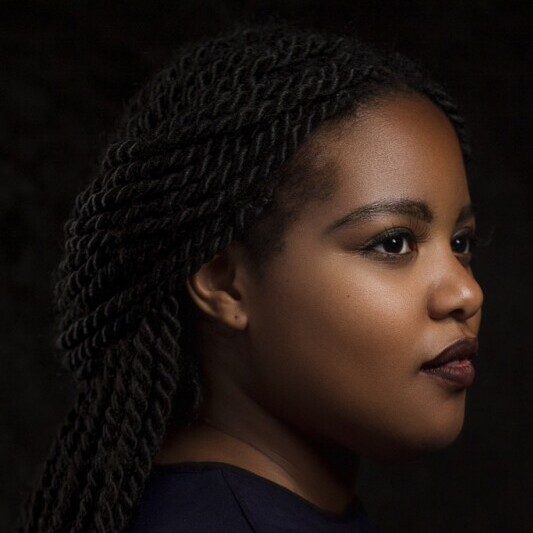
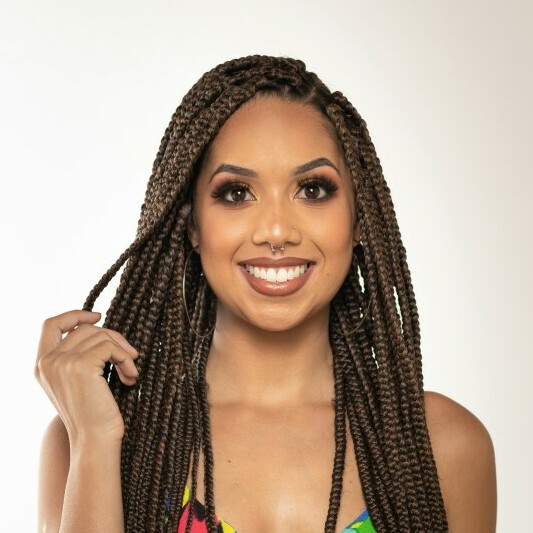
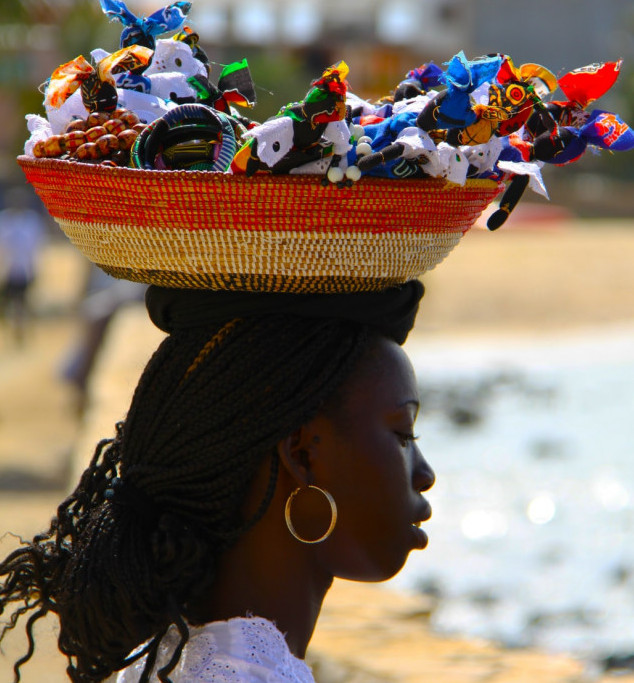
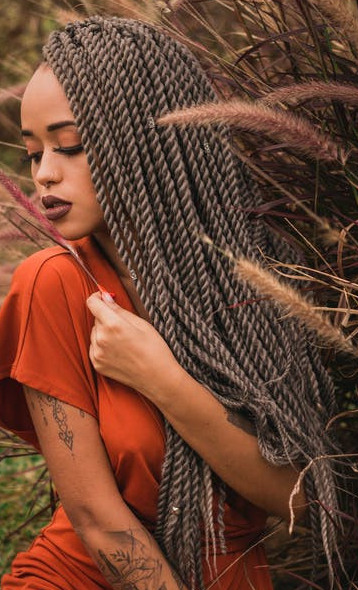
    Braiding styles and patterns come in all different shapes and forms. In certain parts of Africa they signify a certain clan and were a way of identifying specific family members. Therefore, if you go to different parts of the continent, you will find different styles that are authentic to a region. In the cities, people normally just wear whatever style they like or what is considered in fashion. As you can see from the pictures below, here is an example of popular braided styles.

    Braid Maintenance

    I remember one question that individuals often used to ask and that is how to maintain braids. If you braid your hair without adding any extensions, they will only last for up to two weeks. Mainly it’s because your hair grows and it will start to get frizzy. If you use a satin cloth when you go to sleep every day, you can keep it in for longer. The size of the braid will also make a difference to how long it will last. If you have the really large cornrows on your hair say about 2 of them, I tend to last a week, however for some individuals they only last for about 2 to 3 days. If you have smaller cornrows, they can even last for a month depending on how well you take care of them. For others, they can only last 2 weeks, however maintenance is key.

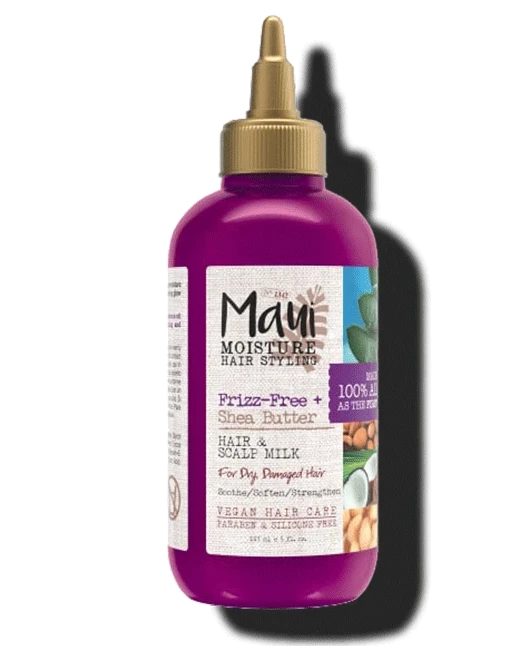
    If your scalp is itchy, I did recommend some products that could be used to help in maintaining it well.

    Washing braids

    Yes braids can be washed, there are a few methods that you can use to help in making sure that they last a little longer on your scalp. Before you braid your hair, it’s important to have a clean scalp. This helps in keeping the scalp cleaner for longer and also in keeping the braids in good condition. Normally before the process of braiding, your hair has to be moisturized and stretched to get the best results. After the installation of the braids or your own hair, I always make sure that a few days after the braiding, if my scalp seems a little dry I will definitely moisturize it. Now the thing with moisturizer for my hair, I tend to use a lighter oil rather than a heavier oil. The main reason is that it minimizes any itching that can take place. After the first week, sometimes, I use a spirit to clean my scalp and minimize any type of itch, but once it dries out, I will put moisturizer immediately to stop any dryness.

    Normally after a week or two I will wash the hair with shampoo and conditioner. The problem I normally find with braids in general, they tend to have build-up after a few weeks. It’s very difficult to avoid buildup and sometimes you just have to remove the braids to avoid your hair getting tangled and minimizing breakage.

    Removal of braids

    When you remove your braids, you have to make sure that you try to detangle each braid as soon as possible. If you remove all the braids in one go and do not detangle bit by bit, if you don’t do that, you will have a sore scalp. Make sure that you have someone assist you with the process as it may take some time. Make sure that you use the detangling shampoo as well to make the process smoother. During the process of removal, it’s wise to have some olive oil at the side and spray your hair each time. It will help with the detangling process.

    Breaks

    It is important to note that you must take a break between braiding. If you can give your scalp some time to breath, it’s vital and important. The main reason is that you need to let your hair breathe. Many individuals do not like to expose their hair, maybe they don’t like the length or it’s difficult to do anything with it in its natural state and that is understandable, but you just have to find what works for you. We are fortunate that more than ever there are many options in this day and age. If you want, you can wrap your hair and not have to expose it to anyone. A break of 2 weeks to a month is sufficient, but the longer the break the better for your hair.

    After Care

    I mention this because I have braided my hair many times. You have to be careful how you look after your scalp. I remember one time I was braiding my hair and I happened to put in the braid a little too tight. On that particular day for some reason, I bumped my poor hair onto a ledge. Afterwards, I felt a tingling sensation that did not go away. On removal of my braid, I found that my hair literally fell out. The fact that I had pulled my hair too hard and the impact of the hit caused me to have a little bold spot on my scalp. I was lucky that it grew back, however I had to change the way I styled my hair significantly. I also had to be careful how I was doing my hair to make sure never to repeat that mistake again. You must always give your hair a break after braiding so that you allow your hair to breath and also grow. You also need to check your scalp to make sure that you don’t have any dandruff and if you do that you get it treated before you braid your scalp again. In terms of hygiene if you have someone that braids you, it’s fine to ensure that the items used on your scalp are also clean. If you must you can even use your own hair tools for your own peace of mind. These are critical things to think about when you do braid your hair.

    What sort of styles do you like to do on your hair? Have you braided your hair without a break?

  • Scalp care on braided afro-hair to keep it healthy

    Happy new year, I hope 2020 will bring perfect vision into your life. Throughout this holiday, I had the comfort or rather the luxury of getting my hair braided for the holidays. Normally depending on the length of time I have available I tend not to do it as much as I would when I was a lot younger.

    Getting hair braided

    Now depending on how often you get your hair into a protective styling which is what is often common especially on afro hair, I decided to have it styled for the Christmas period. I ended up doing a hairstyle, which I had not done in a long time which typically I would do when going to school. I would say that it’s quite similar to the style below, however it was just with my own hair. After washing it with a wonderful shampoo, that smelled amazing which my sister wanted me to try as we were both doing our hair together, I had to get it blow-dried for the styling.

    Getting the hair braided was quick and it took about 45 mins to 1 hour. I had to wait in the salon for my sister as we had gone together. After three hours at the hair-dressers, we ended up going home and got complimented on our looks, we both had different styles. To give a description of my hairdo, I had my hair braided up to the middle of my scalp and also a few braids hanging towards the front of my face. My sister had a simple braid back as she wanted to put a wig on and did not really want anything fancy.

    Now one thing I did not mention was that before the hair was braided, I asked the lady to oil my hair but I did not check to see if the ingredients would be problematic to my scalp. In the first week all was well, however I started feeling slightly itchy on my scalp. By the second week, my scalp actually got really itchy. I was trying not to scratch it unecessarily, however there was no relief in sight.

    Scalp care

    Normally, after hair is braided, different individuals normally maintain their scalps in many ways. Some individuals try to avoid washing their scalps as that would loosen the braid and therefore causing their hair to look unkempt. Due to the fact that I had just braided my own hair I knew that by washing it, It would get frizzy. Therefore I took some olive oil spray which I had and used it to ensure that my scalp stayed well moisturised. It seemed to work for a few days, however after some time it also became a little ineffective. I needed some type of solution and for me using the harsher shampoos with sulfate it would have an impact on my hair by causing it to be too dry.

    I dared to leave my hair for two weeks, however by the end of the second week it was quite flaky and I had to do something about it. Therefore I ended up getting some tea tree oil conditioner and one of my favourite himalaya shampoo. When I washed my scalp, I put the shampoo in place twice as I kept scrubbing and rinsing it. Once I had the conditioner on my scalp, I left it for about 5 mins in order to feel the impact. It felt really clean. I ended up rinsing my hair and my scalp was in great condition. The only thing I ended up doing was putting some oil on my scalp to ensure that it does not get dry.

    Now sometimes for the sake of ensuring that the braid stays intact an individual can decided to forgo washing, however from that moment, I learnt that I cannot do that on my scalp, it’s just too sensitive to be left as it is.

    I think it’s normal to have an itchy scalp after you braid and basically it’s because your hair is being pulled from the scalp. Additionally, some individuals tend to leave their braids without worrying about how to moisturise it.

    Moisture

    It’s very important to make sure that even though you have your hair in a protective style that you are maintaining it. There is still growth and your hair will keep shedding regardless of the fact that you are not combing it everyday. Although your braids  can get a little loose, it’s nothing to worry about as the condition of your scalp is important to stimulate your cuticles to help your hair in growing. You don’t want to have your hair braided and once you remove your braids, your hair is also coming off with the braids.

    A clean scalp will help in getting your hair to grow. I have also listed a few products at the bottom that are great for braided hair in ensuring that it remains moisturised. If you are allergic to some of the ingredients, make sure that you use something that will suit you. A lot of individuals use what others tell them but not everything will work for you.

    Some of the sprays that help when hair is braided are:

    1. Sulfur 8 braid spray medicated anti-dandruff treatment
    2. Jamaican Mango and lime maximum  no more itch gro spray
    3. African royale brx braid and extension sheen spray
    4. Dudu-Osun anti-itch braiding spray
    5. Parnevu T tree braid spray
    6. Ashea braiding and lock spray

    I have not listed all of them, however there are quite a few brands that provide these types of products that can be useful for your scalp. The benefit of most of these products is that they minimize itchiness and maximize your hair growth.

    Through this little experiment that I tried over the holiday period, I realised how important it was for me to maintain a clean scalp as I mentioned earlier I don’t really braid my hair too much.  Be careful to keep your scalp clean no matter how  frizzy your hair will look. Additionally, if your hair does not hold a braid for a long time, there is no use in keeping it on your scalp for too long.

    Has anyone ever put in braids for far too long on their scalp? If you did, what did you do about it?

  • Best protective styles for natural hair

    This document will be about the different types of protective styles are and how they can assist you in looking after your curly hair. I was fortunate that when I was a lot younger, since I have an interest in hair dressing I was able to learn how to put my hair in a protective style. I will also briefly cover what the benefits of some of the styles.

    Easy styles

    The easiest protective styles that anyone can put on their head is twists or braids with your own hair. Now after I realised how damaging the blow dryer can be, I stopped using it, I was not quite sure what to do with my hair. Since I wash my hair often I found it easy to put them in twists. Now everyone has a different opinion on them in terms of presentation but if it is a bother to you, there are lots of quality wigs nowadays that you can use, therefore it’s not too hard to put them on your head. The advantage of twists and braids on your head is that it can be quite easy to maintain and you can easily moisturise every night. The other great thing is that it promotes hair growth.

    Braids with extensions

    Braids with extension can be another style to have on your head. They are great because your hair will look presentable always and you can choose any length you want. In terms of maintenance, they tend to be a little tricky as if you don’t moisturise, your hair will definitely dry out. Secondly, there tends to be build up especially if you are trying to moisturise as often as possible. A few tricks to combat this problem is to either use some spirit to clean around your scalp area to reduce itchiness. Additionally you can add some light oil to avoid your hair drying out. Braids, have a time period and when they start looking messy, it’s definitely time to take them off. If you can get the front part redone, you should do that, however it’s best to remove once they are messy. You will minimise breakage. It also promotes hair growth.

    Hair with extensions

    Crochet Braids

    Trends are changing and gone are the days of long hours at the salon. When I first discovered Crocheting, it changed my life in ways you cannot imagine. I love this style. it’s so versatile and easy. Additionally, there is a lot less breakage on your scalp. When I do crochet, I don’t have to worry about much as most of the time it looks so natural whatever hair type I want. It does not take long and you can do braids, locks, afro’s or open hair. It normally last for about 4 – 6 weeks depending on how you look after it and I find that it can be a little tricky to maintain depending on what type of style you have. I think making sure that you use a deep treatment method will help in adding moisture to the hair after you take off your crotchet braids.

    Weaves

    People used weaves quite a bit back in the day and I think nowadays with the newer styles weaves are used only for certain sections of the head or to add a little body to the hair if necessary.  Weaves would be used a lot more for special occasions such as graduations, weddings and other types of events. Weaves tend to be the trickiest to maintain as if you do wash it, you must blow dry your roots, otherwise they will smell. It’s also wise to use a leave in conditioner before you braid your hair down to minimise any breakage as well.

    LOCKS

    Locks are quite common nowadays and if maintained appropriately, they look amazing. The beauty of locks is that you can style them in any way you want and they make your hair grow really fast. The trick with locks though is that when you wash them. You have to make sure that you dry them extremely well. Another thing with locks is that they grow quite fast, so you have to keep getting your root’s re-twisted almost every week which can be time consuming. Locks can be braided if you want a different look and can be styled in any other way if you want.

    Conclusion

    All these protective styles make afro hair so versatile and therefore even though you get knots and tangles, having the protective styles means minimising the trouble of taking knots out of the curly hair. The other things beneficial to curly hair is that if it’s left on it’s own without much disturbance it tends to grow quite a lot. I think that every individual with curly hair does have a preference for a specific protective style in general. Although we were born with curly hair, we don’t have to be limited to having it in the curly state all the time and that’s one thing I love about curly hair.
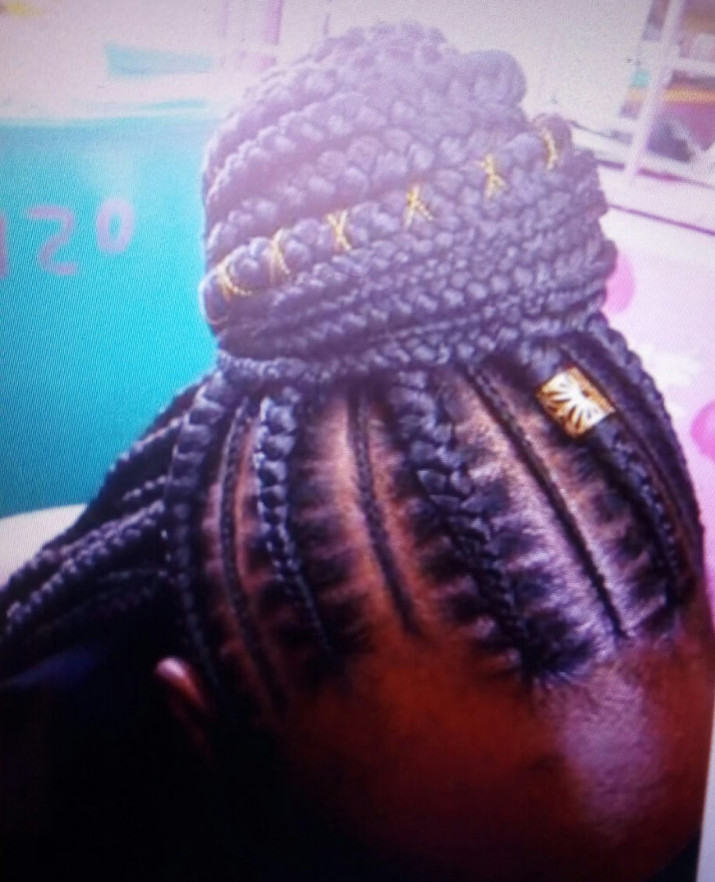
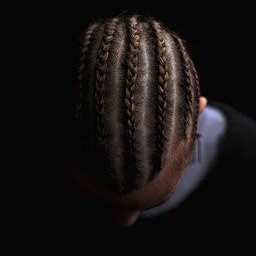
    What do I think is the best style, well for me I actually like the crotchet the best, when I consider all other styles, it’s the most convenient and easiest style to put on your scalp and maintain. However everyone has a look that they like. What about you, what look do you like?