Category: Hair Styles for Afro Hair

  • Protective Styles With Marley Hair

    If you’re looking to switch up your hairstyle while also promoting your hair’s health, protective styles might just be the perfect route for you. And that’s where Marley hair enters the picture. But what is it, really? Well, it’s a type of synthetic hair named after the iconic musician Bob Marley because of its natural texture that closely resembles Afro-textured hair.

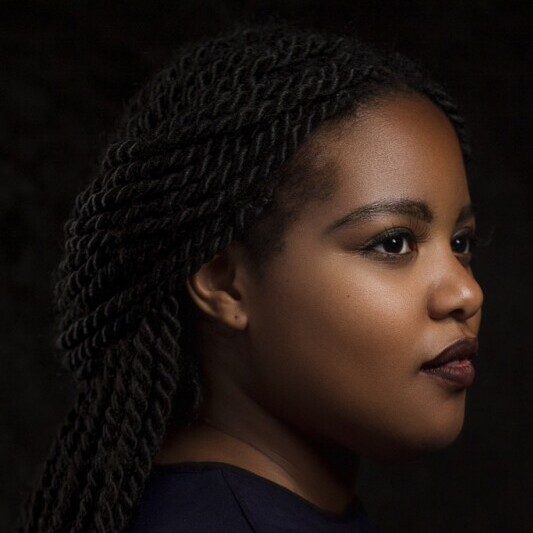
    Protective hairstyles such as twists, braids, and buns serve a greater purpose than just looking good. These styles tuck away the ends of your hair, shielding them from environmental stressors like harsh weather and reducing manipulation, which can lead to breakage. Using Marley hair for these styles offers a seamless blend with your natural hair, which is both aesthetically pleasing and beneficial for hair health.
    twists

    One of the key benefits of Marley hair is its versatility. No matter your hair type, you can find a style that’s going to include this hair to provide protection and ease of maintenance. Plus, it’s soft, lightweight, and can be easily manipulated to match your desired look. Choosing a protective style that uses Marley hair isn’t just about safeguarding your tresses, it’s also about expressing your personal style without compromising hair health.
    afro kinky

    You’re going to find out about how to select the perfect match for your protective hairstyle in the next section. Choosing the right Marley hair is more than picking a color or texture, it involves understanding which quality of hair supports longevity and meshes well with your natural texture. I’ll walk you through this process, ensuring you make an informed choice for that perfect protective style.

    Choosing the Right Marley Hair for Your Protective Style

    You’re probably wondering how to pick the best Marley hair for your next protective hairstyle. It’s not just about grabbing a pack off the shelf; you need to consider a few key factors to ensure you’re making the right choice for your hair’s health and the style’s longevity.

    First up, let’s talk quality. High-quality Marley hair will feel soft to the touch, be easy to handle, and most importantly, be gentle on your natural hair. Look for reviews or ask your hairstylist for recommendations to pinpoint the brands that are known for their superior quality.
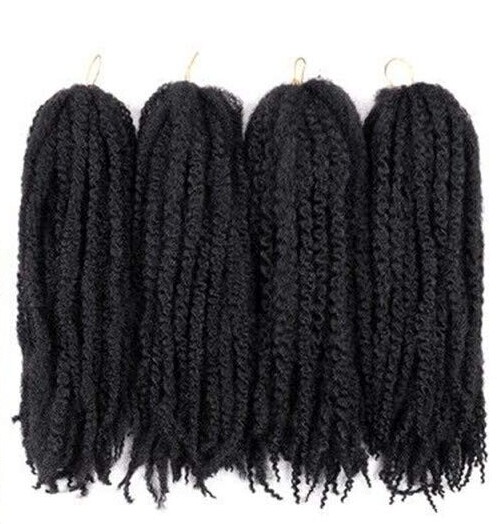
    Length and color come next. Are you going for a short, chic look or long, voluptuous twists? Marley hair comes in a variety of lengths and an array of colors to match your natural hair or give you a new, vibrant look. Remember, the longer the hair, the more packs you might need.

    I want to give you a heads up about something crucial: the differences in texture. Not all Marley hair is created equal, and you’ll find that some textures blend better with certain hair types. If you’re unsure, opt for a texture that closely resembles your own; this will not only look more natural but also prevent tension on your roots.

    Now, when it comes to shopping, choose something that resonates with you and your budget. It can be tempting to skimp on cost, but cheaper options sometimes lead to disappointment. It’s a fine balance between affordability and quality. Trusted brands often mean a slightly higher price tag, but you’re really investing in your hair’s well-being.

    There are a couple of pitfalls you want to avoid—low-grade synthetic hair that’s too shiny and plastic-like, which can look unnatural, or hair that’s excessively coarse, which can cause damage to your natural strands. Get to know the hallmarks of good Marley hair and keep them in mind while you browse.

    Step-by-Step Guide to Creating Protective Styles with Marley Hair

    I’m going to walk you through how to bring those protective styles to life using Marley hair. First things first, you want to get your natural hair ready. That means washing, deep conditioning, and thoroughly detangling your hair. For the Marley hair, a good pre-installation step is to soak it in apple cider vinegar mixed with warm water to prevent any itching.

    Now, you’re going to find out about some of the most popular protective styles with Marley hair. Let’s tackle twists, for starters. They’re not just protective; they’re also relatively easy to do. Part your hair into sections, attach the Marley hair at the roots, and twist away. Remember to seal the ends with a little boiling water or a lighter (but be extra careful). Depending on the brand you have gained some will not need to be dipped in water.

    Braids are another style you can achieve with Marley hair. You can choose box braids, crochet braids, or even goddess braids. The process is similar to twists: section, attach, braid. Secure the ends, and you’ve got a braid that’s ready to last.
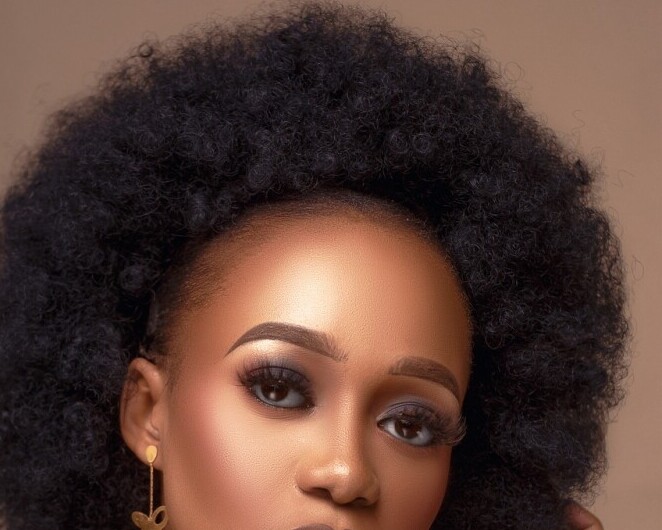
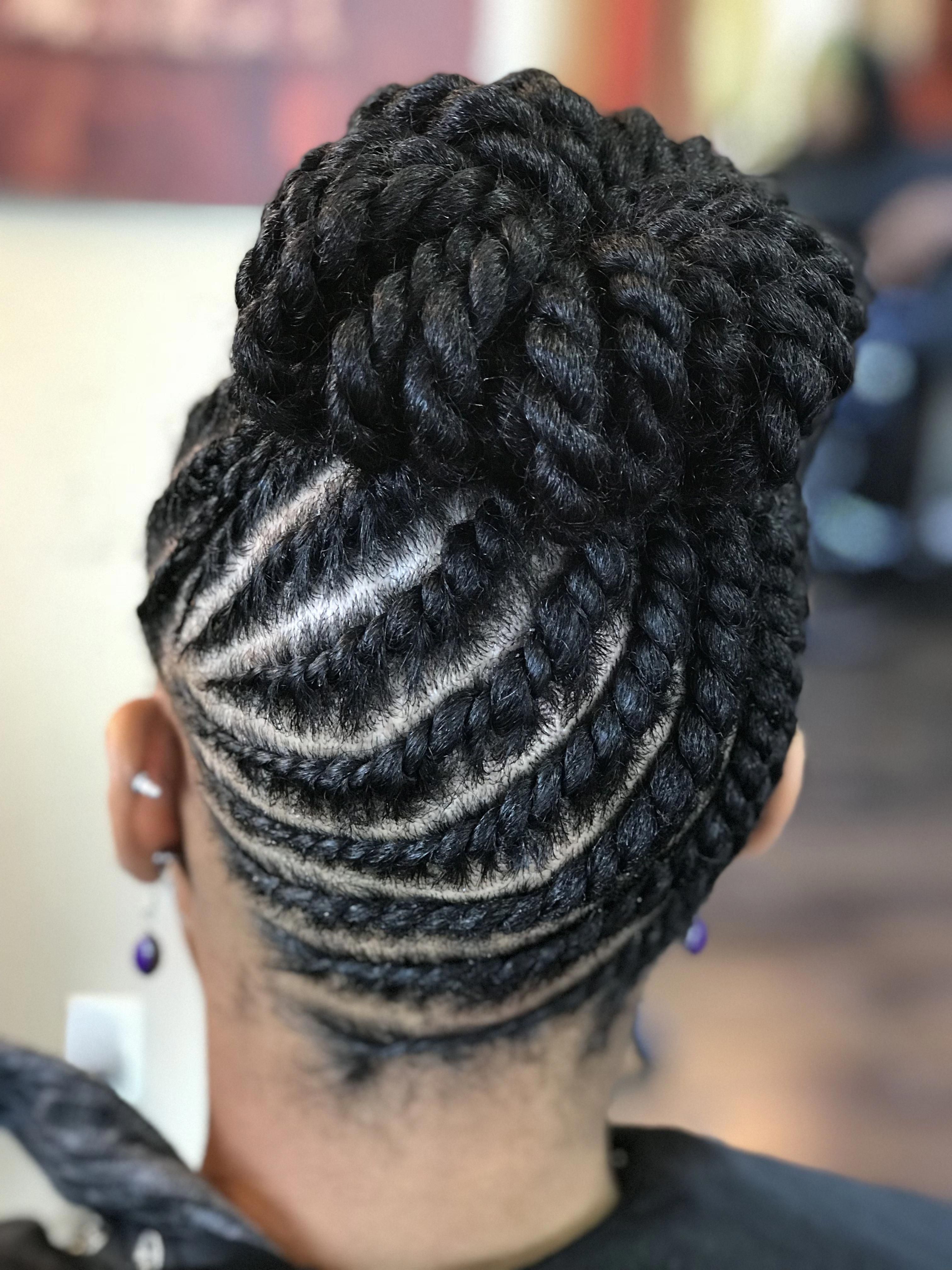
    For those who prefer an updo, Marley hair can be fashioned into a faux bun or pompadour. Secure your natural hair into a tight base, and then wrap the Marley hair around to create volume and shape. Add in some hairpins, and voila, elegance meets protection.

    Don’t worry too much about perfection on your first try. This is all about preserving your natural hair’s health with a style that resonates with you. Choose something that you’re comfortable wearing and that you feel confident in maintaining.

    You can always adjust your approach down the road. If a style feels too tight or causes discomfort, take it down. Your edges will thank you. And speaking of maintenance, that’s going to include regular scalp care and cleansing – but more on that shortly.

    Solving Common Challenges with Marley Hair Styling

    Marley hair is a popular choice for protective styles, but like all good things, it can come with its set of challenges. Don’t worry too much about this; there are solutions to common issues you might encounter. Let’s tackle a few of them together.

    Tangling is possibly the most frequent issue you’re going to face. Marley hair is known for its kinky, coily texture which means it can sometimes get interwoven with itself. The trick here is to handle the hair gently and use a wide-tooth comb or your fingers to detangle, starting from the tips and gradually working up to the roots. If you have a spray bottle you can use it also to untangle the hair easily.

    Feeling itchiness on your scalp? This isn’t just an annoyance; it can also lead to more serious scalp problems. Often, a good wash before installation can remove any coating on the fibers that may cause irritation. If the itchiness persists, consider using a soothing scalp oil or spray for relief.

    If your style feels too bulky, then it might be a case of using too much hair. Remember, choose something that resonates with you and what’s comfortable for your head and neck. For next time, you can always adjust your approach down the road by using less hair to achieve a lighter feel.

    Your protective style is meant to be both stylish and functional, but there comes a time when you need to know when to take it down. Too much time with a protective style can turn counterproductive, leading to tangles and matting of your natural hair. A general guideline is to remove and replace your style every six to eight weeks.

    I really hope that you take these troubleshooting tips to heart since they’re going to help extend the life and look of your Marley hair protective styles. In the next section, we’re going to discuss how to sustain healthy hair beneath your protective style, which is key to maintaining overall hair health.

    Sustaining Healthy Hair Beneath Your Protective Style

    I’m here to help you with keeping your natural hair healthy while it’s tucked away in those gorgeous Marley twists or braids. This isn’t just about maintaining the protective style; it’s also about caring for the hair beneath to ensure it’s as strong and healthy as when you first styled it.

    Moisture is your best friend when it comes to protective styling. You’re going to find out about simple moisturizing practices that keep your hair hydrated, like using a leave-in conditioner or a daily spritz of water mixed with essential oils.

    Protective styles can sometimes become a breeding ground for bacteria if not properly taken care of. I’ll share a straightforward scalp care regimen, so you can prevent buildup and keep your scalp fresh and healthy.

    In my opinion, taking down your protective style is as important as putting it up. I’ll guide you on the signs to look for that signal it’s time for a change and how to safely remove your Marley hair without causing breakage to your natural locks.

    Lastly, remember that if you’re ever in doubt about the health of your hair or scalp, it’s entirely okay to seek advice from a professional stylist. They can provide targeted solutions to ensure your hair journey is a success.

    Just don’t focus too much on perfection; protective styling is a learning process. Your first attempt doesn’t need to be your last. Switch up your styles, choose something that resonates with you, and enjoy the journey of maintaining luscious locks beneath your protective Marley hair.
  • Protective Styling To Prevent Hair Breakage On Afro Natural Hair

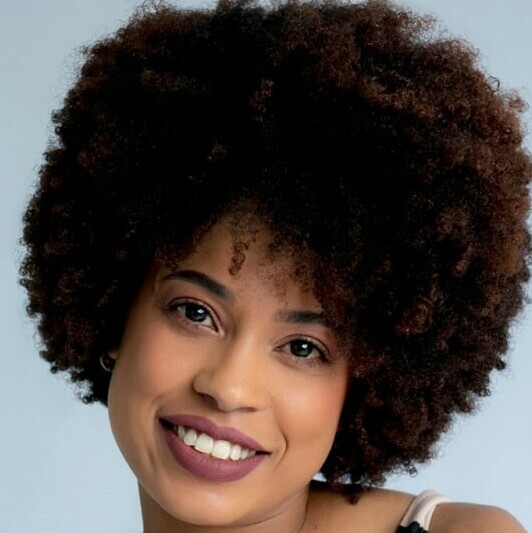
    Protective styling isn’t just a set of hair techniques; it’s a crucial approach to maintaining afro natural hair’s health and vitality. It involves tucking away your ends, which are the oldest and most fragile part of your hair, to shield them from daily environmental stress.

    One of the main reasons you’re going to find protective styling so beneficial is its ability to help you retain hair length. By keeping your ends safe from mechanical damage like rubbing against clothing or rough surfaces, the likelihood of breakage drops significantly.

    Moreover, afro-textured hair thrives on moisture, and protective styles are great for keeping that vital hydration locked in. When your hair is styled in such a way that it doesn’t constantly lose moisture, it stays stronger and more resilient. A good moisture balance directly correlates with fewer split ends and breakage.

    Now, this isn’t just hearsay. There’s a firm scientific basis behind it. Experts agree that reduced manipulation of your hair—achieved through styles that don’t require daily combing or styling—can contribute to length retention and overall hair health. It’s all about minimizing the stress on your hair strands.

    Next, you’re going to learn how to choose the best protective styles that suit your hair type and complement your lifestyle. This includes knowing which styles work best for your hair’s texture and porosity, and how to personalize these styles to align with your daily routine and personal flair.

    Choosing the Best Protective Styles for Your Hair Type and Lifestyle

    In my opinion, not all protective styles are created equal, especially when it comes to afro natural hair. Your unique hair texture and lifestyle should guide your choice. I’m here to help you with that decision.

    Let’s talk about the factors that should influence your choice. Think about your daily routine, the time you can dedicate to hair maintenance, and how your hair reacts to different styles. For example, if you’re an active person, you might prefer a low-maintenance style that stays intact during workouts.

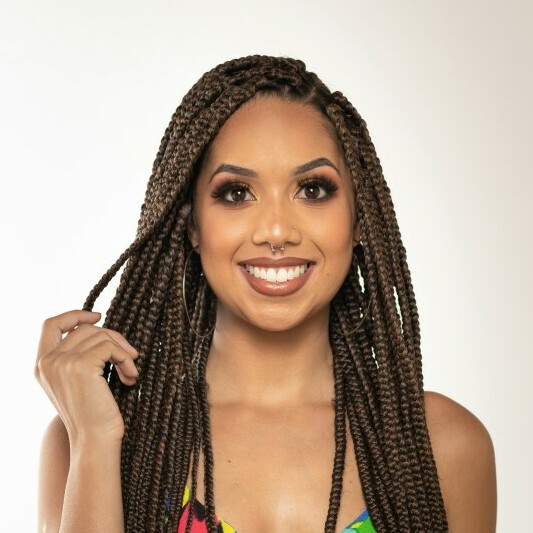
    You’re going to find out about some popular protective styles now. Braids, like box braids or cornrows, are classics for a reason. Twists are another go-to, including options like Senegalese or passion twists. For those wanting less manipulation, updos or bun styles can be a great choice, keeping the ends tucked away and secure.

    Choose something that resonates with you, but also be mindful of your hair’s needs. If your hair has low porosity, it’s better to opt for styles that don’t require frequent wetting and allow for easy product application.

    Don’t worry too much about sticking to trends. A lot is happening very quickly in the world of hair fashion, but the best protective style for you is one that protects your hair and fits seamlessly into your life. Next, we’ll delve into how to install these styles without inviting damage, because the last thing you want is a style that’s supposed to protect your hair to be the cause of harm.

    Essentials Techniques for Installing Protective Styles without Causing Damage

    Pre-styling hair care is crucial for maintaining strong, breakage-resistant strands. Before you even begin braiding or twisting, ensure your hair is clean, moisturized, and detangled. Using a leave-in conditioner or a light protein treatment can fortify your hair’s natural structure, making it less prone to snapping under strain.

    When it comes to the actual installation process, gentle handling is the name of the game. Start by sectioning your hair neatly and applying a nourishing oil or butter to seal in moisture. As you weave each section, be mindful of the tension you’re applying. Your roots should feel secure, but never painful.

    Speaking of tension, it’s the enemy of healthy edges. Over-tightening can lead not only to immediate discomfort but also long-term damage like traction alopecia. If you’re installing braids or twists, they should be snug but comfortable, allowing for natural movement without pulling at the scalp.

    Lastly, while DIY styles save money, don’t underestimate the value of a seasoned professional stylist. They have the expertise to choose the right tension for your hair type and can offer personalized advice for your specific needs. If you decide to go to a salon, make sure you communicate any concerns you have about tension and scalp health.

    Maintaining Your Protective Style for Optimal Hair Health

    Nurturing your protective style isn’t just about looking good; it’s a crucial element in keeping your afro natural hair healthy. Let’s talk about some daily maintenance tips that can make all the difference. Regular scalp care is paramount. You’re going to find out about lightweight oils and sprays that can refresh your hair without causing build-up.

    If you want to avoid dryness and promote growth, I’m here to help you with some product recommendations and do-it-yourself solutions that are kind to your hair and pocket. This is where a good hydrating spray infused with essential oils like peppermint or tea tree can provide both moisture and a healthy scalp environment.

    But remember, even the best protective styles have an expiration date. You’ll need to know the signs that suggest it’s time to free your locks and let them breathe. Prolonged tension can lead to damage, so don’t worry too much about stretching your style beyond its healthy lifespan.

    After removing your protective style, think hydration, hydration, hydration. Your hair has been tucked away, and now it’s craving moisture. Treat it to a deep conditioning session to restore elasticity and shine. Maybe you’ve been dreading the take-down process, but it’s also an opportunity to check the health of your hair and give it the TLC it deserves.

  • 10 Gorgeous Updo Styles For Afro Hairstyles in 2024

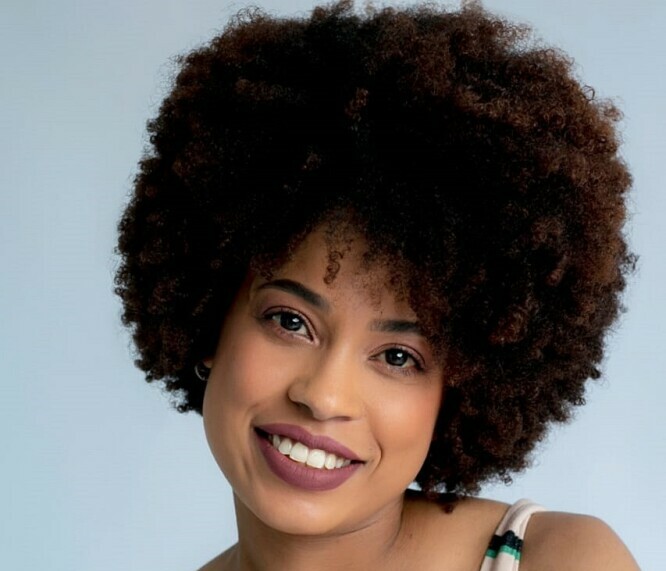
    Now, when we talk about the myriad of hair textures and types, Afro hair holds a place of pride with its rich texture and voluminous curls. There’s something incredibly freeing about its natural beauty. But, let’s not forget, with great volume comes great responsibility. I’m going to share the ins and outs of understanding your Afro hair a bit better before diving into styling it.

    Afro hair isn’t just a statement of style; it’s steeped in cultural significance. It can be a canvas for personal and cultural expression, symbolizing everything from heritage to modern fashion statements. And when it comes to updos, you’ve got a playground of possibilities. But before you select an updo, it’s crucial to appreciate the unique traits of your curls and kinks.

    If you want to bring out the best in your hair, a little preparation goes a long way. So, what’s the prelude to an amazing Afro updo? Start with clean, moisturized hair to give your updo a smooth foundation. It’s also smart to have the right tools on hand � like wide-tooth combs and gentle hair ties. Don’t worry too much about mastering complex techniques right off the bat. You can always adjust your approach down the road.

    With your hair prepped and ready, you’re about to discover the top updo styles that embrace the individuality and splendor of Afro hair. From the high bun that adds a touch of elegance to every outfit, to the playful pineapple updo that’s great for any occasion, these styles are going to become your new favorites. So, let’s move on to some of the most captivating updos that will make your Afro hair the talk of the town.

    Top 10 Show-Stopping Afro Updo Hairstyles to Inspire Your Next Look

    Afro hair isn’t just about texture and volume; it’s a canvas for artistic expression. I’m going to share ten stunning Afro updo styles that can elevate your look for any occasion. And remember, you can always adjust your approach down the road, so choose something that resonates with you.

    Let’s start with THE CLASSIC HIGH BUN. This timeless look isn’t just easy to achieve, it’s also incredibly versatile. Whether you’re heading to the office or out for a night on the town, a high bun keeps your locks up and out of the way while still making a chic statement.

    Next, there’s the PINEAPPLE UPDO. This is the go-to style if you’re looking to bring a fun, carefree vibe to your day. It’s especially great for showing off your curls’ texture and volume without much fuss.

    How To Pineapple Your Hair | Pineapple Hair Stylespinterest

    Don’t overlook the BRAIDED CROWN. It circles your head like a halo, transforming the everyday into something a touch more divine. In my opinion, it’s a perfect blend between elegance and Afro-centric beauty.

    70 Best Black Braided Hairstyles That Turn Heads | Braids for black ...pinterest

    Considering something more polished? Try the ELEGANT FLAT TWIST UPDO. This style offers sophistication with an edge, ideal for a special event where you want to make a refined yet bold statement.

    pinterest

    If cultural pride is on your mind, BANTU KNOTS UPDO offers a profound nod to tradition. This style is all about neatness and precision, showcasing a series of knots that are both protective and striking.

    20 Best Bantu Knots Hairstyles For All Hair Types To Trystylecraze.com

    For those feeling adventurous, the TWISTED MOHAWK will put you at the center of attention. It’s a bold move that communicates confidence and isn’t afraid to break the mold.

    Natural Braided Mohawk Hairstylesanimalia-life.club

    Why not the best of both worlds? The HALF-UP, HALF-DOWN style allows you to flaunt your curls while enjoying the ease of an updo. This hybrid can adapt to both casual and upscale settings with ease.

    Top 7 half up half down sew in curly hair 2022keyshopee.com

    Then there’s the AFRO PUFF UPDO. Talk about making a volume statement! It’s playful, it’s fierce, and it’s uniquely Afro. Not shy about its presence, this updo says you mean business—and fashion. You can also put two puff’s or as many as you want on your head to create a unique look.

    For a look that’s as intricate as it is striking, the CORNROW UPDO is a go-to. It combines the neatness of cornrows with the freedom of an updo, marrying style and convenience effectively.

    2023 Latest African Cornrows Updo Hairstylesinflexa.com

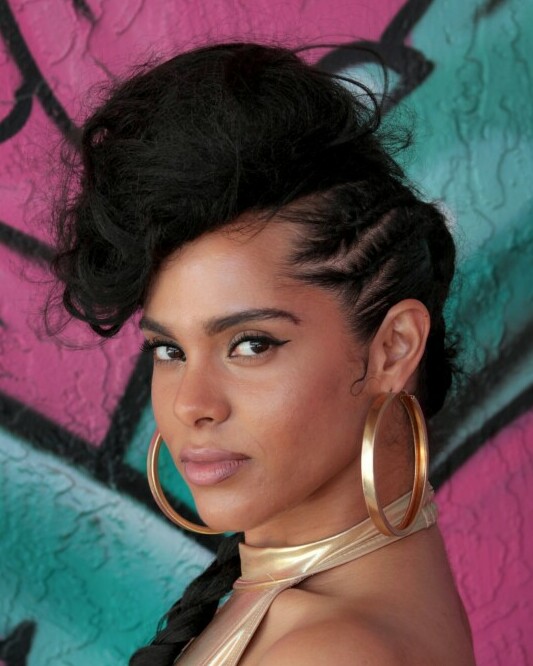
    Last but not least, the FAUX HAWK. It is unapologetically edgy. If you’re hoping to showcase your individuality and artistic flair, this daring updo checks all the boxes.

    Loving this faux hawk @notoriousnneka - https://blackhairinformation ...pinterest

    With these ten options, there’s no shortage of updo styles to experiment with. In the next section, I’m going to help you with maintaining and protecting your chosen updo. So if you want to keep your style looking fresh and your hair in great condition, stick around.

    Maintaining and Protecting Your Afro Updo: Tips and Tricks

    Now that you’ve styled your Afro hair into a fabulous updo, it’s crucial to know how to keep it looking fresh. You’re going to find out about some of the best practices to maintain your hairstyle and keep your hair healthy.

    For starters, a silk or satin scarf or bonnet should become your best friend come bedtime. This helps prevent frizz and keeps your updo in place while you sleep.

    35'X 61 Inch Red African Satin Head Wrap Dashiki Satin African Head ...pinterest

    In my opinion, consistency is key for daily maintenance. It’s all about keeping your hair moisturized to avoid dryness or breakage. If you want to keep that updo looking pristine, investing in a good leave-in conditioner or a hydrating hair mist will go a long way.

    Don’t worry too much about elaborate routines; opt for a light touch-up in the mornings to address any loose strands, and you’ll be good to go.

    When talking about products, choose something that resonates with you and your hair needs. It’s imperative to use products that nourish your hair without causing build-up. Look for natural oils like coconut or argan oil, which can be lightly applied to the edges of your hair for a glossy finish.

    And if there’s an unexpected rain shower or a windy day on your horizon, don’t hesitate to cover your updo with a stylish hat or hood, or conveniently carry a foldable umbrella.

    Remember, your first attempt doesn’t need to be your last. Play around with different styles and methods until you find what works best for your hair. I really hope that these tips help you maintain your stunning Afro updo and keep your hair in optimal condition.

    Let me know what your best go to style is as well.

    Here’s a little transparency: Our website contains affiliate links. This means if you click and make a purchase, we may receive a small commission. Don’t worry, there’s no extra cost to you. It’s a simple way you can support our mission to bring you quality content.

  • Combs to use for Afro and Curly hair

    This week, I experienced a tough week with my afro, I actually felt like cutting it off and this has been after a long time. You see, a few weeks back, I had odered some crochet braids to install in my hair as I mentioned earlier, that is one of my go to protective styles. I was eagerly waiting for them and ready to get that hairdo done. I kept checking with the individuals that mentioned that I should have received them and they said that I should wait a little longer. After one month of waiting, I was extremely unhappy with the outcome of the items and just mentioned that I had not received them. I did not ask for a refund but I enquired with them again as I wanted to make sure that I was still to receive them. I was only informed that I would receive a refund. It got me wondering, what happened to the items along the way? did they get lost? Did someone else get them? So many questions and no answers. Back to the topic of the day, combing afro hair.

    Combs and Afro hair

    When having natural hair became more of a trend, I came across many theories and ideologies regarding looking after afro hair. One of them was that you should not comb afro hair? That did not last long, it’s extremely difficult to deal with afro hair without a comb or even a blowdry, unless you have less tighter coils in your hair. The best methodology I heard was finger combing. Now depending on the type of coils you have. if you have tigher coils, sometimes the finger combing can help but you still need a detangling brush especially for the little tiny knots. Sometimes if I am a little impatient with the process, I will eventually cut the knot off. That’s why it’s important to keep trimming your hair because it minimizes the knots a fair bit.

    So because I did not get the crotchet braids, I was at a loss of how to style my hair this week, eventually I used a brush to comb it out and leave it as an afro for a while. 

    It’s been a hot week so I prefer not to add anything to my head because I don’t want to get too sweaty.

    Wide Toothed Combs

    Every time I shower, I always use a wide toothed comb for the tangles in my hair when I am washing it. It makes the task odf detangling so much easier. Infact when I take out my braids, I no longer try and detangle them before I wash my hair, I usually detangle it during the process of washing. The only thing I do when I undo the hair is remove the product build up, which you can actually avoid if you use spirit and cotton to clean up atleast every week. It’s also wise to use a light oil to keep it moisturised during the braid process, however that’s something I will provide information on next time.

    Now if you have tight coils, do not use combs that are small and are not wide toothed if your hair is still tangled. You can use it once your hair has been straightened out. I have not straightened my hair in almost one year now and I actually cannot wait to do that soon. I think less heat on the hair is so healthy for you.

    Recent trend

    Lately, there have been some combs that have been released in the market and I think that they are extremely innovative and interesting Poppupe detangling brush, it’s easy to use, it bends with your hair. It’s good to use in the shower and it minimizes the tangles which means less pain.

    It has not been used by many people, because as mentioned, it’s a new look and style and many individuals have not experienced using that design, however check it out.

    Wooden Combs

    When I was younger, I was used to the wooden comb it’s only when the manufacturing of combs became more common that the plastic combs started being used. The wooden comb was mostly useful for braiding and a little bit of combing, however not so much. There’s not much production of wooden combs nowadays, however I will certainly find out if I can find a similar comb to the one that I used during my childhood.

    Comb etiquette

    It does not matter if you are the only individual that uses a brush or comb, however it’s extremely important to keep it clean. After every use I always wash it. The main reason for this is that when you reuse the brush again, you want to know the condition of your hair. You want to see are you loosing a lot of hair, is the condition improving. It’s also important to keep it clean to minimize any cross infection. But just like make up brushes, it’s good to disinfect your comb by cleaning it in warm soapy water. You can also just disinfect it depending on what you like.

    Anyway combing and brushing your hair is always important. You cannot live without it and it’s the only way to know how your hair is doing.

    What was your favourite type of comb growing up?