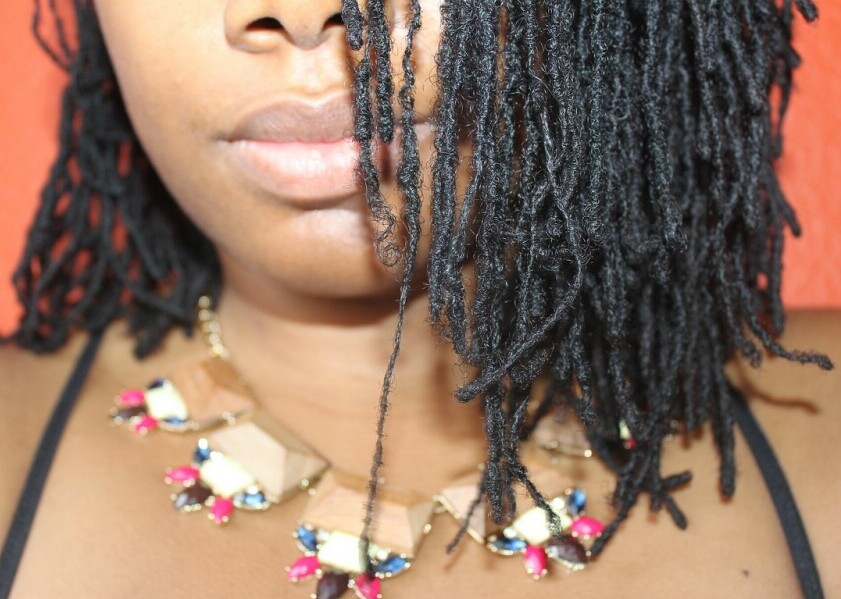
Category: hair type

  • PART 1: UNDERSTANDING YOUR 4C HAIR

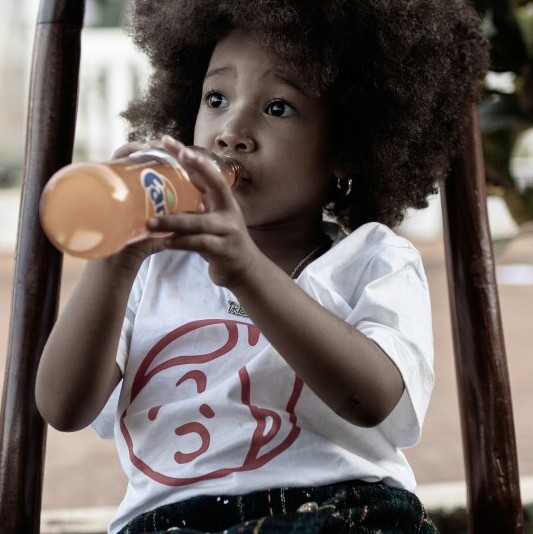
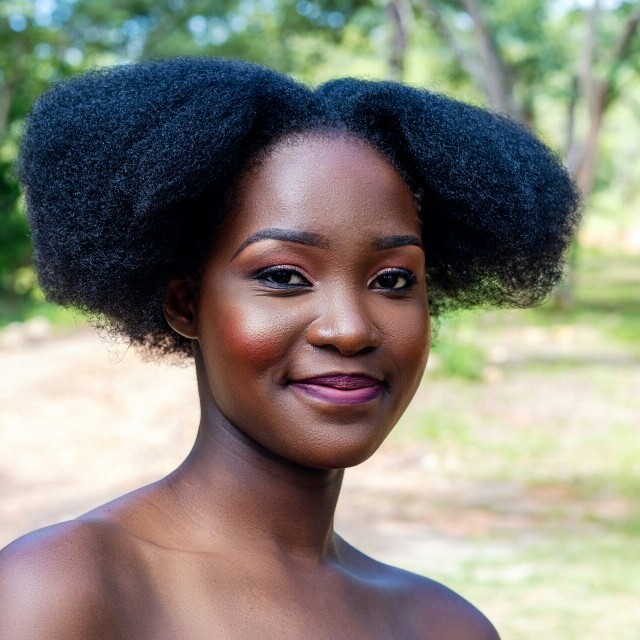
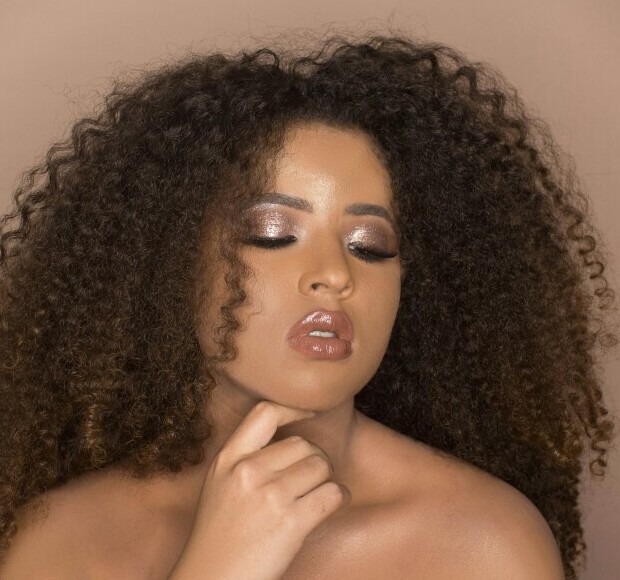
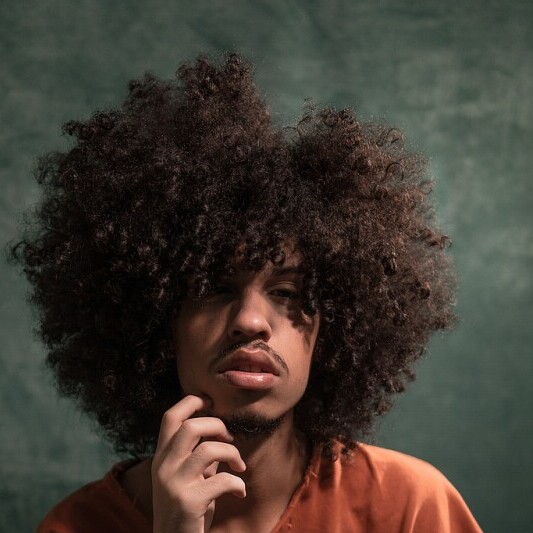
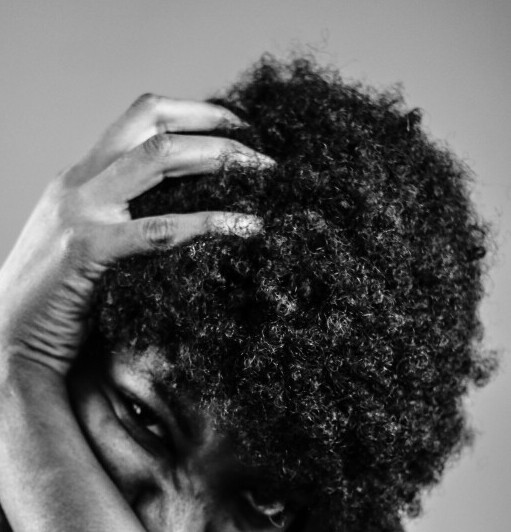
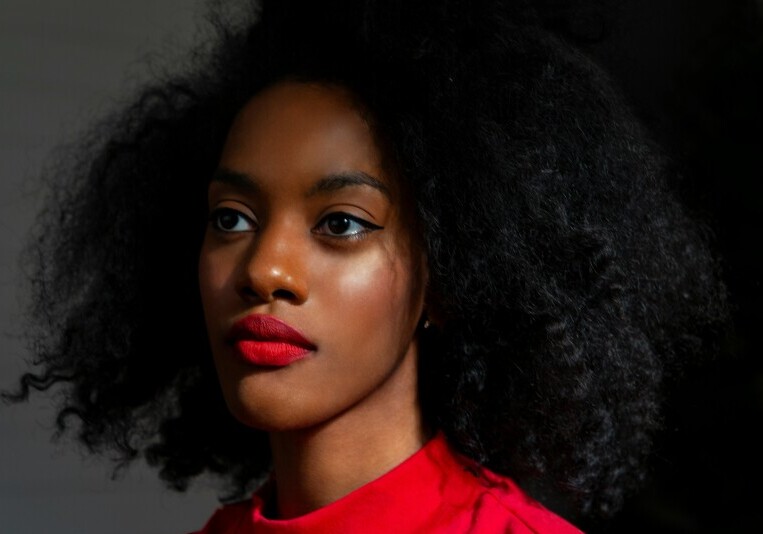
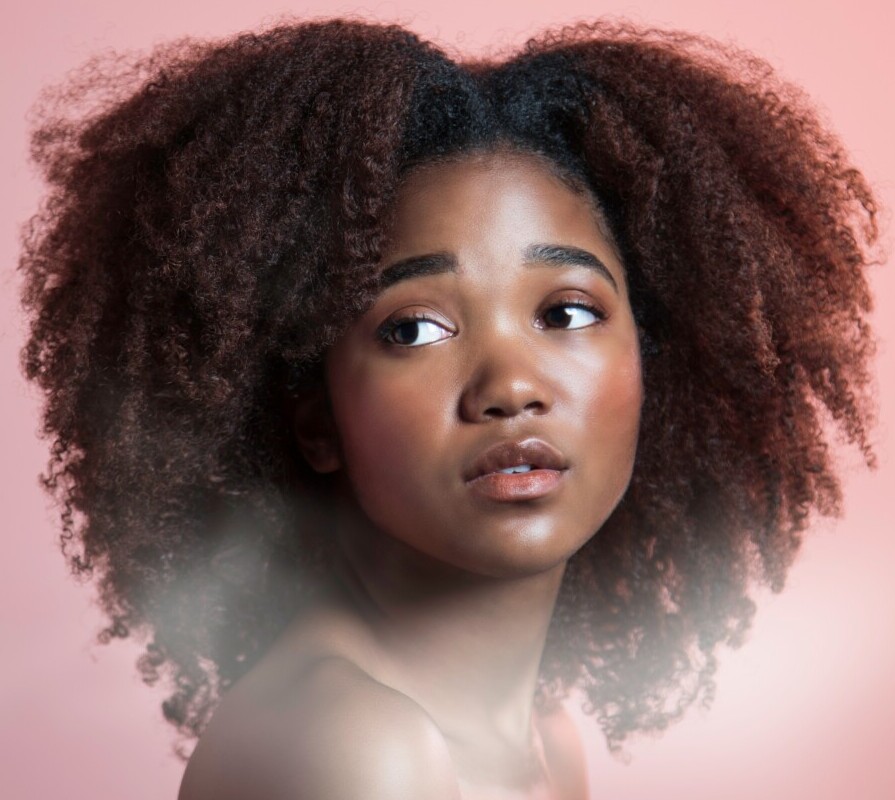
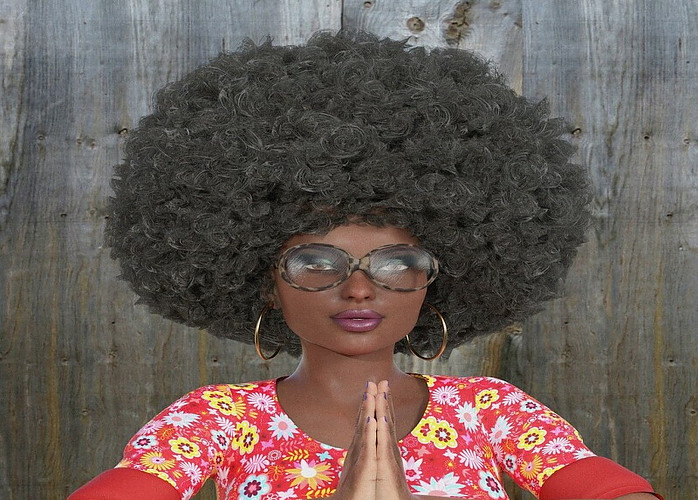
    4C hair, beautifully coiled and wonderfully unique, stands out with its tight curls and exceptional texture. Unlike other curl patterns, 4C hair is known for its dense curl structure that gives a mesmerizing volume. The beauty of 4C hair lies in its versatility and the way it defies gravity, showcasing a natural, bold aesthetic.

    The texture of 4C hair isn’t just a random twist of fate. There’s science behind this remarkable hair type. The tight coils are due to genetics, which dictate the shape of hair follicles and the curl pattern. The twists and turns of 4C strands are tightly packed, allowing for incredible volume and an unmatched natural style that can’t be replicated by other hair types.

    Misunderstandings about 4C hair are all too common. A major myth is that 4C hair is unmanageable. In reality, with proper care and understanding, it shines with its own beauty. Another misconception is that 4C hair doesn’t grow. It does, but length retention can be tricky due to shrinkage, where hair that seems shorter is actually longer when stretched. Debunking such myths is crucial for embracing its full potential.

    Kenya’s vibrant climate plays an important role in the life of 4C hair. The humidity in some regions can affect how hair retains moisture, influencing which styles work best. The sun, abundant in Kenya, may also dry out hair faster. Embracing this environment means considering how local weather impacts hair care routines and looking towards methods that lock in moisture and protect those luscious locks.

    Embracing and Caring for Your 4C Hair in Kenya’s Climate

    Living in Kenya provides a unique backdrop for managing and embracing 4C hair. The climate, often warm and humid, demands a special touch to keep those curls healthy and vibrant. It’s all about understanding how the local environment interacts with your hair and adopting habits that support moisture retention and protection.

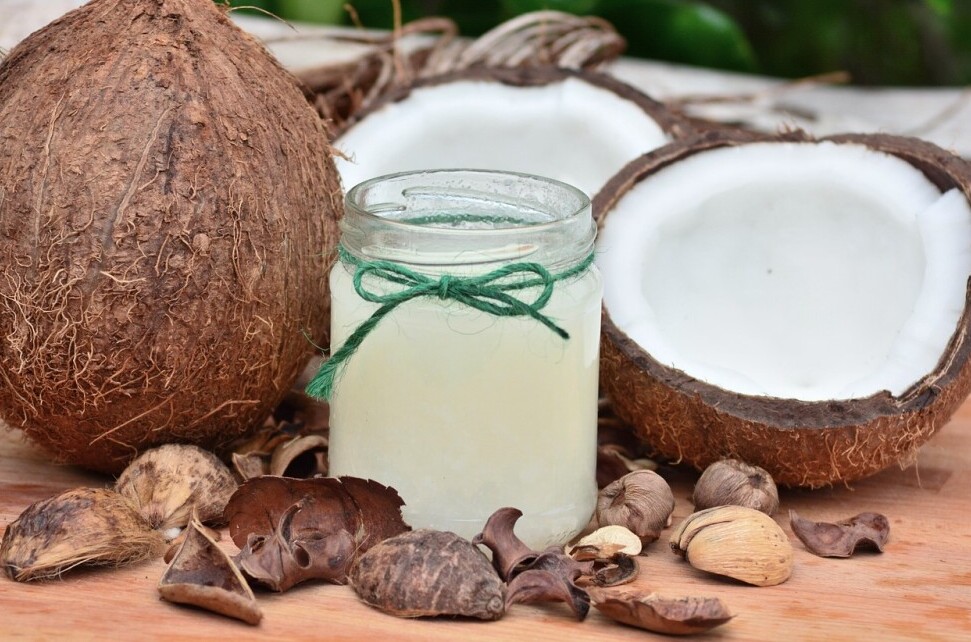
    Diving into the world of moisturizing practices is key. In a warm, humid setting, products that lock in hydration are your best friend. Natural oils like coconut and avocado oil work wonders. They help retain moisture, especially when the sun is doing its best to dry everything out. Protective styles like braids or twists maintain moisture levels and protect hair from environmental stressors while showcasing fashion and personality.

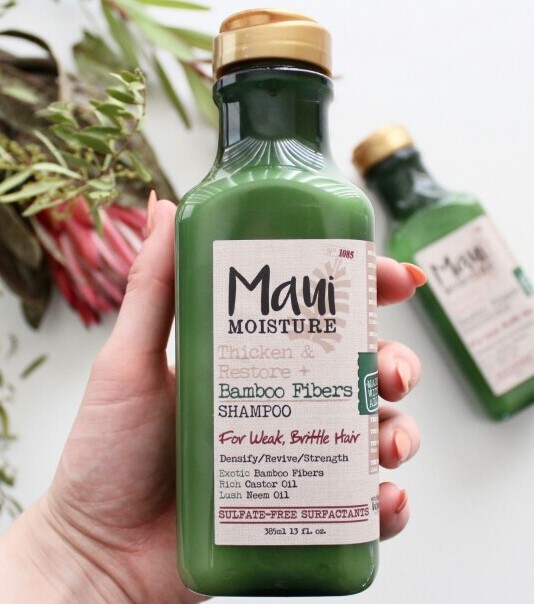
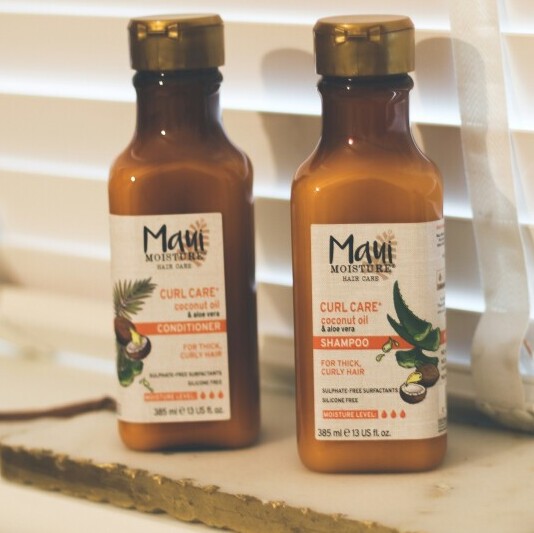
    Choosing effective hair products is another cornerstone of 4C hair care. Opt for shampoos and conditioners free from sulfates and alcohols that can dry out your curls. Whether it’s a homemade concoction or a locally sourced product, the focus should be on natural ingredients that nourish your hair’s structure. Finding what works may take experimentation, but the journey leads to healthier, more resilient hair.

    Caring for 4C hair also means celebrating its cultural significance. In Kenya, embracing natural hair is a nod to tradition and identity, a celebration of heritage and a statement of personal pride. The legacy of natural hair beauty is deeply woven into the fabric of Kenyan communities, highlighting stories and showcasing a collective journey of empowerment and authenticity.

  • Best Afro Hair Products for 4c hair

    Best Afro Hair Products for 4c hair

    Afro hair is amazing in all its diverse glory, with its textures, curl patterns, and density making it unlike any other. Getting to know your hair’s unique characteristics is key to unlocking its beauty. Identifying whether you have tight coils or loose curls can hugely impact the type of care you should give it.

    Understanding your hair type helps you dial in on what it really needs—whether it craves moisture or screams for more definition. This understanding is your golden ticket to picking products that truly cater to your hair’s desires.

    On this journey, a little wisdom from those who’ve been there can steer you right. Whether it’s celebs with enviable dos or pros who’ve styled countless heads, their insights can shorten your learning curve.

    Having a deep appreciation of natural hair health is your guide to selecting products that actually nourish your strands and encourage growth. It’s about saying goodbye to bad hair days and hello to hair that makes heads turn.

    Avoiding certain ingredients like sulfates, parabens, and other harmful chemicals is a game-changer. These can strip your hair of its natural oils and throw off its balance. Keeping an eye on labels is such an easy step but does wonders for your hair’s health in the long run.

    Top Picks: Reviewing the Best Afro Hair Products for Every Step of Your Routine

    Having the right products at your fingertips makes all the difference when caring for Afro hair. It’s like having a dream team that tackles each hair challenge with ease. Let’s talk about some of the must-have Afro hair products that should make it onto your bathroom shelf.

    First up, shampoos and co-washes that prioritize keeping moisture in rather than stripping it out. Hydration is vital from the get-go, and a gentle cleanser sets the stage for healthy strands.

    Then there’s the game-changer, conditioners, and deep treatments. These gems strengthen your hair and keep it looking lively. A nourishing formula provides the elasticity and health your curls crave.

    Leave-in conditioners and detanglers deserve a shout-out, making styling a breeze. They enhance the natural beauty of your texture while knocking out tangles without a fuss.

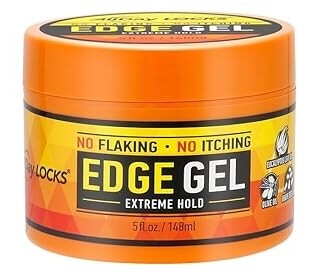
    Stylers and gels are your go-tos when you’re looking to define those curls and keep frizz at bay. The best picks add shine and hold without leaving your curls crispy and weighed down.

    To top things off, oils and serums are fantastic for sealing in moisture and giving you that signature shine. Plus, they boost scalp health, which is often a win-win for longer, healthier hair.

    When you’re on the hunt for new products, real-world feedback can be invaluable. Hearing from others and their firsthand experiences brings a whole new perspective, helping you make choices that suit your specific needs.

  • The Benefits Of Co-Washing 4c For Afro Hair

    Co-washing is short for “conditioner washing,” which skips traditional shampoo in favor of conditioner or a specially designed co-wash product. It’s gaining popularity among folks with Afro-textured hair, which craves extra moisture due to its structure.

    Afro hair has a unique curl pattern that can make it more prone to dryness and breakage. That’s where co-washing comes into play. It cleans without stripping all that natural oil, keeping hair hydrated and reducing frizz.

    Some traditional shampoos can be too harsh, leading to brittle strands and less curl definition. So, swapping them out for a co-wash helps maintain that precious balance of moisture and strength, leading to healthier hair.

    Hair care experts often recommend co-washing because it effectively cleanses the scalp while preserving the hair’s natural oils. That means less damage and more shine! It’s about nurturing what your hair already has rather than stripping it away.

    I would approach this with caution because, in order to do co-washing it’s important to understand your hair porosity. If you have hair that takes in moisture quickly but seems dry, you have to find a method that works for you.

    Enhancing Hair Health: Science-Backed Benefits of Co-Washing

    Co-washing can be a moisture game-changer for Afro hair. By swapping out harsh shampoos for a co-wash, you’re helping your hair stay hydrated. It’s like a tall glass of water for those curls, keeping them lively and bouncy.

    Research shows that keeping moisture locked in improves overall hair strength. Less breakage means hair gets a chance to grow longer without those pesky split ends ruining the party. Plus, with consistent co-washing, hair feels softer and looks shinier. What’s not to love?

    Hearing personal stories can spark inspiration. Many who switch to co-washing notice less shedding and a natural leap in manageability. Their curls seem to pop like never before. It’s about working with your hair, not against it.

    People with Afro hair often report a positive transformation in their hair’s texture and resilience. And it’s not just anecdotal—experts swear by co-washing’s ability to support hair health in a science-backed way.

    Choosing the Right Co-Wash Products for Your Hair Type

    Picking the perfect co-wash can feel like a treasure hunt, but it’s all about knowing what ingredients to look for. Afro hair thrives on moisture, so anything with hydrating elements like shea butter or coconut oil is a win.

    Not all co-washes are made equal, so knowing your hair type is key. For tighter curls, thicker co-washes can help tame those luscious locks. If your hair tends to get oily fast, look for lighter options that won’t weigh it down.

    Expert advice makes all the difference. Dermatologists and hair care pros recommend co-washes that gently cleanse while nourishing the scalp. After all, healthy roots and hair strands go hand in hand.

    Starting with small trials helps you find the product that feels just right on your hair. Testing a few different co-washes can work wonders in figuring out your hair’s ideal match. The goal is to find something that leaves your curls feeling fresh and fabulous with every use!

    This works well when your hair is not in a protective style for too long. However if you have had braids or another protective style for a while, co-washing may have to be altered due to the build-up from the styling.

  • Styling Tips For High Porosity Hair

    High porosity hair usually means your hair is like a sponge—soaking up moisture but losing it just as fast. You might notice tangled hair or frizz more often. This kind of hair often feels dry and rough, and struggles to hold onto color or style.

    Ever wondered why your hair drinks up products so fast yet feels dry soon after? Factors like humidity, too much heat, and chemical treatments can increase your hair’s porosity. So if you’ve been swimming in pools a lot, using heat tools, or coloring your hair often, it might be more porous than you think.

    Living with high porosity hair means dealing with constant dryness, quick color fading, and even breakage. It’s like being on a moisture rollercoaster where your hair can go from hydrated to dry in no time.

    So how can you tell if you’ve got high porosity hair? A simple water test can help. Drop a hair strand into a glass of water—if it sinks quickly, chances are, your hair has high porosity. Or you might simply notice that while your hair absorbs products fast, it never feels fully moisturized. This was something that I did a long time back to determine my hair porosity.

    Essential Hair Care Routine for High Porosity Hair

    When you’re dealing with high porosity hair, having a solid hair care routine is like your secret weapon. It’s all about finding the right balance to keep your hair looking its best without overwhelming it. The first step? Choosing a shampoo and conditioner that work for your hair type. Think sulfate-free shampoos that cleanse without stripping away the much-needed moisture.

    Deep conditioning isn’t just a treat—it’s a necessity. These conditioners help seal the gaps and holes in the hair shaft, allowing your locks to hold onto moisture much better. A weekly deep conditioning session can transform how your hair feels and looks.

    Protein is another hair essential. Since high porosity hair often means your hair has little gaps, protein treatments can help fill those spaces, strengthening your strands. But like anything, too much of a good thing can turn bad. So, listen to your hair and notice when it needs a breather from protein treatments.

    Avoid some common traps like using overly heavy products that can weigh your hair down or neglecting a balanced routine by focusing too much on moisture or protein alone. Every now and then, check in on your hair’s health to assess what it needs. By mixing knowledge with a little TLC, your high porosity hair will stay on the right track.

    Moisture Retention Techniques for Optimal Hair Health

    Keeping high porosity hair hydrated is like keeping a plant watered. Your hair drinks up moisture, but it needs help to hold onto it. This is where moisture retention techniques come in.

    Two popular methods to lock in moisture are the LOC (Liquid, Oil, Cream) and LCO (Liquid, Cream, Oil) methods. It’s all about layering products in the right order to seal the moisture in your hair strands.

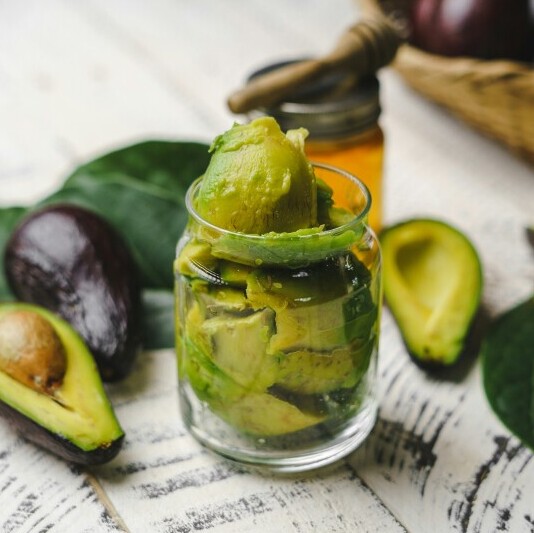
    Home remedies can also help your hair stay moisturized. Ingredients like honey, avocado, or aloe vera can give your hair the hydration boost it craves without commercial product overload.

    Too much of a good thing can lead to over-moisturizing. Overdoing it with oils and creams might weigh down your hair or make it feel greasy. Balance is key, and knowing when to dial it back can make all the difference.

    Heat isn’t always the enemy, but it’s important to partner with a good heat protectant. Using a protectant can prevent further moisture loss and help retain your hair’s health even when styling.

    Styling Tips and Tools for High Porosity Hair

    Styling high porosity hair so it looks fabulous without further damage can be a balance. Opting for hairstyles that play nice with your hair’s porosity can help minimize stress and damage while looking super chic.

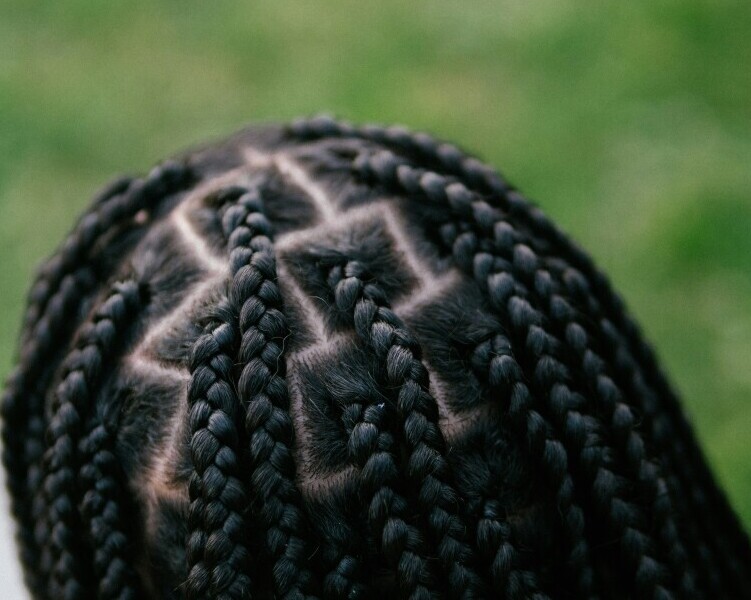
    Protective styles like braids, twists, or buns can do wonders by shielding your hair from elements and reducing breakage. Plus, they’re a great way to switch things up without needing heat or excessive product.

    When it comes to tools, picking the right comb or brush is major. Choose options with wide teeth or specialized bristles to detangle without causing breakage.

    While heat styling isn’t completely off-limits, approach it with caution. Limiting the use of hot tools and opting for lower temperature settings can prevent excess moisture loss. When in doubt, air drying is the gentler choice.

    Avoid styling techniques that pull or tug harshly on your hair. Tight hairstyles can lead to unwanted stress and further damage to porous strands.

    Think of styling as part of your hair’s overall care plan. Each style, tool, and product choice can make a big difference in how strong and healthy your hair can become.

    Embracing Your Natural Hair Texture and Shedding Self-Doubt

    When it comes to high porosity hair, embracing your natural texture can transform how you see yourself in the mirror. Confidence grows when you accept and love your hair for its uniqueness, rather than trying to change it.

    Connecting with communities that celebrate varied hair textures can offer valuable resources and support. Online forums, social media groups, or local meetups can be fantastic places to share experiences, tips, and positive vibes.

    There are many misconceptions out there about what hair “should” look like. Letting go of societal pressures and those perfect hair myths can be empowering.

    Hearing others’ stories about living with high porosity hair can be inspiring. Everyone’s journey is different, and learning from those who share similar experiences can offer fresh perspectives and advice.

    Remember, your hair is just one part of what makes you unique. Embrace it and the confidence it can bring, walking with a little extra bounce in your step knowing you’re owning your natural beauty.

  • Complete 4C Hair Care Routine: Daily Guide for Natural Hair in Kenya

    Afro hair is a stunning gift, diverse and full of character. It comes in shapes and textures that tell stories, a testament to the uniqueness of the cultures it represents. What sets afro hair apart is its structure—tight curls or coils that can range from soft to strong. These curls might seem high-maintenance, but they promise the beauty of texture and volume unlike any other.

    Caring for afro hair means understanding its features like porosity, density, and elasticity. These aren’t just fancy hair science terms but insights into how your hair absorbs moisture, how thick it feels, and how far you can stretch those curls without snapping them. Knowing these will change how you approach hair care altogether, ensuring you’re not just preventing damage but actually nurturing.

    Now, let’s shake loose those myths. Some folks think afro hair grows slower or needs less frequent washing. Not true! It grows just as fast as any other hair type—it just curls on itself, which can make length changes less noticeable. Regular washing is essential, using products that feed your hair’s thirst and maintain balance, not that generic shampoo on the drugstore shelf.

    Celebrating afro hair means embracing its glorious curls and acknowledging the versatility it offers. From wild and free afros to intricate protective styles, there’s a whole world to explore and enjoy. It’s not just about how your hair looks—it’s genuinely about letting your natural beauty shine unfiltered. Recognize the beauty in its diversity and let it be your crown.

    Daily Moisturizing Rituals: Keeping Your Curls Lush

    Keeping afro hair moisturized is like feeding a plant—essential for growth and glow. Afro hair thrives on moisture, soaking it up to stay supple and less prone to breakage. Identifying the right ways to lock in hydration every day can make a world of difference to your curls.

    Start your day by dampening your hair with a spritz of water or a water-based moisturizing spray. This primes your hair, creating an optimal base for any products that follow. The goal here is not just about slathering on creams or oils; it’s about layering moisture effectively. Think of it as building a cake—layer by layer for maximum effect.

    Natural oils play a big part in moisturizing afro hair. But here’s the kicker—oiling your hair every day might not always be the best approach. Too much oil can weigh hair down, making it limp and greasy. Instead, listen to your hair’s needs. Apply lightweight oils like jojoba or almond a few times a week to enhance shine and reduce dryness without the buildup.

    Choosing between natural oils and commercial products can be tricky. Products with shea butter or aloe vera can offer fantastic moisture retention, but always check the ingredients for sulfates or alcohol, which can dry out your strands. Tailor your choices to your hair’s needs and preferences, keeping it balanced and hydrated.

    Remember, moisture isn’t a one-time gig, it’s a daily commitment. A consistent moisturizing schedule leads to softer, more manageable curls—your hair’s very own happy place. Listening to your hair and adjusting your routine as needed will ensure those curls stay lush and lively, day in and day out.

    A Consistent Hair Care Routine for Healthy Afro Locks

    Building a solid routine for afro hair is a bit like crafting a perfect playlist—each step matters, and skipping one can disrupt the entire vibe. To start, know that consistency is key. Your hair thrives on regular love and attention, not random acts of care.

    For those transitioning from chemical treatments to natural maintenance, patience is your best friend. As your hair comes into its own, gentle handling becomes crucial. Using a sulfate-free shampoo nourishes without stripping, while a deep conditioner provides the weekly TLC your curls crave.

    Protective styles like braids or twists are your allies against daily wear and tear, especially in harsh weather. They minimize breakage by tucking away ends, which are the oldest and most fragile parts of your hair. But remember, even protective styles need breaks—your scalp needs to breathe.

    Taking care of an afro is not a one-size-fits-all deal. It’s about tuning into your hair’s unique needs, exploring products and techniques, and seeing what your curls respond to best. Regular trims help keep split ends at bay, ensuring your hair grows strong and healthy. I normally trim every three months but you have to work best with the condition of your hair.

    Maintaining afro hair effectively means embracing what works for you and being open to switch things up as your hair evolves. Explore lightweight filters for your shower to reduce chlorine and contaminants, keep a satin pillowcase handy to reduce friction at night, and let your curls shine with pride.

    Solving Common Challenges: Expert Tips and Tricks

    Every so often, afro hair might throw a curveball your way—dryness or tangles that make you want to throw in the towel. But don’t sweat it, a few expert tricks can set things right without a hitch.

    Tackling dryness starts with drinking enough water. Hydration works from the inside out, giving your hair the moisture it craves. Complement your water intake with creamy leave-in conditioners; they add an extra moisture boost without the need for daily reapplication.

    When it comes to tangles, grab a wide-tooth comb or your fingers to gently sort through any snags. Start from the ends and work your way up to the roots. It’s slower, but less breakage means your hair retains its shine and bounce.

    Eco-friendly and ethical products deserve a shout-out too. They prioritize natural ingredients, keeping harsh chemicals at bay. This means you’re being kind to your hair and the planet. Look for certifications and do a quick ingredient check to ensure you’re making the best choices.

    Budget can sometimes feel like a barrier, but caring for afro hair on a tight budget is totally doable. Simplify your routine: Invest in multi-tasking products and make the most of DIY remedies like aloe masks or avocado treatments. With a bit of creativity, your hair can thrive without breaking the bank.

    Staying in tune with your hair’s needs and experimenting with these strategies will set you on the path to conquering the everyday challenges of caring for an afro. With dedication and the right tricks, your hair will not just cope, but flourish.

  • How To Prevent Hair Breakage In Afro Hair

    Afro hair is made up of tight coils or curls, which can make it more vulnerable to breakage if not handled with care. But why does African hair seem to break more easily, you ask? Well, it’s all about those twists and turns. The natural twists in Afro hair can reduce the movement of natural oils down the strand, leaving the ends a bit dry and prone to splitting.

    Afro hair

    4C hair, in particular, has the tightest curls of all the hair types, which means it’s more fragile and requires some extra love and attention. The challenge with 4C and other Afro hair types is maintaining just the right moisture balance. Too little, and the hair can become brittle; too much, and it might lose its shape or become limp. So, it’s all about striking a balance that works specifically for your hair type.

    People often wonder why Afro hair breaks so easily. The reality is each hair type has its own quirks. For Afro hair, avoiding over-manipulation and harsh chemicals is crucial. Every tug, pull, and chemical straightening can add up over time, making the hair more susceptible to breakage.

    In the end, understanding these unique hair needs isn’t just about preventing breakage but also celebrating the vibrant, stunning nature of Afro hair. It’s about learning to love and care for your locks in their natural state, with all their glorious kinks and curls.

    Foundation for Healthy Afro Hair: Proper Care Routine

    Crafting the perfect hair care routine for Afro hair starts with gentle handling. Afro hair needs a nurturing touch to thrive, so taking it easy on your hair is key. When washing, always opt for sulfate-free shampoos to keep moisture intact. Balancing moisture is crucial, so follow up with a deep conditioner that hydrates and strengthens hair strands.

    Moisturizing is your hair’s best friend. Regularly apply leave-in conditioners or hydrating creams to keep your hair feeling plush and healthy. Don’t shy away from oils like jojoba or argan. These are excellent for sealing moisture and adding some shine, making your curls pop with vitality.

    Implementing a solid hair care routine means not just focusing on what you put on your hair but also on what you put in your body. Eating a nutrient-rich diet loads of fruits, vegetables, and proteins can help with hair resilience and growth. And of course, staying hydrated by drinking plenty of water keeps those locks luscious.

    Lastly, don’t forget to listen to your hair. It tells you what it needs if you pay attention. Whether it’s avoiding excessive heat or sticking to protective styles that promote growth, maintaining a routine isn’t about rigidity—it’s about understanding what works for you.

    Protective Styling and Hair Breakage Prevention

    Protective styling serves as a solid shield against breakage and lets Afro hair shine without daily wear and tear. These styles keep the ends tucked away and limit manipulation, which helps in reducing the dreaded breakage.

    When choosing protective styles, options like braids, twists, or buns can work wonders if done correctly. It’s all about making choices that suit 4C hair without causing stress on the scalp or hair strands.

    Afro hairWhile protective styles are incredible for hair retention, they can backfire if they’re too tight or left in for too long. Tight styles can cause tension and breakage, especially around the hairline. Keeping it comfortable and loose is the way to go.

    Switch up your styles and give your hair breaks in between. Hair needs downtime just like we do. Sometimes, letting it breathe by going into a low-manipulation style or even wearing it out naturally can provide that much-needed rest.

    Common Mistakes and How to Avoid Them

    1. When caring for Afro hair, a few missteps can lead to more harm than good. One common mistake is over-reliance on heat styling. Sure, straighteners and blow dryers can give a sleek look, but frequent use can zap moisture, leading to brittle ends. If heat is necessary, always use a heat protectant and keep the temperature as low as possible.
    2. Skipping regular trims makes matters worse too. It’s a myth that skipping trims will help hair grow faster. In reality, trimming those split ends prevents them from traveling up the hair shaft and causing further breakage.
    3. Product buildup is another sneaky culprit. Afro hair loves moisture, but layering too many products can lead to buildup, making hair dull and prone to breakage. Clarifying shampoos every few weeks can help cleanse your scalp and hair, giving it a fresh start.
    4. Finally, keep an eye out for hair damage signs. If your hair feels brittle, looks dull, or breaks easily, it could be time to reassess your routine. Sometimes, a few changes in how you handle and style your hair can make all the difference. Pay attention, adjust as needed, and your hair will reward you with health and vibrancy.

    What other tips do you think are useful to prevent breakage in Afro hair? Let me know your thoughts below.

  • Protective Hairstyles For Sleeping With Afro Hair

    The key to healthy hair might just be found in your sleep. Yes, while you’re dreaming away, your hair could either be at the mercy of your pillowcase or cocooned in a protective hairstyle that helps maintain its integrity. You’re going to find out about how these overnight styles can shield your hair from the tangles, friction, and breakage that often come with a good night’s rest.

    If you’re imagining that this is only about keeping your hair from looking like a bird’s nest in the morning, think again. It’s also about the long-term preservation of your hair’s health. Say goodbye to split ends and damaged strands because protective hairstyles can considerably reduce the stress that your hair undergoes while you toss and turn.

    Now, what does this mean for your hair type? If you’re sporting locks that are curly, coily, or just generally prone to dryness, you’ll want to stay tuned. Protective sleeping hairstyles aren’t selective; they’re a universal benefit to those with delicate hair, hair prone to damage, or anyone looking to maintain their style longer.

    Choose something that resonates with you, because consistency is key. And don’t worry too much about complexity; often, the simplest styles can be the most effective. It’s not just protecting your hair; it’s about enhancing its beauty and growth potential while you’re off in dreamland.

    The Nitty-Gritty of Night-Time Hair Care: Choosing the Right Protective Hairstyle

    Not all protective hairstyles are created equal, especially when it comes to sleeping. It’s like choosing a mattress; what works for one person might not work for another. So, how do you pick the perfect slumber-friendly ‘do? First, consider your hair’s length and texture. A long, curly mane might love a pineapple updo, while straight, fine hair might prefer a low, loose braid.

    Let’s say you’ve got short hair. You’re probably thinking, ‘What about me?’ Good news: satin-lined caps are your new best friend. They protect against friction without the need for elaborate styling. But if you’ve got a bit more length, you have options like silk scarves tied up in a chic turban or loose braids that prevent tangles without putting stress on your roots.
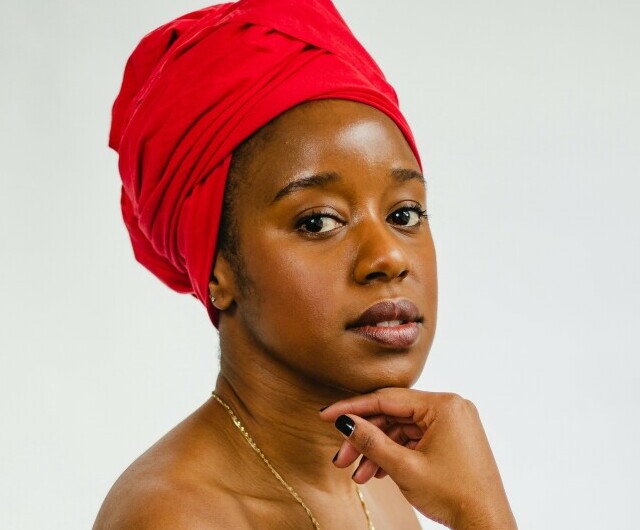
    If you’re weighing the pros and cons of buns, braids, or twists, here are the cliff notes. Buns are quick and can be great for medium to long hair, but make sure they’re not too tight – we’re trying to avoid tension headaches. Braids, including French or Dutch variations, are stellar at keeping hair organized and stretching out natural curls. Twists are underrated champions, ready to offer a similar benefit as braids, but they’re often easier and quicker to put in place.

    Moving on, let’s say you’re dealing with special hair concerns, like breakage or dryness. I’m here to help you with that, too. In this case, moisture-preserving styles like a wrap or pin curls could be your go-to. The key is to avoid any style that’s pulling on the scalp or that could get tangled and matted overnight.

    Now, you’ve probably got a style or two in mind. How about we turn those thoughts into action? You’re going to find out about the exact steps to nail these protective styles in the next section.

    Ensuring Sweet Dreams: Step-by-Step Guidance on Creating Sleep-Friendly Hairstyles

    When it comes to protecting your hair at night, it’s not just about choosing a style; it’s about mastering how to do it right. I’m going to walk you through a few basic protective hairstyles that are perfect for keeping your locks safe while you catch some z’s.

    First up, let’s talk about a classic: the loose braid. This style is fantastic because it’s simple to do and it works wonders on preventing tangles. Begin by gently brushing your hair to remove any knots. Then, braid your hair loosely starting from the nape of your neck. Secure the end with a soft hair tie, and you’re good to go.
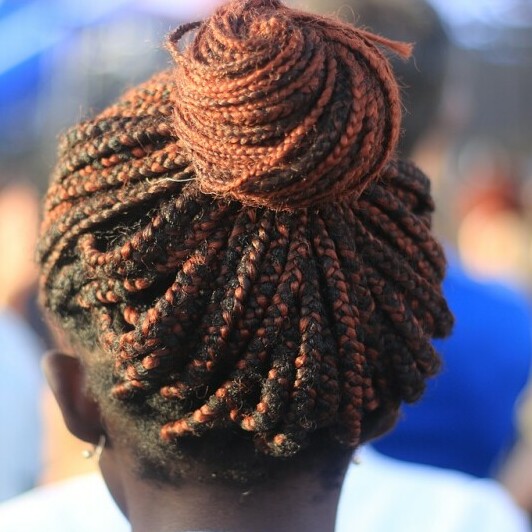
    Another great option is the top knot. This style gets your hair completely off your neck and out of the way. Flip your head upside down, gather your hair into a loose ponytail at the top of your head, and then twist it into a bun. Make sure it’s not too tight—you’re going for comfort as much as protection.

    Now, comfort is key while sleeping, so here’s a tip: avoid using tight elastics or anything that pulls on your scalp. Instead, opt for scrunchies or soft hair ties made of satin or silk. They’ll hold your hair in place without causing breakage.

    Finally, a word on bedtime hair accessories. If you’re someone who moves around a lot in their sleep, consider wearing a silk or satin bonnet, or use a pillowcase made of the same material. These will reduce friction and help you avoid waking up with a head full of frizz.

    Remember, the technique is as important as the hairstyle. No pulling or tight tying. Just don’t focus too much on perfection; your hair doesn’t have to look Instagram-ready, it just needs to be tucked away safely for the night. And don’t worry too much about having a hair accessory slip off—practice makes perfect, and you can always adjust your approach down the road.

    Adopting these practices can create a real difference in your hair’s health. By making them a consistent part of your routine, you’re guaranteeing that the hair you tuck away at night is the same beautiful hair you’ll see in the morning. So, choose something that resonates with you and your nightly routine.

    Morning Glory: Maintaining Hair Health and Style Upon Waking

    Waking up to hair that’s still in great shape is incredibly satisfying. But there’s still a little work to do to ensure that your strands remain healthy and styled throughout your day.

    The way you release your hair from its protective style is crucial. You want to gently unravel any braids or twists to avoid snags. If you’ve used pins or elastic bands, remove them carefully to prevent pulling out hair.

    Don’t overlook the power of a refreshing spritz in the morning. A light mist of water or leave-in conditioner can revive your hairstyle and add moisture without starting from scratch.

    Consistent use of overnight protection for your hair can have significant long-term benefits. You’re likely to notice less breakage, better moisture retention, and overall stronger hair. Plus, let’s not forget the convenience of waking up ready to go with minimal fuss.

    What you do at night can set the tone for your entire day—not just for your schedule, but for your hair as well. By making overnight hair protection a habit, you’re investing in the health and beauty of your hair in the long run.
  • How To Achieve Defined Twist Outs

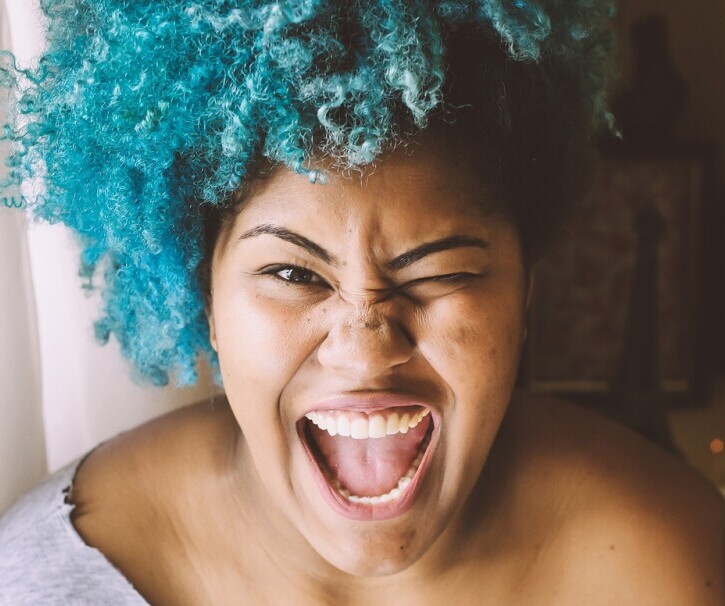
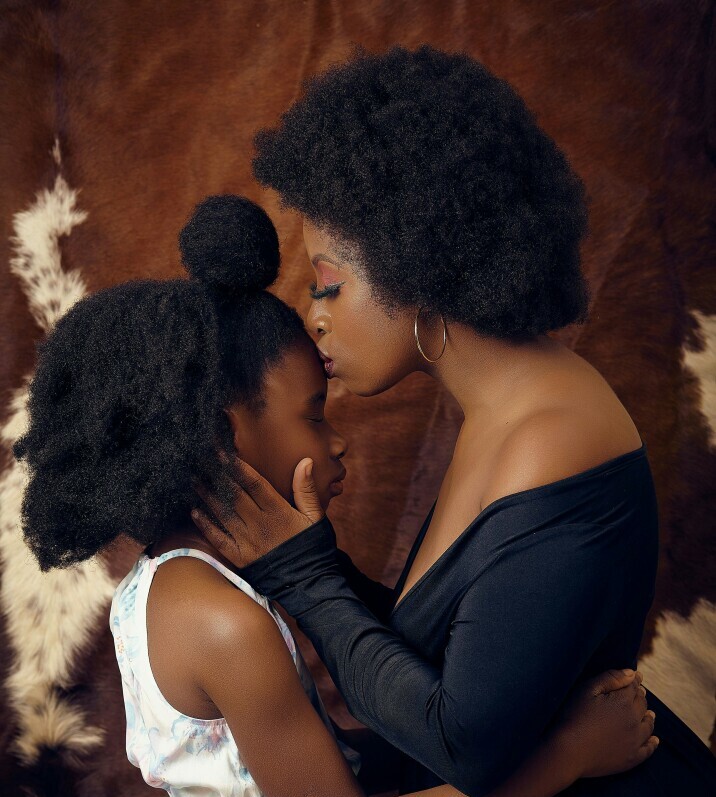
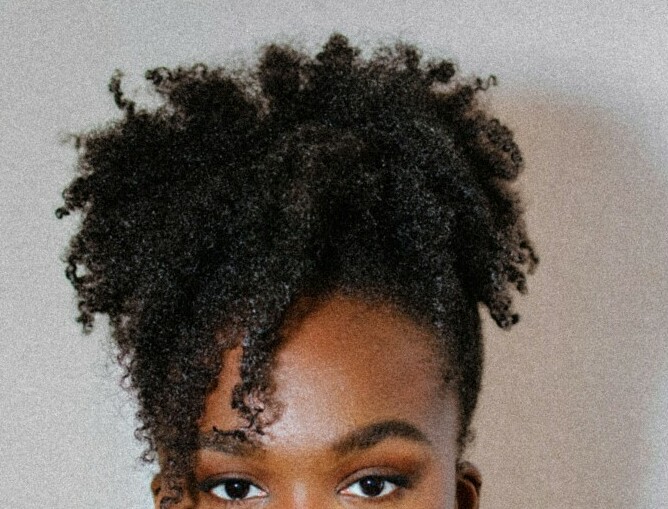
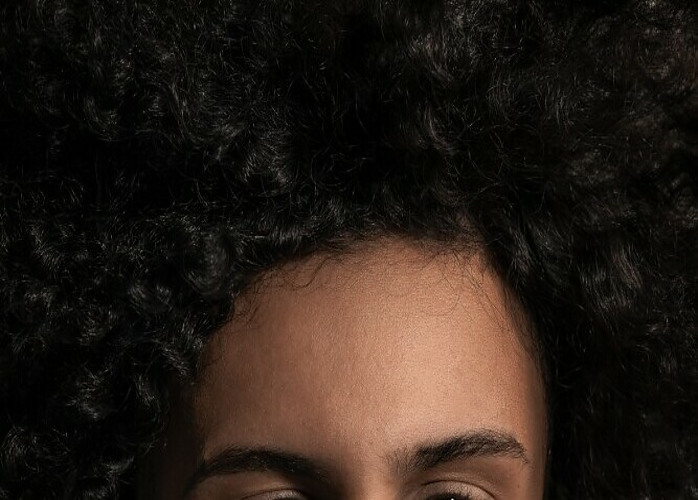
    Imagine waking up to bouncy, defined curls that frame your face and make you feel like a natural hair model. That’s the magic of twist outs, a go-to style for those looking to enhance and celebrate their hair’s innate texture. Twist outs involve twisting sections of wet or damp hair and then unraveling them once dry, to reveal beautifully defined and voluminous curls.

    In the natural hair community, twist outs aren’t just about style; they’re also a declaration of hair health and texture appreciation. Given their versatility, they work for an array of hair types – from loose waves to the tightest of coils. The appeal lies in the ability to morph your natural pattern into more defined spirals or waves, all while maintaining the hair’s integrity.

    But the perfect twist out doesn’t come without a little know-how. It’s about more than just twisting strands; it’s about understanding your hair’s needs, choosing the right products, and mastering the technique. Fortunately, I’m here to guide you through each step. By the end of this article, you’ll know how to set your hair up for success from the prep phase to the final, stunning reveal.
    First things first, let’s talk about the foundation of any great twist out – preparation. You’re going to find out about selecting the proper products for your hair type, the importance of beginning with a clean slate, and the pre-styling must-dos that make all the difference. Let’s set the stage for your best twist out yet.

    Preparation: The Key to Perfect Twist Outs

    I’m going to walk you through the crucial preparation stage for achieving a defined twist out. It all starts with choosing the right product arsenal for your specific hair texture. You’ll find market shelves lined with creams, gels, and butters, but the trick is to select those that cater to your hair’s needs. Are you working with coily, curly, or wavy hair? Each type may require different levels of hold and moisture.

    Don’t worry too much about trial and error. Your first attempt at product selection doesn’t need to be your last. It’s about finding what resonates with you and your hair’s unique personality.

    Now, let’s talk hair prep. It’s not just about having clean hair, it’s about thoroughly detangled hair that’s been infused with moisture. Deep conditioning treatments or leave-in conditioners are not just good-to-have; they’re essential for priming your hair for twists that stay defined and resilient.

    Parting your hair is the next step and it’s going to include decision-making. Do you want lots of small twists for tighter definition or fewer, chunky twists for a looser look? Whatever you choose, consistent parts are your best friend for even twist outs.

    Finally, we’re going to touch on the importance of hair porosity in this preparation phase. Understanding your hair’s ability to absorb and retain moisture is going to have a significant impact on the outcome of your twist-out. Choosing products that align with your porosity can make or break the definition you’re aiming for.

    Mastering the Technique: Twisting Your Way to Definition

    Creating the perfect twists is both an art and a science. To begin, make sure your hair is still slightly damp and apply your chosen twist cream or butter. Working in sections, apply the product from roots to tips, ensuring even coverage for maximum moisture and hold.

    Normally once I have sectioned the hair, I make sure that I put in my leave-in product it can be cantu shea butter or even coconut oil because you want your hair to have shine after you unravel it.

    When twisting, take two strands of hair and wrap them firmly around each other from roots to ends. Be consistent with the tension; too tight and you risk breakage, too loose and the twists won’t set properly. Aim for uniform size in each twist to guarantee a consistent pattern in your final twist out.

    Once you’ve finished a twist, you can either let it hang freely or secure the ends to keep them from unraveling. Some people find that using a small curler or rod on the end can help define the twist further and prevent the ends from fraying.

    If you plan to leave your twists in overnight, protect your hair by wrapping it in a satin or silk scarf or bonnet. This reduces friction with your pillow and helps maintain the moisture you’ve locked in with your products.

    Common mistakes include rushing the process, not using enough product, or failing to properly detangle before you begin. Take your time, ensure each section is smooth before you twist, and you’ll be rewarded with a more defined final look.

    The Big Reveal: Maintaining and Styling Your Defined Twist Out

    Okay, the twists are settled, and you’re ready to marvel at your work. Unravel each twist gently to keep that definition you’ve worked so hard to achieve. It’s all about the technique here—twist them in the opposite direction and allow them to naturally separate. Patience is your ally.

    Once you’re done untwisting, you might notice that your hair looks pretty good, but you’re after greatness! Now, use your fingertips to fluff at the roots to inject some serious volume. However, don’t get too zealous with the fluffing; we’re preserving that hard-earned definition, remember?

    Here’s the thing about a brilliant twist out—it doesn’t stop after the unveiling. Day-to-day maintenance is crucial. Wrap your hair up in silk or satin before bed to minimize frizz. In the morning, a little oil or water can refresh your style without weighing it down.

    Despite your best efforts, sometimes twist outs have a mind of their own. If yours isn’t as defined as you hoped, don’t stress. Use this as an opportunity to experiment. Try different products, adjust the size of your twists, or even include a braid here and there for a change in texture.

    Like any technique worth mastering, a defined twist out may take a few tries to perfect. But that’s where growth happens—in the doing and redoing. Choose something that resonates with you, adjust your approach as needed, and remember, your first attempt doesn’t need to be your last. Keep at it, and your twist outs are going to reach new levels of fabulous.

  • Afro Hair Maintenance and understanding your curls

    Embracing the Beauty of Afro Hair: Understanding Your Curls

    Introduction to Afro hair: Diversity of textures and unique character

    Afro-textured hair, often referred to as “afro hair,” is incredibly diverse and comes in various textures, patterns, and styles. Here are some key aspects of the diversity of afro hair:

    1. Texture: Afro hair can have a wide range of textures, from tightly coiled to loosely curled. The classification system commonly used to describe the texture of afro hair is the Andre Walker Hair Typing System, which ranges from Type 3 (curly) to Type 4 (coily/kinky). Within these categories, there’s further diversity in curl patterns, density, and thickness.
    2. Density: Afro hair can vary in density, referring to the number of strands on one’s head. Some individuals have thick and dense hair, while others may have finer strands.
    3. Porosity: This refers to how well hair holds and retains moisture. Afro hair often has higher porosity, making it prone to dryness. Understanding porosity helps in selecting appropriate hair care products and routines.
    4. Styles: The versatility of afro-textured hair allows for numerous styling options, including braids, twists, locs, bantu knots, afros, and more. These styles not only showcase the diversity of afro hair but also represent cultural traditions and personal expression.
    5. Challenges and Care: Managing afro hair often requires specific care routines due to its unique characteristics. Regular moisturizing, protective styling, and gentle handling are essential. There’s also a growing movement toward embracing natural hair and advocating for products and practices that cater to its needs.
    6. Cultural Significance: Afro hair carries deep cultural significance within various communities worldwide. It’s a reflection of identity, history, and heritage, playing a crucial role in cultural expression, traditions, and individual style.
    7. Representation: Historically, mainstream media has not always represented the full diversity and beauty of afro hair. However, there has been a positive shift toward embracing natural hair and celebrating its diversity in recent years, leading to increased representation and appreciation.

    Overall, the diversity of afro hair is vast and beautiful, encompassing a wide spectrum of textures, styles, and cultural significance, contributing to its rich heritage and individuality.

    The science behind Afro hair: How its structure affects maintenance needs

    The structure of afro-textured hair significantly influences its maintenance needs. Several key characteristics of afro hair, such as its texture, porosity, and coil pattern, impact how it should be cared for and maintained:

    1. Texture and Curl Pattern: Afro hair often has a tight curl pattern, which can make it more prone to tangling and breakage. The bends and twists in the strands make it challenging for natural oils from the scalp to travel down the hair shaft, resulting in drier hair. However, this depends on the porosity of the afro hair texture. Different curl patterns may require varied care routines, with some needing more moisture and others needing specific styling techniques to prevent tangling.
    2. Porosity: Afro hair tends to have higher porosity, meaning it can absorb and lose moisture more quickly. High porosity hair might benefit from more frequent deep conditioning and moisturizing treatments to maintain adequate hydration levels.
    3. Dryness: Due to its structure and reduced natural oil distribution along the hair shaft, afro-textured hair often faces challenges with dryness. This makes moisture retention a critical aspect of maintenance. Using hydrating shampoos, conditioners, and oils that penetrate the hair shaft can help combat dryness.
    4. Shrinkage: Afro hair can experience significant shrinkage, meaning that its length may not be immediately apparent due to the coils and curls. Understanding how to stretch the hair to its full length without causing damage is essential for styling and maintenance.
    5. Breakage and Damage: The bends and twists in afro-textured hair can make it more prone to breakage, especially if not handled gently. Detangling methods, protective styling, and using appropriate tools (like wide-toothed combs) are crucial to minimize damage.
    6. Scalp Health: Maintaining a healthy scalp is vital for healthy hair growth. Due to the nature of tightly coiled hair, keeping the scalp clean, moisturized, and free from product buildup is important to avoid issues like dandruff or scalp irritation.
    7. Styling Techniques: Certain styling methods, such as braiding, twisting, or using heat tools, can impact the health of afro hair. Protective styling, low-manipulation styles, and minimizing heat usage can help maintain hair health.

    Understanding these structural characteristics of afro-textured hair is crucial for developing a personalized maintenance routine that caters to its unique needs, promoting healthy growth, moisture retention, and overall hair strength.

    Why nurturing Afro hair is essential for both health and self-expression

    1. Hair Health: Proper care and maintenance of afro-textured hair are crucial for its overall health. This hair type tends to be more prone to dryness and breakage due to its unique structure. Nurturing afro hair involves using appropriate products, gentle handling, and suitable styling techniques to maintain its moisture, strength, and integrity.
    2. Self-Confidence and Identity: Hair plays a significant role in self-expression and cultural identity for many individuals with afro-textured hair. Embracing and nurturing natural hair can contribute to a sense of pride, confidence, and connection to one’s cultural heritage and identity.
    3. Cultural Significance: Afro hair holds deep cultural significance within various communities worldwide. The way individuals choose to style and care for their hair often reflects their cultural background, traditions, and personal identity. Nurturing and celebrating afro-textured hair helps preserve cultural heritage and traditions.
    4. Versatility and Creativity: Afro-textured hair is incredibly versatile and offers a wide range of styling options, from afros to braids, twists, locs, and more. Nurturing this hair type allows individuals to explore various styles and express their creativity, showcasing the diversity and beauty of afro hair.
    5. Community and Representation: The movement toward embracing natural hair has led to increased representation and visibility of diverse hair textures in media, fashion, and entertainment. Nurturing afro hair supports this positive representation, fostering a sense of community and empowerment among individuals with similar hair textures.
    6. Education and Empowerment: Learning how to properly care for afro-textured hair promotes education and empowerment within communities. Understanding the unique needs of this hair type helps individuals make informed choices about products, styling techniques, and maintenance routines, leading to healthier, stronger hair.

    In essence, nurturing afro-textured hair is not only about maintaining its health but also embracing cultural identity, promoting self-expression, and celebrating diversity. It fosters a sense of pride, confidence, and empowerment within communities while highlighting the beauty and versatility of afro hair.

    Dispelling myths and embracing the versatility of Afro hair

    Dispelling myths about afro-textured hair and embracing its versatility is crucial in promoting understanding, appreciation, and acceptance of this diverse hair type. Here are some common myths about afro hair and the realities that showcase its versatility:

    Myth 1: Afro hair doesn’t grow long.
    Reality: Afro hair grows at a similar rate to other hair types. However, due to its tight coil pattern, shrinkage often masks its true length. With proper care, afro-textured hair can achieve impressive lengths.

    Myth 2: Afro hair is unmanageable and difficult to style.
    Reality: Afro hair is incredibly versatile and can be styled in various ways. There’s a wide range of styling options, including braids, twists, bantu knots, afros, and more. Understanding its unique characteristics is key to effectively managing and styling it.

    Myth 3: Afro hair is inherently unprofessional.
    Reality: This myth stems from biases and misconceptions about natural hair. Afro hair, like any other hair type, can be styled professionally. The acceptance of natural hair in professional settings is growing, advocating for inclusivity and diversity.

    Myth 4: Afro hair is always coarse and rough.
    Reality: Afro-textured hair comes in different textures, from fine to coarse, and varies in density and curl pattern. Some strands might feel coarse, while others may be fine and soft. Moisture, proper care, and suitable products can improve texture and manageability.

    Myth 5: Afro hair doesn’t require as much care as other hair types.
    Reality: Afro hair often requires specific care routines due to its unique characteristics. Proper moisturization, gentle handling, and protective styling are essential to maintain its health and prevent breakage.

    Myth 6: Chemical treatments are necessary for manageability.
    Reality: Chemical treatments like relaxers or texturizers have been used to straighten afro hair, but they can cause damage and alter the hair’s natural texture. Embracing natural hair and adopting suitable care practices can enhance manageability without resorting to chemical treatments.

    Myth 7: Afro hair is not versatile in styling options.
    Reality: Afro-textured hair is incredibly versatile and offers numerous styling options, from protective styles to various lengths and textures. It can be braided, twisted, worn in a frohawk, styled in elegant updos, or left free in its natural state.

    Embracing the versatility of afro-textured hair involves challenging stereotypes, promoting education, and celebrating its beauty in all its forms. By debunking myths and embracing the diversity of afro hair, individuals can cultivate a greater appreciation for this unique and beautiful hair type.

    The importance of hydration and nourishment: Identifying key products

    Hydration and nourishment are vital for maintaining the health, strength, and vibrancy of afro-textured hair. Identifying key products that effectively provide moisture and nourishment is essential for a successful hair care routine. Here are some products that can help in hydrating and nourishing afro hair:

    1. Moisturizing Shampoos: Look for sulfate-free shampoos that gently cleanse without stripping natural oils. Moisturizing shampoos help retain moisture in the hair while cleansing the scalp.
    2. Conditioners: Deep conditioners and leave-in conditioners are crucial for afro hair. Deep conditioning treatments provide intense hydration and nourishment, while leave-in conditioners help maintain moisture levels between washes.
    3. Hair Masks and Treatments: Using occasional hair masks or treatments can provide an extra boost of hydration and nourishment. Look for products containing natural oils (like coconut oil, shea butter, argan oil) and ingredients like honey or aloe vera for their moisturizing properties.
    4. Natural Oils: Natural oils such as coconut oil, jojoba oil, olive oil, and argan oil are beneficial for sealing moisture into the hair, preventing moisture loss, and providing essential nutrients.
    5. Moisturizing Creams and Lotions: Creams and lotions specifically formulated for afro-textured hair can help maintain moisture and enhance manageability. They often contain ingredients like shea butter or glycerin to hydrate and nourish the hair.
    6. Water-Based Products: Products with water as the first ingredient are excellent for adding moisture to the hair. Spritzing the hair with a water-based leave-in conditioner can revitalize curls and maintain hydration.
    7. Scalp Oils or Serums: Nourishing the scalp is crucial for healthy hair growth. Using scalp oils or serums containing ingredients like tea tree oil or peppermint oil can promote a healthy scalp environment.
    8. Protective Styling Products: When wearing protective styles like braids or twists, using products specifically designed for these styles can help maintain moisture and protect the hair from damage.
    9. Clarifying Shampoos: Occasionally using a clarifying shampoo helps remove product buildup, allowing other products to penetrate the hair shaft more effectively for better hydration.
    10. Heat Protectants: If using heat styling tools, using a heat protectant is essential to shield the hair from heat damage while locking in moisture.

    It’s important to note that different individuals may respond differently to products, so it’s beneficial to experiment with various products to find the ones that work best for your hair’s unique needs. Additionally, maintaining a consistent hair care routine that includes hydration and nourishment is key to promoting healthy and beautiful afro-textured hair. Do you have any products that you have identified that are suitable to your hair type? Do you find that natural products work better?

  • Threads of Time: A Historical Tapestry of Dreadlocks

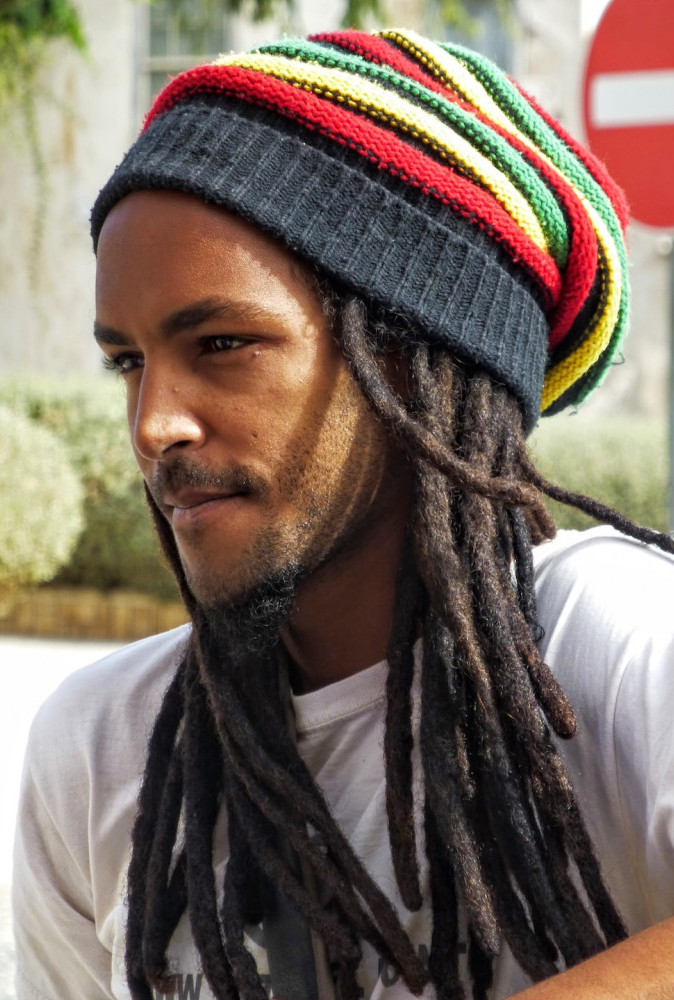
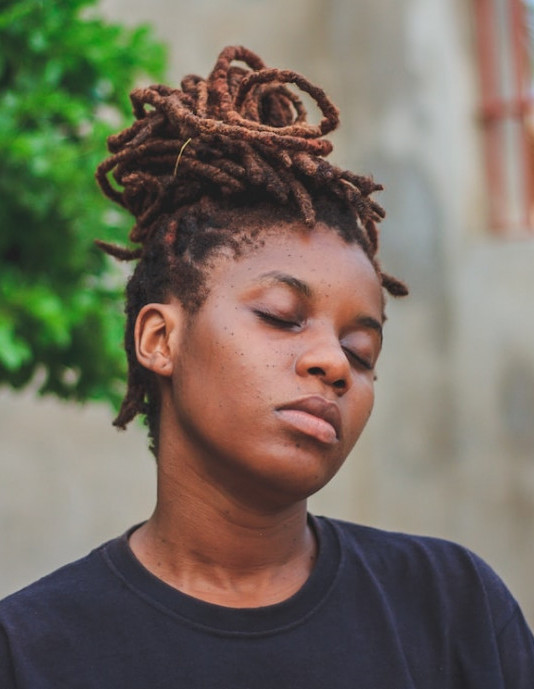
    I will be working on something a little different today as I typically speak on other hair-do’s this time, I actually want to speak on locks. Most individuals would assume that the origin of locks would be in Africa, however, that is actually not the case. Unfortunately, locks have been linked closely with individuals who are dirty, smelly, unkempt, and viewed as ugly. Just like an experience, you must have dealt with them directly to know exactly how they are maintained and what it entails. Locks are the most natural hairstyle in many cultures.

    Dreadlocks, a distinctive and culturally significant hairstyle, have a rich and diverse history that spans across continents and centuries. From ancient civilizations to modern-day subcultures, the journey of dreadlocks is a fascinating exploration of identity, spirituality, and cultural expression

    History

    The roots of dreadlocks can be traced back to ancient civilizations, with evidence suggesting that various cultures independently embraced this hairstyle. The earliest depictions of dreadlocks date back to over 2000 years ago, found in artifacts from Egyptian and North African civilizations. The intricate braiding and coiling of hair were not only a practical means of managing hair in arid climates but also held religious and cultural significance.

    Before the early industrial revolution, it was well known that locks were mostly confined in India. In the Twentieth century, the lock movement began as a socio-religious movement in Harlem which is in New York. This movement was headed by a well-known Jamaican activist known as Marcus Harvey. African and Jamaican descendants were attracted to this movement. Most of the teaching followed was from various African tribes, the bible both the Old and New Testament and Hindu culture.

    Religions

    Rastafari a well-known religion began to follow the Ethiopian Emporer Ras Tafari. Through this religion the natural hairstyle known as “dread-locks” was concieved. However, most people don’t know that the hairstyle originated long before the Rastafarian religion.

    So how do we know that hair locks may have originated in India? well mostly because a number of professors from Nigeria named yogi’s and Indian sages as the original inventors of hair locks. However it’s actually impossible to pinpoint exactly who started this hair-style. Historical findings have also suggested that dreads were the popular hairstyle for figures like John the Baptist and Samson. Ancient Egyptians, Irish warriors, Vikings and Hindu Holy men are believed to have sported locks.

    The term “dreadlocks” itself has roots in the Rastafari movement. The word “dread” is believed to have originated from the Rastafarian expression “dreadful,” conveying awe and reverence for the Almighty. Rastafarians sought to “dread” their hair as a way of embracing their natural selves and rejecting conformity.

    Source: Knotty boy natural hair care.

    Cultural Spread and Influences

    Dreadlocks transcended the confines of Jamaica and the Rastafari movement, making their way into global popular culture. The 1970s and 1980s witnessed the emergence of reggae music and its global influence, with iconic figures like Bob Marley popularizing dreadlocks as a symbol of rebellion, spirituality, and cultural pride.

    Beyond the Rastafari movement, various other cultures around the world have embraced dreadlocks as a form of self-expression. In Africa, some ethnic groups have a long history of wearing locked hairstyles, each with its unique cultural significance. Additionally, in the 20th and 21st centuries, dreadlocks have become a symbol of counterculture movements, challenging societal norms and advocating for individuality.

    Contemporary Significance

    In the contemporary era, dreadlocks continue to be a powerful symbol of identity and cultural pride. People from diverse backgrounds and walks of life choose to wear dreadlocks as a means of expressing their individuality, cultural heritage, or spiritual beliefs. The acceptance and mainstream popularity of this hairstyle highlight society’s evolving perceptions of beauty and cultural diversity.

    However, it’s important to note that the journey of dreadlocks hasn’t been without controversy. In some instances, individuals with dreadlocks have faced discrimination in educational and professional settings, sparking discussions about cultural appropriation and the right to express one’s identity.

    Conclusion

    The history of dreadlocks is a testament to the enduring nature of cultural symbols and their ability to traverse time and space. From ancient civilizations to modern subcultures, the journey of dreadlocks reflects the ever-evolving relationship between culture, identity, and personal expression. As society continues to embrace diversity, the story of dreadlocks remains woven into the fabric of our shared human experience.

    What are your thoughts on locks in general? has the information on it changed your view of them?