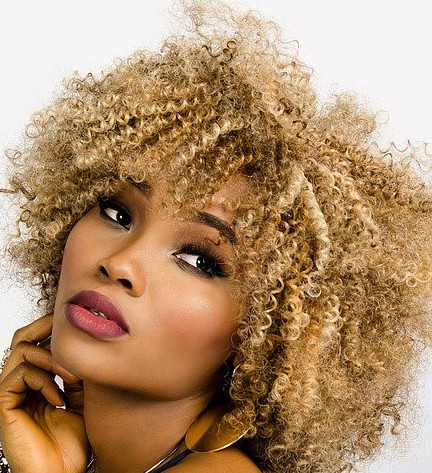
The key to healthy hair might just be found in your sleep. Yes, while you’re dreaming away, your hair could either be at the mercy of your pillowcase or cocooned in a protective hairstyle that helps maintain its integrity. You’re going to find out about how these overnight styles can shield your hair from the tangles, friction, and breakage that often come with a good night’s rest.

If you’re imagining that this is only about keeping your hair from looking like a bird’s nest in the morning, think again. It’s also about the long-term preservation of your hair’s health. Say goodbye to split ends and damaged strands because protective hairstyles can considerably reduce the stress that your hair undergoes while you toss and turn.
Now, what does this mean for your hair type? If you’re sporting locks that are curly, coily, or just generally prone to dryness, you’ll want to stay tuned. Protective sleeping hairstyles aren’t selective; they’re a universal benefit to those with delicate hair, hair prone to damage, or anyone looking to maintain their style longer.
Choose something that resonates with you, because consistency is key. And don’t worry too much about complexity; often, the simplest styles can be the most effective. It’s not just protecting your hair; it’s about enhancing its beauty and growth potential while you’re off in dreamland.
The Nitty-Gritty of Night-Time Hair Care: Choosing the Right Protective Hairstyle
Not all protective hairstyles are created equal, especially when it comes to sleeping. It’s like choosing a mattress; what works for one person might not work for another. So, how do you pick the perfect slumber-friendly ‘do? First, consider your hair’s length and texture. A long, curly mane might love a pineapple updo, while straight, fine hair might prefer a low, loose braid.
Let’s say you’ve got short hair. You’re probably thinking, ‘What about me?’ Good news: satin-lined caps are your new best friend. They protect against friction without the need for elaborate styling. But if you’ve got a bit more length, you have options like silk scarves tied up in a chic turban or loose braids that prevent tangles without putting stress on your roots.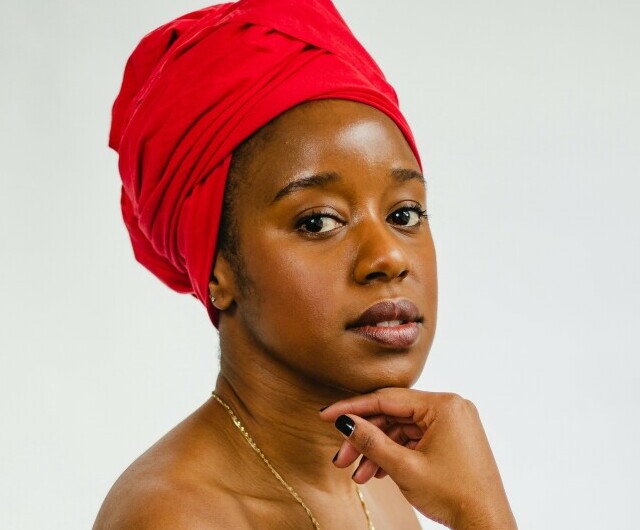
If you’re weighing the pros and cons of buns, braids, or twists, here are the cliff notes. Buns are quick and can be great for medium to long hair, but make sure they’re not too tight – we’re trying to avoid tension headaches. Braids, including French or Dutch variations, are stellar at keeping hair organized and stretching out natural curls. Twists are underrated champions, ready to offer a similar benefit as braids, but they’re often easier and quicker to put in place.

Moving on, let’s say you’re dealing with special hair concerns, like breakage or dryness. I’m here to help you with that, too. In this case, moisture-preserving styles like a wrap or pin curls could be your go-to. The key is to avoid any style that’s pulling on the scalp or that could get tangled and matted overnight.
Now, you’ve probably got a style or two in mind. How about we turn those thoughts into action? You’re going to find out about the exact steps to nail these protective styles in the next section.
Ensuring Sweet Dreams: Step-by-Step Guidance on Creating Sleep-Friendly Hairstyles
When it comes to protecting your hair at night, it’s not just about choosing a style; it’s about mastering how to do it right. I’m going to walk you through a few basic protective hairstyles that are perfect for keeping your locks safe while you catch some z’s.
First up, let’s talk about a classic: the loose braid. This style is fantastic because it’s simple to do and it works wonders on preventing tangles. Begin by gently brushing your hair to remove any knots. Then, braid your hair loosely starting from the nape of your neck. Secure the end with a soft hair tie, and you’re good to go.
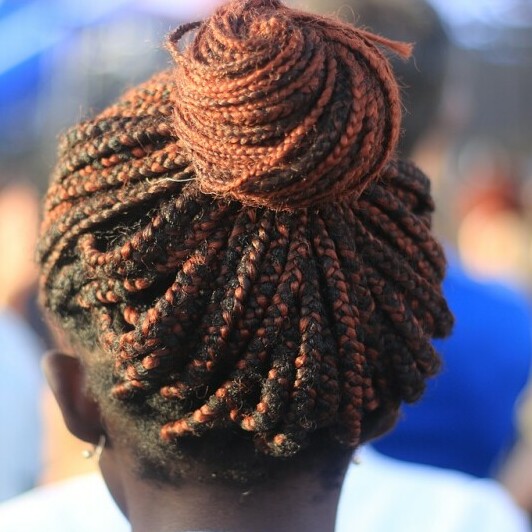
Another great option is the top knot. This style gets your hair completely off your neck and out of the way. Flip your head upside down, gather your hair into a loose ponytail at the top of your head, and then twist it into a bun. Make sure it’s not too tight—you’re going for comfort as much as protection.
Now, comfort is key while sleeping, so here’s a tip: avoid using tight elastics or anything that pulls on your scalp. Instead, opt for scrunchies or soft hair ties made of satin or silk. They’ll hold your hair in place without causing breakage.
Finally, a word on bedtime hair accessories. If you’re someone who moves around a lot in their sleep, consider wearing a silk or satin bonnet, or use a pillowcase made of the same material. These will reduce friction and help you avoid waking up with a head full of frizz.

Remember, the technique is as important as the hairstyle. No pulling or tight tying. Just don’t focus too much on perfection; your hair doesn’t have to look Instagram-ready, it just needs to be tucked away safely for the night. And don’t worry too much about having a hair accessory slip off—practice makes perfect, and you can always adjust your approach down the road.
Adopting these practices can create a real difference in your hair’s health. By making them a consistent part of your routine, you’re guaranteeing that the hair you tuck away at night is the same beautiful hair you’ll see in the morning. So, choose something that resonates with you and your nightly routine.
Morning Glory: Maintaining Hair Health and Style Upon Waking
Waking up to hair that’s still in great shape is incredibly satisfying. But there’s still a little work to do to ensure that your strands remain healthy and styled throughout your day.
The way you release your hair from its protective style is crucial. You want to gently unravel any braids or twists to avoid snags. If you’ve used pins or elastic bands, remove them carefully to prevent pulling out hair.
Don’t overlook the power of a refreshing spritz in the morning. A light mist of water or leave-in conditioner can revive your hairstyle and add moisture without starting from scratch.
Consistent use of overnight protection for your hair can have significant long-term benefits. You’re likely to notice less breakage, better moisture retention, and overall stronger hair. Plus, let’s not forget the convenience of waking up ready to go with minimal fuss.
What you do at night can set the tone for your entire day—not just for your schedule, but for your hair as well. By making overnight hair protection a habit, you’re investing in the health and beauty of your hair in the long run.