Category: scalp care

  • Traditional Hair Care Practices In Africa

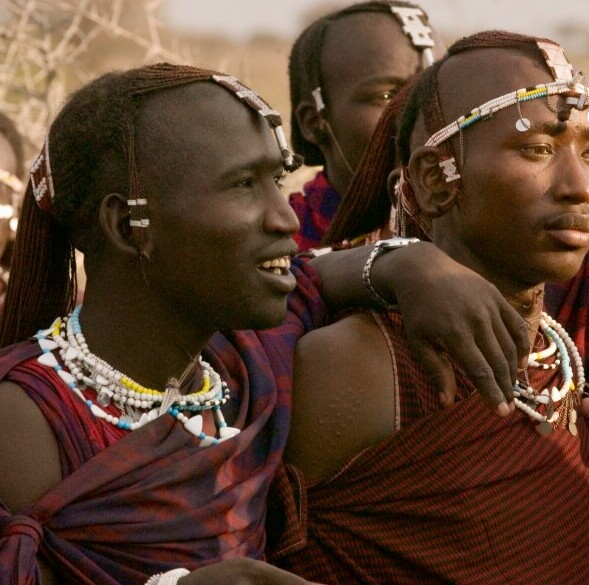
    African hair care traditions have such depth and variety. Every culture or tribe you touch upon has its own unique way of handling their hair. From the Maasai in East Africa to the Himba in Namibia, each community offers something distinct and beautiful that has been crafted and refined over generations.

    Historical context plays a key role in these hair care practices. In many African societies, hairstyles aren’t just about aesthetics—they’re a critical part of a person’s identity. Hair often signals status, age, and even marital status. It’s like every strand has a story to tell.

    Oral traditions are the unsung heroes here, passing on knowledge from grandmother to mother to child. These stories and teachings about hair care aren’t just instructions; they’re pieces of history woven into everyday life. You learn why certain ingredients are treasured or why particular styles emerged.

    Over the years, despite external influences trying to impose different standards of beauty, these traditions have persisted. They stand as a resilient part of African heritage, showcasing how deeply rooted and cherished these practices are. When you embrace these traditions, you’re not just caring for hair; you’re celebrating a cultural legacy.

    Natural Ingredients: The Secret Behind Beautiful African Hair

    When it comes to keeping hair healthy and vibrant, Africa’s nature provides a rich bounty of ingredients. From the lush shea butter of West Africa to the nutrient-packed coconut oil found in coastal regions, these natural ingredients have been hair care champions for centuries.

    Shea butter’s not just a moisturizer; it’s an all-star. Packed with vitamins and fatty acids, it can combat dandruff and add sheen to hair. Shea butter stands among the most cherished ingredients because of its versatility. You can use it to hydrate, as a base for a homemade hair mask, or even to style your curls the way your grandma taught you.

    And black castor oil? Let’s just say it’s not your average oil. Known for promoting hair growth and keeping the scalp healthy, this oil finds home in beauty routines far beyond Africa’s borders nowadays.

    Then there are the hidden gems like baobab oil or marula oil, lesser-known to many but cherished locally. Baobab oil, with its omega-rich content, works wonders for dry hair, while marula oil gives that velvety touch to the hair strands.

    The choice of ingredients is often influenced by the local environment. In areas with drier climates, options like argan oil or aloe vera help retain moisture and combat hair dryness.

    Incorporating these natural treasures into your hair care routine is like giving your mane a taste of Africa’s heart and soul. It’s more than just care; it’s a connection to nature and history, offering timeless benefits that are as relevant today as they’ve ever been.

    Rituals and Techniques: Mastering Traditional African Hairstyles

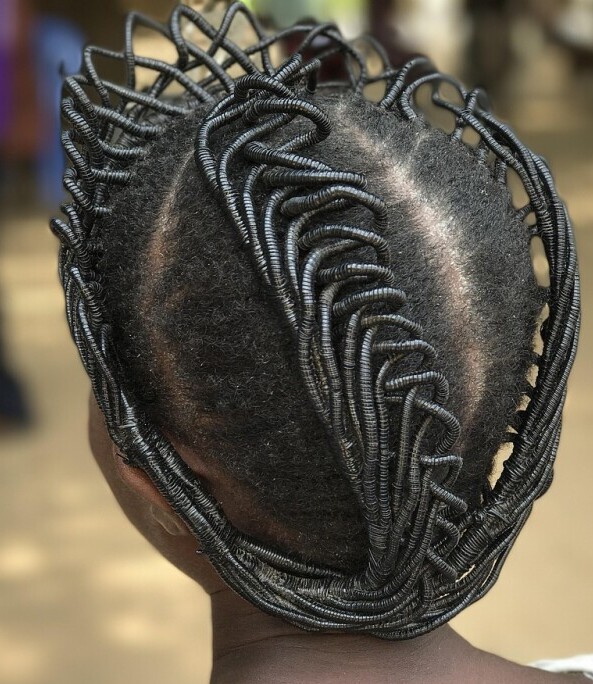
    Braiding and weaving aren’t just skills; they’re artistry passed down through generations, each twist and turn telling a part of history. From intricate beadwork to vibrant-colored threads, these styles aren’t just about looking good—they hold cultural significance that runs deep.

    Understanding different braiding techniques, like cornrows and Senegalese twists, involves tapping into a rich tapestry of cultural expression. Each braid can carry a different meaning, whether it’s a new stage in life or a clan’s symbol.

    The care and craftsmanship involved in these styles are meticulous. The techniques often require hours of attention and skillful fingers, paying homage to ancestral practices that celebrate patience and precision. Women often gather in social settings, where styling becomes a communal activity, fostering bonds and community.

    Maintaining these hairstyles involves specific techniques to ensure they last and look fresh. Using natural oils mentioned earlier, like shea butter, helps with locking in moisture while giving the hair a healthy sheen. Plus, tying hair up at night helps keep the style intact, showing that traditional hair care involves both creation and maintenance.

    Exploring these styles isn’t just about having a unique look—it’s about participating in an age-old tradition that champions identity, family, and heritage. Anyone embracing these practices taps into the collective wisdom and beauty passed on through time.

    The Role of Hair in African Identity and Cultural Expression

    Hair in African cultures extends far beyond style—it’s an expression of identity and a cornerstone of cultural storytelling. This connection to heritage shows how deeply personal and communal hair care practices are in African communities.

    For many, different hairstyles signify religious beliefs, social status, or tribal affiliations. Hairstyles can also indicate critical life transitions, like an initiation ceremony or marriage. Sporting a specific braid or design isn’t just a style choice; it’s a badge of honor and pride.

    The African diaspora has played a significant role in spreading these hairstyles globally. In new countries, African communities have used hairstyles as a way to keep their identities alive, and to share their rich cultural backgrounds with others around them.

    Hairstyling often forms a cornerstone of major life events. Whether it’s celebrating a childbirth, a wedding, or coming of age, hair signifies these milestones in vibrant, meaningful ways. It’s like a silent language that speaks volumes, connecting the past with the present.

    Even in everyday life, hair represents more than just physical appearance—it’s a form of personal expression and a link to the broader cultural tapestry. Embracing these practices is akin to taking part in a living, breathing tradition that bridges generations and continents.

    Modern Influences and the Renaissance of Traditional Hair Practices

    Today’s African hair care scene is a vibrant blend of tradition and modern innovation, thanks to cultural exchange and the information age. As people move across borders and cultures intertwine, traditional practices have found new audiences and inspirations. This cultural fusion is like a renaissance that breathes fresh life into age-old methods.

    Social media and popular culture have given traditional African hairstyles and hair care methods a global platform. Influencers and celebrities showcasing these styles help break down stereotypes and promote diversity in beauty standards. With each post and video, they celebrate the beauty and complexity of traditional African hair practices on a global stage.

    New products and technologies, like curl-definition enhancers or heat-protectant sprays, complement traditional methods, offering more options for styling and care. These innovations make it easier to maintain intricate hairstyles while preserving their integrity and cultural significance.

    These modern tweaks don’t replace the traditional knowledge passed down but enhance it, making these styles easier to access and maintain in today’s fast-paced world. This dynamic blend of old and new keeps the rich heritage of African hair care not only alive but thriving in contemporary society.

    Embracing this evolution means acknowledging the versatility and resilience of African hair traditions. It means participating in a cultural celebration that honors the past, enriches the present, and inspires the future.

  • Complete 4C Hair Care Routine: Daily Guide for Natural Hair in Kenya

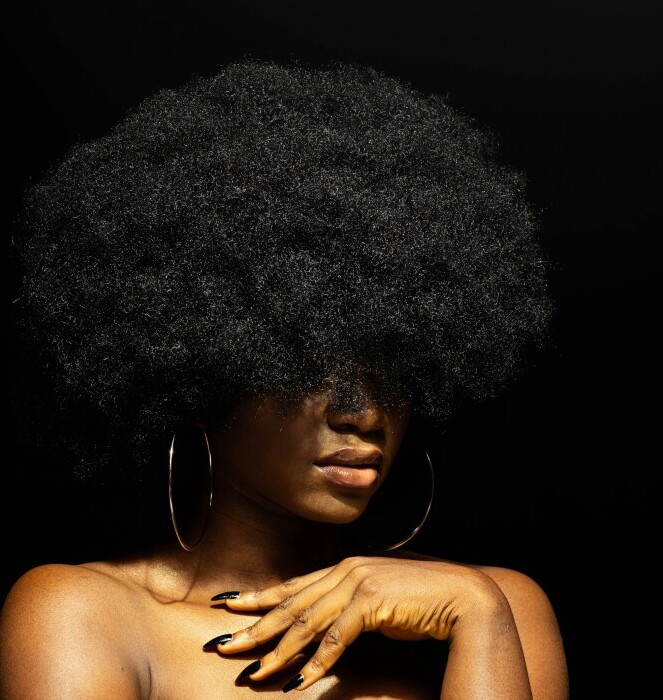
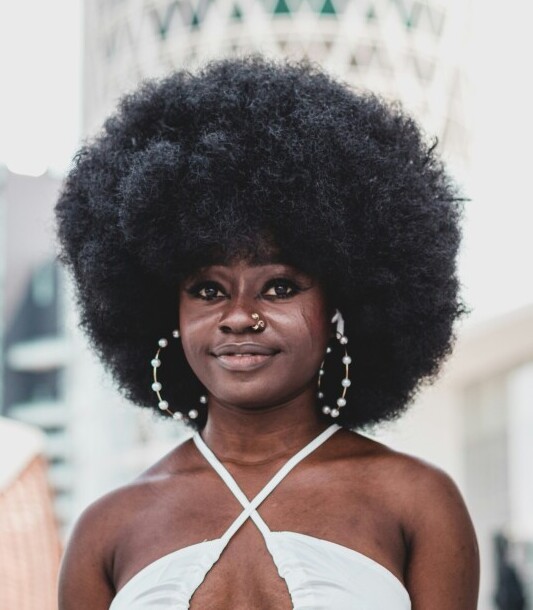
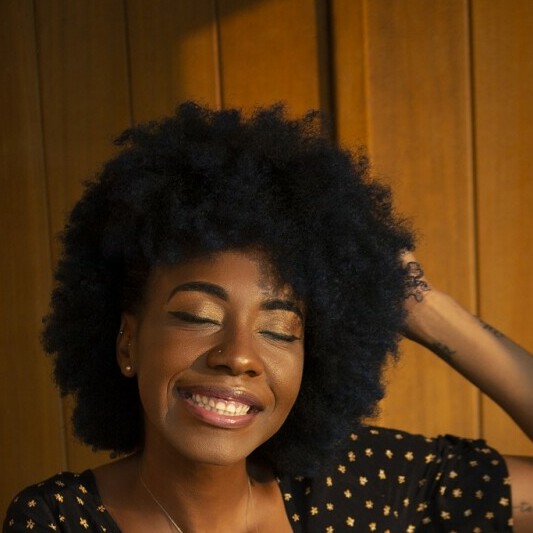
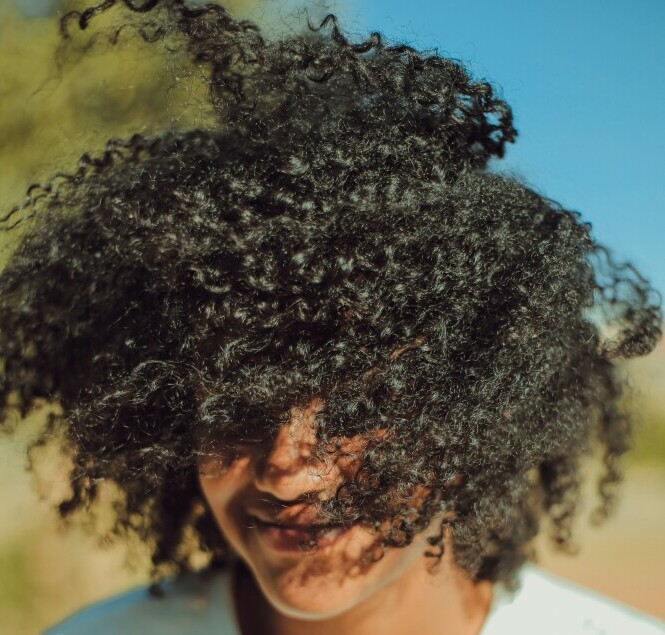
    Afro hair is a stunning gift, diverse and full of character. It comes in shapes and textures that tell stories, a testament to the uniqueness of the cultures it represents. What sets afro hair apart is its structure—tight curls or coils that can range from soft to strong. These curls might seem high-maintenance, but they promise the beauty of texture and volume unlike any other.

    Caring for afro hair means understanding its features like porosity, density, and elasticity. These aren’t just fancy hair science terms but insights into how your hair absorbs moisture, how thick it feels, and how far you can stretch those curls without snapping them. Knowing these will change how you approach hair care altogether, ensuring you’re not just preventing damage but actually nurturing.

    Now, let’s shake loose those myths. Some folks think afro hair grows slower or needs less frequent washing. Not true! It grows just as fast as any other hair type—it just curls on itself, which can make length changes less noticeable. Regular washing is essential, using products that feed your hair’s thirst and maintain balance, not that generic shampoo on the drugstore shelf.

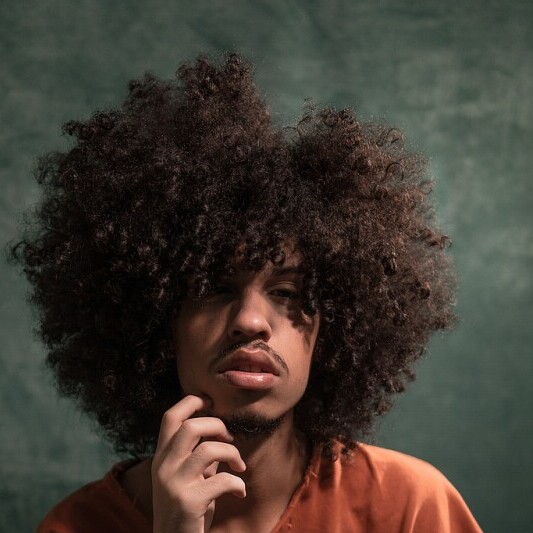
    Celebrating afro hair means embracing its glorious curls and acknowledging the versatility it offers. From wild and free afros to intricate protective styles, there’s a whole world to explore and enjoy. It’s not just about how your hair looks—it’s genuinely about letting your natural beauty shine unfiltered. Recognize the beauty in its diversity and let it be your crown.

    Daily Moisturizing Rituals: Keeping Your Curls Lush

    Keeping afro hair moisturized is like feeding a plant—essential for growth and glow. Afro hair thrives on moisture, soaking it up to stay supple and less prone to breakage. Identifying the right ways to lock in hydration every day can make a world of difference to your curls.

    Start your day by dampening your hair with a spritz of water or a water-based moisturizing spray. This primes your hair, creating an optimal base for any products that follow. The goal here is not just about slathering on creams or oils; it’s about layering moisture effectively. Think of it as building a cake—layer by layer for maximum effect.

    Natural oils play a big part in moisturizing afro hair. But here’s the kicker—oiling your hair every day might not always be the best approach. Too much oil can weigh hair down, making it limp and greasy. Instead, listen to your hair’s needs. Apply lightweight oils like jojoba or almond a few times a week to enhance shine and reduce dryness without the buildup.

    Choosing between natural oils and commercial products can be tricky. Products with shea butter or aloe vera can offer fantastic moisture retention, but always check the ingredients for sulfates or alcohol, which can dry out your strands. Tailor your choices to your hair’s needs and preferences, keeping it balanced and hydrated.

    Remember, moisture isn’t a one-time gig, it’s a daily commitment. A consistent moisturizing schedule leads to softer, more manageable curls—your hair’s very own happy place. Listening to your hair and adjusting your routine as needed will ensure those curls stay lush and lively, day in and day out.

    A Consistent Hair Care Routine for Healthy Afro Locks

    Building a solid routine for afro hair is a bit like crafting a perfect playlist—each step matters, and skipping one can disrupt the entire vibe. To start, know that consistency is key. Your hair thrives on regular love and attention, not random acts of care.

    For those transitioning from chemical treatments to natural maintenance, patience is your best friend. As your hair comes into its own, gentle handling becomes crucial. Using a sulfate-free shampoo nourishes without stripping, while a deep conditioner provides the weekly TLC your curls crave.

    Protective styles like braids or twists are your allies against daily wear and tear, especially in harsh weather. They minimize breakage by tucking away ends, which are the oldest and most fragile parts of your hair. But remember, even protective styles need breaks—your scalp needs to breathe.

    Taking care of an afro is not a one-size-fits-all deal. It’s about tuning into your hair’s unique needs, exploring products and techniques, and seeing what your curls respond to best. Regular trims help keep split ends at bay, ensuring your hair grows strong and healthy. I normally trim every three months but you have to work best with the condition of your hair.

    Maintaining afro hair effectively means embracing what works for you and being open to switch things up as your hair evolves. Explore lightweight filters for your shower to reduce chlorine and contaminants, keep a satin pillowcase handy to reduce friction at night, and let your curls shine with pride.

    Solving Common Challenges: Expert Tips and Tricks

    Every so often, afro hair might throw a curveball your way—dryness or tangles that make you want to throw in the towel. But don’t sweat it, a few expert tricks can set things right without a hitch.

    Tackling dryness starts with drinking enough water. Hydration works from the inside out, giving your hair the moisture it craves. Complement your water intake with creamy leave-in conditioners; they add an extra moisture boost without the need for daily reapplication.

    When it comes to tangles, grab a wide-tooth comb or your fingers to gently sort through any snags. Start from the ends and work your way up to the roots. It’s slower, but less breakage means your hair retains its shine and bounce.

    Eco-friendly and ethical products deserve a shout-out too. They prioritize natural ingredients, keeping harsh chemicals at bay. This means you’re being kind to your hair and the planet. Look for certifications and do a quick ingredient check to ensure you’re making the best choices.

    Budget can sometimes feel like a barrier, but caring for afro hair on a tight budget is totally doable. Simplify your routine: Invest in multi-tasking products and make the most of DIY remedies like aloe masks or avocado treatments. With a bit of creativity, your hair can thrive without breaking the bank.

    Staying in tune with your hair’s needs and experimenting with these strategies will set you on the path to conquering the everyday challenges of caring for an afro. With dedication and the right tricks, your hair will not just cope, but flourish.

  • Natural Remedies For Dandruff In Afro Hair

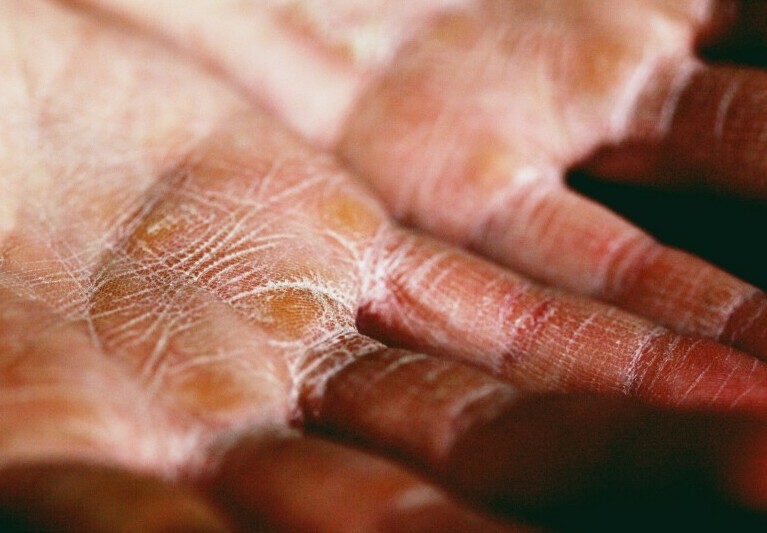
    If you’re dealing with the pesky flakes of dandruff, know that you’re far from alone. Dandruff can be a real nuisance, especially when it affects afro-textured hair, which often requires unique care due to its delicate nature. So, what exactly is dandruff? It’s more than just an inconvenience; dandruff is a common scalp condition marked by flaking and sometimes itchiness. The main culprits? They range from dry skin and seborrheic dermatitis to more obscure factors like a certain type of fungus that resides on our scalps.

    Why does dandruff seem more troublesome in afro hair? It’s often because afro hair is inherently dryer due to its coiled structure, which prevents natural oils from easily traveling down the hair shaft. This dryness can exacerbate scalp issues, making dandruff more apparent and sometimes harder to manage.

    But it’s not just a cosmetic concern – dandruff can affect the overall health of your scalp and hair. Ignoring it can lead to further irritation, potential hair loss, and can inhibit healthy hair growth. Addressing dandruff is key to maintaining not just the look, but the vitality of your hair.
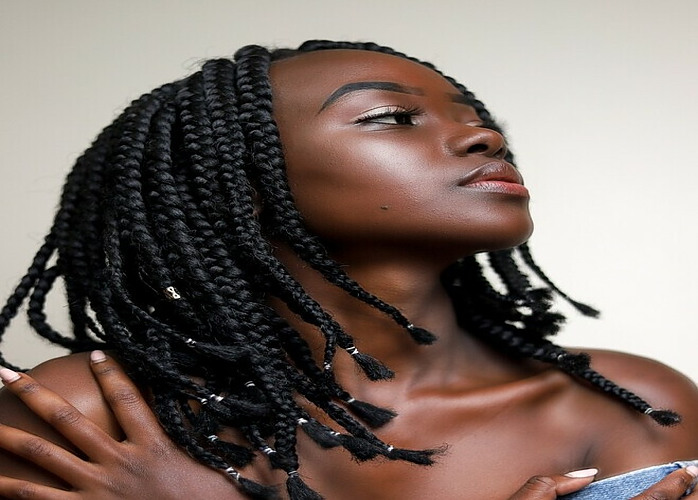
    Transitioning into the next section, we’re going to explore how natural remedies can play a significant role in combating dandruff. Don’t worry too much about harsh chemicals or pricey treatments; nature has provided quite a few tools that may help soothe your scalp and reduce flaking. Choosing something that resonates with you and your lifestyle is crucial, and I’m here to help you with that.

    The Role of Natural Remedies in Dandruff Treatment

    When you’re wrestling with dandruff, especially with afro hair, it’s tempting to reach for heavy-duty chemical solutions. But hold on a second. There’s more to this story.

    Let’s look at why natural remedies might just be the better path to tread. For starters, they’re gentle. Chemical treatments can be harsh and strip natural oils from your hair and scalp that afro-textured hair particularly relies on. Natural alternatives, however, tend to be milder and can maintain, or even boost, these essential oils.

    You might be thinking, ‘Do natural remedies actually work for dandruff?’ In my experience, when used right, they can be quite effective. The idea here isn’t to replace medical shampoos if you’ve been prescribed those, but to complement them or use natural remedies if your case of dandruff is mild or part of routine care.

    Embracing a more holistic approach means looking at dandruff treatment not as a quick fix but as part of an ongoing hair and scalp wellness strategy. It’s about working with the natural ecosystem of your scalp rather than against it.

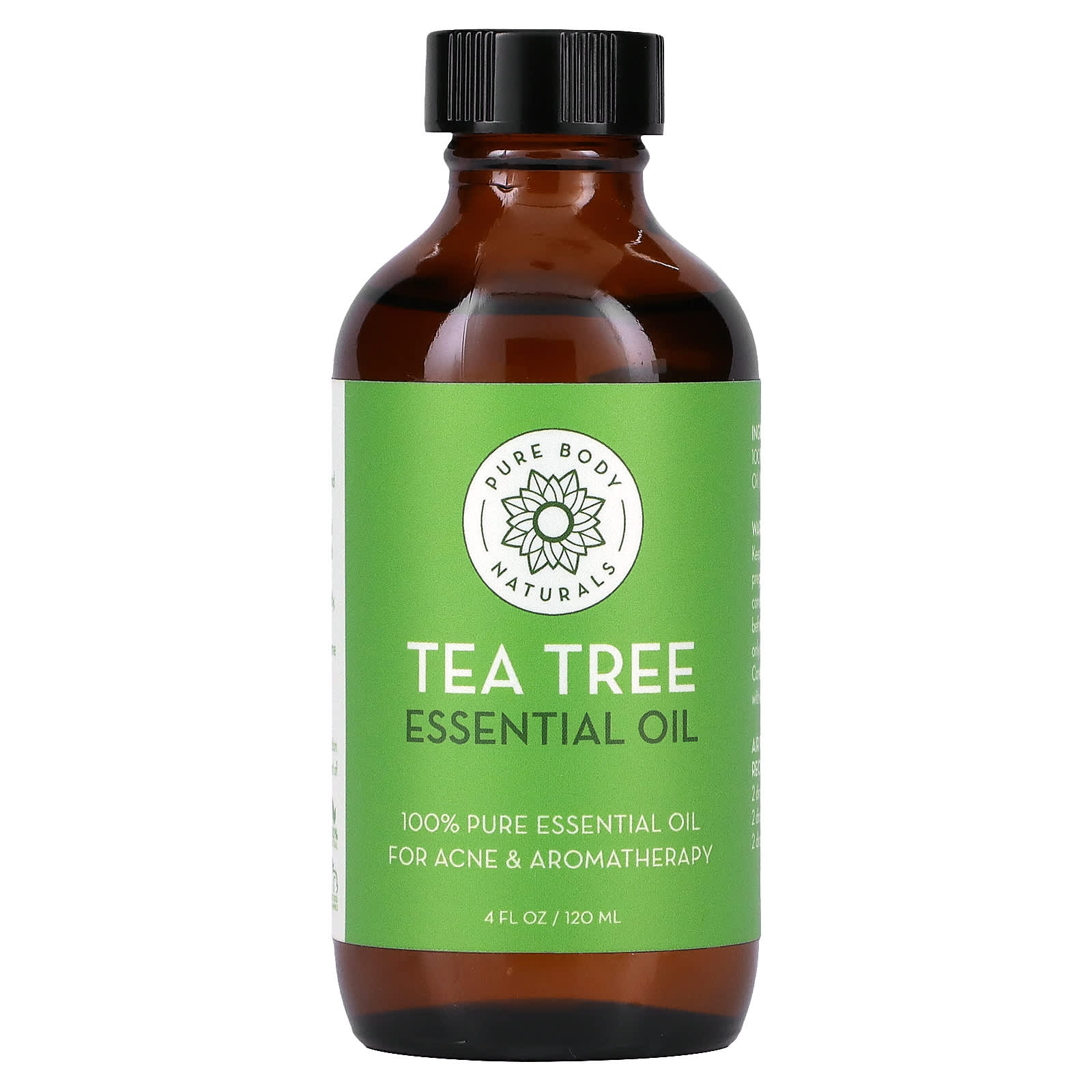
    So, what kinds of natural remedies am I talking about? You’re about to find out. Essential oils like tea tree oil boast antifungal properties that can help fend off dandruff-causing yeast, while natural moisturizers such as shea butter keep your scalp hydrated and less flaky.

    Remember, treating dandruff with a mindset rooted in long-term health rather than quick fixes is key. Don’t just drench your hair in the latest fad. Choose something that resonates with you and your unique hair needs. And as always, if you’re navigating significant scalp issues, reaching out to a dermatologist is a wise move.

    Top Natural Remedies for Dandruff in Afro Hair

    Now, let’s get into some powerful natural remedies for tackling dandruff in afro hair. Choosing something that resonates with you is key, and I’ve gathered a list of remedies that you can easily try at home.

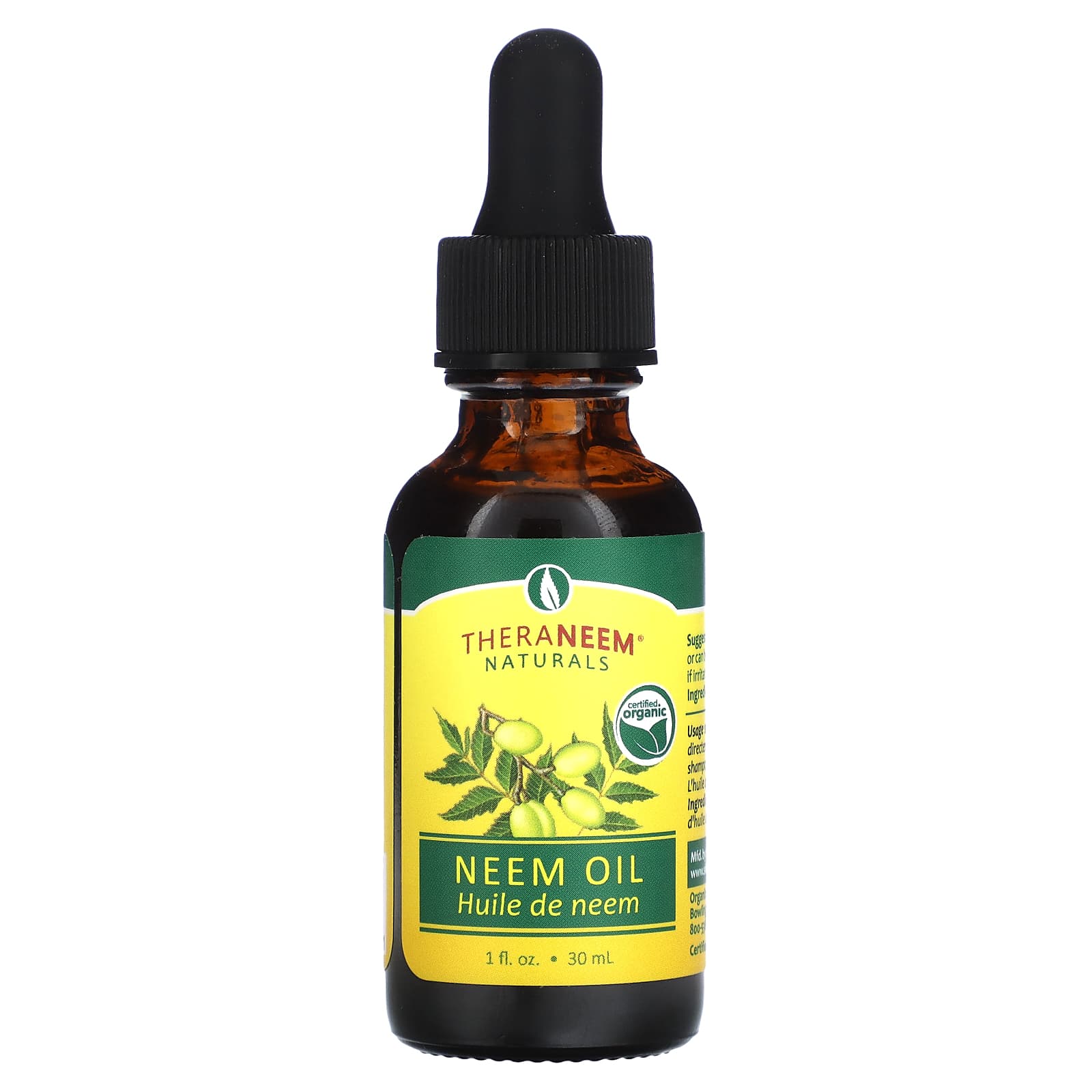
    Essential oils are a godsend for dandruff. Tea tree oil, for instance, isn’t just fragrant; it’s packed with anti-fungal properties that can soothe an itchy scalp. Neem oil is another heavy hitter, known for its ability to combat dandruff-causing fungus and relieve inflammation.

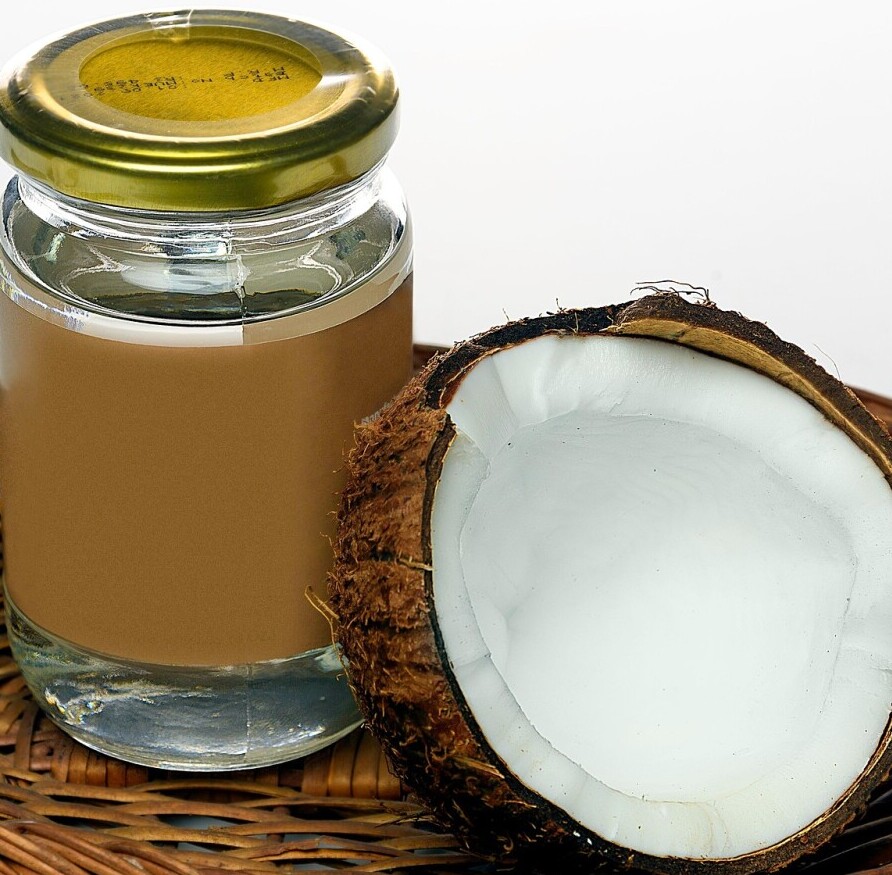
    Your scalp is like a garden – it needs the right kind of moisture to flourish. Products like coconut oil and shea butter are like rain for a thirsty garden; they deeply moisturize the scalp and prevent flakiness, without clogging pores or weighing down your curls. Your hair porosity also needs to be considered when choosing remedies for dandruff.

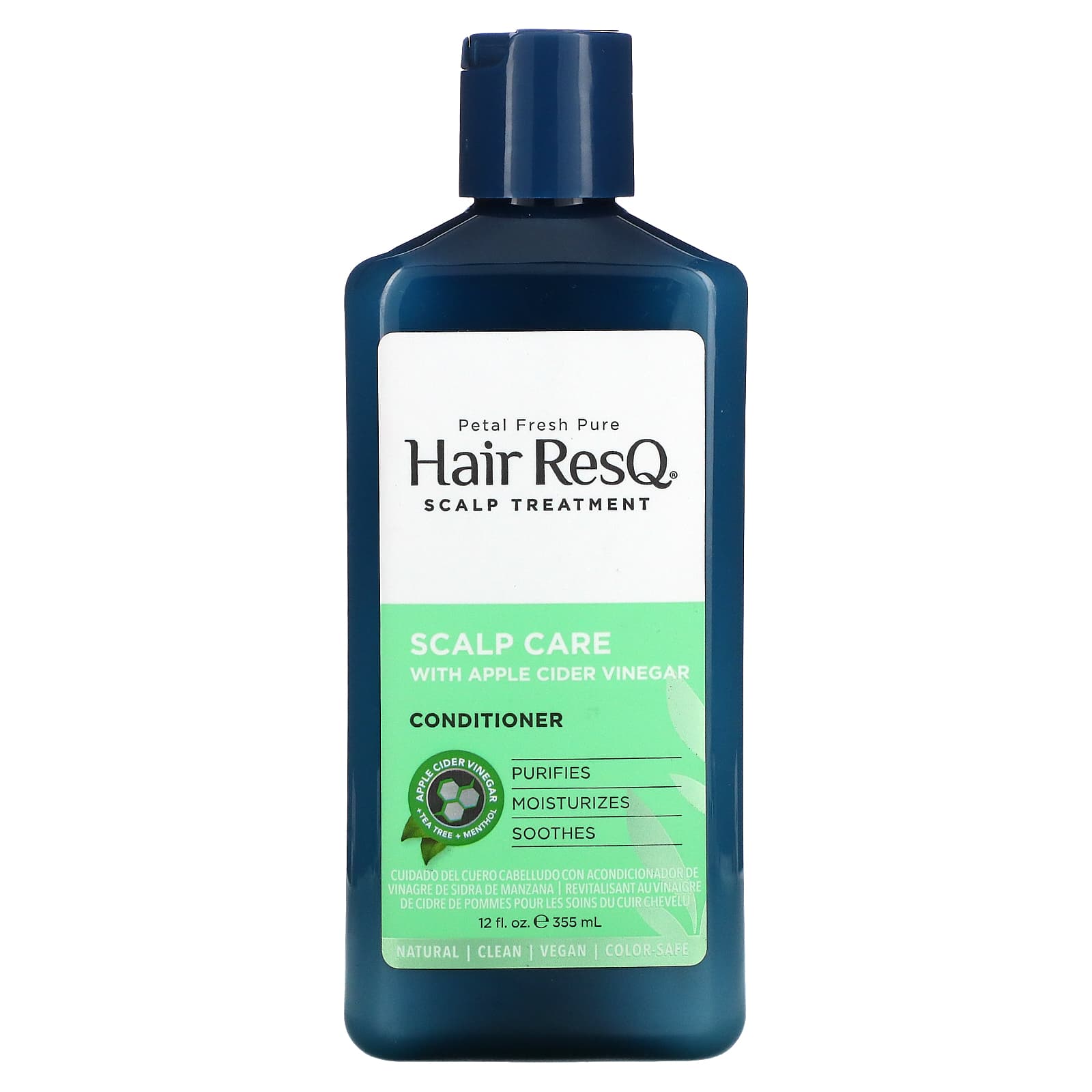
    You’re going to find out that herbal solutions offer tremendous benefits. Aloe Vera is incredibly soothing and can calm an irritated scalp, while apple cider vinegar helps balance the pH levels, keeping dandruff at bay. Just applying these directly can kickstart your journey to a healthier scalp.

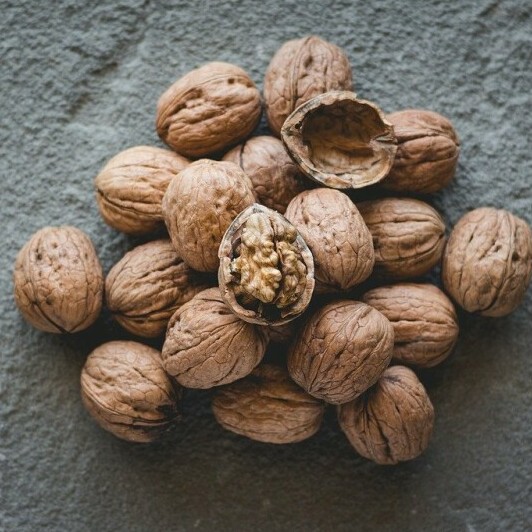
    But don’t just focus on topical treatments. What you eat also plays a part in scalp health. Hydration is crucial, so drinking plenty of water is a must. Incorporating foods rich in omega-3 fatty acids, like salmon or walnuts, can also help improve the condition of your scalp.

    You can always adjust your approach down the road, but trying out these natural remedies could be your first step towards a flake-free scalp. And remember, success in natural dandruff treatment isn’t an overnight phenomenon – it’s about consistency and finding what works for you.

    Incorporating Natural Remedies into Your Hair Care Routine

    Now that you’re aware of some powerful natural remedies for dandruff in afro hair, you’re probably wondering how to integrate these into your daily regime. It’s about maintaining balance and paying close attention to how your scalp reacts. Here’s a straightforward guide to help you get started.

    Start by choosing one or two natural remedies that resonate with you. There’s no need to overwhelm your hair care regimen right off the bat. For instance, try massaging tea tree oil diluted in a carrier oil into your scalp, and notice if there’s a positive change over a couple of weeks.

    Consistency is key. Whether you’re using apple cider vinegar as a rinse after washing your hair or applying shea butter to seal moisture, stick with it. Give any new treatment time to work – dandruff didn’t appear overnight, and likewise, it won’t disappear instantly.

    Always perform a patch test before fully adopting a new product, especially if you have sensitive skin. That’s going to include dabbing a little bit on your wrist and waiting a day to ensure there’s no adverse reaction.

    It’s crucial to remember that what works for someone else might not work for you. Each scalp and hair type is unique, and sometimes what’s needed is a bit of experimentation. Keep an open mind, and don’t be afraid to adjust your approach.

    Finally, while natural remedies can be incredibly effective for mild to moderate dandruff, they are not cure-alls. If your dandruff persists or you experience severe itching, redness, or irritation, seek advice from a dermatologist or trichologist. Your scalp’s health is paramount, and at times, professional treatment may be necessary to address underlying conditions.

    I really hope that you find these tips helpful and that they lead you to a flake-free, healthy-scalped future. Remember, patience and persistence are your best friends on the journey to a dandruff-free life.

    To obtain any of these products in the article feel free to go to iherb which will provide the products if you would like to try them.

  • Maintaining A Healthy Scalp For Afro Hair

    If you’ve ever wondered why scalp health is crucial for the growth and thickness of Afro hair, you’re about to find out. Afro hair is beautifully unique, characterized by its tight curls and texture. But this very uniqueness calls for a tailored approach to care.

    So, why is scalp health non-negotiable? Well, a healthy scalp is the bedrock for strong hair growth. It’s where everything begins. Without a well-cared-for scalp, you might as well say goodbye to the dream of luscious locks. Issues like dryness, buildup, and inflammation can stunt hair growth and compromise thickness.
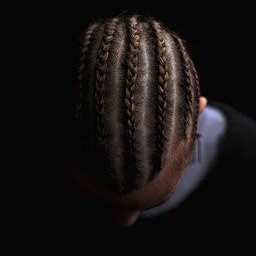
    People with Afro hair often face specific challenges, including dry scalp, dandruff, and sometimes, more severe conditions like seborrheic dermatitis. Each of these can disrupt the natural growth cycle of hair follicles. And let’s not forget, your scalp is skin—it needs just as much love and attention as the rest of your body.

    Now, a splendid mane doesn’t sprout overnight—it’s a labor of love. But don’t worry too much; establishing a consistent scalp care routine can work wonders. I’m here to help you with just that. And you can always adjust your approach down the road as you learn what your hair and scalp respond to best.

    This isn’t just a matter of aesthetics; it’s also about nurturing and preserving your hair’s integrity. From choosing the right products to adopting gentle styling practices, every aspect of your routine matters. But before grabbing your comb and hair products, you’re going to find out about another foundational element for healthy hair growth—nutrition and hydration. Yes, what you eat and drink is just as crucial as what you put on your hair.

    Nutrition and Hydration: Foundations of Scalp Health

    It’s not just the products you put on your hair that matter; it’s also what you feed your body. A nutritious diet lays the groundwork for a thriving scalp, and by extension, flourishing hair. To get you started, I’m going to highlight some dietary superheroes for your scalp.

    Healthy fats, such as omega-3s found in fish, flaxseeds, and walnuts, are your scalp’s best friend. They’re instrumental in keeping your scalp hydrated and preventing dryness that can lead to flakiness. Lean proteins from chicken, fish, and legumes are also crucial. They’re the building blocks of keratin, which is what your hair is primarily made of.

    Looking for a vitamin boost? Vitamins A, C, and E can be incredibly beneficial. Vitamin A promotes the production of sebum, which naturally moisturizes your scalp. Citrus fruits and leafy greens, rich in Vitamin C, can bolster your hair follicles. Vitamin E from nuts and seeds can help protect your skin, including your scalp, from oxidative stress.

    I can’t stress enough the importance of hydration. Drinking plenty of water ensures that your scalp and hair are sufficiently moisturized from the inside. A well-hydrated scalp is less likely to become irritated or itchy.

    Now, don’t worry too much about creating a perfect diet overnight. Small, consistent changes are going to be the most sustainable. Use this nutrition advice as a guide to gradually adjust your meals for scalp and hair health.

    Moving on, you’ll see how these thoughtful nutrition choices dovetail nicely with a targeted scalp care routine. It’s not just what you eat; how you treat your scalp day-to-day also has significant ramifications for hair growth and thickness.

    Establishing Your Scalp Care Routine

    Your scalp care routine lays the groundwork for the growth of thick, healthy Afro hair. It’s not just about choosing the right products; it’s also about consistency and understanding what your scalp needs.

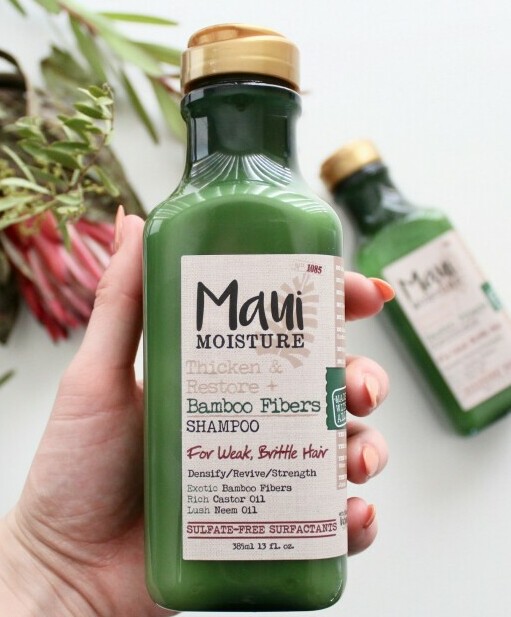
    Let’s start with cleansing. You’re going to want to use a sulfate-free shampoo that cleans without taking away your natural oils. Your hair’s natural oils are crucial for scalp health, and harsh shampoos can strip those away, leaving your scalp dry and prone to flakiness.

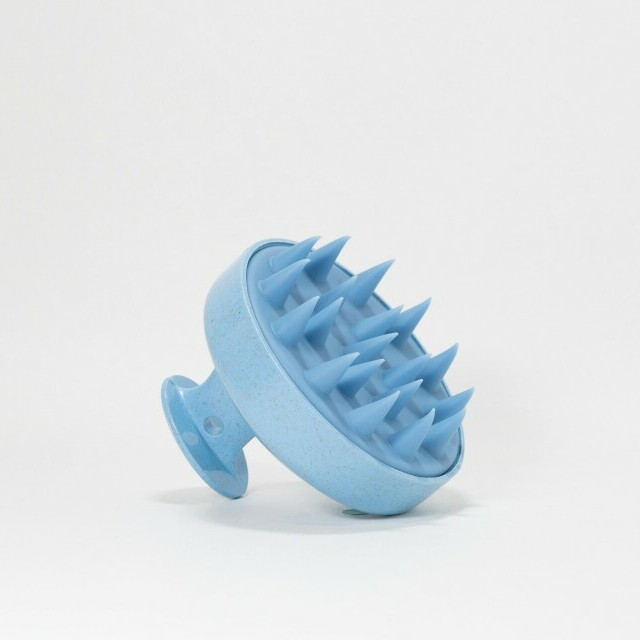
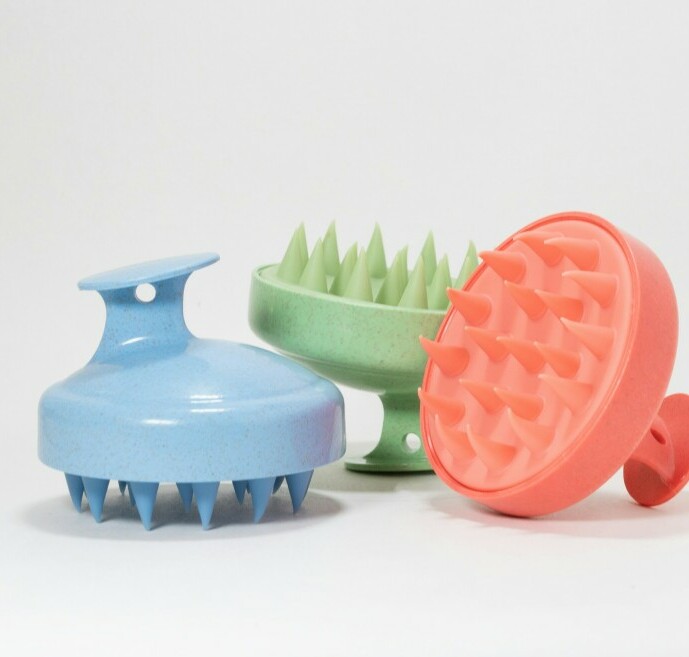
    Exfoliation can be a game changer. Every couple of weeks, gently massage your scalp with a soft-bristled brush or use a scalp scrub to remove dead skin cells. This helps to stimulate blood flow and promote hair growth. However, be gentle to avoid causing abrasions that can lead to issues.
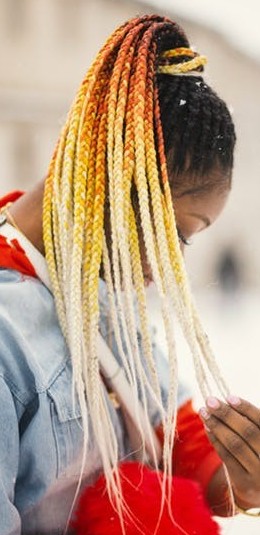
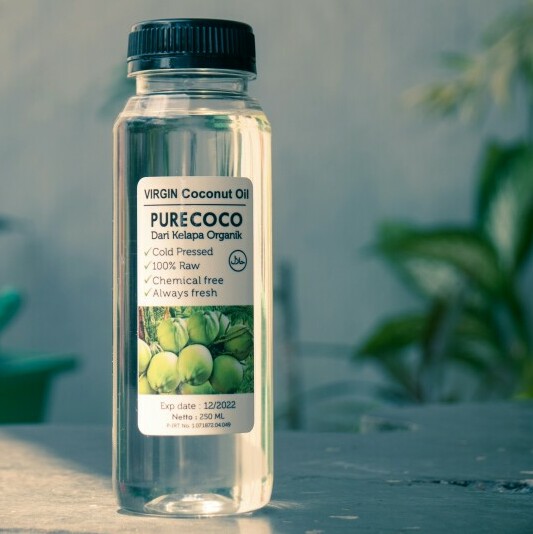
    Now for the fun part: moisturizing. Look for products rich in natural oils like jojoba, coconut, or castor oil. These heavy-hitters bring essential hydration to your hair and help to seal in moisture, which is especially beneficial in preventing breakage and promoting thickness.

    And what about those styles? Protective hairstyles like braids and twists are fantastic, but they need to be done correctly. Don’t pull too tight, as tension can harm the follicles and lead to hair loss. Choose something that resonates with you, and gives your scalp a break between styles.

    Developing these habits is crucial, but so is understanding when to turn to professionals for help. As we transition into the next section, I’m going to guide you through the scenarios where professional scalp treatments can make all the difference and help you select the right advice for your Afro hair.

    Professional Scalp Treatments and Advice for Afro Hair

    If you’ve given your all to maintain your scalp health and still struggle, it might be time to bring in the experts. Dermatologists and trichologists specialize in hair and scalp health, and they can offer you tailored advice and treatments.

    Hair thickness can be greatly influenced by the ends of your hair. While it may seem counterproductive, getting regular trims ensures the removal of split ends, which can lead to healthier and fuller-looking hair.

    Not all treatments are created equal, especially when it comes to the diversity of Afro hair. It’s crucial to understand what your hair and scalp need. Whether it’s a hot oil treatment, a hydrating scalp mask, or a protein treatment designed to strengthen your hair, make sure you’re informed about what’s best for you.

    Experiment with caution and patience. It takes time to see the results of any new treatment or routine. Keep track of what works and what doesn’t, adjust as necessary, and celebrate the wins, no matter how small they might seem.

    Remember, maintaining a healthy scalp is a journey, not just a one-time fix. Stick with your routine, fine-tune it as you learn more about your hair, and you’re going to appreciate the growth and thickness that come from your dedication.

  • Understanding Hair Loss In Afro Hair

    If you’re curious about the peculiarities of hair loss in afro hair, you’re not alone. The unique texture and structure of afro hair require special attention, and I’m going to help you understand why. Afro hair isn’t just a statement of style; its distinctive coily or kinky patterns pose specific challenges that can influence hair health.

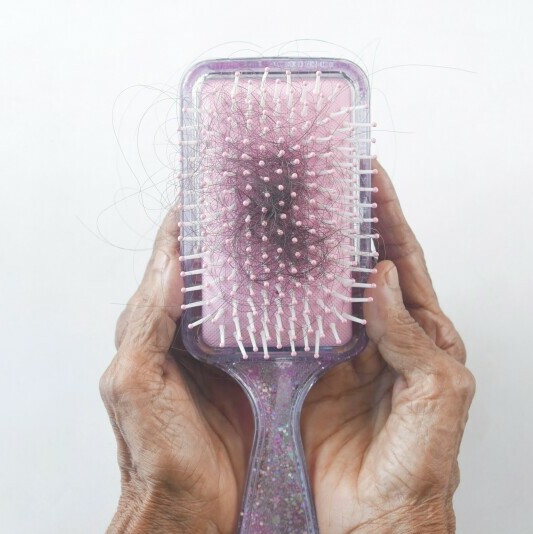
    It’s not uncommon to hold onto myths about afro hair loss, thinking it’s simply a matter of genetics or unavoidable fate. But, let me clear the air: hair loss can result from a variety of factors, and debunking these myths is the first step towards effective care and treatment.

    Beyond the physical aspects, hair loss can significantly affect one’s self-esteem and sense of identity, making it more than just an aesthetic concern. The social and emotional dimensions associated with hair loss, particularly in cultures where hair is a prominent feature, underscore the importance of addressing this issue with sensitivity and awareness.

    Tackling hair loss in afro hair isn’t a one-size-fits-all scenario; it demands a tailored approach that considers the hair’s innate qualities. As we delve into the causes of hair loss in the next section, remember that knowledge is power. Understanding the roots of the problem will equip you with the tools you need for prevention and treatment.

    Roots of the Problem: Causes of Hair Loss in Afro Hair

    Unraveling the causes of hair loss among those with afro hair isn’t always straightforward. It’s often a complex interplay between genetics, hairstyling practices, medical conditions, and nutrition. Let’s start by taking a peek into your genetic blueprint. Genetics can be a leading character in this narrative; for example, conditions like androgenetic alopecia, also known as male or female pattern baldness, might be hereditary.

    Next, I’m going to highlight an often overlooked culprit: styling practices. Tight hairstyles that pull on the scalp, such as braids, dreadlocks, and weaves, can lead to a condition called traction alopecia. Regular use of heat or chemical treatments can also weaken hair strands, causing them to break. This doesn’t mean you need to abandon these styles; it’s about finding the right balance and giving your hair the care it needs.

    I remember a few years ago, I actually lost a little patch of hair at the top of my head. It all happened very quickly. I had just finished braiding my hair and I felt like the braid I had was a little tight. However, I was rushing and bumped my head really hard. I had a tingling sensation on the spot and did not think too much about it. I was still in pain after my appointment and ended up taking out my braids because of the pain I had. I ended up taking the braid with my hair and had a small bald spot. I was a little scared it may not grow back but it did after a few months of gentle care.

    Moreover, there are certain medical conditions that disproportionately affect hair loss in people with afro hair. For instance, central centrifugal cicatricial alopecia (CCCA) is a scarring type that is more common among African American women. Other conditions like thyroid disorders and autoimmune diseases can also reveal themselves through hair loss symptoms.

    I also want to stress the importance of nutrition for healthy hair. Diets lacking in iron, protein, and other essential nutrients can lead to hair shedding. Remember, your hair reflects what’s happening inside your body, so nourishing yourself is key to maintaining those lush locks.

    All this might sound daunting, but understanding the causes paves the way for effective prevention and treatment strategies, which I’m excited to share with you next.

    A Strand in Time: Prevention Strategies for Afro Hair Loss

    Don’t you wish protecting your afro hair from hair loss was as easy as applying a magic potion? Sadly, no such potion exists, but I’m here to help you with practical steps you can take to safeguard those unique locks. Preventing hair loss is about being proactive, not reactive, and it starts right at the roots with caring for your scalp and hair.

    Choosing the right approach to prevent hair loss in afro hair often means adjusting your routines. You’ve got to be nice to your hair. Start by steering clear of tight hairstyles that stress the scalp, such as tight braids, cornrows, or weaves. This isn’t just about stopping hair loss; it’s also about maintaining a healthy hair environment.

    You’re going to find out about the right hair care products that aren’t laden with harmful chemicals. Look for ingredients that nourish the scalp and hair, like shea butter and natural oils. And remember, less is usually more when it comes to product use. Overloading your hair with too many products can lead to buildup and scalp irritation.

    In my opinion, a well-balanced diet is paramount for hair health. Hey, your hair is what you eat! Focus on foods rich in protein, iron, vitamins A and C, and omega-3 fatty acids. If you’re struggling to get all the nutrients you need, consider talking to a healthcare professional about supplements.

    Finally, routine is key. Establish a regular washing and conditioning regimen that suits your hair’s needs, but doesn’t overdo it; excessive manipulation can lead to breakage. You can always adjust your approach down the road as you learn what works best for your hair.

    Regrowing Confidence: Treatment and Support for Hair Loss

    If you’re grappling with hair loss, I’m here to tell you that there are viable solutions out there. Let’s talk about what you can do to foster regrowth and where to seek the support you need.

    Medical treatments like minoxidil have been shown to be effective for some people. There are also less conventional routes such as laser therapy and platelet-rich plasma treatments that are gaining attention.

    But it’s not just about treatments; it’s also about finding the right support network. A trichologist or dermatologist specializing in afro hair can provide tailored advice and therapies.

    Remember, while dealing with hair loss can be tough, you’re certainly not alone in this. Many have walked this path before and have seen positive outcomes.

    One final, but crucial, piece of advice: be patient. Hair growth takes time, and consistent care is key. Try not to get discouraged if you don’t see immediate results.

    In the meantime, there are myriad styling options and hairpieces that can give you the look and confidence you’re striving for. And always celebrate the small victories along your journey to regrowth.

  • Ultimate Care for Afro hair care routines

    The Ultimate Guide to Afro Hair Care Routines

    Developing a personalized hair care routine: Assessment of hair needs

    Developing a personalized hair care routine begins with assessing the specific needs of your hair. Here’s a step-by-step guide to help assess your hair’s needs:

    1. Hair Type: Determine your hair type using classification systems like the Andre Walker Hair Typing System (Type 3 – Curly, Type 4 – Coily/Kinky) or other systems that identify your hair’s texture, curl pattern, and porosity.
    2. Porosity: Assess your hair’s porosity by conducting a simple test. Take a clean strand of hair and place it in a bowl of water. If it sinks quickly, it likely has high porosity (absorbs moisture rapidly). If it floats for a while before sinking, it may have low porosity (struggles to absorb moisture).
    3. Texture and Density: Determine the texture (fine, medium, coarse) and density (thin, medium, thick) of your hair. Understanding these aspects helps in selecting appropriate products and styling techniques.
    4. Current Hair Condition: Evaluate your hair’s current condition. Note any issues such as dryness, breakage, split ends, or scalp concerns. Understanding your hair’s condition helps tailor your routine to address specific issues.
    5. Styling Habits and Frequency: Consider your typical styling routine, including how often you wash, use heat styling tools, or opt for protective styles. Assess whether these practices contribute to any damage or dryness.
    6. Product Sensitivity and Preferences: Take note of any products or ingredients that have caused adverse reactions or those that work exceptionally well for your hair. Consider your preferences, such as preference for natural or specific types of products.
    7. Lifestyle Factors: Consider your lifestyle, such as exercise frequency, exposure to environmental elements (sun, wind, pollution), and how these factors might affect your hair care routine.
    8. Time Commitment: Assess the time you’re willing to dedicate to your hair care routine. Determine if you prefer simpler routines or are open to more elaborate care practices.
    9. Long-Term Goals: Identify your hair care goals, whether it’s achieving length, improving overall health, reducing breakage, or maintaining a specific style.

    Once you’ve assessed these aspects, you can create a personalized hair care routine that addresses your hair’s specific needs:

    • Cleansing: Choose appropriate shampoos based on your hair type, porosity, and scalp condition. Adjust washing frequency to suit your hair’s needs.
    • Conditioning: Incorporate deep conditioning treatments, leave-in conditioners, or masks to address moisture and nourishment needs.
    • Styling and Maintenance: Select products and techniques that align with your hair’s characteristics and styling preferences. Incorporate protective styles or low-manipulation styles to promote hair health.
    • Scalp Care: Include scalp massages, treatments, or oils to maintain a healthy scalp environment, which is crucial for hair growth.
    • Trimming: Schedule regular trims to remove split ends and maintain healthy hair growth.
    • Adaptation and Consistency: Be open to adapting your routine based on how your hair responds to different products and practices. Consistency is key in maintaining healthy hair.

    Remember, developing a personalized hair care routine is a gradual process that involves experimentation and observation to find what works best for your hair’s unique needs. Regularly reassess and adjust your routine as necessary to ensure your hair remains healthy and well-cared for.

    Choosing the right products: From shampoos to leave-in conditioners

    Choosing the right hair care products, from shampoos to leave-in conditioners, plays a significant role in maintaining healthy afro-textured hair. Here are some tips for selecting the right products:

    1. Shampoos:
      • Look for sulfate-free or mild shampoos that won’t strip your hair of its natural oils. Sulfates can be harsh and drying for afro hair.
      • Consider shampoos formulated for your specific hair type (curly, coily, etc.) or those designed to add moisture and hydration.
      • Clarifying shampoos can be used occasionally to remove product buildup and refresh the scalp, but avoid using them too frequently to prevent excessive dryness.
    2. Conditioners:
      • Choose a moisturizing and hydrating conditioner that suits your hair’s texture and porosity. Look for ingredients like shea butter, coconut oil, or glycerin.
      • Deep conditioning treatments are beneficial for afro hair to provide intense hydration and nourishment. Consider using them weekly or bi-weekly.
      • Leave-in conditioners are great for maintaining moisture between washes and can help with detangling. Opt for lightweight formulas that won’t weigh down your hair.
    3. Hair Masks and Treatments:
      • Incorporate hair masks or treatments into your routine to provide extra nourishment. Look for ingredients like argan oil, honey, or aloe vera for their moisturizing properties.
    4. Natural Oils:
      • Natural oils such as coconut oil, jojoba oil, and argan oil are excellent for sealing moisture into the hair and providing essential nutrients. Choose oils based on your hair’s needs and preferences.
    5. Styling Products (Gels, Creams, Mousses):
      • Choose styling products that align with your desired hairstyles and hair needs. Look for products that offer hold without causing stiffness or buildup.
      • Consider water-based products as a base for your styling routine. They can hydrate the hair while allowing other styling products to layer on top.
    6. Leave-In Conditioners:
      • Opt for leave-in conditioners that provide hydration and help in detangling without leaving a heavy residue. Consider sprays or lightweight creams for ease of application.
    7. Ingredients to Avoid:
      • Avoid products containing harsh sulfates, silicones, parabens, and alcohol, as these can strip moisture, cause buildup, or lead to dryness and damage over time.
    8. Trial and Observation:
      • Experiment with different products to find what works best for your hair. Keep a lookout for how your hair responds, whether it feels moisturized, retains styles, or experiences less breakage.
      • Consider samples or travel-sized versions of products before committing to full-size purchases.
    9. Professional Recommendations:
      • Seek advice from hair professionals or stylists who specialize in afro-textured hair. They can offer personalized recommendations based on your hair’s unique needs and characteristics.

    Remember, everyone’s hair is unique, so what works for one person might not work for another. It’s essential to listen to your hair, observe its response to products, and adapt your routine accordingly to maintain healthy and vibrant afro-textured hair.

    Detangling without damage: Tips and techniques for Afro hair

    Detangling afro-textured hair requires patience, gentle handling, and the right tools to prevent damage and breakage. Here are some tips and techniques for detangling afro hair effectively:

    1. Start with Moisturized Hair: Before detangling, ensure your hair is damp or moisturized. Use a water-based leave-in conditioner or a detangling spray to add moisture, making the hair more manageable and reducing breakage.
    2. Section Your Hair: Divide your hair into manageable sections using hair clips or hair ties. Working in sections helps to focus on smaller areas at a time, making detangling less overwhelming and more efficient.
    3. Use a Detangling Tool: Opt for a wide-tooth comb, a detangling brush with flexible bristles, or your fingers. Begin detangling from the ends and work your way up to the roots, gently removing knots and tangles.
    4. Apply a Detangling Product: Use a detangling conditioner, hair oil, or a silicone-free detangler to provide slip and lubrication, making it easier to glide the comb or brush through your hair.
    5. Detangle When Wet or with Product: Some people find it easier to detangle their hair while it’s wet and saturated with conditioner. Others prefer to detangle with a product like a leave-in conditioner or oil to aid in slip and reduce friction.
    6. Be Gentle and Patient: Avoid rushing through the detangling process, as this can lead to more breakage. Take your time and gently work through knots and tangles, starting from the ends and gradually moving upwards.
    7. Finger Detangling: Using your fingers to gently separate knots and tangles can be an effective method, especially for delicate areas or very tangled sections. Apply conditioner or oil to aid in the process.
    8. Avoid Tearing or Ripping: Refrain from forcefully pulling through knots or ripping through tangles. This can cause damage and breakage. Instead, gently work through knots, holding the hair above the tangle to reduce tension on the roots.
    9. Detangle Regularly: Consistent detangling sessions, especially before washing or styling, can prevent severe tangles and matting, making the process easier each time.
    10. Trim Split Ends: Regular trims help to remove split ends, reducing tangling and making detangling sessions smoother.
    11. Protective Styling: Consider protective styles like braids or twists to minimize tangling and reduce the frequency of detangling sessions.
    12. Patience and Care: Approach detangling with patience and care. It might take time, especially with dense or tightly coiled hair, but gentle handling will preserve the health of your hair.

    Remember, finding the right technique and tools for detangling may vary from person to person. It’s essential to listen to your hair’s needs and adjust your detangling routine accordingly to minimize damage and maintain healthy, beautiful afro-textured hair.

    Protective styling options to encourage growth and reduce breakage

    Protective styling is a beneficial technique for afro-textured hair as it helps minimize manipulation, tangles, and breakage, thereby promoting growth and retaining length. Here are some protective styling options to consider:

    1. Braids:
      • Box braids, Senegalese twists, or cornrows are popular protective styles. Braids reduce daily manipulation, allowing the hair to rest and grow without constant styling.
    2. Twists:
      • Two-strand twists or flat twists are versatile and low-maintenance styles that protect the hair by sealing in moisture and reducing tangles.
    3. Bantu Knots:
      • Bantu knots are a protective style that involves twisting sections of hair and wrapping them into knots. Once released, they create beautiful curls or waves.
    4. Crochet Braids:
      • Crochet braids involve attaching extensions to braided hair, creating various styles without excessive tension on the natural hair.
    5. Wigs and Weaves:
      • Wearing wigs or weaves gives your natural hair a break from daily styling. Ensure they’re installed properly to prevent tension and damage to the hairline.
    6. Protective Updos:
      • Updo hairstyles like buns, chignons, or French rolls can protect the ends of your hair, reducing breakage and maintaining moisture.
    7. Halo Braids or Crown Braids:
      • These styles involve braiding around the perimeter of the head, which protects the edges and leaves the center free. They’re stylish and protective.
    8. Faux Locs or Goddess Locs:
      • These styles involve wrapping hair with extensions to create locs. They’re a great way to give your hair a break and promote growth.
    9. Low Manipulation Styles:
      • Keeping the hair in simple styles like loose twists, buns, or ponytails with minimal tension can also be protective, reducing manipulation and breakage.
    10. Scalp Protection:
      • Ensure that your scalp is also protected during styling. Avoid excessive tension on the scalp to prevent hair loss or traction alopecia.

    While protective styles offer several benefits, it’s crucial to maintain proper care for your hair while it’s in a protective style:

    • Moisturize and Seal: Even when in a protective style, moisturize your hair and scalp regularly. Use lightweight oils or sprays to maintain moisture.
    • Cleanse and Refresh: Cleanse your scalp periodically to prevent product buildup and maintain a healthy scalp environment.
    • Limit Duration: Avoid leaving a protective style in for too long to prevent potential damage or matting. Typically, 4-8 weeks is a common duration, depending on the style and your hair’s needs.
    • Gentle Removal: Be gentle when removing a protective style to minimize breakage. Avoid rushing or forcefully detangling the hair.

    Combining protective styling with a good hair care routine can help encourage growth, retain length, and protect your afro-textured hair from breakage and damage.

    Professional advice: When to seek out a specialist for your Afro hair

    Seeking out a specialist for your afro-textured hair can be beneficial in various situations to address specific needs or concerns. Here are some scenarios when consulting a professional specializing in afro hair is advisable:

    1. Hair and Scalp Issues: If you’re experiencing persistent scalp issues like dandruff, itching, or hair loss, consulting a specialist can help identify the root cause and provide appropriate treatment or advice.
    2. Transitioning to Natural Hair: When transitioning from chemically treated or relaxed hair to natural hair, a specialist can offer guidance on managing two different textures and recommend suitable products and transitioning methods.
    3. Hair Damage or Breakage: Experiencing significant hair damage, breakage, or excessive shedding may indicate underlying issues that a specialist can assess and provide recommendations to improve hair health.
    4. Unfamiliar with Hair Care Needs: If you’re unsure about your hair’s specific needs, a specialist can help identify your hair type, porosity, and recommend a personalized care routine, including suitable products and techniques.
    5. Desire for Style Change or Protective Styling: Seeking a new style or opting for protective styles like braids, weaves, or locs? A specialist can offer advice on styles that suit your preferences while minimizing damage.
    6. Difficulty in Managing Hair: If you’re finding it challenging to manage or style your hair, a professional can demonstrate proper techniques for detangling, moisturizing, and styling afro-textured hair.
    7. Special Occasions or Events: For special occasions like weddings or important events, consulting a specialist for professional styling can ensure you achieve the desired look without compromising your hair’s health.
    8. Product Recommendations: Seeking advice on choosing the right hair care products, understanding ingredient lists, or finding products that work best for your hair type can be provided by a specialist.
    9. Overall Hair Health Concerns: Concerns about maintaining healthy hair, promoting growth, or addressing issues like dryness, brittleness, or lack of moisture can benefit from professional guidance.
    10. Hair Education and Maintenance: Learning about proper hair care practices, developing a personalized routine, and understanding how to maintain healthy hair can be gained from a specialist’s expertise.

    When seeking a specialist for your afro-textured hair, consider professionals with experience and expertise in caring for diverse hair textures. Look for licensed cosmetologists, trichologists, or hairstylists who specialize in afro hair care. Additionally, recommendations from friends or online reviews can help you find a reputable specialist suited to your needs.

  • Scalp care on braided afro-hair to keep it healthy

    Happy new year, I hope 2020 will bring perfect vision into your life. Throughout this holiday, I had the comfort or rather the luxury of getting my hair braided for the holidays. Normally depending on the length of time I have available I tend not to do it as much as I would when I was a lot younger.

    Getting hair braided

    Now depending on how often you get your hair into a protective styling which is what is often common especially on afro hair, I decided to have it styled for the Christmas period. I ended up doing a hairstyle, which I had not done in a long time which typically I would do when going to school. I would say that it’s quite similar to the style below, however it was just with my own hair. After washing it with a wonderful shampoo, that smelled amazing which my sister wanted me to try as we were both doing our hair together, I had to get it blow-dried for the styling.

    Getting the hair braided was quick and it took about 45 mins to 1 hour. I had to wait in the salon for my sister as we had gone together. After three hours at the hair-dressers, we ended up going home and got complimented on our looks, we both had different styles. To give a description of my hairdo, I had my hair braided up to the middle of my scalp and also a few braids hanging towards the front of my face. My sister had a simple braid back as she wanted to put a wig on and did not really want anything fancy.

    Now one thing I did not mention was that before the hair was braided, I asked the lady to oil my hair but I did not check to see if the ingredients would be problematic to my scalp. In the first week all was well, however I started feeling slightly itchy on my scalp. By the second week, my scalp actually got really itchy. I was trying not to scratch it unecessarily, however there was no relief in sight.

    Scalp care

    Normally, after hair is braided, different individuals normally maintain their scalps in many ways. Some individuals try to avoid washing their scalps as that would loosen the braid and therefore causing their hair to look unkempt. Due to the fact that I had just braided my own hair I knew that by washing it, It would get frizzy. Therefore I took some olive oil spray which I had and used it to ensure that my scalp stayed well moisturised. It seemed to work for a few days, however after some time it also became a little ineffective. I needed some type of solution and for me using the harsher shampoos with sulfate it would have an impact on my hair by causing it to be too dry.

    I dared to leave my hair for two weeks, however by the end of the second week it was quite flaky and I had to do something about it. Therefore I ended up getting some tea tree oil conditioner and one of my favourite himalaya shampoo. When I washed my scalp, I put the shampoo in place twice as I kept scrubbing and rinsing it. Once I had the conditioner on my scalp, I left it for about 5 mins in order to feel the impact. It felt really clean. I ended up rinsing my hair and my scalp was in great condition. The only thing I ended up doing was putting some oil on my scalp to ensure that it does not get dry.

    Now sometimes for the sake of ensuring that the braid stays intact an individual can decided to forgo washing, however from that moment, I learnt that I cannot do that on my scalp, it’s just too sensitive to be left as it is.

    I think it’s normal to have an itchy scalp after you braid and basically it’s because your hair is being pulled from the scalp. Additionally, some individuals tend to leave their braids without worrying about how to moisturise it.

    Moisture

    It’s very important to make sure that even though you have your hair in a protective style that you are maintaining it. There is still growth and your hair will keep shedding regardless of the fact that you are not combing it everyday. Although your braids  can get a little loose, it’s nothing to worry about as the condition of your scalp is important to stimulate your cuticles to help your hair in growing. You don’t want to have your hair braided and once you remove your braids, your hair is also coming off with the braids.

    A clean scalp will help in getting your hair to grow. I have also listed a few products at the bottom that are great for braided hair in ensuring that it remains moisturised. If you are allergic to some of the ingredients, make sure that you use something that will suit you. A lot of individuals use what others tell them but not everything will work for you.

    Some of the sprays that help when hair is braided are:

    1. Sulfur 8 braid spray medicated anti-dandruff treatment
    2. Jamaican Mango and lime maximum  no more itch gro spray
    3. African royale brx braid and extension sheen spray
    4. Dudu-Osun anti-itch braiding spray
    5. Parnevu T tree braid spray
    6. Ashea braiding and lock spray

    I have not listed all of them, however there are quite a few brands that provide these types of products that can be useful for your scalp. The benefit of most of these products is that they minimize itchiness and maximize your hair growth.

    Through this little experiment that I tried over the holiday period, I realised how important it was for me to maintain a clean scalp as I mentioned earlier I don’t really braid my hair too much.  Be careful to keep your scalp clean no matter how  frizzy your hair will look. Additionally, if your hair does not hold a braid for a long time, there is no use in keeping it on your scalp for too long.

    Has anyone ever put in braids for far too long on their scalp? If you did, what did you do about it?