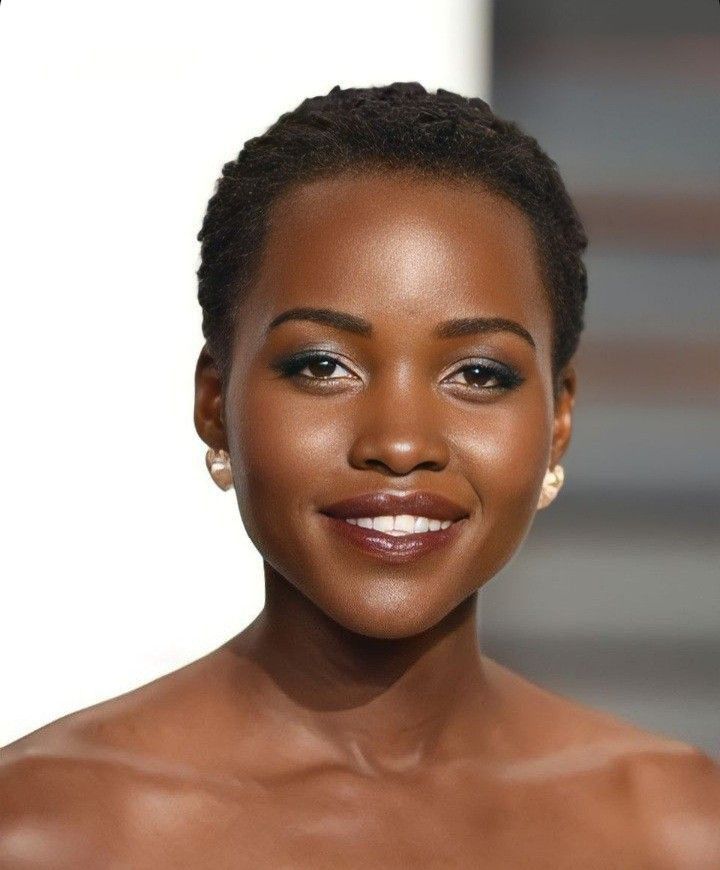
Afro hair in Kenya isn’t just about fashion; it’s a cultural symbol that tells stories of heritage, resilience, and identity. Understanding how afro hairstyles have evolved is like flipping through a vibrant history book, each page colored by the unique experiences of Kenyan communities. Over the years, Kenyan hair culture has seen a dynamic shift. From traditional styles passed down through generations to modern interpretations that merge global trends with local flair, afro hair continues to evolve while staying deeply rooted in its origins.
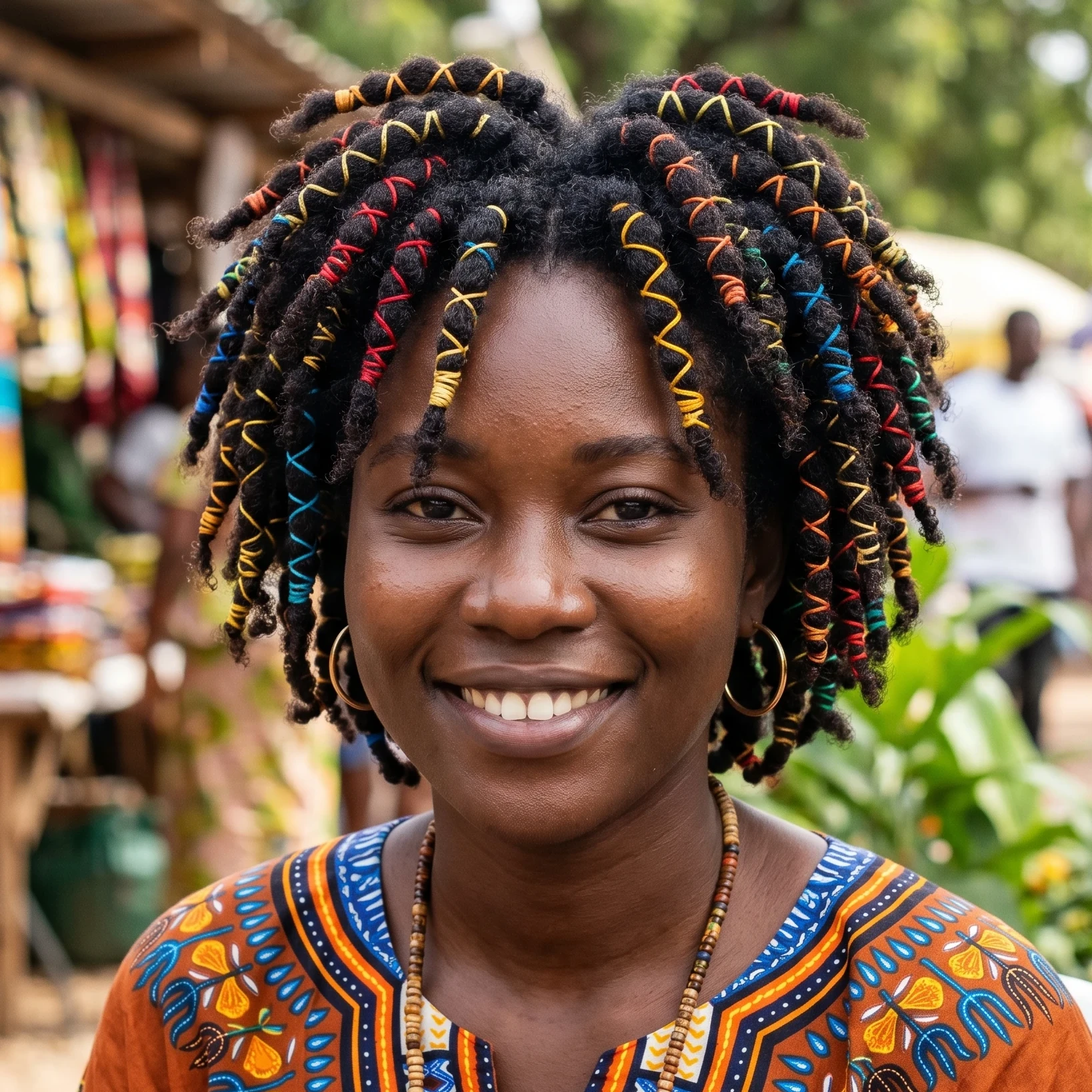
In many communities, afro hair carries a deep cultural significance. It’s not just an expression of beauty but a powerful statement of identity. Styles like cornrows, bantu knots, and plaiting have been staples in Kenyan villages for centuries, passed from mother to daughter not just as a technique, but as an art form. These styles serve as living artifacts, holding stories of the past and infusing them into the present day.
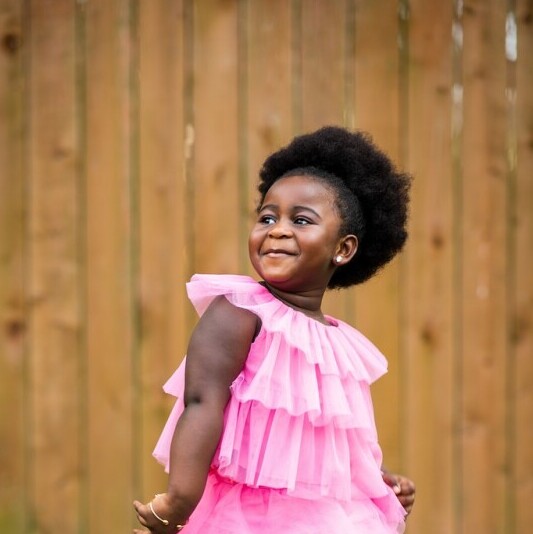
But we’re also seeing a fresh twist in the world of afro hairstyles. Modern trends are reimagining traditional looks, presenting a fusion that celebrates both the old and the new. Picture afro puffs embellished with vibrant beads and locks styled with colorful yarns. This blending of classic styles with contemporary designs showcases a newfound freedom, where personal expression leads the way. Kenyan fashionistas aren’t just following trends; they’re setting them, all while honoring their roots.
Current Afro Hair Trends Transforming the Streets of Kenya
Kenya’s streets are alive with color and creativity, and nowhere is this more apparent than in the realm of afro hairstyles. Trends among the youth are not just styles but declarations of individuality. Locally referred to as ‘street fashion’, new afro hair trends are taking bold steps with creativity at the forefront. From the voluminous fros that command attention to intricate braids that twist and turn with artistic flair, there’s a movement towards styles that speak volumes about personality and innovation.
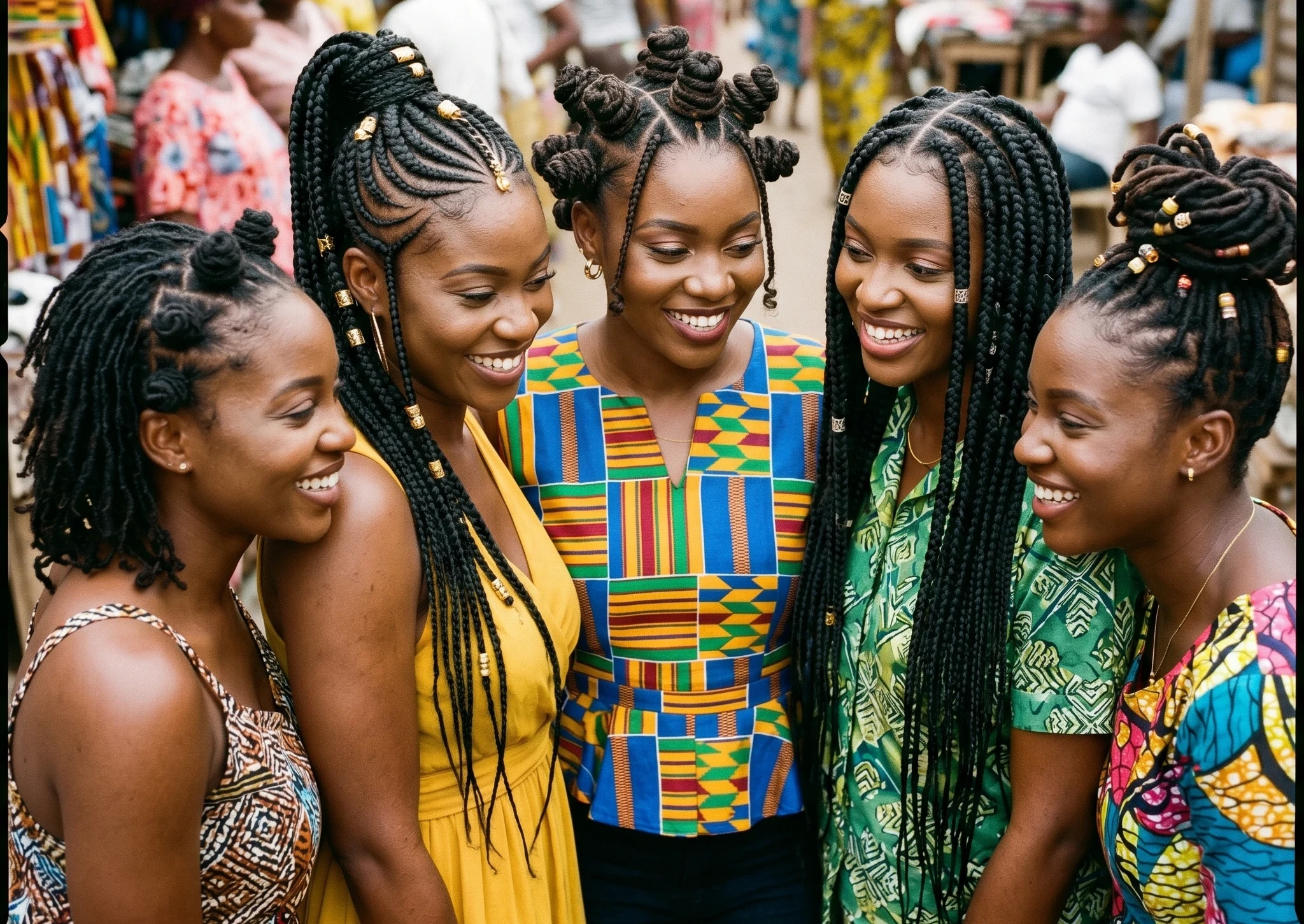
Social media has become a powerhouse in shaping these trends. Platforms like Instagram and TikTok are flooded with stunning hair tutorials and transformations, making it easy for anyone to jump on the latest wave. It’s not just about maintaining a certain look but experimenting, discovering new aspects of traditional styles, and remixing them for a modern twist. Anyone looking to keep their finger on the pulse of afro hair trends would do well to keep an eye on these digital spaces.
Celebrities and local fashion icons also play huge roles as style trailblazers. From musicians to athletes, prominent figures are embracing daring afro styles that reflect their individuality. The likes of Afro B and Sho Madjozi, though not Kenyans, have left an indelible stamp on the continent, inspiring a generation of Kenyan youth to explore and fearlessly express their afro hair creativity. As these influencers take the lead, their followers embrace styles that redefine elegance and redefine norms, supporting a community that celebrates diversity and innovation.
DIY Tips for Maintaining Healthy Afro Hair
Keeping afro hair in top condition requires a bit of love and attention, but it doesn’t have to be complicated. First off, understanding the unique needs of afro hair is key to a successful hair care routine, especially under Kenya’s sunny skies. Frequent hydration with water-based spritzes can combat dryness caused by the heat, while a good leave-in conditioner helps lock in moisture.
Styling afro hair doesn’t mean you have to turn to a professional each time. For an easy at-home routine, protective styles like twists or braids work wonders. Not only do they safeguard against the stress of daily manipulation, but they also give hair time to grow without damage. Embrace the versatility that comes with these styles. They’re perfect for trying out new looks without long-term commitment.

Using indigenous ingredients offers the double benefit of supporting local markets and giving hair the natural nutrients it craves. Products with ingredients like shea butter, aloe vera, and baobab oil are often packed with the essentials for healthy hair. These natural products can strengthen strands, add softness, and encourage growth without the harsh chemicals found in many store-bought products.
Remember, it’s not all about the products you use but how you use them. A gentle touch during detangling and a wide-toothed comb are your hair’s best friends. By incorporating these simple techniques into your routine, you’ll not only protect your afro hair but celebrate its natural beauty every day.
The Future of Afro Hairstyles in Kenya: Trends to Watch
The afro hair scene in Kenya is poised for exciting changes, with trends reshaping how people perceive and wear their natural hair. Industry experts predict a continued rise in popularity for afro-centric styles, with a big focus on innovation and sustainability. Expect hairstyles that are not just eye-catching but eco-conscious too. More stylists are turning to natural and organic products, setting a new standard for hair care that’s kind on both hair and the environment.
New tools and techniques are emerging to make styling afro hair more accessible and efficient. Lightweight, cordless hair tools are becoming more common, allowing for quicker styling without the need for heavy salon visits. This shift brings more power to the consumer, enabling anyone to try their hand at crafting stylish looks from home.
Social and environmental factors also play a big role in shaping future trends. As discussions around identity and cultural pride continue to grow, afro hairstyles will likely reflect deeper elements of personal expression and social awareness. With issues like climate change on the agenda, more people are aware of their environmental impact, pushing for sustainable fashion choices, including in hair care.
As the future unfolds, one thing is certain: afro hairstyles will remain a vibrant and integral part of Kenya’s cultural tapestry, continuously adapting and setting trends while honoring the past. Embracing the legacy of afro hair in all its forms promises a future that’s bright, diverse, and full of potential.


Leave a Reply