So, you’re stepping into the fantastic world of afro hair care. That’s awesome! First off, knowing your hair type is key. Afro hair isn’t just one texture—it’s like a spectrum of curls, coils, and kinks. Generally, folks refer to types 3A to 4C. If you’re rocking 3A, you’re dealing with looser curls. With 4C, it’s more about those tight coils. It’s like hair personality, and knowing yours helps in picking the right tools and products.
Now, porosity and density—these might sound like chemistry terms, but they are big deals in the hair game. Porosity is all about how well your hair absorbs and retains moisture. High porosity? Your hair soaks up moisture like a sponge, but it can leak out just as fast. Low porosity means the opposite. Density refers to how many strands per square inch you’ve got. These factors influence everything you put on your hair and every tool you use.
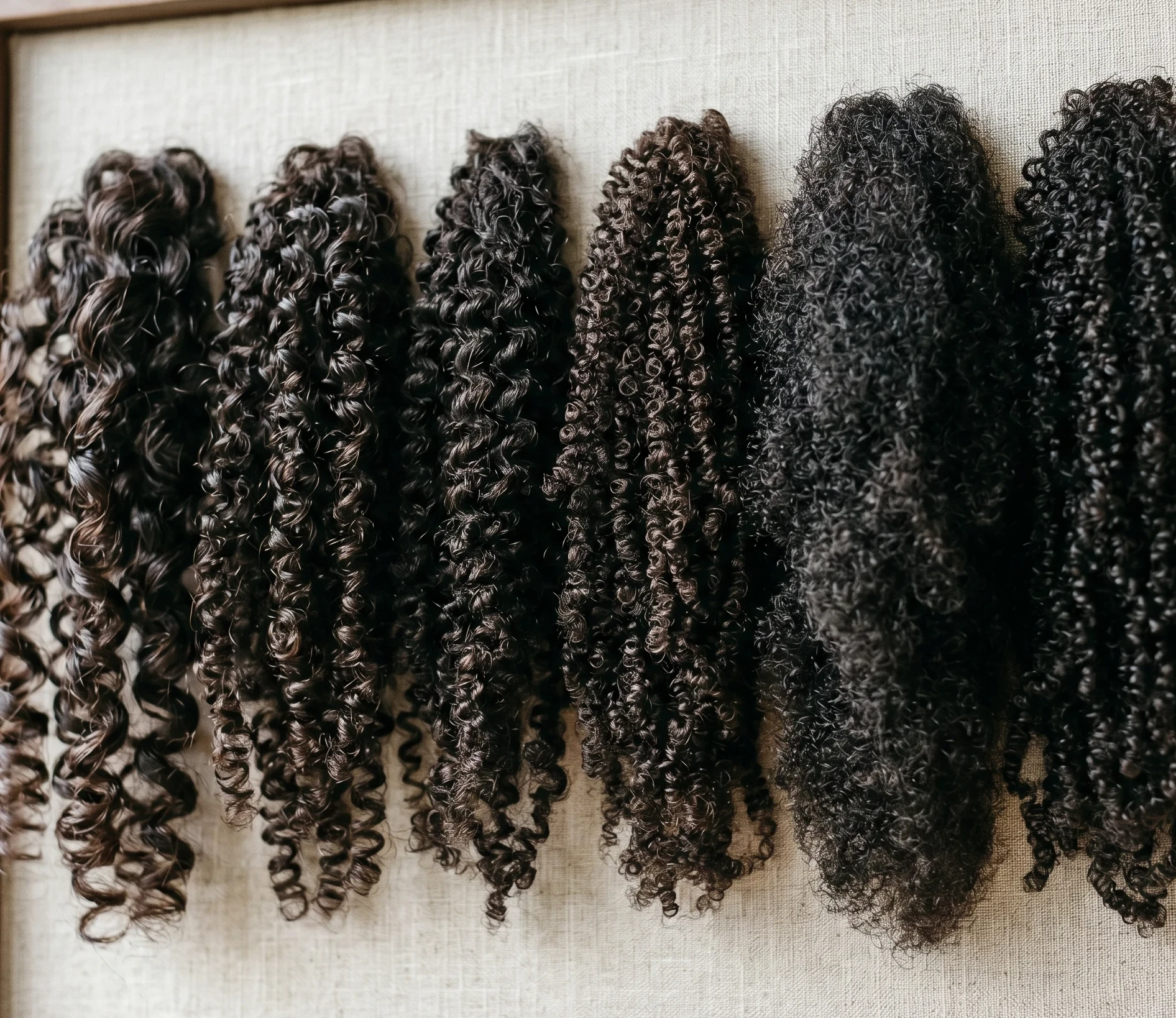
With that knowledge, selecting tools becomes smarter and less about guesswork. Fine-textured hair often gets along with wide-tooth combs, which reduce breakage. Meanwhile, thicker textures might benefit from a paddle brush to get through those luscious locks. The point is, the right tool can make your routine smoother, gentler, and way more effective.
Here’s a tip: lots of beginners fall for the trap of one-size-fits-all when it comes to products and tools. Trust me, that’s a mistake. If you skip understanding your hair’s specific needs, you might end up with frustrated strands and a collection of tools that don’t get used. But don’t sweat it; learning as you grow with your afro is part of the journey.
Essential Hair Tools You Can’t Live Without
Let’s talk essentials. When it comes down to hair tools for afro hair, not everything on the shelf is your friend. The first step is knowing what’s worth the spot in your bathroom. Brushes and combs are the starting point, and each has its role. Detangling brushes with flexible bristles are a godsend for nixing tangles without the drama or damage.
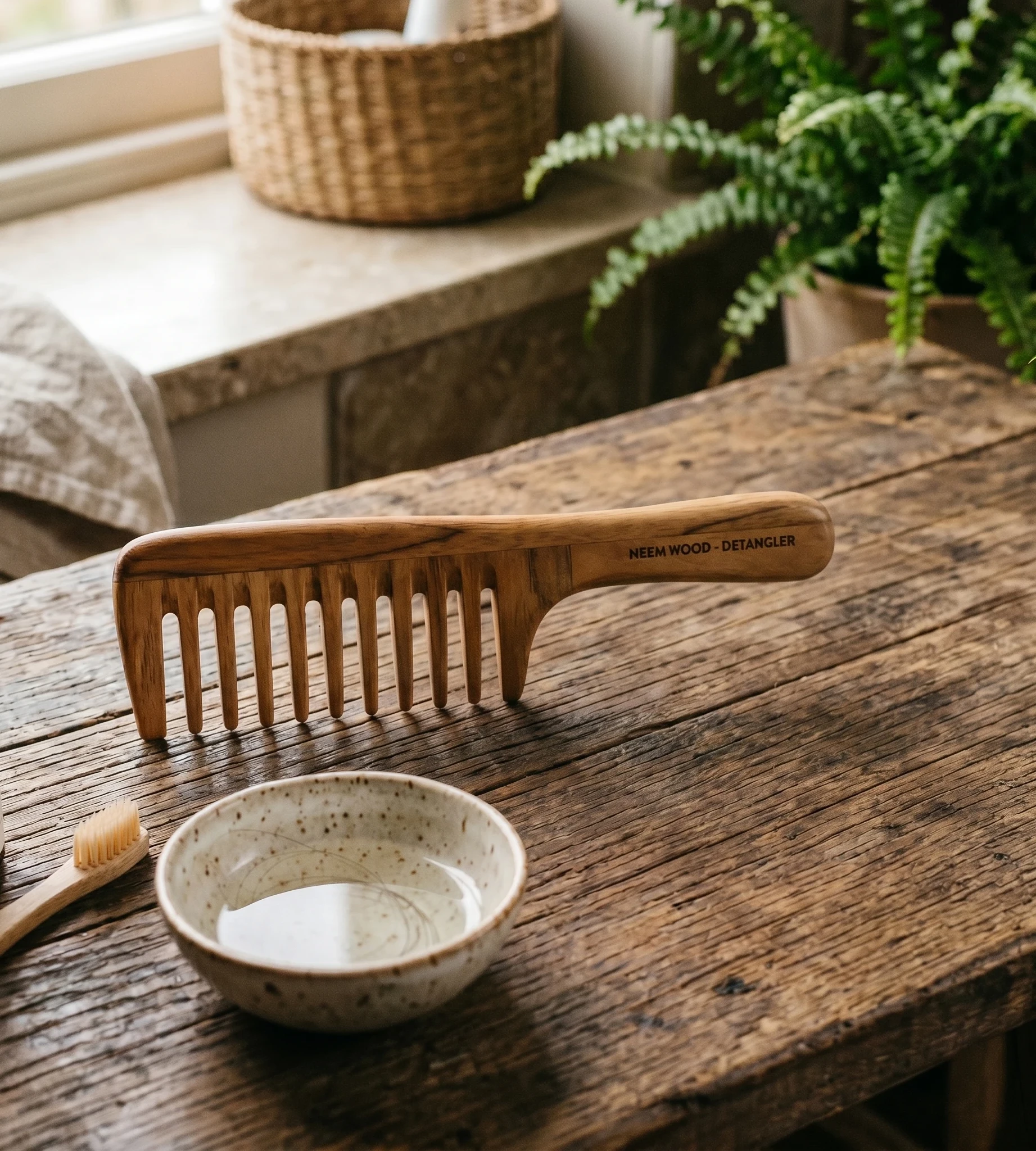
Let’s not forget the wide-tooth combs. They’re not just any combs; these bad boys glide through your strands without the pull and tug, particularly on those wash days. When facing tighter coils, a wide-tooth comb can make things way easier and prevent the dreaded hair breakage.
Heat styling tools are another story. Now, flat irons and curling wands can be like transformative magic wands when you know how to wield them right. The trick is picking tools with adjustable temperatures. Afro hair thrives with a little protection and care, so dialing down the heat can save your curls from dehydration.
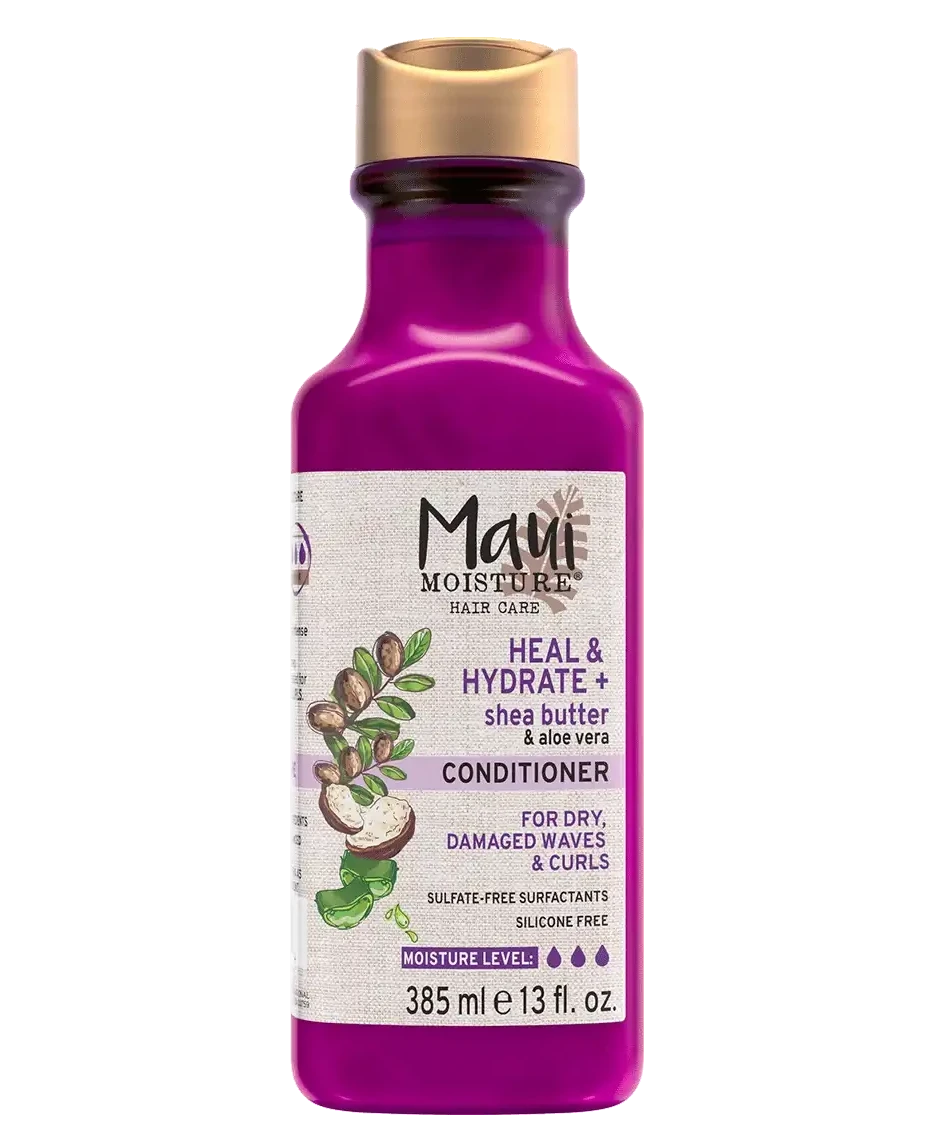
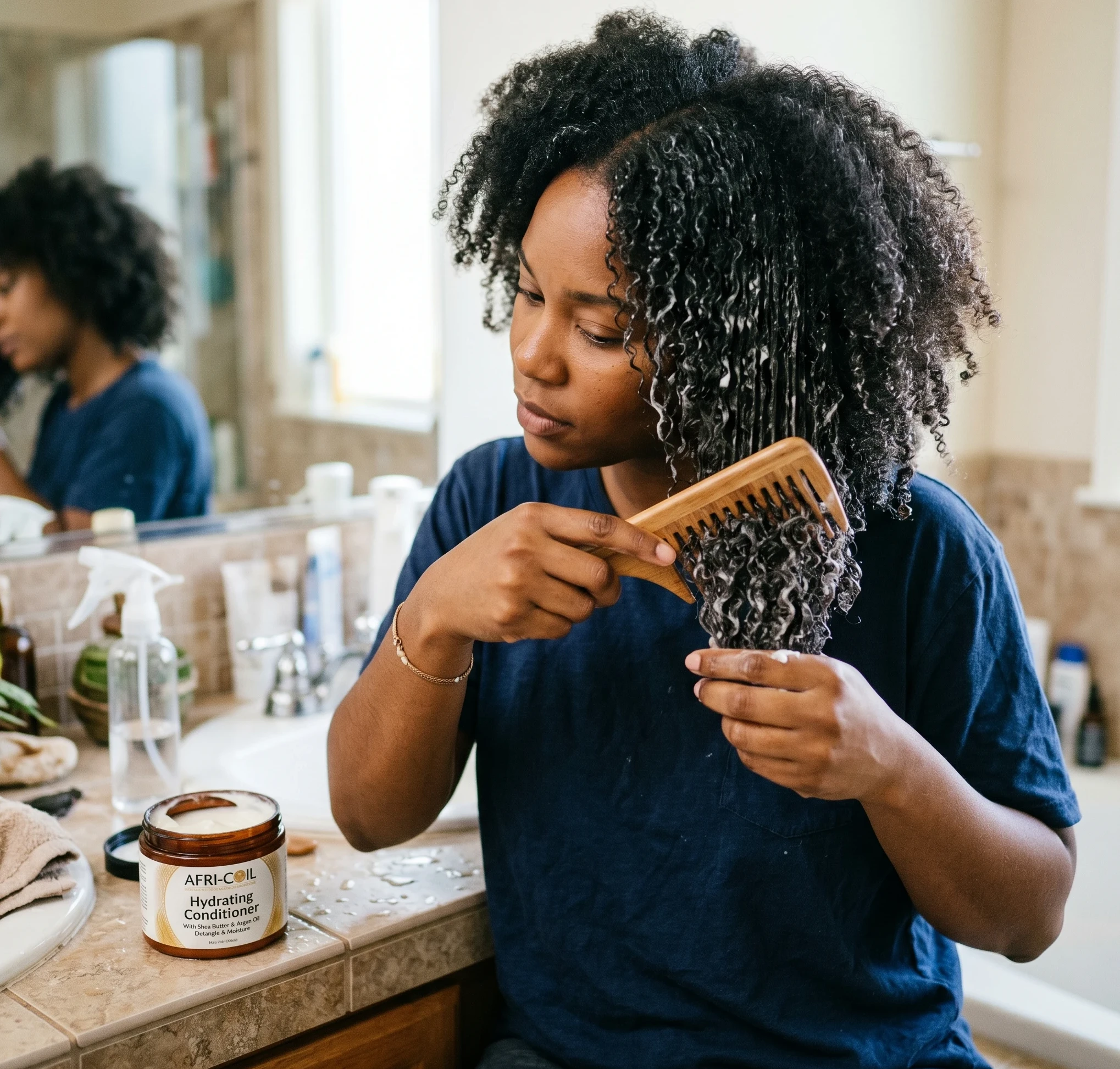
Ah, the detangler—basically every newbie’s hero. This tool sorts out stubborn knots without tearing your hair apart. It’s all about gentle manipulation. Pairing a detangler with a good conditioner or leave-in spray can turn any tangled mess into silky softness. You can also use water to help in detangling once you put some conditioner.
Finding quality tools without burning through your wallet is the challenge. Focus on what your hair needs and prioritize those buys. Look for reviews and recommendations that seem genuine, practical, and relatable. Don’t just grab the fanciest tool that influencers flaunt. Investing in decent, reliable tools is money well spent, and they’ll outlast the cheapies trying to sell you a quick fix.
Your toolkit doesn’t need every gadget under the sun; just the right ones that understand your hair’s language.
Styling Techniques Made Easy for Beginners
Getting started with styling can seem overwhelming, but it doesn’t have to be. Your best friend here is patience and a little practice. Let’s get into some basic techniques that make managing afro hair a breeze.
First up, detangling and sectioning. These are your foundational skills. Detangling is about removing knots without pulling and causing breakage. Using your trusty wide-tooth comb or detangler brush, start from the ends and work your way up. For sectioning, consider it your roadmap; it helps in managing bits at a time, making styling simpler.
Twist-outs and braid-outs are where the magic happens. These styles add definition and are perfect for any occasion—from rocking a casual day look to glamming up for an event. Twist-outs involve twisting sections of hair, allowing them to set, and then unraveling for those killer curls. Braid-outs are similar but offer a different curl pattern. Just remember to let them dry properly, otherwise frizz might become your new bestie for the day.
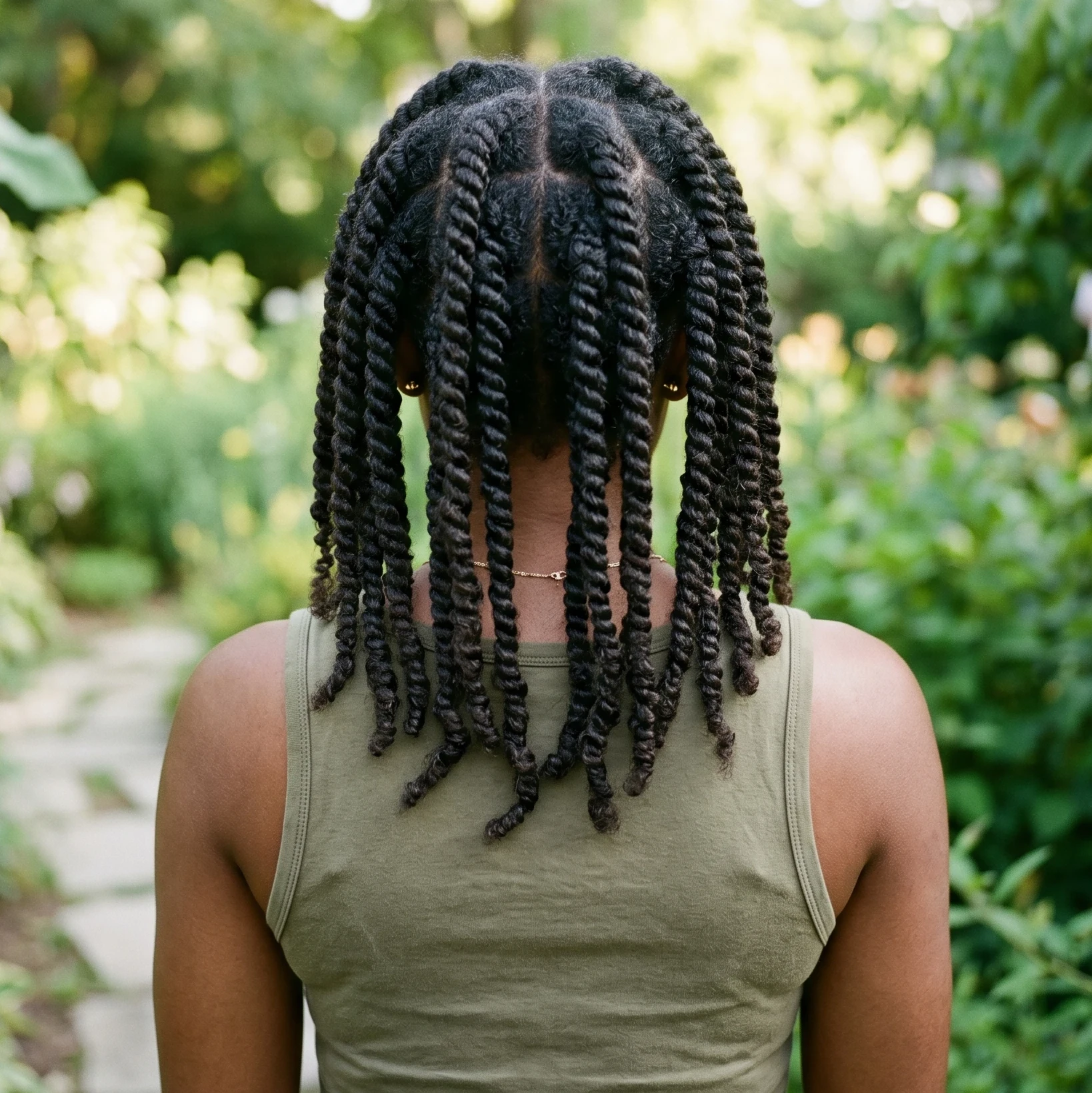
Easy updos save the day when you’re in a rush. From simple puffs to sleek buns, these styles keep it neat and require minimal time and effort. Adding accessories like headbands or clips can instantly elevate the look.
But here’s the trick: learning to use your tools effectively maintains health and growth. Avoid over-manipulation and give your hair breaks in between styling. Protective styles are great, but they should protect—not strain. So, always balance style with health.
Caring for Your Tools: Maintenance and Hygiene Tips
Taking care of your tools is just as important as choosing them. Clean tools mean healthy hair, so it pays to know a thing or two about maintenance. Start with regular cleaning—a quick rinse may not be enough. Aim to clean your brushes and combs every couple of weeks to avoid build-up from products and oils.
For combs and brushes, warm soapy water does wonders. Soak them for a bit, then use an old toothbrush to scrub out the grime. Rinse thoroughly and let them air dry completely before use. For heat tools, wipe down the surfaces with a damp cloth and a bit of rubbing alcohol to keep them in good shape.
Disinfecting is another must-do, especially if you share your tools with others. Soak them in a solution of water and disinfectant, checking that the mixture won’t harm the tool’s material. Keep chemicals away from wooden handles—those need less invasive care to stay intact.
Proper storage extends the life of your tools. Store heat tools in heat-resistant pouches once they’re cool. Brushes can stand upright or be hung up to keep their bristles from squashing. Keeping your tools organized not only saves space but also makes finding what you need easier when you’re in the styling zone.
In the end, it’s about making sure your tools are ready to perform whenever you need them—keeping both them and your hair in prime condition.





Leave a Reply